
🌞 Introduction to Weather in UAE
The Weather in UAE is an essential factor that affects not only the daily lives of residents but also the tourism industry and business operations. Known for its unique desert climate, the UAE experiences some of the most extreme temperatures, with blistering heat during the summer months and relatively mild temperatures during winter. This guide aims to provide in-depth knowledge on the climate in the UAE, seasonal patterns, temperature extremes, rainfall, and tips for navigating the weather in 2025.
The UAE’s climate is characterized by:
- 🌞 High temperatures in the summer.
- 🌬️ Humidity in coastal areas.
- 🌱 Mild winters, especially in desert regions.
In 2025, the Weather in UAE has evolved slightly due to global climate changes, creating a shift in the typical weather patterns. Whether you’re planning a visit, relocating, or organizing outdoor activities, understanding the Weather in UAE is crucial.
🌍 Overview of UAE Climate Zones
The Weather in UAE can differ significantly depending on the region. There are three main climatic zones across the country: coastal, desert, and mountainous regions.
- 🌊 Coastal Areas (e.g., Dubai, Abu Dhabi): These areas have mild winters with average temperatures ranging from 16°C to 26°C. Summer temperatures can soar up to 45°C, with high humidity levels, especially along the coast.
- 🏜️ Desert Interior (e.g., Al Ain, Liwa): The desert regions are the hottest, with high daytime temperatures and cooler nights. Sandstorms and high heat during the summer months are common.
- 🏞️ Mountainous Areas (e.g., Ras Al Khaimah, Jebel Jais): These regions tend to be cooler compared to the coastal and desert areas, with winter temperatures occasionally dipping below freezing, especially in Jebel Jais.
Understanding these zones can help travelers and residents plan accordingly, ensuring comfort throughout the year.
📅 Seasonal Breakdown of Weather in UAE (2025 Forecast)
① Winter (December to February)
- Average temperatures: 16°C – 26°C.
- The UAE experiences pleasant, cool temperatures during winter, making it the best time for outdoor activities, sightseeing, and tourism. This season also brings occasional rain, mainly in the northern Emirates.
- Ideal for desert safaris, mountain trekking, and outdoor dining.
② Spring (March to May)
- Average temperatures: 22°C – 36°C.
- Spring marks the transition between the cooler winter months and the intense summer heat. Temperatures rise gradually, and there’s an increase in dust and sandstorms, especially in April and May.
- Best to visit outdoor markets, parks, and nature reserves before the summer heat hits.
③ Summer (June to September)
- Average temperatures: 39°C – 50°C.
- The Weather in UAE during the summer months is characterized by extreme heat, especially in coastal cities like Dubai and Abu Dhabi, where temperatures can exceed 45°C. Humidity is also high, making outdoor activities less feasible during the day.
- Tourists can enjoy indoor activities like shopping, dining, and visiting air-conditioned attractions such as malls, museums, and aquariums.
④ Autumn (October to November)
- Average temperatures: 30°C – 35°C.
- Autumn marks the gradual reduction in temperature and humidity, making it an ideal time for outdoor activities like hiking, beach visits, and festivals.
- This season also sees a return of cooler evenings, making it perfect for evening walks along the beaches or outdoor dining experiences.
📊 Monthly Weather in UAE (2025 Projections)
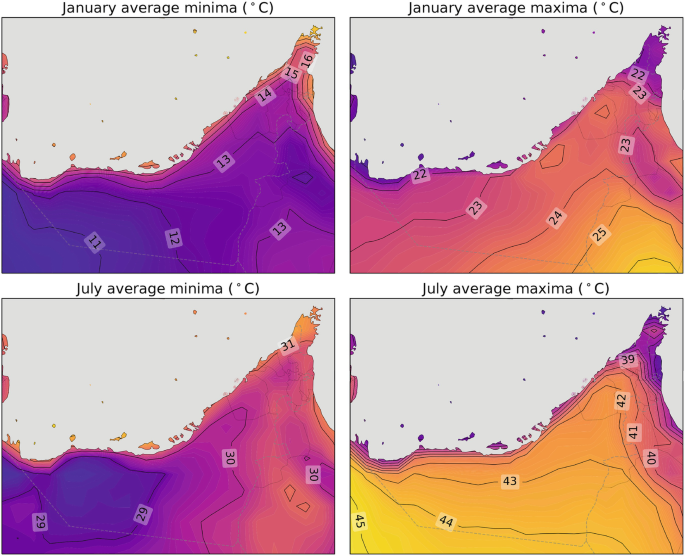
Here’s a more detailed breakdown of the Weather in UAE for each month in 2025:
| Month | Avg. Temp (°C) | Conditions |
|---|---|---|
| January | 16°C – 26°C | Cool, with occasional rain |
| February | 18°C – 28°C | Mild, perfect for outdoor activities |
| March | 22°C – 32°C | Dust storms, rising temperatures |
| April | 26°C – 36°C | Warm, moderate humidity |
| May | 30°C – 40°C | Hot, early onset of summer heat |
| June | 35°C – 45°C | It’s the hottest month, with high humidity |
| July | 39°C – 50°C | Hottest month, with high humidity |
| August | 38°C – 48°C | Continued extreme heat and humidity |
| September | 35°C – 45°C | Slight decrease in temperature |
| October | 30°C – 38°C | Fall, pleasant temperatures for tourism |
| November | 25°C – 35°C | Comfortable temperatures, less humidity |
| December | 20°C – 30°C | Cool, mild, with occasional rain |

🌧️ UAE Rainfall Patterns (2025 Update)
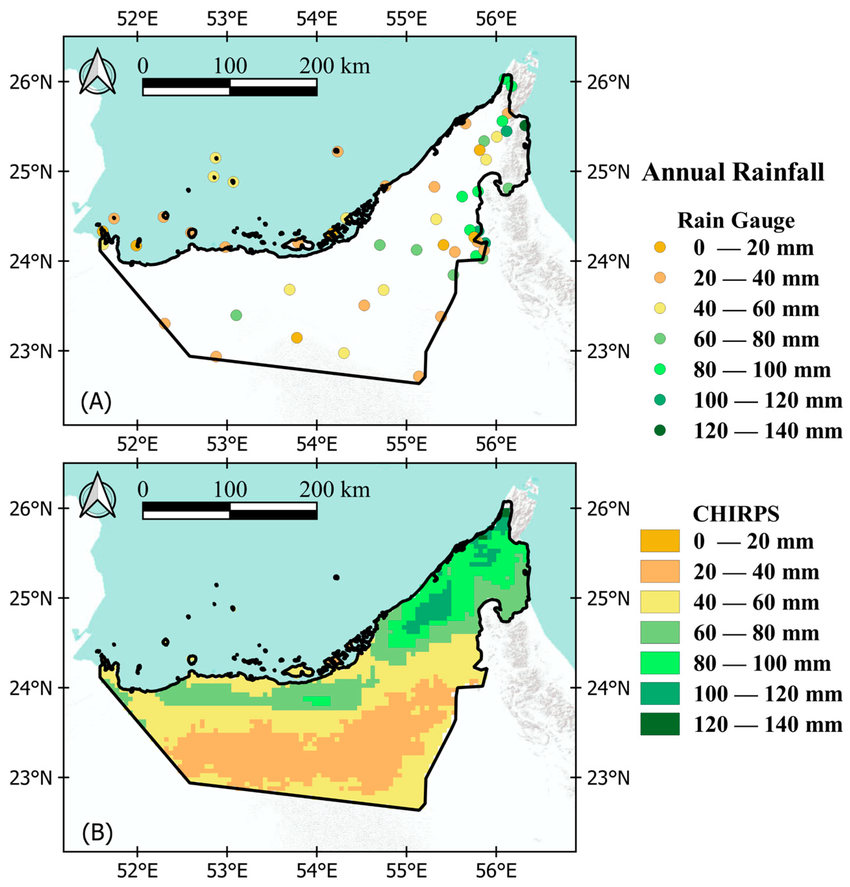
Rainfall in the Weather in UAE is sparse and usually occurs in winter. The country experiences an average of 100 mm of rainfall annually, with the heaviest rainfall typically in January and February. Due to the country’s arid conditions, rainfall is inconsistent, and precipitation often occurs in short bursts.
Notable Rainfall Trends for 2025:
- Coastal cities like Dubai and Abu Dhabi may experience light showers, but these are nothing compared to other countries in the region.
- Desert areas like Al Ain and Liwa have sporadic rainfall, with some years receiving none at all.
- Cloud seeding has been introduced in the UAE to enhance rainfall. This involves introducing chemicals into clouds to encourage precipitation.
🌡️ Temperature Extremes in 2025
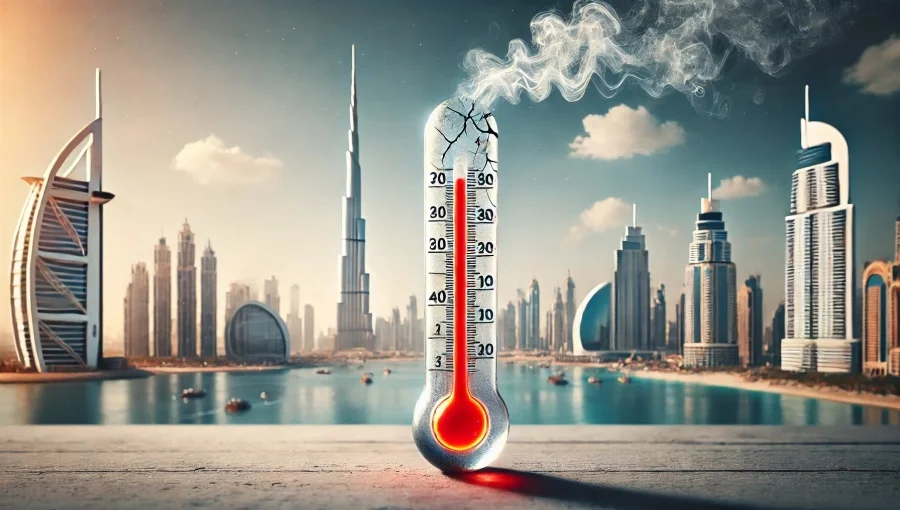
In 2025, the Weather in UAE continued to see extreme temperature fluctuations, and the country set new records:
- The highest temperature recorded was 51.3°C in Sweihan during the month of July.
- The lowest temperature recorded was 2.1°C in Jebel Jais during the winter months of January.
- Average humidity Peaks at 94% in coastal cities like Abu Dhabi and Dubai during the summer months.
🚨 Weather Alerts and Safety
With extreme weather conditions becoming more frequent, it’s essential to stay informed. The UAE government and local meteorological agencies have developed advanced systems for issuing weather alerts:
- NCM Alerts: Receive real-time notifications via mobile apps or SMS.
- Sandstorm Warnings: Alerts are issued when dust storms approach, particularly during the spring months.
- Rain and Flood Alerts: In cases of heavy rainfall, particularly in the northern Emirates.
Make sure to follow government channels for updates and take necessary precautions during extreme weather conditions.
🏠 How Weather in UAE Affects Daily Life
The Weather in UAE influences many aspects of daily life, from work hours to recreational activities:
① Dress Code:
- Summer: Lightweight clothing, sunglasses, and hats are a must.
- Winter: Light jackets or sweaters, especially in the evenings.
- Business Attire: Depending on the industry, air-conditioned offices are standard in most areas.
② Outdoor Activities:
- Summer: Early morning or evening activities are recommended.
- Winter: Ideal time for outdoor adventures like hiking and desert safaris.
③ Business Hours:
- Summer: Businesses adjust working hours to avoid the midday heat.
- Winter: Standard office hours, with many outdoor events and festivals scheduled.

🌍 Travel Tips Based on Weather in UAE
Traveling to the UAE in 2025? Here are some tips based on the Weather in UAE:
Best Time to Visit:
- November to March is the most pleasant time to visit the UAE, with mild temperatures and less humidity.
Tips for Dealing with Heat:
- Stay hydrated.
- Use sunscreen and wear protective clothing.
- Take frequent breaks in air-conditioned spaces during the hottest months.

🌱 Weather in UAE and Climate Change
The UAE is taking active steps to address the challenges posed by climate change:
- Sustainability Initiatives: Development of green cities like Masdar City.
- Energy Innovations: Increased investment in renewable energy.
- Public Awareness: Campaigns promoting water conservation, recycling, and energy efficiency.
🏝️ Role of Weather in UAE Tourism
The Weather in UAE plays a major role in tourism, with the cooler months from November to March being the peak season. Tourists flock to Dubai for events such as the Dubai Shopping Festival (January), Abu Dhabi Grand Prix (November), and Al Dhafra Camel Festival (December).
💡 Weather Technology and Innovations in UAE
The UAE has become a leader in weather-related technology and innovations:
- AI-powered forecasting systems that provide real-time weather updates.
- Cloud seeding technologies to enhance rainfall during dry spells.
- Smart buildings are designed to maintain comfortable indoor temperatures despite extreme outside conditions.
🏙️ Most Affected Cities by Temperature in UAE
Some cities experience more extreme temperatures than others:
① Dubai: Coastal city with high humidity in summer.
② Abu Dhabi: Similar to Dubai but with slightly higher average temperatures.
③ Ras Al Khaimah: Cooler in winter due to proximity to the mountains.
④ Al Ain: Extreme temperatures in summer, with cooler desert nights.
🌍 UAE Weather vs. Neighboring Gulf Countries
The Weather in UAE is generally milder compared to some of its Gulf neighbors, especially in terms of humidity levels.
| Country | Avg. Summer Temp | Avg. Winter Temp | Rainfall |
|---|---|---|---|
| UAE | 45°C | 20°C | 100 mm |
| Saudi Arabia | 48°C | 15°C | 59 mm |
| Qatar | 44°C | 17°C | 75 mm |
🔮 Future Weather Projections for UAE
Climate change models predict that Weather in UAE will become more extreme in the coming years:
- Longer summers with higher average temperatures.
- Intense rainfall events leading to floods.
- Rising sea levels affecting coastal areas.
❓ FAQ: Weather in UAE
① Is it always hot in UAE?
No, the Weather in UAE includes mild winters with temperatures ranging from 16°C to 26°C.
② Does it rain in UAE?
Yes, although rainfall is minimal, it mainly occurs during the winter months.
③ Is the weather safe for tourists?
Yes, but travelers should take precautions during the summer months due to high temperatures.
✅ Conclusion
Understanding the Weather in UAE in 2025 is essential for anyone planning to live, work, or visit the country. With its hot summers, mild winters, and diverse climate zones, the UAE offers a unique experience for its residents and visitors. Whether you are a tourist looking to explore the landmarks or a resident going about daily life, knowing the weather patterns will help you stay comfortable and safe.
External Resources:
- National Center of Meteorology (UAE)
- UAE Ministry of Climate Change
- Weather.com – UAE Forecast
- Visit Dubai – Official Travel Guide
- Abu Dhabi Tourism
- Masdar Sustainability Initiatives
Read Also: Dubai Water Parks: The Ultimate Guide to Thrilling Aquatic Adventures in 2025