

Renting an apartment in the UAE is a process that requires understanding legalities, costs, and payment schedules to avoid any surprises. As a foreign resident or new arrival, navigating this complex process can be overwhelming without the proper guidance. Whether you’re renting your first home in Dubai, Abu Dhabi, or any other emirate, knowing the steps involved is crucial.
In this ultimate guide, we cover everything you need to know about renting an apartment in the UAE, including types of contracts, payment methods, what bills you need to pay, and the roles of landlords and realtors. We will also discuss the legal aspects and offer practical tips to make the process easier.
🏙️ 1. Understanding the Rental Market in the UAE
Renting an apartment in the UAE can be a rewarding experience, but it’s essential to understand the local rental market’s intricacies. The UAE has one of the most dynamic real estate sectors in the world, especially in cities like Dubai and Abu Dhabi. In general, rents in prime locations are higher, but they vary significantly depending on the emirate, neighborhood, and the type of apartment you choose. Understanding the market trends and knowing where to look will help you find an apartment within your budget.
Key Points:
- UAE Rental Demand: Renting an apartment in the UAE is common, especially among expatriates, as many choose to rent long-term while settling in the country.
- Types of Apartments: Apartments can range from affordable studio flats to luxurious penthouses. Your choice of apartment depends on your budget and preferences.
- Market Fluctuations: Rent prices may vary annually based on factors like demand, inflation, and local policies.
By researching the market thoroughly, you can make an informed decision about where and what type of apartment is best for you. Renting an apartment in the UAE might be competitive, but with patience and the right information, you can secure a great place.

💵 2. Costs and Fees When Renting an Apartment in the UAE
When renting an apartment in the UAE, there are several costs to be aware of beyond just the rent itself. It’s important to factor in these additional expenses to avoid any unexpected costs. These can include agency fees, maintenance charges, security deposits, and the cost of utilities.
Common Costs When Renting an Apartment in the UAE:
- Security Deposit: Usually 5% of the annual rent, refundable at the end of the contract if no damages are found.
- Agency Fees: Typically, real estate agents charge 5% of the total rent for their services. This is applicable if you rent through a realtor.
- Monthly Rent: The rent payment is generally made annually, although quarterly or monthly payments can also be negotiated in some cases.
- Maintenance Fees: These vary depending on the type of apartment but are often included in the service charges. Make sure to check whether this is covered by the landlord or needs to be paid separately.
Overall, renting an apartment in the UAE can be affordable if you understand the full breakdown of costs. These additional charges are important to consider when planning your rental budget.

📝 3. Types of Rental Contracts in the UAE
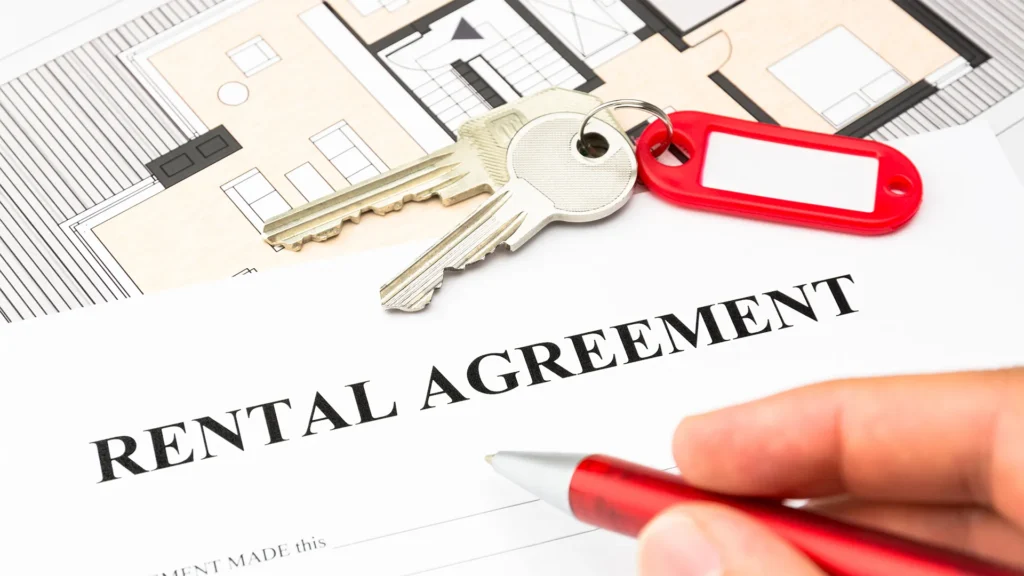
When renting an apartment in the UAE, there are different types of rental contracts you may encounter. The most common contract types include long-term leases and short-term rentals.
Long-Term Leases:
- Duration: These leases are typically for 1 to 2 years.
- Renewals: Leases can be renewed at the end of the term with a potential increase in rent depending on market conditions.
- Flexibility: Less flexibility in terms of early termination, and you might need to pay a penalty if you decide to break the lease early.
Short-Term Rentals:
- Duration: These are usually for a few months to a year.
- Cost: Can be more expensive than long-term leases due to the flexibility they offer.
Both types of contracts come with specific obligations and rights for both parties. It’s crucial to read the contract thoroughly and ensure you understand your rights and obligations. When renting an apartment in the UAE, always consult with a lawyer if you have any doubts about the terms.
💳 4. Payments and Rent Collection Methods
One of the most unique aspects of renting an apartment in the UAE is how rent is collected. Rent is typically paid annually, and it’s common to make payments in post-dated cheques. Here’s what you need to know about rent payment methods:
Payment Methods:
- Post-Dated Cheques: In most cases, the landlord requests post-dated cheques for the entire rent amount. These cheques are presented on agreed-upon dates, usually for the full year’s rent.
- Bank Transfers: Some landlords may accept bank transfers, although this can depend on the landlord’s preferences.
- Cash Payments: While less common, cash payments might still be an option in some cases.
Rent Payment Terms:
- Full Payment in Advance: Some landlords prefer full payment for the entire year in advance, especially for premium properties. You may need to negotiate if you wish to pay in installments.
- Flexible Payments: Depending on the landlord, you may be able to negotiate for quarterly or monthly payments. However, this is less common.
Before renting an apartment in the UAE, it’s essential to understand how the landlord prefers to collect rent and how much flexibility you have in terms of payment.
🔧 5. Utility Bills and Additional Costs
When renting an apartment in the UAE, utility bills are another aspect that needs to be managed. In most cases, tenants are responsible for paying for water, electricity, and cooling (AC), while internet and TV services are optional.
Common Utility Bills:
- Water and Electricity: The Dubai Electricity and Water Authority (DEWA) or the Abu Dhabi Distribution Company (ADDC) handles water and electricity services.
- Air Conditioning: Depending on the apartment, cooling charges can be either separate or included in the rent. Check your lease to confirm.
- Internet and TV: These services are optional but must be set up by the tenant.
In addition to utilities, keep in mind that renting an apartment in the UAE may also involve costs like parking fees, service charges, and other residential community fees. It’s essential to factor all of these costs into your monthly budget.
🏠 6. Finding the Right Realtor for Your UAE Apartment
Working with a reliable realtor can make renting an apartment in the UAE a much smoother process. A good realtor will help you find the best deals, handle the paperwork, and guide you through the contractual details.
Key Tips for Choosing a Realtor:
- Experience: Choose a realtor with experience in the specific emirate you’re interested in.
- Reputation: Research reviews and ratings of real estate agencies. Look for agencies with a good track record of helping expats and locals find rental properties.
- Agency Fees: Be clear on how much the realtor will charge. Typically, it’s 5% of the annual rent.
A reputable realtor will help you navigate the sometimes complex rental process and ensure you get the best deal when renting an apartment in the UAE.
⚖️ 7. Legal Considerations When Renting an Apartment in the UAE
Before signing a lease agreement for an apartment, make sure you’re aware of the legal obligations involved. Renting an apartment in the UAE requires both the landlord and the tenant to fulfill certain legal responsibilities.
Legal Tips:
- Tenancy Contract: Ensure that your contract is signed in writing and includes all terms related to rent, payment, and maintenance responsibilities.
- Eviction Rules: Be aware of the circumstances under which eviction is allowed, which can vary depending on the terms of your lease.
- Deposit Refund: Understand the terms regarding the security deposit and ensure there are no clauses that could prevent you from getting it back at the end of your lease.
Understanding the legal framework when renting an apartment in the UAE is essential to avoid any complications during your tenancy.
🔑 8. Conclusion and Final Tips for Renting in the UAE
Renting an apartment in the UAE can be a seamless experience when you’re armed with the right knowledge. By understanding the cost breakdown, payment methods, and the rental market trends, you can avoid unnecessary stress and enjoy your new home with confidence. Whether you’re renting for the first time or have experience in the UAE, following these steps will ensure a smooth and successful renting journey.
Key Takeaways:
- Research: Always research the market and compare prices before committing to a rental.
- Know Your Rights: Understand your legal obligations and rights as a tenant in the UAE.
- Work with Professionals: Use the help of real estate agents or legal professionals to ensure that all terms and conditions are favorable for you.
By taking these steps, renting an apartment in the UAE will be a more manageable process that aligns with your budget and needs.
External Resources:
- DEWA Official Website
- RERA (Real Estate Regulatory Agency) – Dubai
- Abu Dhabi Distribution Company (ADDC)
Also Read: Buying a House in UAE 2025: Your Ultimate Guide to Real Estate, Legalities, Investment, and More