
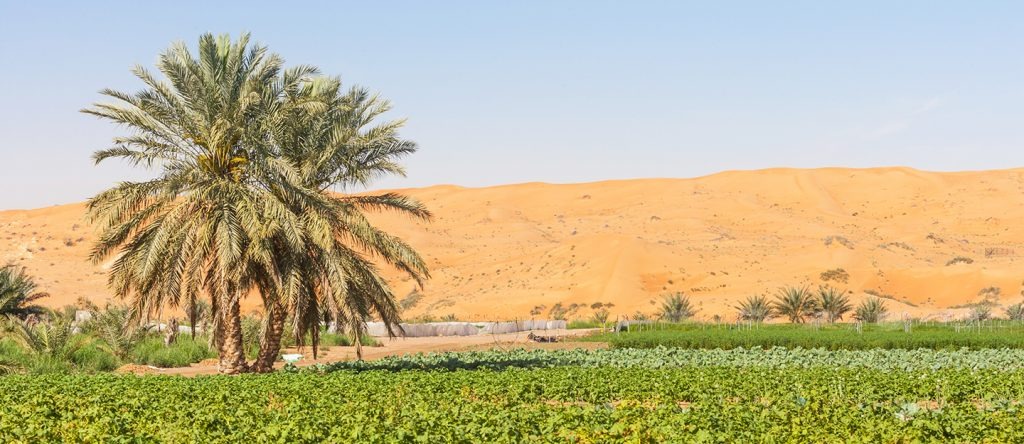
🌱 1. Introduction to Vegetation in the UAE
The vegetation in the UAE is a remarkable testament to the adaptability of plant life in one of the most extreme desert environments. The UAE’s landscape, which is primarily desert, is home to a surprising variety of plants that have adapted to the harsh conditions of heat, dryness, and minimal rainfall. From deserts to coastal zones and mountainous regions, the diversity of vegetation in the UAE plays a crucial role in the ecosystem, providing shelter, food, and resources for wildlife.
The study of vegetation in the UAE is important not only for understanding the country’s natural heritage but also for appreciating the ongoing efforts in conservation and sustainability. The UAE’s initiatives, including reforestation programs and the preservation of native species, are vital for maintaining a balance in its fragile ecosystems. In this guide, we will explore the types of vegetation found in the UAE, their unique adaptations, and the role they play in the environment.
🌵 2. Types of Vegetation in the UAE
The vegetation in the UAE is diverse, categorized into three main types: desert plants, coastal vegetation, and mountain flora. These plants have adapted over centuries to survive in a harsh, arid environment, showcasing remarkable survival strategies.
🏜️ 2.1 Desert Vegetation
Desert plants dominate the vegetation in the UAE. These plants have evolved incredible adaptations that allow them to survive in the country’s extremely dry conditions. They store water, reduce water loss, and often have deep root systems to access underground water.
🌵 Cacti and Succulents
The vegetation in the UAE includes various types of cacti and succulents that have the ability to store water in their thick stems and leaves. Examples include the Barbary Fig and Aloe Vera, both of which can survive with minimal water.

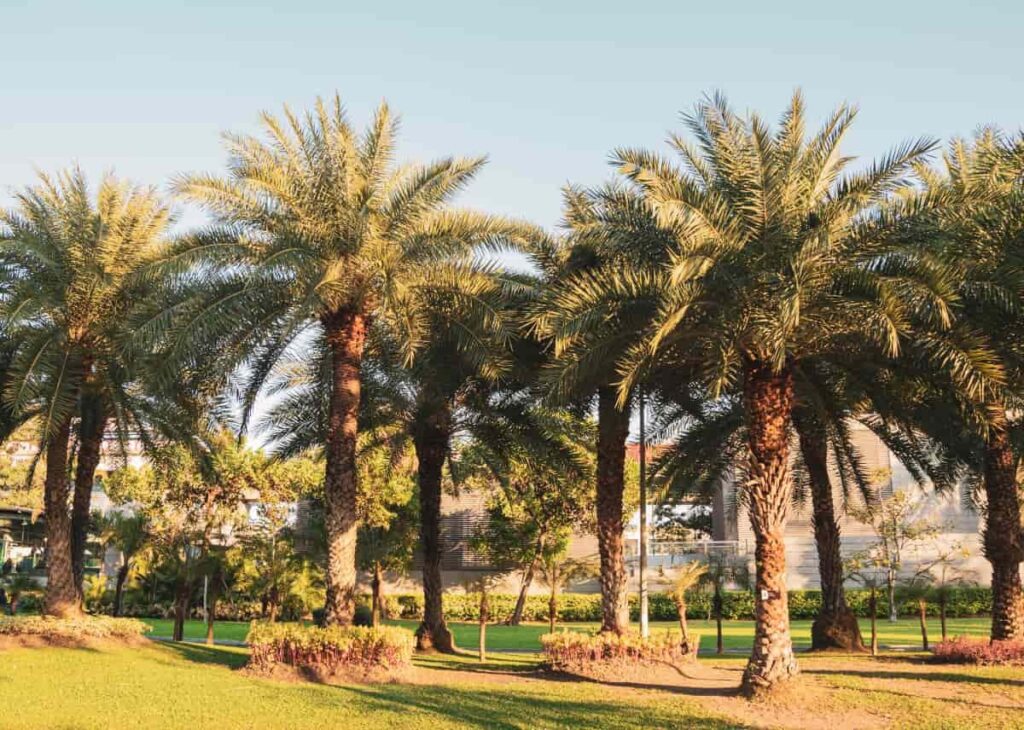
🪴 Date Palms
One of the most iconic species of vegetation is the Date Palm (Phoenix dactylifera). These palms thrive in the arid climate and provide shade and sustenance. Dates are a staple food in the UAE, and the tree holds cultural significance.
🌿 Desert Shrubs
The UAE’s vegetation also includes resilient shrubs such as the Ghaf Tree and Sidr Tree, which are well-suited to the desert environment. These shrubs are vital in stabilizing the desert soil and providing shelter for wildlife.
🌊 2.2 Coastal Vegetation
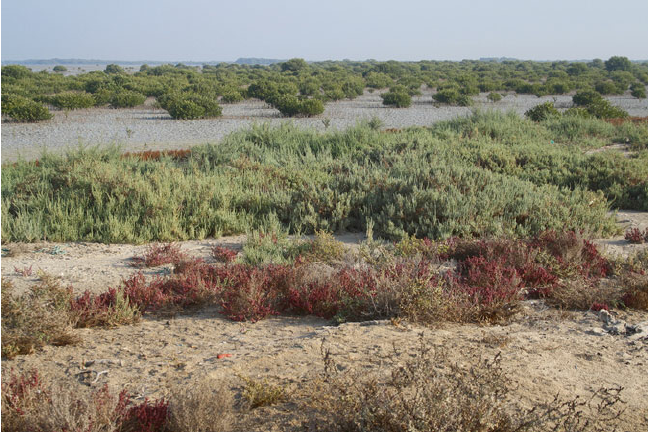
The vegetation in the UAE along its extensive coastline is adapted to tolerate saline conditions. Coastal vegetation plays a crucial role in protecting the shoreline, preventing erosion, and providing habitats for marine species.
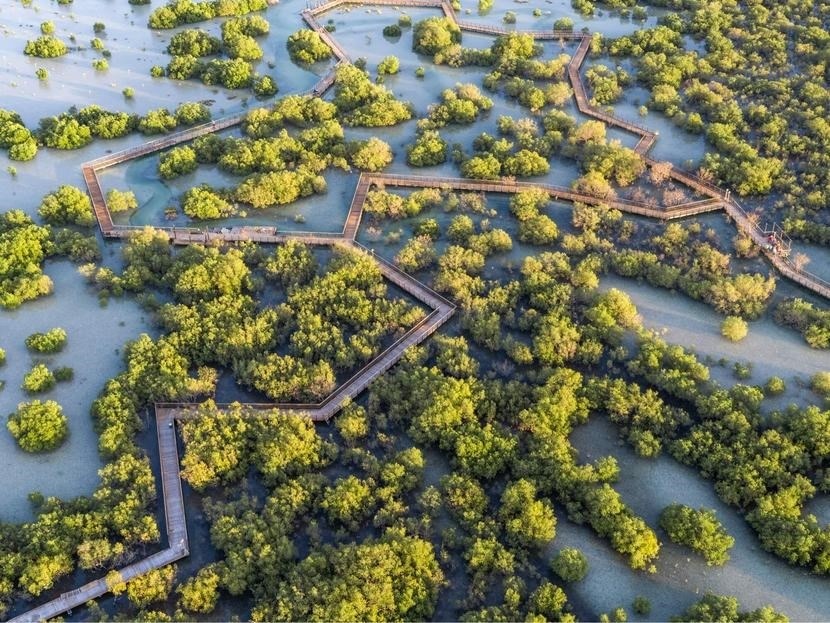
🌾 Mangroves
Mangrove forests are a key part of the vegetation in the UAE along the Eastern Coast, particularly near Fujairah. These plants have specialized roots that filter out salt, making them highly effective in protecting coastal ecosystems from rising sea levels and storm surges.
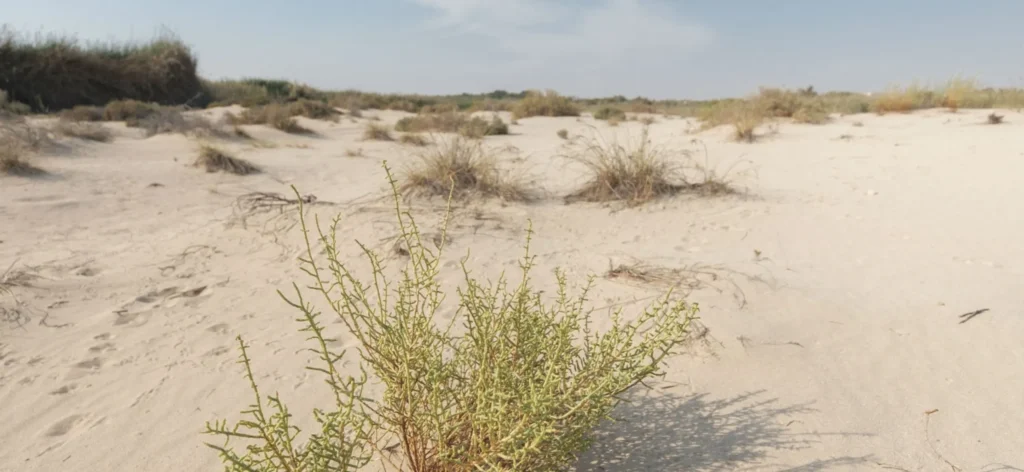
🌸 Halophytes
Halophytes, like Suaeda and Salicornia, are salt-loving plants that thrive in the coastal regions of the UAE. These plants help stabilize the soil and are important for preventing coastal erosion, making them an essential component of the vegetation.
🏞️ 2.3 Mountain Vegetation
The vegetation in the UAE also extends to the mountainous regions, particularly the Hajar Mountains. The cooler climate and higher rainfall support a different set of plants compared to the desert or coastal areas.
🌳 Olive Trees
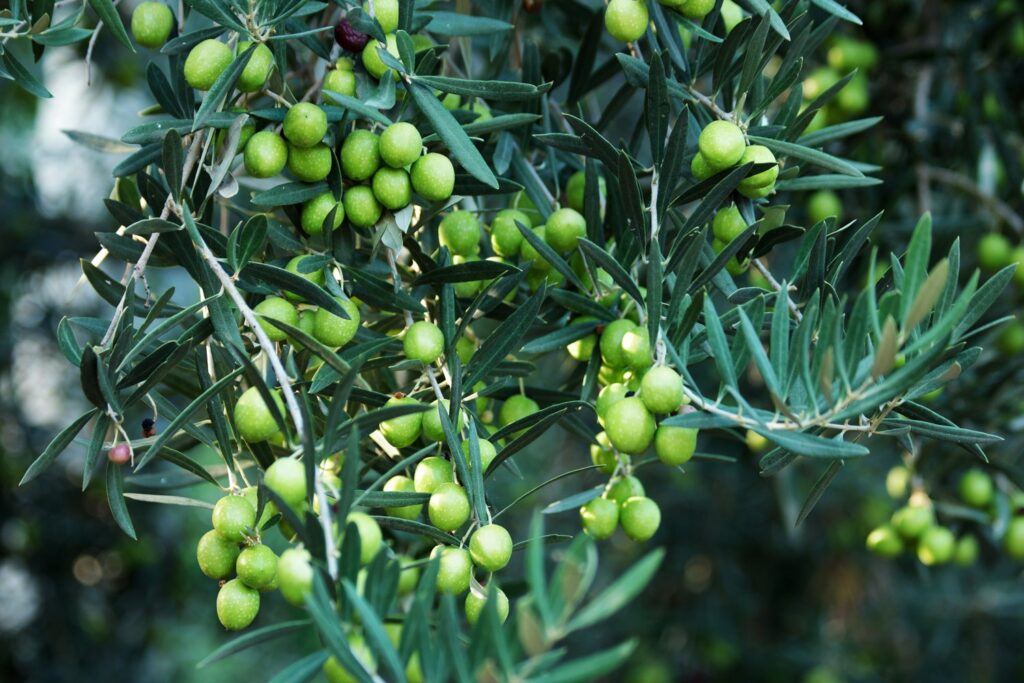
Olive trees are part of the vegetation in the UAE, found in the mountainous regions. These trees are culturally significant and have been cultivated for centuries for their fruit and oil. They are well-suited to the cooler, more humid environment of the mountains.
🌿 Wild Herbs
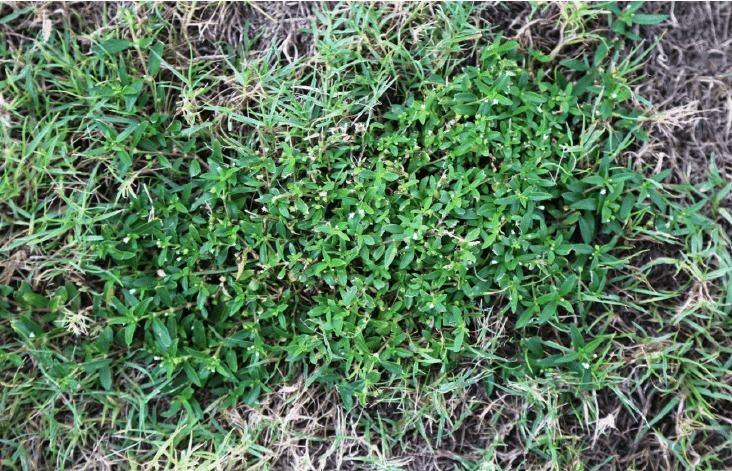
Wild herbs, including Thyme and Oregano, are common in the mountainous regions of the UAE. These plants are not only used in cooking but are also valued for their medicinal properties. Their presence is a key feature of the diverse vegetation.
🌍 3. Adaptations of Vegetation in the UAE
The vegetation in the UAE exhibits several key adaptations that help plants survive in the extreme desert environment. These adaptations are essential for conserving water, regulating temperature, and obtaining nutrients from the soil.
🌞 3.1 Water Conservation
Water is a scarce resource in the UAE, and the vegetation has developed remarkable strategies to conserve it. Many desert plants have evolved to store water in their roots, stems, or leaves, enabling them to survive long periods of drought.
💧 Thick Cuticles and Small Leaves
A common feature of desert plants in the UAE, such as the Ghaf Tree and Sidr Tree, is their small leaves and thick cuticles. These adaptations minimize water loss due to evaporation, allowing these plants to thrive despite the dry conditions.
🌡️ 3.2 Temperature Regulation
Temperature regulation is another key challenge for plants in the UAE. The intense heat of the desert requires plants to have mechanisms to stay cool. Many plants, including those in the vegetation, have light-colored leaves that reflect sunlight and reduce heat absorption.
🌱 3.3 Nutrient Acquisition
The desert soil in the UAE is often nutrient-poor, but plants have adapted to extract the essential nutrients they need. Some plants, such as the Sidr Tree, have deep roots that allow them to access underground nutrients, while others form symbiotic relationships with fungi to aid in nutrient uptake.
🌳 4. Native Vegetation in the UAE
The vegetation includes a variety of native species that are well-suited to the country’s dry and hot climate. These plants are an important part of the country’s cultural and ecological heritage.
🌾 4.1 Ghaf Tree
The Ghaf Tree (Prosopis cineraria) is the national tree of the UAE and an iconic species in the vegetation. This tree can survive in the harsh desert environment and plays a crucial role in stabilizing desert soils and providing shade and shelter to wildlife.
🌵 4.2 Date Palm
The Date Palm is another important native species of vegetation in the UAE. It has been a staple food source for centuries, providing dates that are rich in nutrients. The tree’s ability to thrive in the desert climate makes it an essential part of the UAE’s vegetation.
🌱 5. Sustainable Practices for Vegetation in the UAE
The UAE has made significant strides in promoting sustainable practices related to vegetation. Efforts include the conservation of native plant species, the establishment of protected areas, and the implementation of green building initiatives.
🌳 5.1 Green Building Initiatives
Sustainability is a key focus for the UAE, and vegetation is increasingly being incorporated into urban planning. Green roofs, vertical gardens, and drought-tolerant plants are being used to reduce the environmental impact of buildings.
🌍 Sustainable Landscaping
Sustainable landscaping practices that utilize native and drought-resistant plants, such as cacti and succulents, are becoming more common in both residential and commercial developments across the UAE.
🌾 5.2 Protected Areas and Conservation Programs
The UAE has set up several protected areas to conserve its native vegetation. For example, the Al Marmoom Desert Conservation Reserve and mangrove forests along the coast are being protected to ensure the long-term survival of the vegetation in the UAE.
🌿 6. Importance of Vegetation in the UAE’s Ecosystem
The vegetation in the UAE is not just important for its aesthetic value, but it also plays a critical role in the country’s ecosystem. These plants provide vital ecosystem services, such as preventing soil erosion, promoting biodiversity, and offering habitats for wildlife.
🌳 6.1 Biodiversity Support
The vegetation supports a rich diversity of wildlife, including various species of birds, mammals, and insects. Plants like the Ghaf Tree provide food and shelter for wildlife, while desert shrubs support migratory birds like the Houbara Bustard.
🏁 7. Conclusion: Vegetation in the UAE and Future Prospects
The vegetation in the UAE is an essential part of the country’s natural heritage. From the iconic date palms to the resilient desert shrubs, the flora of the UAE has adapted to thrive in one of the harshest environments on Earth. The ongoing efforts in conservation and sustainable land management are helping to preserve the vegetation in the UAE, ensuring its survival for future generations.
As the UAE continues to develop and urbanize, the country must maintain its focus on protecting its native plants and promoting sustainable practices. By doing so, the UAE can continue to balance the demands of urbanization with the need to protect its unique ecological heritage.
External Links
Also Read: Top 8 Exciting Places to Visit in Ras Al Khaimah in 2025: Your Ultimate Adventure Guide!