
🧭 Introduction
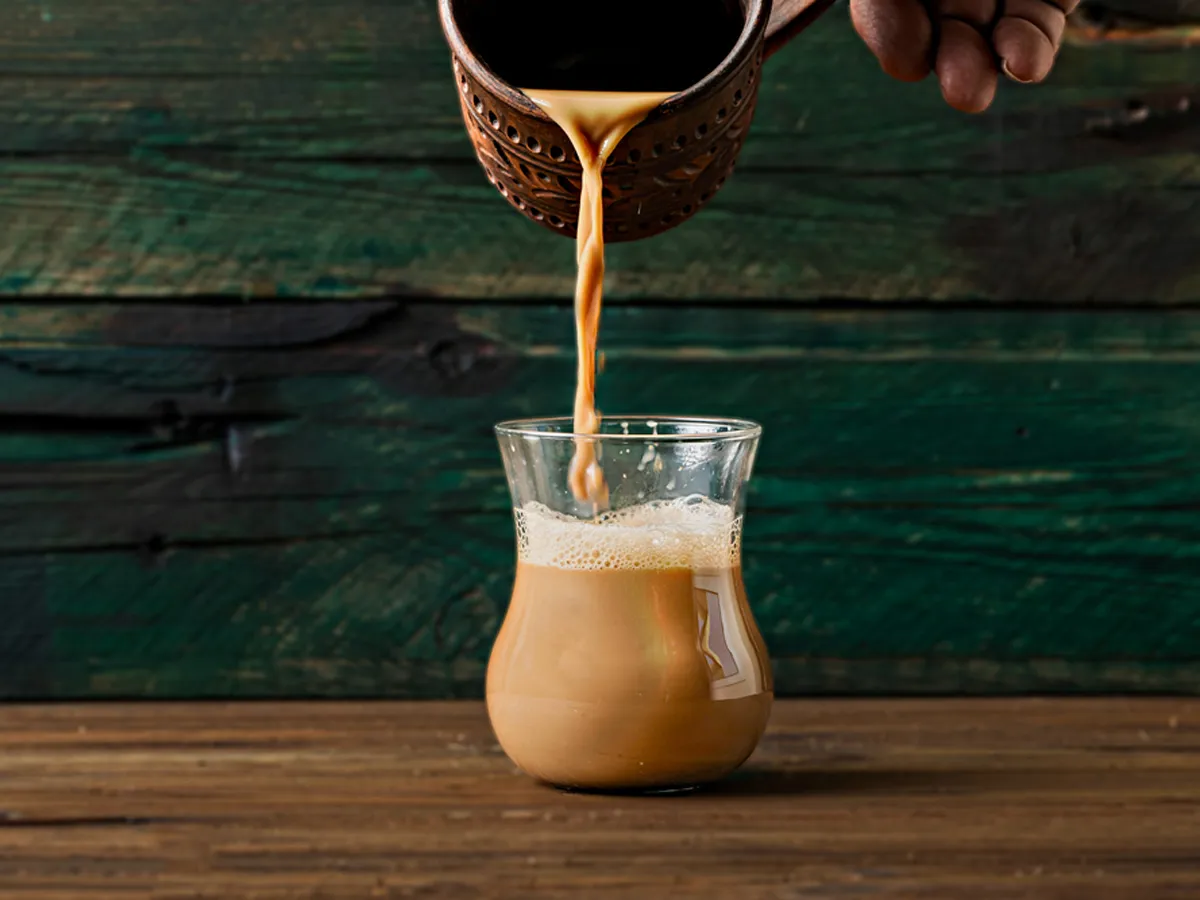
The UAE is a vibrant mosaic of nationalities, where food and beverages reflect its diverse cultural fabric. Among the most iconic elements of this rich culinary landscape is Karak tea in the UAE—a deeply beloved beverage that transcends age, background, and social status. Whether you’re walking through the bustling streets of Dubai, sipping in a quiet corner of Sharjah, or enjoying a roadside stall in Abu Dhabi, you’re never far from a steaming cup of Karak tea in the UAE.
With its roots in Indian chai culture and evolution shaped by Emirati tastes, Karak tea in the UAE is more than just a drink—it’s a daily ritual for millions. It’s enjoyed by Emiratis, South Asians, Arabs, and Westerners alike, making it a unifying beverage across the nation. The creamy texture, aromatic spices, and sweet warmth offer comfort and familiarity in a rapidly modernizing country.
This article explores not only the prominence of Karak tea in the UAE but also the wide array of hot drinks favored by different communities. From Arabic coffee to masala chai, each drink tells a story of heritage and identity. We’ll also discover who drinks what, where to find the best brews, and how these drinks contribute to the UAE’s ever-evolving hospitality culture.
☕️ 1. What is Karak Tea? An Emirati Favorite with Indian Roots
- Origin & Ingredients:
Karak tea is a rich, spiced tea brewed with strong black tea leaves, evaporated or condensed milk, sugar, and aromatic spices like cardamom and sometimes saffron or ginger. It originated from Indian chai traditions but has been embraced and transformed in the UAE to create a uniquely local flavor. - Popularity:
The popularity of Karak tea in the UAE is widespread, especially among South Asian expatriates (Indians, Pakistanis, Bangladeshis), but it has also deeply permeated Emirati and other Gulf communities who enjoy it multiple times daily. - Cultural Significance:
More than a drink, Karak tea is a social ritual. It’s common to find roadside Karak stalls, cafes, and even luxury hotels serving this comforting beverage, symbolizing hospitality and everyday togetherness.
🧉 2. Arabic Coffee (Gahwa): The Traditional Emirati Brew
- Origin & Preparation:
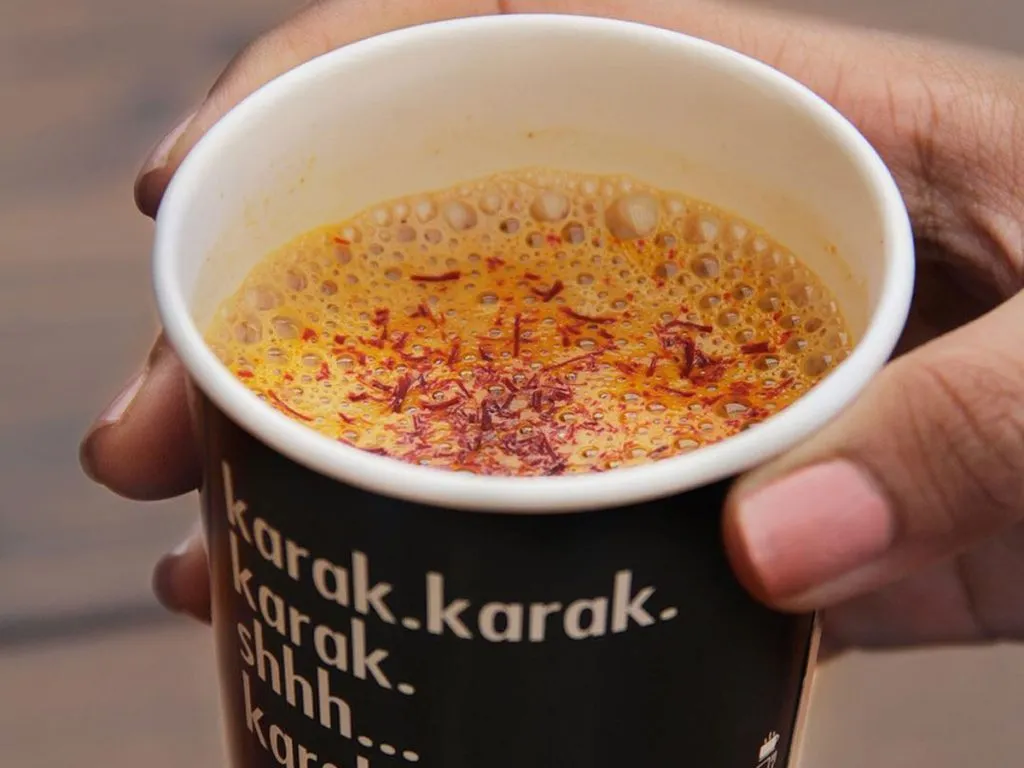
Arabic coffee, or Gahwa, is brewed from lightly roasted coffee beans with cardamom pods and often saffron or cloves added for flavor. It is served without sugar and traditionally in small cups called finjan. - Who Drinks It?
Emiratis and other Gulf nationals (Kuwaitis, Saudis, Bahrainis, Omanis) predominantly consume Arabic coffee as part of their daily routine and during special occasions. It holds a ceremonial role during gatherings and hospitality events. - Serving Ritual:
Arabic coffee is traditionally served alongside dates and follows a specific etiquette symbolizing respect and generosity. Guests are usually offered coffee multiple times in a single sitting.
☕️ 3. Indian Masala Chai: The Spicy South Asian Favorite
- Ingredients & Taste:
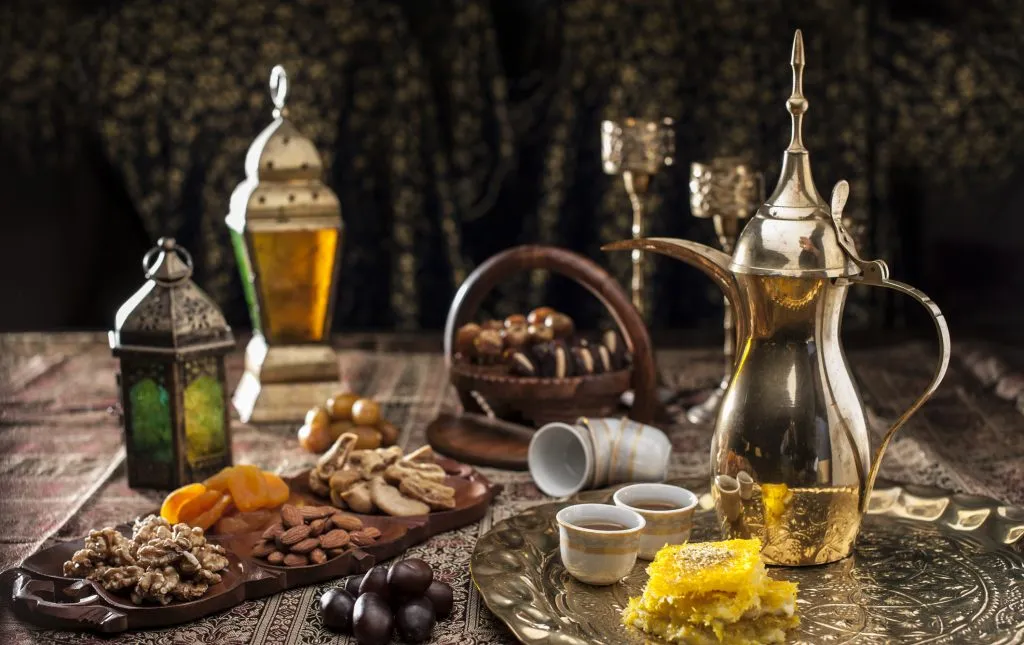
Indian masala chai is brewed with black tea, milk, sugar, and a blend of spices like cardamom, cinnamon, cloves, and ginger. It’s typically stronger and more aromatic than Karak tea. - Main Consumers:
The large Indian community in the UAE—especially workers and professionals from Kerala, Tamil Nadu, and Punjab—frequently enjoys masala chai. It’s a staple at homes, offices, and roadside tea stalls. - Cultural Importance:
Masala chai provides comfort and nostalgia for expatriates far from home, connecting them to their cultural roots through its familiar flavor.
🍵 4. Iranian Tea: A Persian Influence
- Description:
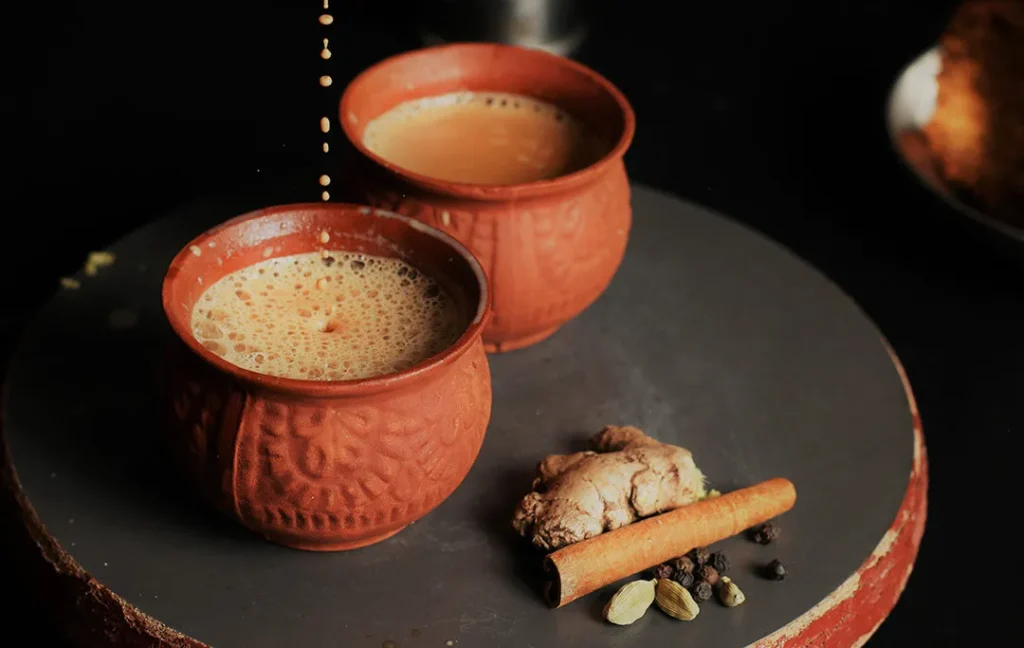
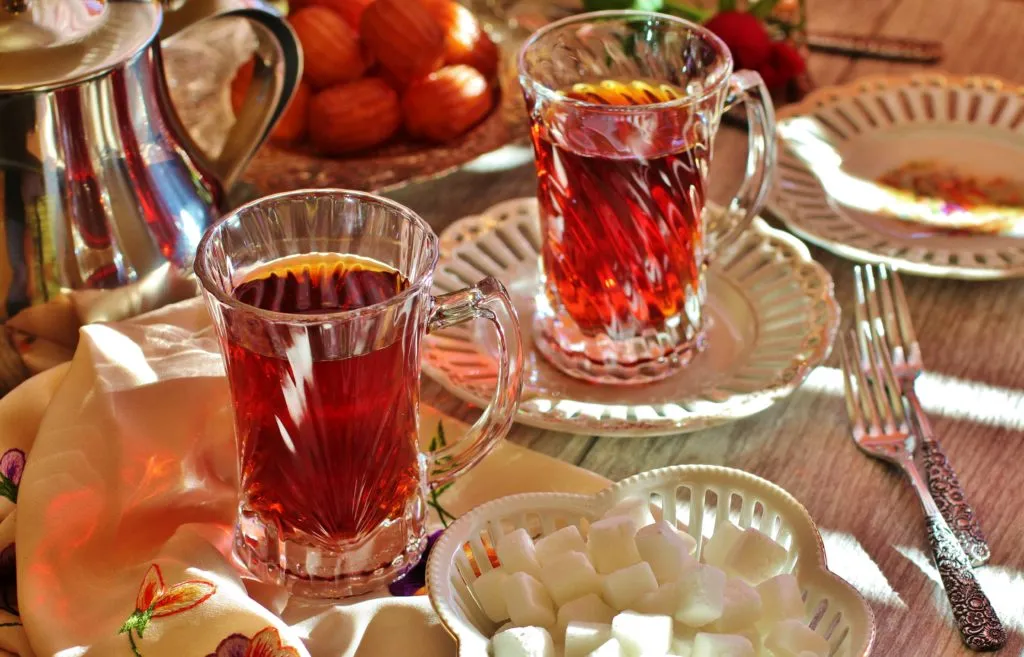
Iranian tea is typically a strong black tea served with rock sugar or sweets. The tea is often poured into a small glass cup and enjoyed leisurely. - Who Drinks It?
The Iranian expatriate community in the UAE, mainly in Dubai and Sharjah, prefers this style of tea. It’s also enjoyed by other nationalities who appreciate its robust flavor. - Tea Culture:
Tea in Iranian culture is a symbol of hospitality, with multiple daily servings and social rituals involving conversation and relaxation.
🫖 5. Turkish Tea: Strong and Social
- Preparation:
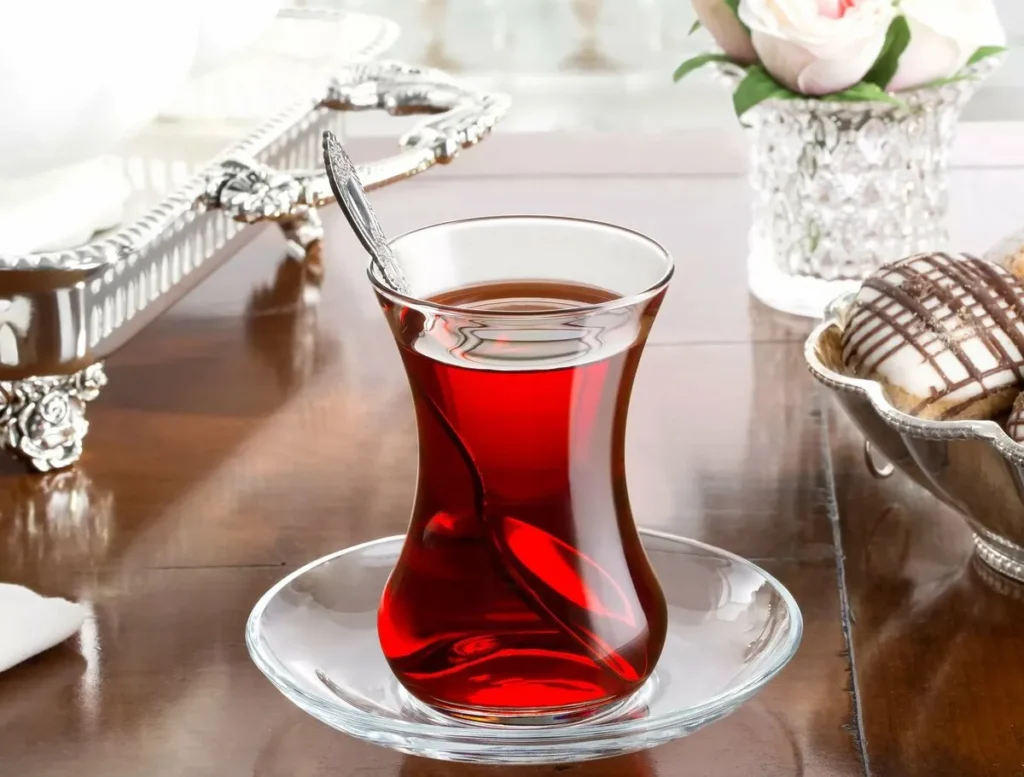
Turkish tea is brewed in a double teapot called çaydanlık, resulting in a strong concentrate diluted with hot water. It is served in tulip-shaped glasses without milk, often with sugar cubes. - Audience:
Turkish expatriates in the UAE and others who enjoy Middle Eastern and Mediterranean traditions drink Turkish tea regularly. - Social Role:
Turkish tea is often consumed in social settings, cafes, and business meetings, where sharing tea fosters relationships and hospitality.
☕️ 6. Coffee Culture in the UAE: Beyond Tea
While tea dominates many expatriate communities, coffee—especially Arabic coffee—plays a vital role in Emirati tradition. Moreover, global coffee styles such as espresso, cappuccino, and latte are also incredibly popular, especially among younger generations and urban professionals in Dubai and Abu Dhabi.
Coffee shops abound in malls, commercial areas, and residential neighborhoods, reflecting the UAE’s modern cosmopolitanism and its blend of traditional and global influences.

🧊 7. Unique Emirati Hot Drinks: Date Milk and Saffron Milk
- Date Milk:
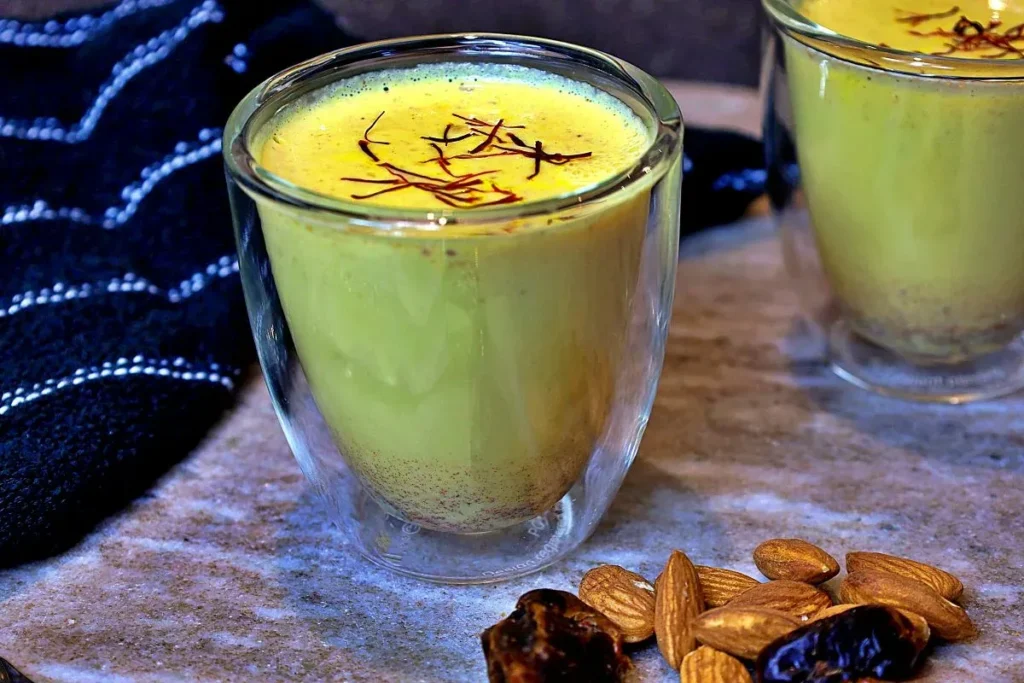
A traditional drink made by blending dates with warm milk, often enjoyed for its natural sweetness and nutritional benefits. Popular mainly among Emiratis and other Gulf nationals. - Saffron Milk:
Warm milk infused with saffron strands, offering a rich aroma and luxurious taste, is commonly consumed by Emiratis during special occasions and winter months for its health properties.
☕️ 8. Nationalities and Their Hot Drink Preferences in the UAE
| Nationality | Favorite Hot Drink(s) | Consumption Context |
|---|---|---|
| Emiratis & Gulf Arabs | Arabic Coffee, Karak Tea, Saffron Milk | Hospitality, social gatherings, daily routine |
| Indians | Karak Tea, Masala Chai | Home, workplaces, street tea stalls |
| Pakistanis & Bangladeshis | Karak Tea, Strong Tea | Socializing, roadside cafes |
| Iranians | Iranian Tea | Home and social gatherings |
| Turkish | Turkish Tea | Cafes, business meetings |
| Western Expatriates | Espresso, Cappuccino, Tea | Cafes, offices, home |
🧑🍳 9. How Karak Tea is Made: A Step-by-Step Guide
- Boil Water and Tea Leaves: Start with strong black tea leaves boiled in water.
- Add Spices: Add cardamom pods, ginger, and optionally cinnamon or saffron.
- Pour in Milk: Add evaporated or condensed milk for richness.
- Sweeten: Add sugar according to taste.
- Simmer: Let the mixture simmer on low heat to infuse flavors.
- Strain and Serve: Pour into cups and serve hot.
🛒 10. Where to Find the Best Karak Tea in the UAE
- Roadside Stalls: Especially in Dubai’s Karama, Deira, and Satwa areas.
- Specialty Cafes: Many modern cafes in Dubai and Abu Dhabi serve their signature Karak tea.
- Hotels and Restaurants: Luxury hotels offer high-end versions with premium ingredients.
- Local Markets: Traditional souks often have tea sellers brewing fresh Karak tea.
🧾 11. Health Benefits of Karak Tea and Other Hot Drinks
- Rich in antioxidants from black tea.
- Cardamom and ginger offer digestive benefits.
- Warm milk provides calcium and protein.
- Saffron has mood-enhancing properties.
- Date milk is a natural energy booster.
🧠 12. The Future of Hot Drink Culture in the UAE
The future of hot beverage culture in the UAE is a dynamic blend of tradition and innovation. As younger generations grow more adventurous, they are redefining the way hot drinks are consumed, favoring a fusion of traditional flavors with modern flair. Karak tea in the UAE continues to hold its iconic status, even as new variations like Karak lattes and iced Karak gain popularity.
Health-conscious consumers are also influencing the market by demanding organic ingredients, low-sugar alternatives, and herbal infusions, yet many still choose Karak tea in the UAE for its rich, nostalgic comfort. With cafés experimenting with spices, milk alternatives, and creative presentation, Karak tea in the UAE is evolving into a versatile drink that appeals to both locals and expatriates.
Even in upscale coffee shops, menus now proudly feature unique takes on Karak tea in the UAE, recognizing its cultural significance. As this beloved beverage adapts to modern tastes, it solidifies its place in the future of hot drink culture across the Emirates.
Whether traditional or reimagined, Karak tea in the UAE will remain at the heart of the nation’s beverage identity.
🧾 Conclusion
In a country as culturally dynamic as the UAE, hot beverages play a meaningful role in bringing people together. At the heart of this tradition lies Karak tea in the UAE, cherished by millions across nationalities. From roadside stalls to luxury lounges, the presence of Karak tea in the UAE is a testament to its universal appeal and cultural adaptability.
Whether you’re an Emirati sipping Karak tea at sunset, a South Asian enjoying a nostalgic cup during work breaks, or a curious tourist discovering the country’s flavors, Karak tea in the UAE offers a shared experience that resonates deeply with the soul of the nation.
But the journey doesn’t stop with tea. The UAE’s beverage culture includes Arabic coffee, masala chai, Turkish tea, Iranian blends, and innovative modern interpretations—each telling a unique story about the people who call this place home.
As the country continues to embrace innovation while honoring tradition, Karak tea in the UAE remains a comforting constant, bridging cultures, igniting conversations, and warming hearts one cup at a time. If you’re seeking to truly experience the UAE, start with a sip of Karak tea in the UAE—you’ll taste history, culture, and connection in every drop.
🔗 External Links
- BBC – The story of chai tea
- Visit Dubai – Traditional Emirati Drinks
- Gulf News – Why Karak Tea is the UAE’s favorite drink
- The National – Arabic coffee: A Gulf tradition
- Khaleej Times – Karak Tea: The Perfect Blend
Also Read: The 10 Best Matcha Places in the UAE You Can’t Miss in 2025