
🚦 Introduction
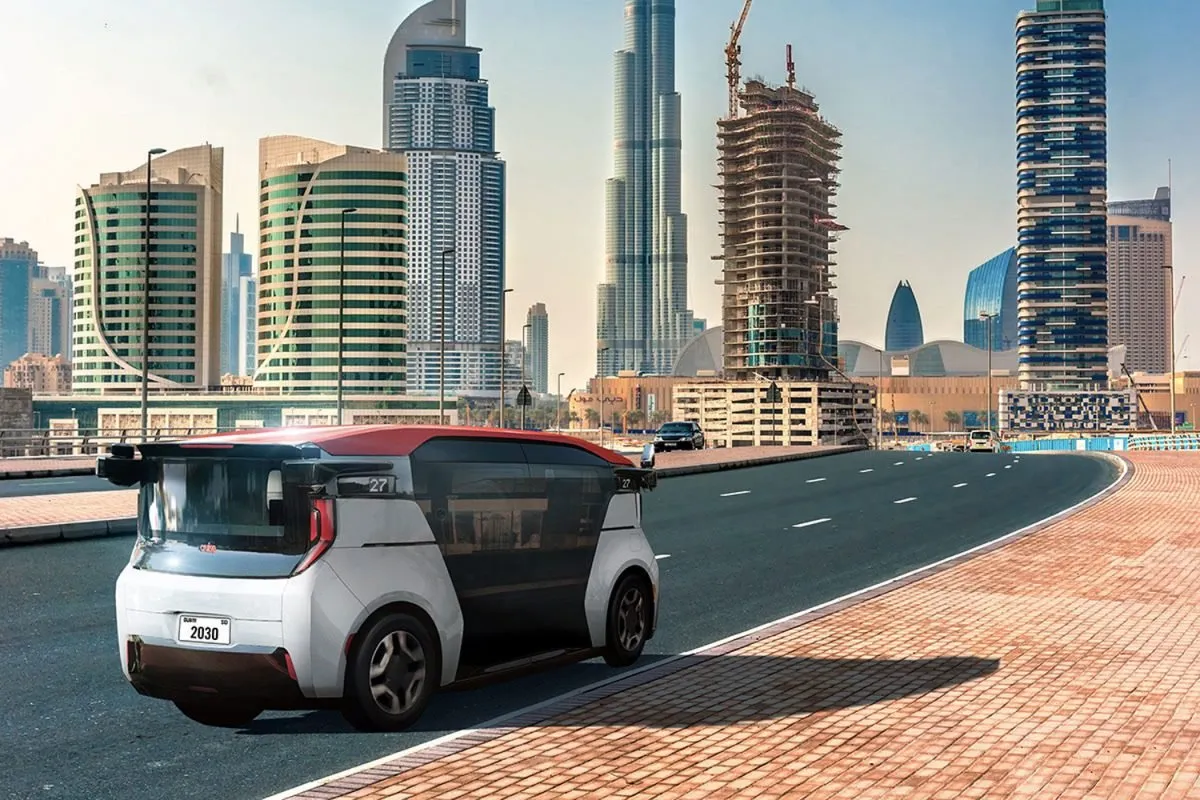
Dubai has long positioned itself as a global leader in futuristic innovation, and in 2026, it will officially join the ranks of cities deploying driverless cars on public roads. This groundbreaking initiative is not just about cutting-edge vehicles but a transformative approach to how cities function, commute, and evolve.
With the support of the Roads and Transport Authority (RTA), global tech firms like Cruise (a subsidiary of General Motors), and forward-thinking government policies, driverless cars are poised to become a regular sight on Dubai’s streets.
This comprehensive guide explores what Dubai’s leap into autonomous mobility means for residents, tourists, businesses, and urban planners alike. From the technology behind the cars to regulations, testing, and societal implications, here’s everything you need to know about driverless cars in 2026.
1️⃣ 🧠 The Technology Behind Driverless Cars
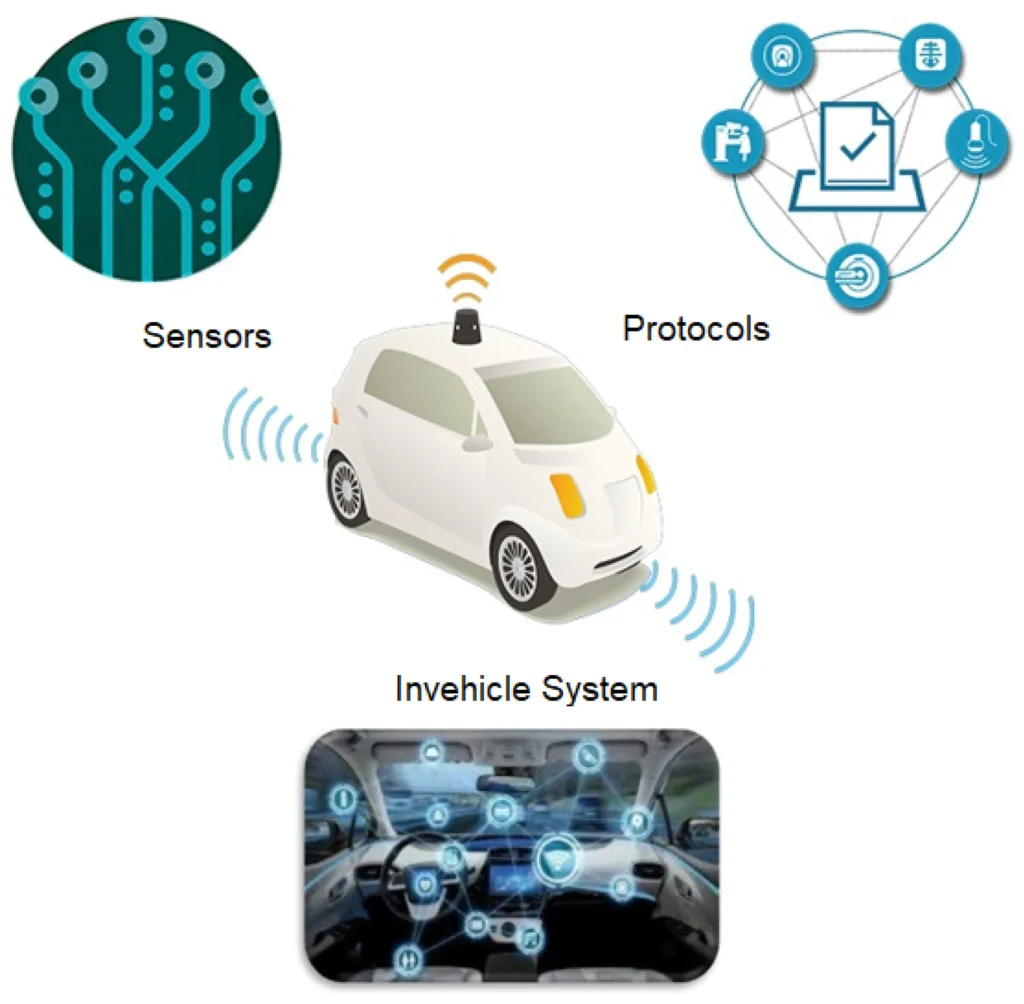
Driverless cars are powered by a combination of advanced technologies, including:
- Artificial Intelligence (AI) for real-time decision-making
- Lidar and radar systems for environmental scanning
- GPS and high-definition maps for precision navigation
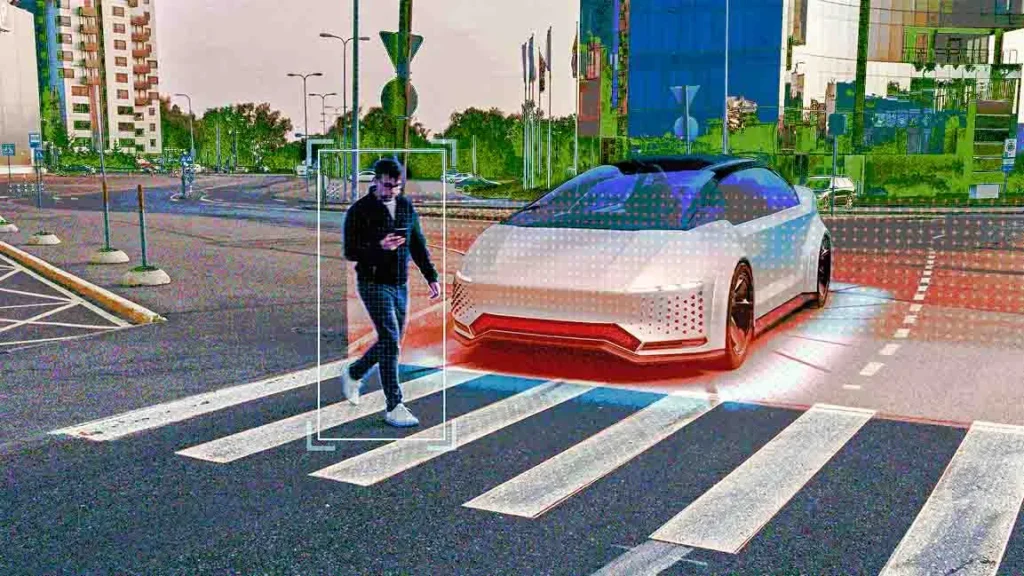
- Computer vision to detect pedestrians, vehicles, and road signs
These systems work together to create a 360-degree awareness, allowing driverless cars to operate without human intervention.
2️⃣ 🏙️ Dubai’s Autonomous Vehicle Vision
Dubai’s government aims for 25% of all transportation to be autonomous by 2030. In alignment with the Dubai Autonomous Transportation Strategy, the deployment of driverless cars is a step toward:
- Reducing transportation costs by AED 22 billion annually
- Increasing road safety and reducing traffic accidents by 12%
- Cutting environmental pollution by 45%
The initiative is part of a broader vision to make Dubai the smartest city in the world.
3️⃣ 🤝 Partnership with Cruise and General Motors
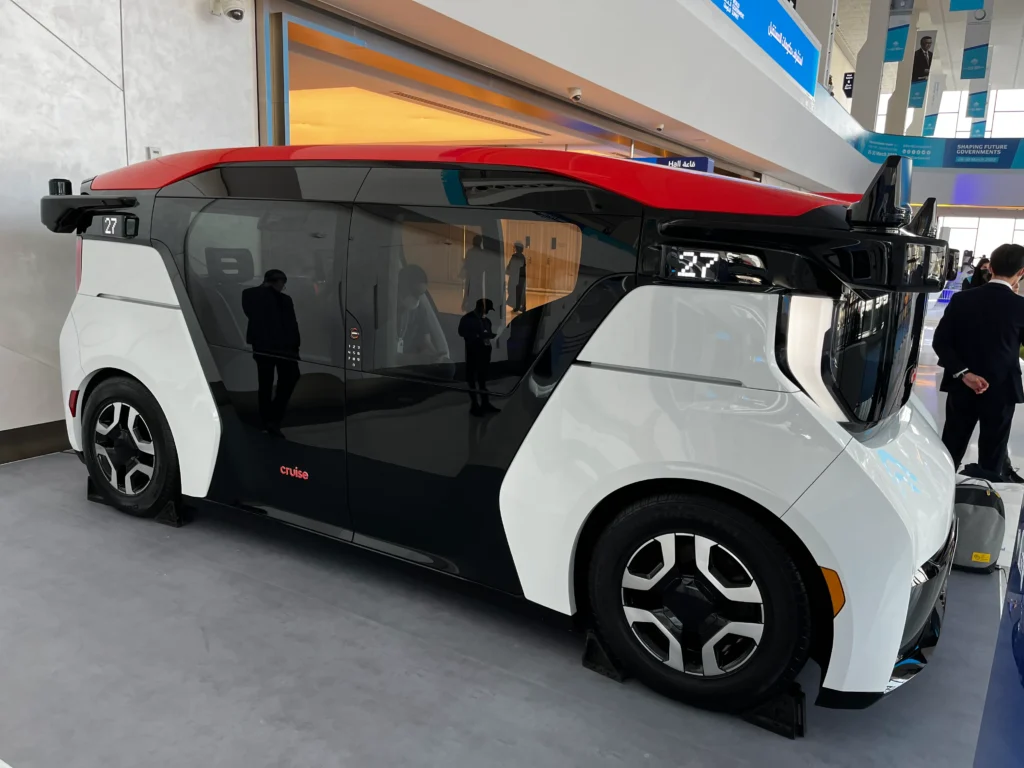
In 2021, Dubai signed a historic agreement with Cruise, an autonomous vehicle company backed by General Motors, to operate the first international fleet of driverless cars outside the US.
Key highlights of the partnership:
- Cruise Origin vehicles will debut in 2026
- Initial launch in select areas like Jumeirah and Downtown Dubai
- Full expansion planned across all districts by 2030
This move positions Dubai as the first city outside the U.S. to commercially deploy Cruise’s driverless cars.
4️⃣ 🚧 Infrastructure Upgrades for Driverless Integration
Preparing for driverless cars involves major infrastructure planning:
- Smart traffic lights integrated with vehicle systems
- Dedicated drop-off zones
- Upgraded road signage and digital mapping
- 5G network enhancements for real-time communication
Dubai’s urban infrastructure is being re-engineered to ensure a seamless transition into a driverless era.
5️⃣ 🧪 Testing & Pilot Programs
The RTA has already conducted extensive pilot tests for driverless cars:
- AI shuttles on Bluewaters Island and the Expo 2020 site
- Autonomous taxis in Dubai Silicon Oasis
- Robotaxis on private roads for trials
The focus of these tests is safety, navigation accuracy, and public perception.
6️⃣ 📋 Legal and Regulatory Framework
The safe rollout of driverless cars requires a solid regulatory foundation. Dubai is currently developing policies around:
- Liability and insurance in the event of an accident
- Certification for autonomous vehicles
- Data privacy and cybersecurity
- Rules for ride-hailing apps integrating autonomous options
The RTA collaborates with global regulatory bodies to ensure international best practices.
7️⃣ 🧑🤝🧑 Impact on Drivers and the Job Market
The rise of driverless cars will naturally affect traditional driving jobs. However, the transition is expected to be gradual, with opportunities for reskilling:
- New jobs in AI vehicle maintenance
- Supervisory roles for autonomous fleets
- Software engineers and safety analysts
The RTA plans to launch retraining programs to help taxi and delivery drivers adapt to the changing landscape.
8️⃣ 🌍 Environmental and Urban Benefits
Driverless cars promise a host of environmental and urban improvements:
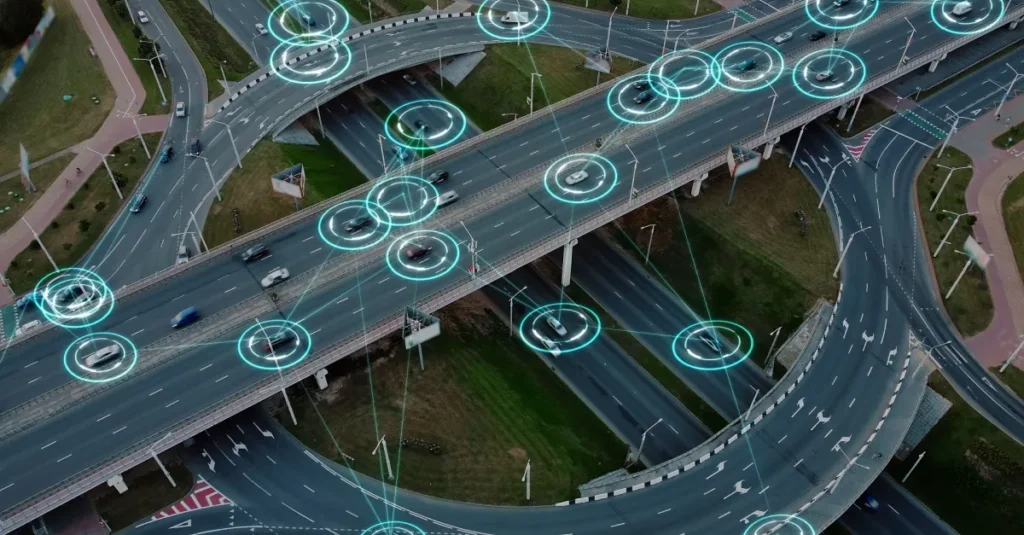
- Reduction in carbon emissions from optimized routes
- Less traffic congestion due to intelligent fleet coordination
- Lower fuel consumption and electric vehicle integration
Dubai expects these improvements to contribute significantly to its Clean Energy Strategy 2050.
9️⃣ 🛑 Public Concerns and Challenges
Despite the excitement, driverless cars face skepticism:
- Safety and accident prevention
- AI decision-making in ethical dilemmas
- Cybersecurity and hacking risks
Dubai’s approach includes public awareness campaigns and transparent testing data to address these concerns.
🔟 🧓 Accessibility and Inclusivity
Driverless cars will bring immense benefits to:
- The elderly who can’t drive
- People with disabilities
- Individuals without a driving license
Smart vehicle designs include voice command features, wheelchair ramps, and Braille-integrated dashboards.
1️⃣1️⃣ 🛒 Role in Smart City Ecosystem
As part of Dubai’s smart city vision, driverless cars will integrate with:
- Public transport via shared mobility models
- Smart parking and toll systems
- AI-driven logistics and delivery fleets
This ecosystem ensures end-to-end digital transport solutions across the city.
1️⃣2️⃣ 🚕 The Future of Ride-Hailing
By 2026, major ride-hailing apps like Careem and Uber are expected to integrate driverless cars into their platforms in Dubai.
Benefits include:
- Reduced ride costs
- On-demand 24/7 availability
- Contactless and safer journeys
RTA-approved booking apps will be the primary medium for accessing autonomous rides.
1️⃣3️⃣ 🧍♂️ Pedestrian and Cyclist Safety
Dubai is ensuring that driverless cars are designed to detect and respond to:
- Sudden pedestrian crossings
- Cyclists in bike lanes
- School zones and construction sites
Dedicated AI models are being trained on local conditions to enhance safety.
1️⃣4️⃣ 🧭 How Navigation Will Work
Driverless cars will use ultra-accurate GPS and 3D mapping. Features include:
- Lane-keeping accuracy to within 2 cm
- Real-time route adjustments based on traffic and roadworks
- Cloud-synced navigation updates for entire fleets
These systems ensure timely, efficient, and safe commutes.
1️⃣5️⃣ 🔮 Beyond 2026: What’s Next?
Dubai’s 2026 driverless cars initiative is just the beginning. Future phases include:
- Fully autonomous public buses
- AI-controlled logistics fleets for cargo
- Integration with drone delivery networks
The long-term vision is a city where human driving becomes the exception, not the norm.
🏁 Conclusion
Dubai is boldly stepping into the future, and the rollout of driverless cars in 2026 is a milestone moment. With cutting-edge technology, robust regulations, and visionary leadership, the emirate is poised to redefine what urban transportation looks like.
Driverless cars will offer residents and tourists safer, cleaner, and more convenient mobility options. As they become an everyday reality, they will touch every aspect of city life—from job markets to environmental goals.
While challenges like public trust and regulatory readiness remain, the path is clear: driverless cars are no longer a distant dream—they’re about to become an integral part of the UAE’s reality.
Dubai’s story is one of ambition, innovation, and execution. In 2026, when driverless cars begin cruising their boulevards, the world will be watching—and learning.
🌐 External Links
- Dubai Roads and Transport Authority (RTA)
- Cruise Autonomous Vehicles
- Smart Dubai Strategy
- Dubai Clean Energy Strategy 2050
Also Read: Travel for Less: Discover the Best Budget Airlines in the UAE (2025 Guide)

One thought on “Dubai’s Bold Leap into Driverless Cars: A Game-Changer Coming in 2026”