
1️⃣ Introduction: Why Drone deliveries are suddenly on every grocer’s roadmap
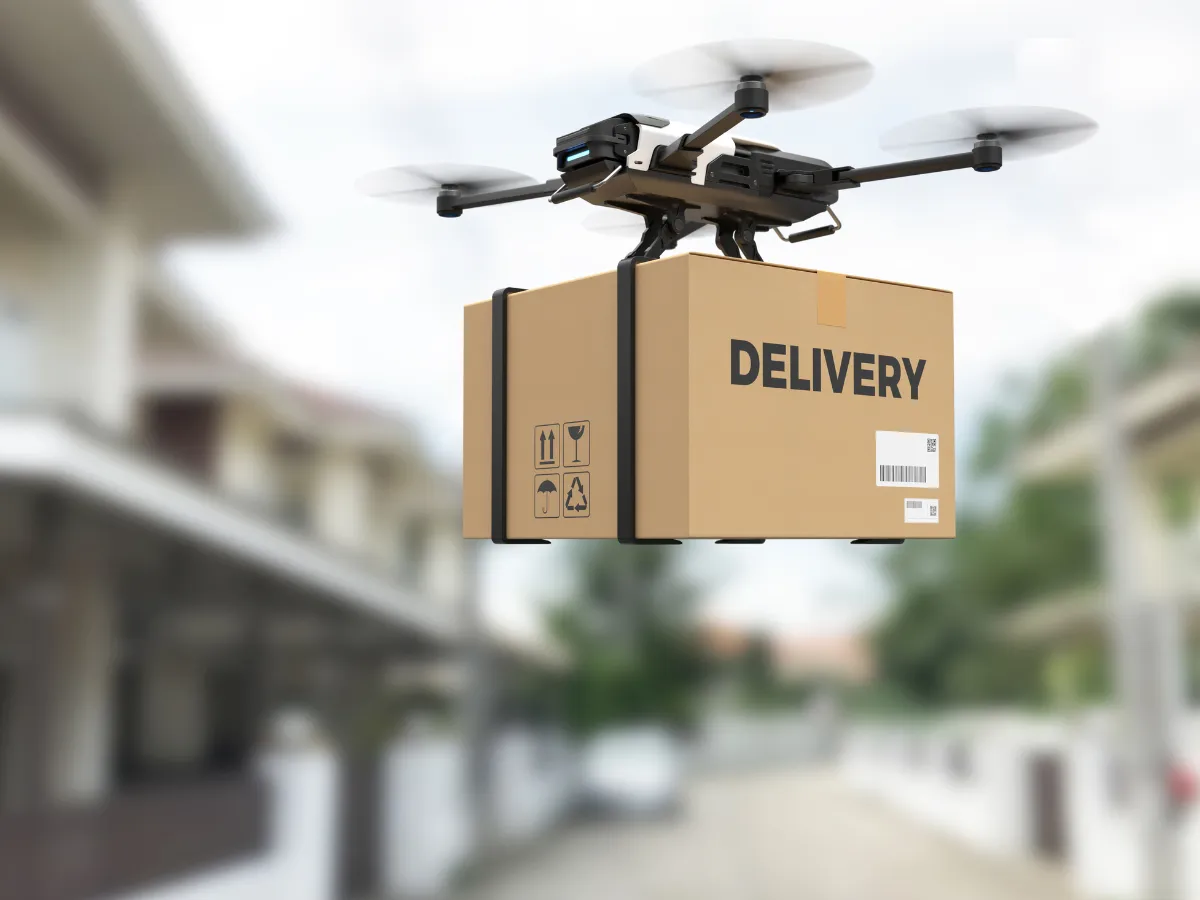
Drone deliveries are no longer a futuristic concept in the UAE—they’re becoming an integral part of retail innovation. In mid-2025, Abu Dhabi ran its first parcel delivery pilot by autonomous drone, marking a turning point for last-mile logistics. The UAE’s regulators are already mapping aerial corridors to integrate drones and air taxis into everyday urban life.
For supermarkets, this is a game-changer. Today’s customers demand speed, convenience, and sustainability, and Drone deliveries tick all these boxes. Faster than motorbikes, cleaner than vans, and cool enough to trend on social media, these aerial solutions are now on the radar of every major grocery retailer.
2️⃣ 📍 The 2025 Landscape: Pilots, Permissions, and Momentum for Drone deliveries
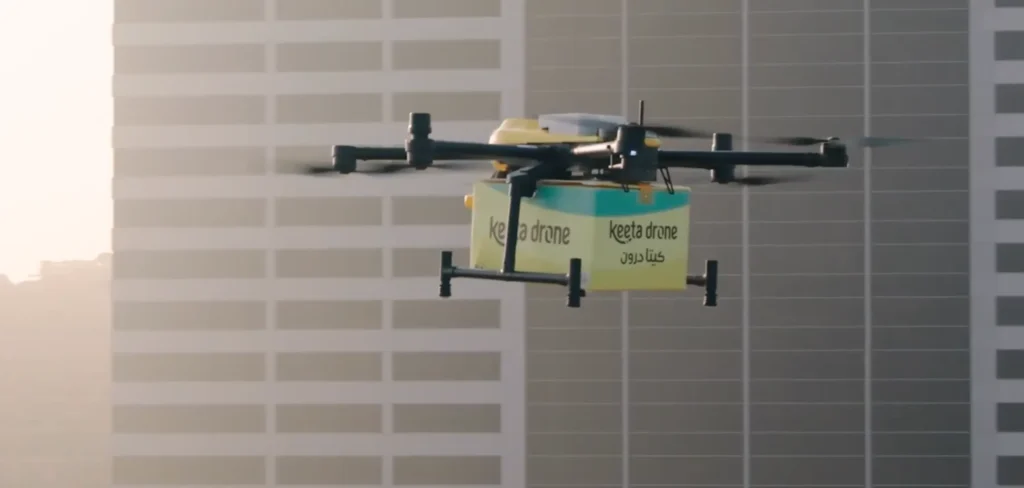
The UAE government has committed to becoming a global leader in advanced air mobility, and Drone deliveries form a key pillar of that vision. National aviation authorities have initiated air corridor mapping projects, expected to conclude within 20 months, ensuring that drones can operate safely above cities.
Dubai Civil Aviation Authority (DCAA) has rolled out its UAS regulatory framework, detailing operator roles, safety requirements, and integration with U-space systems. Abu Dhabi, on the other hand, is actively partnering with tech companies and logistics firms to test delivery drones for various use cases.
This regulatory clarity means that 2025 will be remembered as the year Drone deliveries moved from theory to tangible, scalable pilots.
3️⃣ 🛒 What Leading UAE Supermarkets Are Signaling About Drone deliveries
Industry signals suggest that top supermarket chains like LuLu Group, Carrefour, and Spinneys are exploring drone-based last-mile delivery models. According to recent reports, these retailers are assessing cost models, operational feasibility, and customer acceptance before committing to full-scale adoption.
For these chains, Drone deliveries represent both a logistics upgrade and a marketing advantage. Imagine offering customers an option to receive their essentials in under 15 minutes, delivered by a sleek drone hovering above their homes—it’s both practical and Instagram-worthy.
4️⃣ 🚁 How Drone deliveries Would Actually Work for Your Grocery Order
Picture this: You open your favorite supermarket app, add bread, milk, and eggs to your cart, and select the Drone deliveries option at checkout. The store staff loads your order into a secure box attached to a drone. The drone then takes off from a rooftop pad or a nearby micro-fulfillment hub.
Using GPS navigation, geofencing, and U-space traffic management, the drone travels along a pre-approved aerial corridor, avoiding restricted zones like airports and military bases. Once it reaches your location, it hovers safely and uses a winch-based mechanism to lower your groceries to a marked landing spot in your driveway or a designated community locker.
The entire process could take less than 10–15 minutes, redefining the meaning of “express delivery.”
5️⃣ 📈 Benefits and KPIs: Why Drone deliveries Can Win the Last Mile for Supermarkets
The benefits of Drone deliveries go beyond speed:
✅ Reduced Delivery Time – Current bike deliveries take 30–45 minutes; drones can cut this to 10–15 minutes.
✅ Lower Emissions – Electric drones produce zero tailpipe emissions, helping supermarkets meet sustainability targets.
✅ Cost Efficiency – With automation, one operator can manage multiple drones, reducing labor costs.
✅ Peak-Time Advantage – When roads are jammed during rush hour, Drone deliveries can maintain service levels.
✅ Brand Differentiation – Early adopters can market drone drops as a premium service, attracting tech-savvy customers.
KPIs like on-time percentage, noise level compliance, customer satisfaction scores, and cost per delivery will determine success.
6️⃣ 🧭 Constraints and Realities: Where Drone deliveries Won’t Start on Day One
Despite the buzz, Drone deliveries will face limitations:
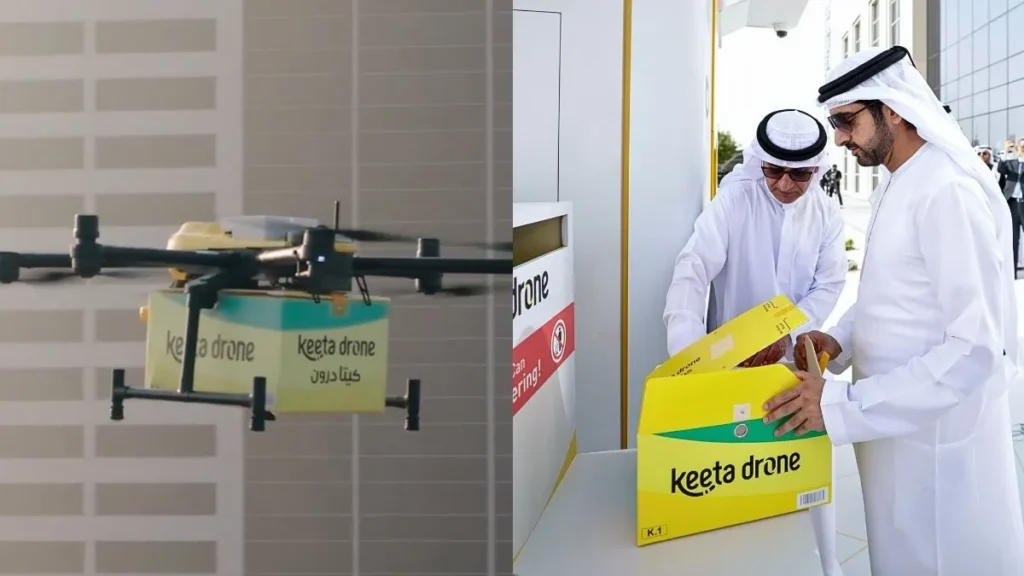
⚠️ Weight Restrictions – Most drones can carry 2–5 kg, ideal for small baskets but not weekly groceries.
⚠️ Weather Dependency – High winds, heavy rain, or dust storms can ground drones for safety reasons.
⚠️ Urban Obstacles – High-rise buildings complicate landing zones; early phases will target villas and low-rise neighborhoods.
⚠️ Regulatory Delays – Approvals for dense urban routes will take time.
⚠️ Cost Premiums – Initially, customers might pay a small surcharge for Drone deliveries, until volumes rise and costs drop.
Retailers will need fallback plans, such as automatically switching to bike delivery if weather conditions fail.
7️⃣ 🛡️ Safety, Privacy, and Compliance: What Makes Drone deliveries Acceptable to Regulators
The success of Drone deliveries hinges on public trust and safety compliance. Dubai’s 2025 drone regulations require:
✅ Operator Certification – Only trained and certified pilots can run fleets.
✅ Aircraft Registration – Every drone must be logged in national databases.
✅ U-space Integration – Real-time air traffic management ensures no mid-air collisions.
✅ Ground-Risk Mitigation – Drones use parachutes and emergency landing protocols to protect people and property.
✅ Data Privacy – Drones equipped with cameras must follow strict guidelines to avoid misuse of imagery.
Regulatory transparency and community engagement will help normalize Drone deliveries across the UAE.
8️⃣ 🧩 Tech Stack & Partnerships: What Supermarkets Should Line Up Now
To scale Drone deliveries, supermarkets need a robust tech ecosystem, including:
✔️ Autonomous Drones with advanced obstacle avoidance.
✔️ Order Integration so apps can process drone delivery requests.
✔️ AI-Powered Flight Control Systems for real-time route optimization.
✔️ Vertiports or Landing Pads at store rooftops or parking lots.
✔️ U-space APIs for compliance with national airspace regulations.
✔️ Battery Swap Stations for uninterrupted operations.
Partnerships with aerial tech firms, telecom operators (for 5G connectivity), and government agencies will be critical for success.
9️⃣ 💸 Business Model Math: When Do Drone deliveries Pay Off?
The economics of Drone deliveries depend on scale. Two primary models will emerge:
Premium Express Model – Customers pay extra for under-15-minute drops. Perfect for urgent purchases like baby food or medicine.
Operational Efficiency Model – Shifting small-basket orders from bikes to drones during peak hours reduces congestion and overtime costs.
Additional monetization streams could include sponsored deliveries, where FMCG brands pay for product sampling via drones—imagine getting a free energy drink delivered by air during a promotion!
🔟 🗺️ Roadmap to Rollout: A Phased Plan UAE Supermarkets Can Follow
✅ Phase 1 (Now): Regulatory readiness, staff training, and community awareness campaigns.
✅ Phase 2 (Next 6 Months): Launch sandbox pilots in low-rise communities with controlled air corridors.
✅ Phase 3 (12 Months): Expand to multiple stores; integrate drones with loyalty programs.
✅ Phase 4 (18–24 Months): Scale to new emirates; introduce AI-driven scheduling and extended service hours.
This roadmap aligns with Dubai’s air taxi launch plans for 2026, signaling a future where both people and products take to the skies
1️⃣1️⃣ FAQs About Drone Deliveries in the UAE
Q: What can I order?
Small grocery items, lightweight medicines, and packaged goods up to 5 kg.
Q: How safe is it?
Very safe—drones use backup systems and emergency protocols. Abu Dhabi’s 2025 pilot showed successful, secure deliveries.
Q: What if I live in an apartment?
Expect lobby drop points or rooftop lockers in future phases.
Q: Will drones work during sandstorms?
No. Weather will trigger auto-switching to regular delivery.
Q: Is it eco-friendly?
Yes—Drone deliveries reduce carbon emissions compared to vans.
1️⃣2️⃣ What This Means for Retailers, Cities, and Shoppers
For retailers, Drone deliveries aren’t just a service upgrade—they’re a strategic advantage in a hyper-competitive market. For cities they reduce congestion and emissions, supporting sustainable urban mobility goals. For shoppers, they mean instant gratification and convenience at a scale never seen before in grocery retail.
The UAE’s push toward advanced air mobility demonstrates its ambition to stay at the forefront of smart city innovation, and drone deliveries at supermarkets are a key step in that journey.
✅ Conclusion: Drone deliveries Are Coming to Your Grocery Aisle—Sooner Than You Think
With regulatory frameworks, tech infrastructure, and successful pilot projects, Drone deliveries are no longer just an idea—they are on the brink of reality. As early adopters roll out controlled trials, the UAE could become the first country in the region to make drone-powered grocery delivery a mainstream option.
Retailers that act now will be positioned as pioneers when groceries start arriving from the sky.
🔗 External Links & Further Reading
- Dubai Civil Aviation Authority – UAS Regulations 2025
- GCAA Drone Delivery Initiatives in the UAE
- Abu Dhabi Smart Mobility and Drone Pilot Programs
- Global Drone Delivery Market Insights – PwC
Also Read: Dubai Art Festivals 2025/26 — Discover an Inspiring Season of Creativity