
🏙 1. Introduction
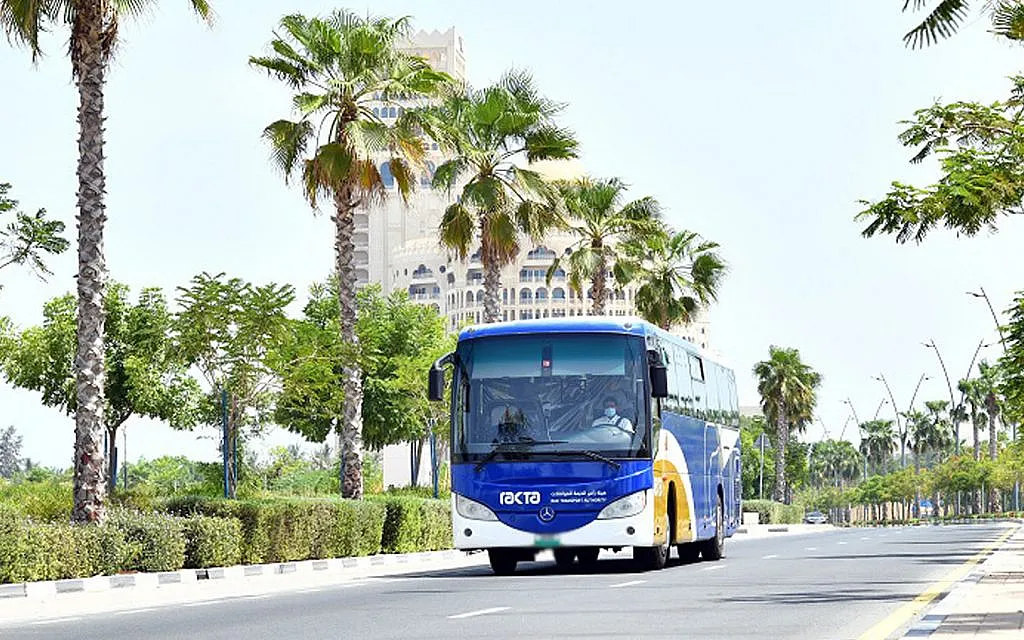
As the UAE continues to evolve into one of the most connected nations in the world, inter-emirate bus services have become a vital component of its sustainable transportation network. These bus routes efficiently connect major cities like Dubai, Abu Dhabi, Sharjah, Ajman, Ras Al Khaimah, Fujairah, and Al Ain, allowing residents, workers, and tourists to travel affordably and comfortably without relying on private cars.
In 2025, the UAE’s public transport ecosystem is more advanced than ever. Authorities have invested heavily in smart mobility, expanding inter-emirate bus services with better frequencies, cleaner buses, digital ticketing systems, and integrated routes that align with metro, tram, and marine transport networks. For millions of daily commuters, these services are not only cost-effective but also reflect the UAE’s commitment to sustainability and convenience.
🚏 2. What Are Inter-Emirate Bus Services and Why They Matter
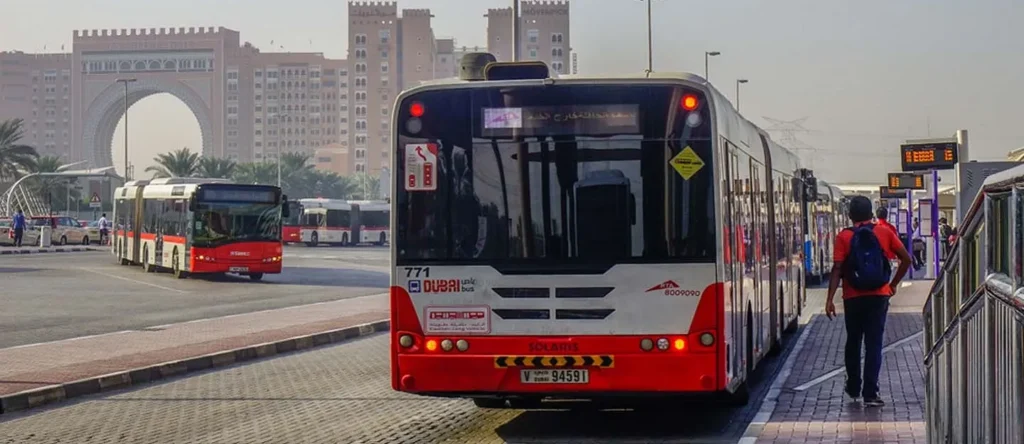
Inter-emirate bus services are public transportation routes that connect one emirate to another, ensuring that travelers can move easily between major population and business centers. These services are the backbone of the UAE’s intercity connectivity, linking the economic hubs, educational zones, and tourism destinations.
Each emirate has its own transport authority — such as Dubai’s RTA, Abu Dhabi’s AdMobility (formerly ITC), Sharjah Roads & Transport Authority (SRTA), Ajman Transport Authority, and Ras Al Khaimah Transport Authority (RAKTA). Together, they collaborate to maintain a network of inter-emirate bus services that operate daily across the country.
These buses not only support local mobility but also encourage sustainable travel. Instead of thousands of cars clogging highways, buses can carry hundreds of passengers per trip, significantly reducing congestion and carbon emissions. For those who commute daily between emirates for work or study, inter-emirate bus services offer a safe, dependable, and affordable lifeline.
🛣 3. Major Routes and Connectivity in 2025
The inter-emirate bus services cover almost every major route across the seven emirates. Below is an overview of key intercity routes operating in 2025:
🅰 3.1 Dubai – Abu Dhabi
This is one of the most heavily traveled corridors. Routes E100, E101, and E102 connect major terminals such as Ibn Battuta Bus Station in Dubai to Abu Dhabi’s Central Bus Station and Mussafah areas. Travel times typically range between 1.5 to 2 hours, depending on traffic.
🅱 3.2 Dubai – Sharjah / Ajman
The Dubai–Sharjah–Ajman corridor is among the busiest for inter-emirate bus services, connecting business districts, residential hubs, and educational centers. Popular routes like E303, E307, and E400 provide continuous services throughout the day, often every 15–20 minutes during peak hours.
🅲 3.3 Dubai – Al Ain
Route E201 connects Dubai’s Al Ghubaiba Bus Station to Al Ain Central Bus Station, offering an affordable option for travelers commuting to the “Garden City.”
🅳 3.4 Abu Dhabi – Sharjah / Ajman
Abu Dhabi’s AdMobility operates intercity routes 117 and 118 linking to Sharjah and Ajman, providing passengers with direct connections without needing to transfer in Dubai.
🅴 3.5 Northern Emirates Connectivity
For travelers heading north, inter-emirate bus services extend to Fujairah via Route E700 and to Ras Al Khaimah via routes managed by RAKTA. These routes make it simple for tourists to explore the scenic East Coast or northern mountains.
Together, these lines form a network that ensures smooth mobility between all major UAE regions, giving commuters flexibility and consistent accessibility throughout the week.
💳 4. Fares, Passes, and Payment Options
One of the key reasons people prefer inter-emirate bus services is affordability. Fares are structured to remain budget-friendly while offering modern conveniences. A typical journey between Dubai and Abu Dhabi costs around AED 25, while Dubai–Sharjah or Dubai–Ajman trips can range between AED 10–15.
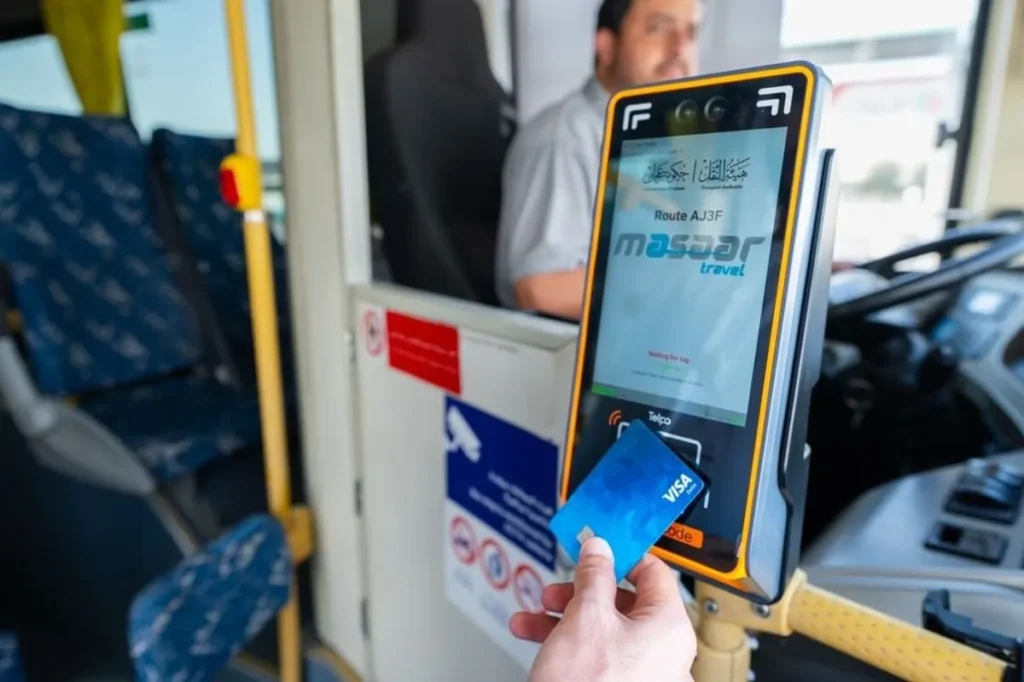
Passengers can pay using smart cards like the Nol Card in Dubai or the Hafilat Card in Abu Dhabi, making travel seamless. These cards can be recharged online or at ticket counters. Monthly and weekly passes are also available for frequent riders, allowing unlimited rides within specified durations.
Digital ticketing and mobile apps are transforming the passenger experience in 2025, making it easier to plan routes, check real-time bus arrivals, and pay cash-free. For those without cards, traditional paper tickets remain an option at all major bus terminals.
🕐 5. Frequency, Timings, and Operations
The reliability of inter-emirate bus services is one of their strongest qualities. Most routes run daily from early morning until late night, catering to office workers, tourists, and shift employees. For example, Dubai’s E101 bus to Abu Dhabi operates approximately every 30 minutes, while Dubai–Sharjah buses run as frequently as every 10–15 minutes during peak hours.
During holidays or special events, authorities often increase bus frequency or introduce temporary express lines. Travelers can view updated schedules through official mobile apps or station displays. Buses are punctual, with real-time GPS tracking and automated announcements, making travel both predictable and safe.
🚍 6. Comfort, Accessibility, and Passenger Experience
The modernization of inter-emirate bus services has transformed the way passengers travel. The buses are air-conditioned, equipped with comfortable seating, USB charging ports, and dedicated luggage compartments. Many of them feature Wi-Fi connectivity and CCTV systems for added security.
Accessibility is another key focus. Bus stations are wheelchair-friendly, and special seating is reserved for people of determination, senior citizens, and women with children. The UAE government ensures all inter-emirate bus services meet international safety and accessibility standards.
Waiting areas in major terminals such as Al Jubail (Sharjah), Ibn Battuta (Dubai), and Al Ain Central are spacious, well-lit, and equipped with digital boards, restrooms, prayer areas, and food outlets. The comfort of passengers is a clear priority — an aspect that continues to improve each year.
🌱 7. Modern Upgrades and Sustainable Mobility
The UAE’s transport vision for 2030 emphasizes sustainability, and inter-emirate bus services are at the heart of this transformation. New fleets of hybrid and electric buses are being introduced to reduce emissions, particularly on long routes such as Dubai–Abu Dhabi and Sharjah–Al Ain.
Authorities are also experimenting with smart bus stops — air-conditioned waiting pods that provide route information, seat availability, and estimated arrival times in real-time. Digital ticket vending machines and contactless top-up kiosks are common at all major bus terminals.
Another major advancement in 2025 is the implementation of free Wi-Fi across bus stations and onboard select routes, encouraging productivity and leisure for passengers during travel. These upgrades showcase the UAE’s commitment to making inter-emirate bus services not just functional, but truly world-class.
📈 8. Economic, Social, and Environmental Impact
The benefits of inter-emirate bus services go far beyond convenience. Economically, they make commuting affordable for thousands of workers who travel daily between emirates, supporting workforce mobility and business growth.
Socially, these buses bring people from different emirates together, fostering inclusivity and accessibility. For students attending universities in other emirates or families visiting relatives, inter-emirate bus services provide a reliable bridge between regions.
Environmentally, the system contributes to the UAE’s climate goals. Each full bus can replace dozens of cars, significantly reducing greenhouse gas emissions, noise pollution, and fuel consumption. The emphasis on green buses and eco-friendly infrastructure makes this public transport model a symbol of sustainable development.
⚙️ 9. Challenges and Future Prospects
Despite significant success, inter-emirate bus services face challenges such as peak-hour congestion, limited rural connectivity, and fare integration between different emirates’ systems. However, ongoing projects aim to resolve these issues through unified ticketing and better coordination among transport authorities.
Looking ahead, the next phase of development will likely include more express and nonstop bus lines, improved schedules, AI-based route optimization, and seamless transfers between bus, metro, and marine transport systems. Electric and hydrogen-powered intercity buses are also being tested, setting the stage for an even greener future.
With continued government investment and smart urban planning, inter-emirate bus services are expected to become the primary mode of intercity transport for millions of UAE residents by 2030.
🧭 10. Tips for Traveling Across Emirates
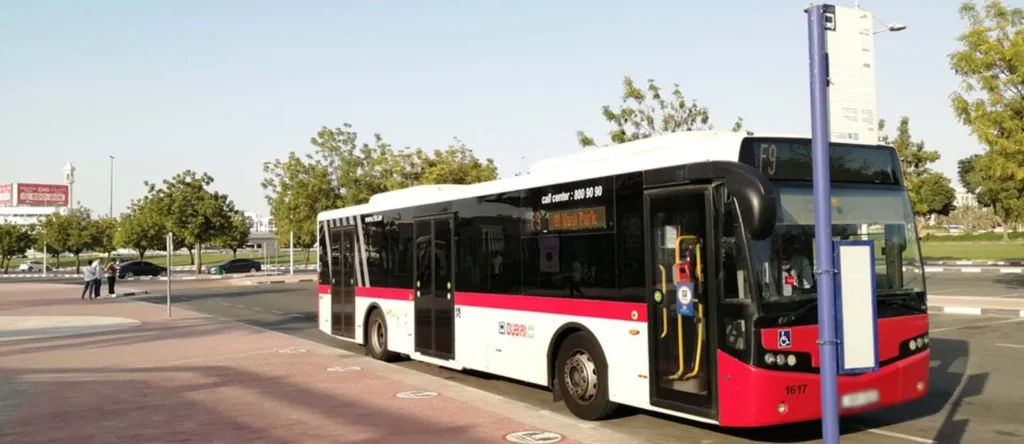
- Plan early: Always check updated schedules before heading to the station.
- Use smart cards: Load sufficient balance on your Nol or Hafilat card to avoid queues.
- Arrive early: Some popular routes fill up quickly during rush hours.
- Prefer express services: If time matters, choose nonstop buses between major terminals.
- Stay hydrated: Carry water during long rides, especially on routes exceeding two hours.
- Leverage Wi-Fi and apps: Use official transport apps for tracking and updates.
- Respect seating etiquette: Women-only sections and priority seats are strictly enforced.
- Explore new routes: Keep an eye on upcoming lines being launched across Emirates in 2025.
🏁 Conclusion
In 2025, inter-emirate bus services in the UAE have reached new heights of efficiency, comfort, and sustainability. They connect every corner of the country — from Dubai’s modern skyline to Al Ain’s tranquil gardens and Fujairah’s scenic coastlines — ensuring smooth travel for everyone.
With continuous technological innovation, greener fleets, and an integrated mobility vision, inter-emirate bus services will continue to drive the UAE’s smart transport future. Whether you’re a daily commuter, a student, or a visitor exploring the Emirates, these buses represent the perfect balance between affordability, safety, and modern convenience.
🔗 References & Further Reading
- Abu Dhabi Mobility – Inter-Emirates Services
- UAE Public Transport – Government Portal
- RTA Dubai – Intercity Bus Services
- Khaleej Times – UAE Inter-Emirate Bus Guide
- RAKTA – Public Transport Services
- Ministry of Economy and Tourism – Public Buses in UAE
- Times of India – New Dubai-Abu Dhabi Bus Route 2025
- Times of India – Sharjah Low-Emission Buses 2025
- Times of India – Free Wi-Fi at Dubai Bus Stations
Also Read: Boo Boo Laand in Dubai: A Magical Indoor Wonderland for Kids in 2025