

🌾 Introduction: The Rise of Agriculture in the UAE
Agriculture in the UAE might seem improbable at first glance. With vast deserts, limited freshwater, and scorching summer temperatures, it appears that farming would be a distant dream. However, agriculture in the UAE is a story of resilience, innovation, and adaptation. Over the past few decades, the UAE has taken monumental steps to ensure food security, promote sustainable farming, and invest in agri-tech solutions that defy environmental limitations.
As a country with more than 80% desert landscape and high salinity in water sources, the journey of agriculture in the UAE is not only impressive but also inspiring. Government initiatives, partnerships with agri-tech startups, and the traditional perseverance of local farmers have all played a role in transforming the agricultural landscape.
This article will delve into the fascinating world of agriculture in the UAE: what is grown, the technological methods used to tackle heat and aridity, and what the future holds for farming in one of the world’s driest regions.
✨ 1. Historical Background of Agriculture in the UAE
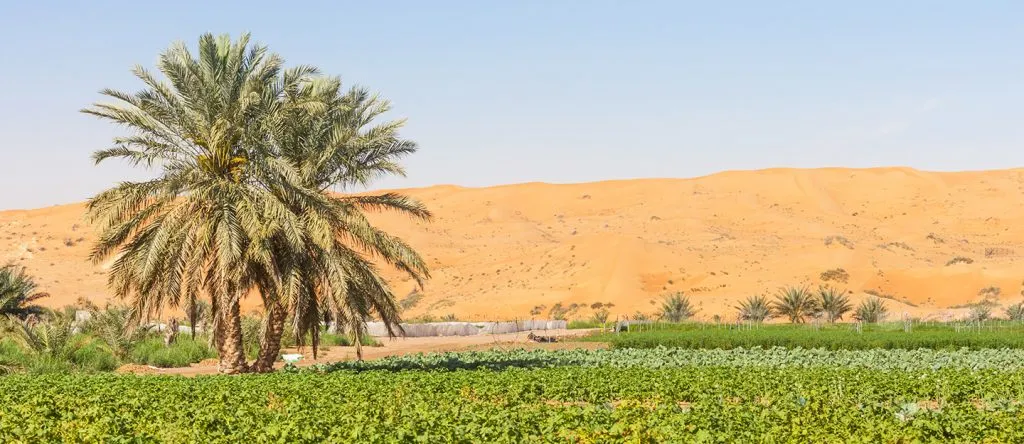
Before the UAE’s formation in 1971, agriculture was practiced on a limited scale. Traditional farming relied on oases like Al Ain, where groundwater was available for date palm cultivation and basic crop farming. Agriculture in the UAE was rudimentary and seasonal, relying heavily on natural water sources and manual labor.
With the formation of the UAE, significant investments were made in the agricultural sector. Wells were drilled, irrigation systems were developed, and research centers were established. Agriculture in the UAE evolved from subsistence to a sector capable of contributing to national food security.
🌳 2. What Is Grown in the UAE?
Despite harsh conditions, the UAE grows a wide variety of crops and livestock. The country’s efforts to diversify its agricultural output have led to the cultivation of many fruits, vegetables, and herbs.
Commonly Grown Crops:
- Dates: A staple and cultural symbol; the UAE is among the top 10 global producers.
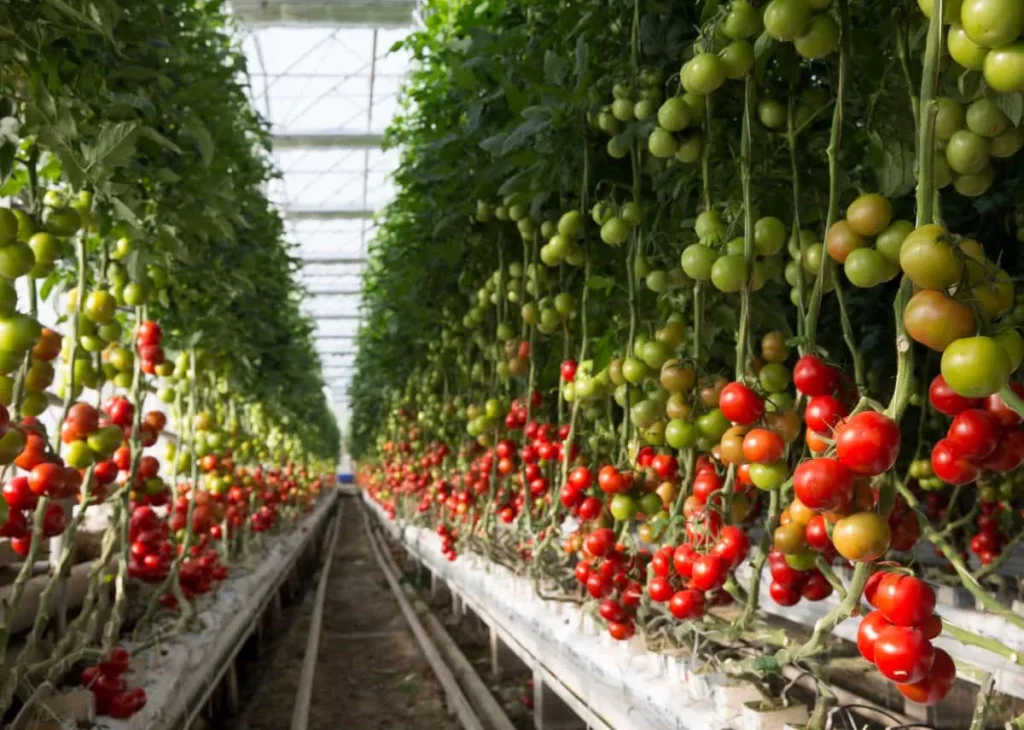
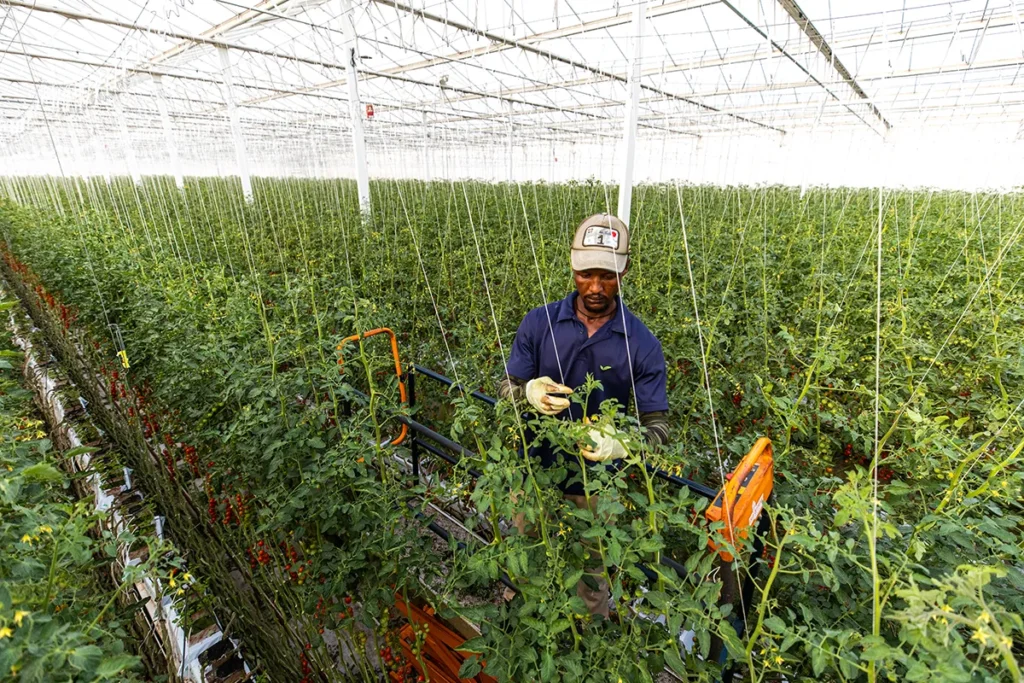
- Tomatoes: Grown in greenhouses across the emirates.
- Cucumbers and peppers: Thrive in controlled environments.
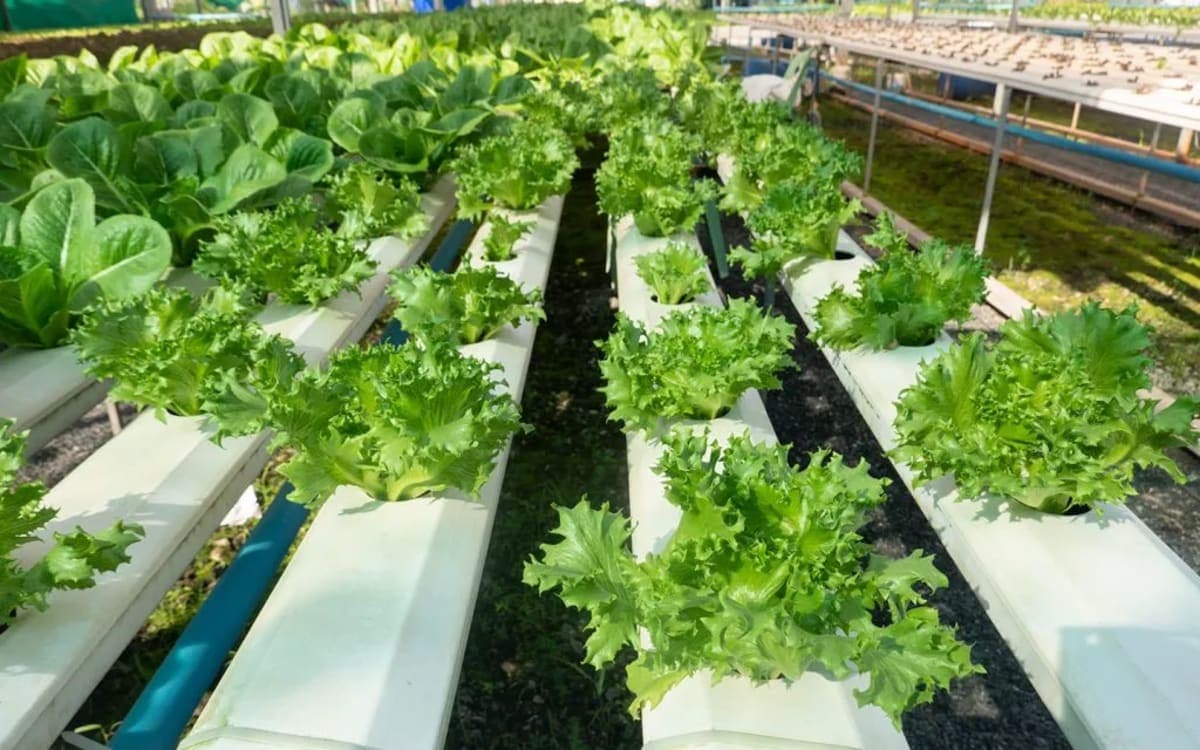
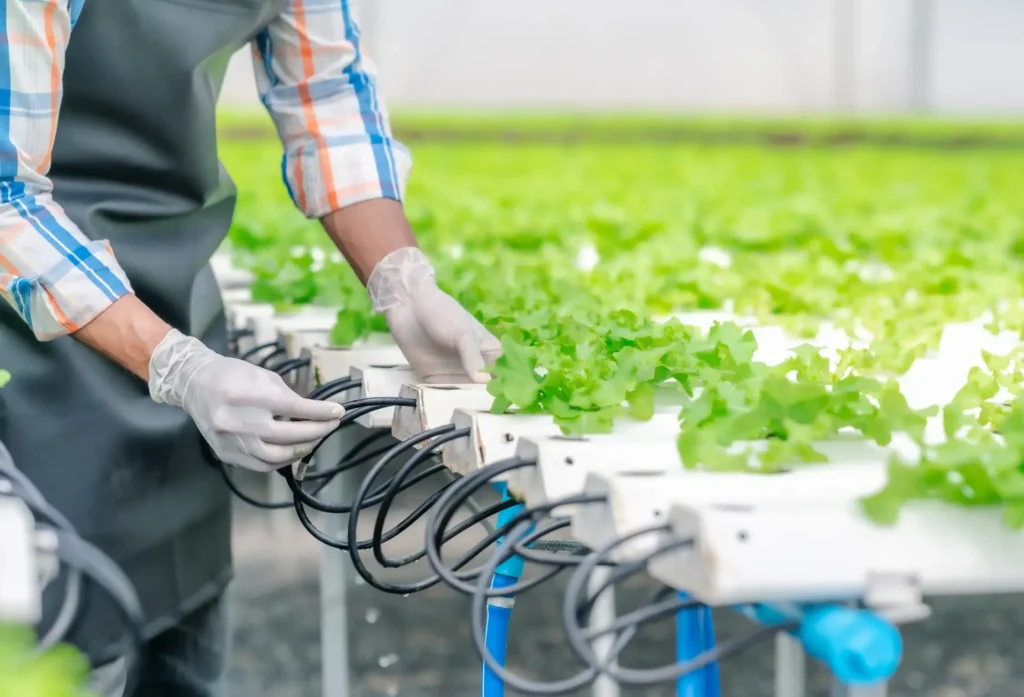
- Leafy greens: Lettuce, kale, and spinach are grown using hydroponics.
- Eggplant and zucchini: Popular in both traditional and modern dishes.
- Melons and watermelons: Grown during cooler months.
Livestock and Poultry:
- Chickens for meat and egg production.
- Goats and sheep, particularly common in rural and mountainous areas.
- Camels, primarily for milk production.
Agriculture in the UAE is gradually moving toward higher-value crops that require less water but offer better nutritional and economic returns.
🔬 3. Tackling the Heat: Smart Farming Technologies
The biggest challenge for agriculture in the UAE is the extreme climate. Summers can exceed 50°C, and rainfall is scarce. Here’s how the UAE is using technology to overcome nature:
Hydroponics:
A soil-less farming technique that uses mineral-rich water solutions to grow crops in controlled environments. Hydroponics saves up to 90% more water than traditional farming and is ideal for growing leafy greens and herbs.
Vertical Farming:
Urban vertical farms are becoming popular in Dubai and Abu Dhabi. These farms use stacked layers, LED lighting, and climate control to grow food indoors year-round.
Greenhouse Farming:
Many farms now use greenhouses with automated temperature, humidity, and irrigation controls to create optimal growing conditions regardless of external weather.
Drip Irrigation:
This method delivers water directly to plant roots through a network of tubes, saving significant water and ensuring efficient nutrient delivery.
🌍 4. Government Support and Initiatives
The government plays a crucial role in supporting agriculture in the UAE. Several programs and initiatives aim to encourage innovation, sustainability, and local food production.
Key Government Programs:
- Food Security Strategy 2051: Aims to make the UAE self-sufficient in food production.
- AgTech Parks: Designed to incubate agri-tech startups and research facilities.
- Subsidies and grants: Offered to local farmers for greenhouse setups and water-efficient systems.
- Land allocation: Designated areas for organic and hydroponic farming.
Agriculture in the UAE benefits greatly from such robust government backing, helping reduce import dependency and boost local output.
🤝 5. Public-Private Partnerships and Innovation
Private companies are investing in agriculture in the UAE like never before, and partnerships between the public sector and private agribusinesses are fueling innovation.
Notable Examples:
- Pure Harvest Smart Farms: A tech-enabled farm growing tomatoes and strawberries using AI and climate control.
- Badia Farms: It specializes in vertical farming and supplies hotels and restaurants.
- Emirates Bio Farm: The largest organic farm in the UAE, promoting agro-tourism.
Such collaborations accelerate the growth of agriculture in the UAE by merging technology, funding, and global expertise.
🌱 6. Organic and Sustainable Farming Practices
Sustainability is a core focus for agriculture in the UAE. Organic farming is growing in popularity as awareness about health and environmental impact increases.
Key Features of Sustainable Farming in the UAE:
- No chemical pesticides or fertilizers
- Composting and crop rotation
- Integrated pest management
- Use of renewable energy sources in farms
Certified organic farms now exist in all emirates, offering produce directly through farmers’ markets, subscription boxes, and online platforms.
📈 7. Challenges Faced by Agriculture in the UAE
Despite the progress, agriculture in the UAE faces several challenges:
- Limited arable land: Only about 1% of the UAE’s total land area is arable.
- Water scarcity: Agriculture consumes over 70% of the UAE’s water.
- Climate change: Increases unpredictability in growing seasons.
- High production costs: Due to technology and labor expenses.
However, ongoing investments and policy support are helping to mitigate these issues.
🌎 8. The Role of Research and Education
Education and research are essential to the growth of agriculture in the UAE. Universities and research institutes are at the forefront of developing climate-resilient farming solutions.
Leading Institutions:
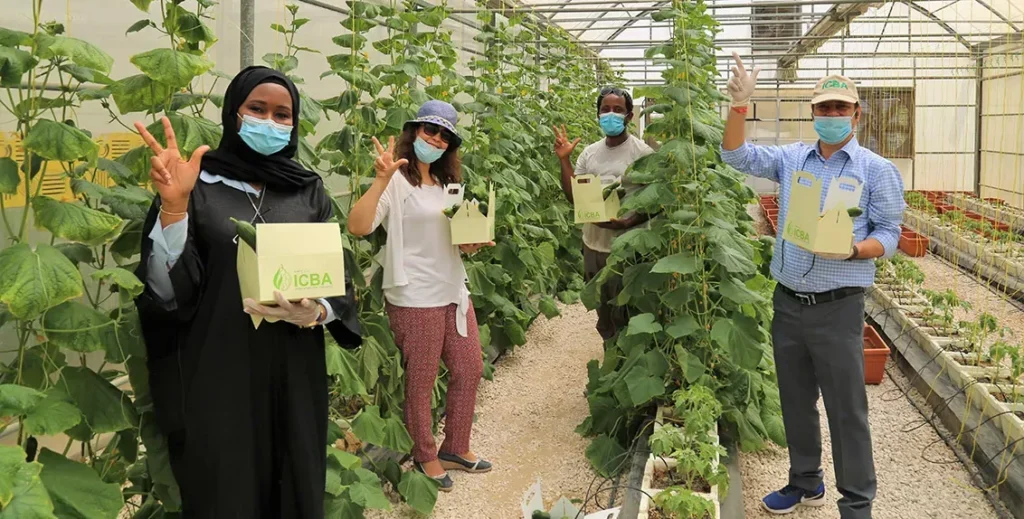
- International Center for Biosaline Agriculture (ICBA)
- UAE University’s Faculty of Agriculture
- Khalifa University’s AgTech Innovation programs
They study crop genetics, soil salinity, water-efficient systems, and pest control strategies suited to UAE conditions.
🌿 9. Urban Agriculture and Community Farming
Cities in the UAE are now adopting urban agriculture to bring food production closer to residents. Rooftop gardens, community farms, and indoor vegetable growing kits are becoming mainstream.
Benefits of Urban Agriculture:
- Reduces the carbon footprint from food transport.
- Encourages community engagement.
- Provides educational opportunities for children and adults.
Urban farming represents the future of agriculture in the UAE, making food more accessible and sustainable.
🌟 10. The Future of Agriculture in the UAE
The future of agriculture in the UAE is bright and tech-driven. As the nation moves toward self-reliance in food production, innovations like AI, drones, and IoT devices will continue to shape farming practices.
Future Trends:
- AI-powered crop monitoring
- Drones for irrigation and pest control
- Genetically modified crops for desert resilience
- Blockchain for food traceability
With continued investment, smart policies, and public awareness, agriculture in the UAE is set to thrive even further.
🌾 Conclusion: Cultivating the Impossible
Agriculture in the UAE has come a long way from its humble beginnings. Through relentless innovation, strategic investments, and unwavering commitment to sustainability, the country has turned barren deserts into fertile grounds. By integrating advanced technologies and forming global partnerships, the UAE has emerged as a leader in desert agriculture and food security.
From hydroponic greens and organic dates to AI-powered greenhouses, agriculture in the UAE is a testament to what’s possible when vision meets action. As challenges like climate change and water scarcity persist, the UAE’s agricultural sector stands strong, showing the world how resilience and ingenuity can cultivate the seemingly impossible.
Whether you’re a policymaker, a tech entrepreneur, or simply an intrigued reader, the story of agriculture in the UAE offers inspiration, innovation, and hope for a more food-secure world.
External Links:
Also Read: Complete Guide to Vegetation in the UAE 2025: Flora, Trees, and Sustainable Practices