

📘 Introduction
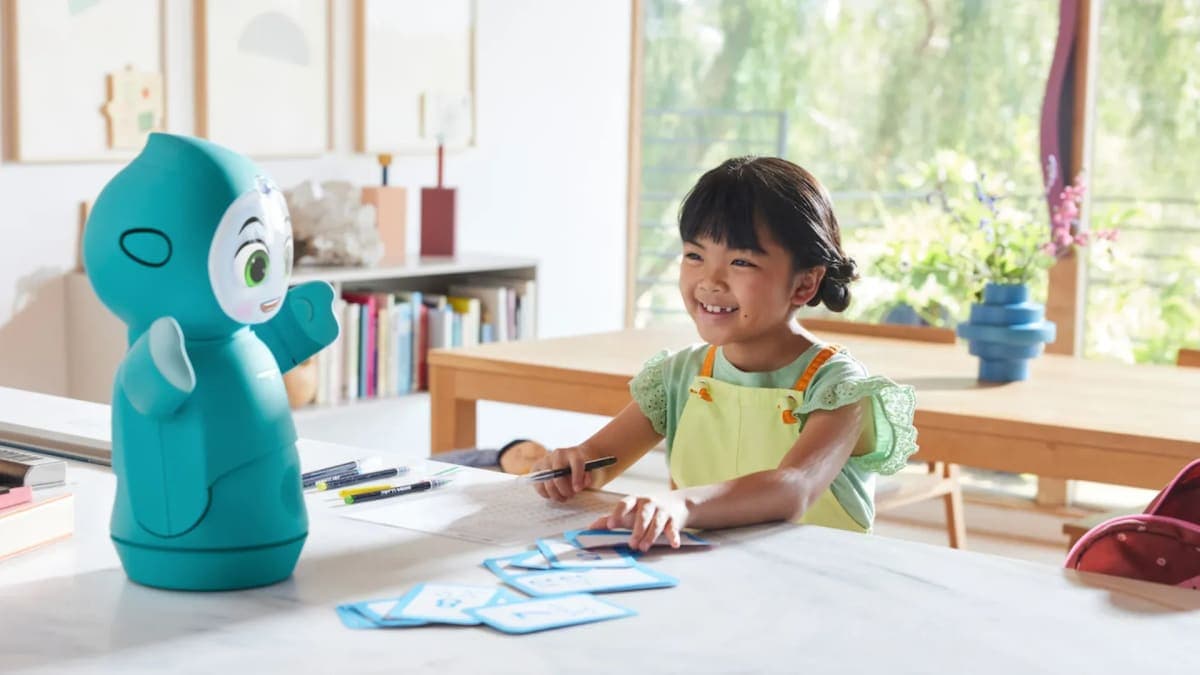
From playrooms to classrooms, AI Toys and Learning Robots are quickly becoming part of a child’s everyday environment. With their ability to interact, teach, and adapt to each child’s learning style, these smart toys promise a revolution in how children play and learn.
But are they genuinely worth it?
In 2025, the market for AI Toys and Learning Robots is booming, with hundreds of options available—from emotion-sensing teddy bears to coding bots and multilingual companions. Parents are asking: Do these toys offer real educational benefits, or are they just another screen with a voice?
This article explores what AI Toys and Learning Robots are, how they function, their benefits and drawbacks, and whether they’re truly a wise investment in a child’s development.
1️⃣ 🧠 What Are AI Toys and Learning Robots?
AI Toys and Learning Robots are interactive toys that use artificial intelligence to adapt and respond to children. These toys are designed to teach languages, STEM concepts, emotional intelligence, and more.
Common Features Include:
- Voice recognition and conversation
- Adaptive learning algorithms
- Emotional response detection
- Interactive games and stories
- Sensor-based responses to touch, sound, or movement
Examples include:
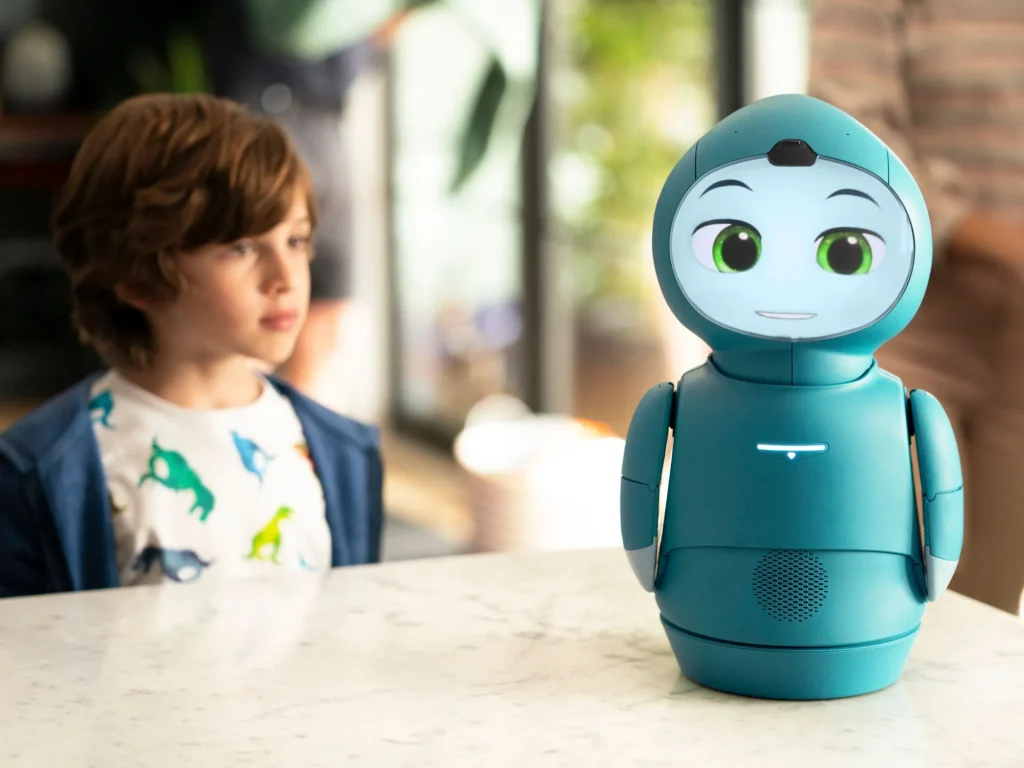
- Miko 4: An AI-powered robot that chats, tells jokes, and teaches.
- Codi Robot: A plush AI speaker that tells stories and plays songs.
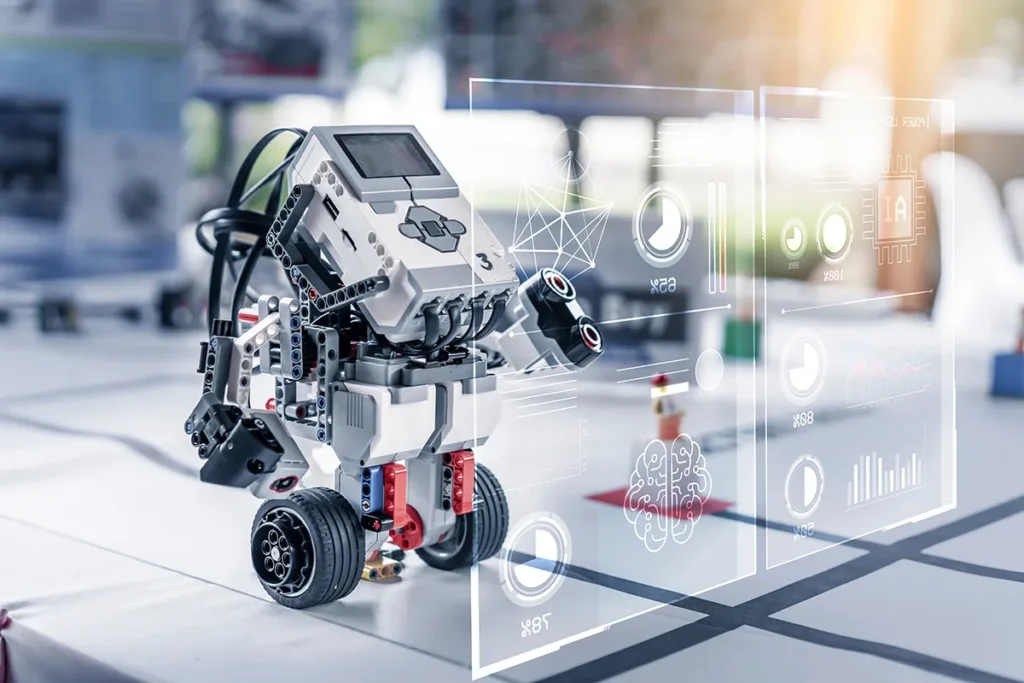
- Lego Mindstorms: Encourages coding and robotics through hands-on play.
2️⃣ 📈 The Rise of AI in Kids’ Education
The adoption of AI Toys and Learning Robots is part of a larger trend of AI in early childhood education. According to a 2025 report by the EdTech Institute:
- 68% of parents believe AI-based toys enhance learning.
- 51% of teachers use learning robots in classrooms.
- Sales of AI Toys and Learning Robots have doubled since 2022.
Why the Surge?
- Personalized education
- Pandemic-induced remote learning
- Increased tech literacy among parents and children
3️⃣ 📚 Educational Benefits of AI Toys
Here are ways in which AI Toys and Learning Robots positively influence child development:
Cognitive Development
- Teaches logic and reasoning through games
- Enhances memory and problem-solving
Language Skills
- Multilingual communication capabilities
- Vocabulary building through interactive storytelling
STEM Learning
- Introduces basic coding, robotics, and engineering concepts
- Encourages experimentation and discovery
Emotional Intelligence
- Some robots can detect mood and adapt tone
- Teaches empathy and social behavior
4️⃣ 🏠 Popular AI Toys and Learning Robots in 2025
Below are some of the most sought-after AI Toys and Learning Robots in the market this year:
- Miko 4: Offers AI-powered learning and real-time emotional interaction
- Sphero BOLT: A coding robot perfect for young engineers
- Leka Robot: Designed for children with autism and special needs
- ClicBot: Modular design that grows with your child’s skills
- Botley 2.0: Screen-free coding for beginners
Each of these AI Toys and Learning Robots caters to different age groups and educational goals.
5️⃣ 💡 Are They Worth the Cost?
AI Toys and Learning Robots range in price from AED 300 to over AED 2,000. While the investment is significant, many parents find the long-term value worthwhile.
Pros:
- Self-paced learning
- Continuous software updates
- Long lifespan and educational scope
Cons:
- High upfront cost
- Requires tech-savvy parental support
- Risk of screen overexposure or isolation
Tip: Look for trial versions or refurbished models before committing to high-end robots.
6️⃣ 👪 Real Parent Reviews
We asked UAE-based parents what they think about AI Toys and Learning Robots. Here’s what they said:
Fatima, Dubai: “My son learned how to count in three languages thanks to his AI robot. It keeps him engaged far better than videos.”
Aamir, Abu Dhabi: “It’s a great tool, but it needs supervision. Otherwise, it’s just an expensive toy.”
Lana, Sharjah: “The coding bot was a great purchase. My daughter loves building and rebuilding it in new ways.”
7️⃣ 🚸 Age-Appropriate Recommendations
Choosing the right AI Toys and Learning Robots depends heavily on age:
- Ages 3–5: Focus on language and sensory interaction (e.g., Codi, Fisher-Price Smart Bear)
- Ages 6–9: Emphasize learning games and basic coding (e.g., Botley 2.0, Sphero Mini)
- Ages 10+: More complex coding and problem-solving (e.g., Lego Mindstorms, ClicBot)
8️⃣ 🔐 Privacy and Data Concerns
Many AI Toys and Learning Robots collect data to personalize experiences. However, this raises questions:
What Parents Should Know:
- Check if the toy is COPPA or GDPR compliant
- Understand what data is stored and how it’s used
- Use toys in offline mode when possible
Always read the privacy policy before purchase.
9️⃣ 🌐 AI Toys in Multilingual Households
In the UAE, multilingual education is common. AI Toys and Learning Robots that support Arabic, English, Hindi, or French offer valuable support in language retention and pronunciation.
Multilingual robots help with:
- Vocabulary development
- Accent correction
- Translation practice between languages
🔟 🎯 Limitations of AI Learning
Despite their promise, AI Toys and Learning Robots aren’t perfect:
- Lack of emotional nuance compared to human interaction
- Can’t fully replace classroom learning
- May promote dependency if not balanced with other activities
Parental Guidance is Key: Use these toys as supplements, not substitutes.
1️⃣1️⃣ 🧘♂️ Balancing Screen Time and Play
Though many AI Toys and Learning Robots are screen-free, some still require app integration.
Tips for Balance:
- Limit to 1–2 hours/day of AI toy time
- Encourage outdoor and imaginative play
- Set boundaries using parental controls
1️⃣2️⃣ 🎓 Role in Homeschooling and Special Needs Education
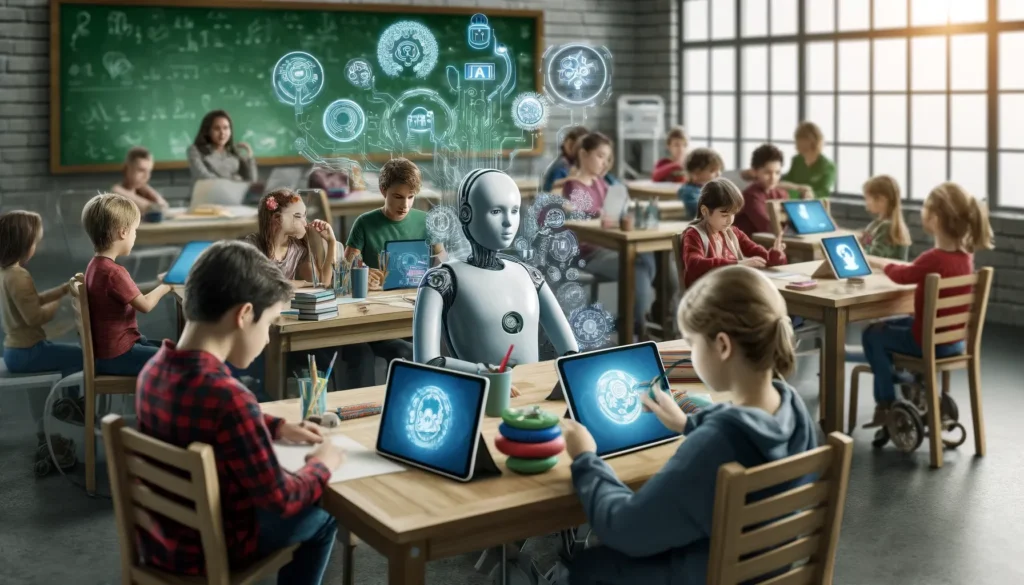
Many parents are using AI Toys and Learning Robots to support homeschooling or special needs children:
For Homeschooling:
- Offers structured, interactive lessons
- Enables real-time feedback
For Special Needs:
- Builds routine and comfort through consistency
- Some toys offer tactile and visual support for ASD
1️⃣3️⃣ 🧑🏫 Teacher Opinions on AI Learning
Educators in the UAE have mixed but hopeful views on AI Toys and Learning Robots:
- Support skills reinforcement at home
- May not align with school curricula
- Require monitoring for effective use
Conclusion from Teachers: Used wisely, these tools can be an excellent educational partner.
1️⃣4️⃣ 💬 FAQs About AI Toys and Learning Robots
Q: Are these toys safe? A: Most reputable AI Toys and Learning Robots are safety-certified. Always buy from trusted retailers.
Q: Do they work without the internet? A: Many have offline modes, but some features require connectivity.
Q: Can they replace tutors? A: No, but they are excellent supplementary tools.
1️⃣5️⃣ 🔮 The Future of AI Learning for Kids
By 2030, experts expect AI Toys and Learning Robots to be integrated with wearable tech, augmented reality, and personalized learning curricula.
Emerging Trends:
- AI-powered emotional health check-ins
- Personalized academic tracking
- Group-learning robots for collaborative tasks
🧾 Conclusion
The verdict? AI Toys and Learning Robots in 2025 are a valuable educational resource when used with intention. They enhance STEM learning, spark creativity, and provide engaging alternatives to passive screen time.
However, like any tool, they work best when guided by thoughtful parenting. To get the most out of AI Toys and Learning Robots, combine them with traditional play, outdoor activity, and human interaction.
As technology continues to evolve, the presence of AI Toys and Learning Robots in our children’s lives is only set to grow. Embrace the opportunity—but do it wisely.
🌐 External Links
- Common Sense Media on Smart Toys
- COPPA Compliance Guide
- Educational Robots by LEGO Education
- EdTech Institute 2025 Report
- ParentZone UK – AI and Children
Also Read: Smart Homes in the UAE: 2025’s Revolutionary Gadgets for Smarter Living