

🧳 1. Introduction
✔ The airports in UAE are key players in global air travel, connecting millions of passengers to the UAE and beyond. Known for their cutting-edge facilities and excellent services, these airports are considered among the busiest and most advanced worldwide. With the UAE’s strategic location as a global aviation hub, airports in UAE such as Dubai International (DXB) and Abu Dhabi International (AUH) handle millions of passengers each year, while also contributing significantly to the country’s economy.
✔ As we move into 2025, the airports in UAE are embracing the latest technologies, from biometric scanning to AI-powered systems, to enhance the travel experience. These developments, alongside continuous expansions, make airports in UAE vital not only for travelers but also for the growing logistics and tourism sectors.
✔ This article will explore the major airports in UAE, their current advancements, and their future plans to maintain the UAE’s position as a global aviation leader.
✈️ 2. Major International Airports
🟢 Dubai International Airport (DXB)
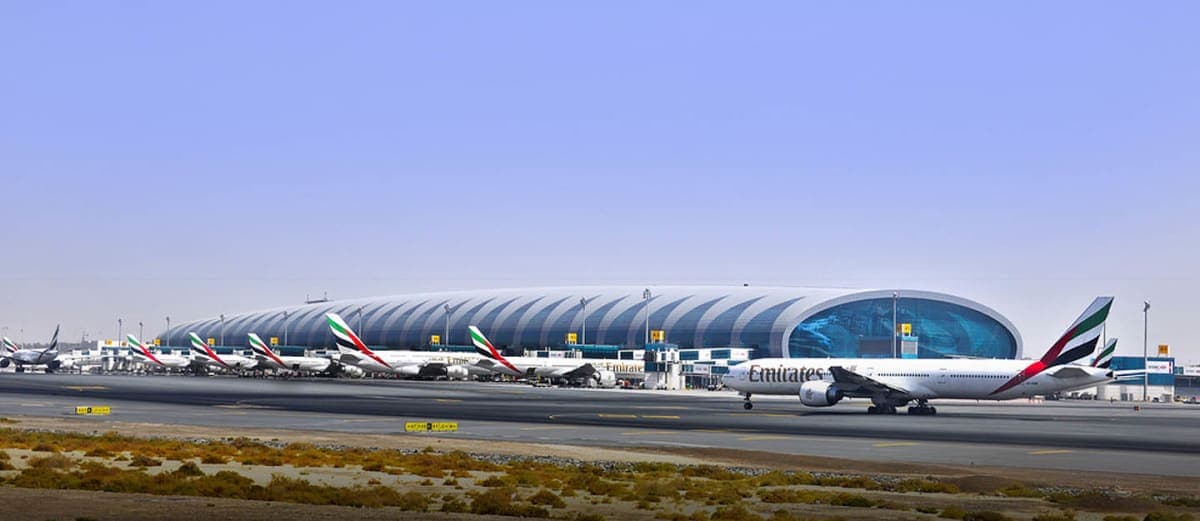
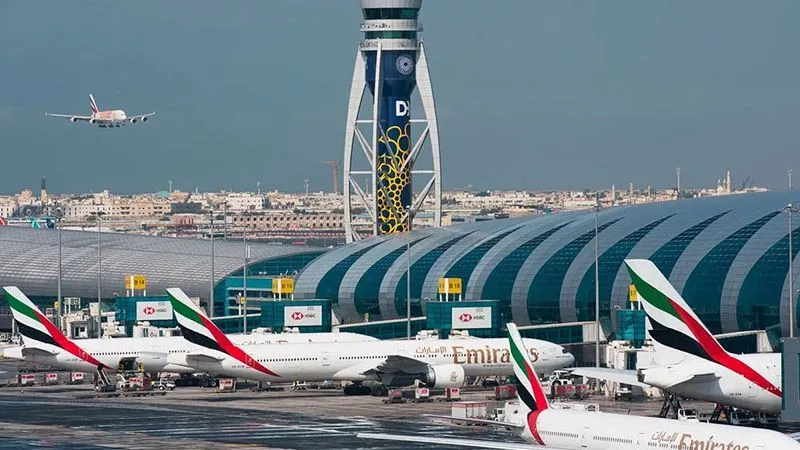
- ✔ The busiest of all airports in UAE, DXB is a global hub operated by Dubai Airports.
- ✔ Serves over 240 destinations across six continents.
- ✔ Handled over 87 million passengers in 2024 and expects a rise in 2025.
- ✔ Features Terminals 1, 2, and 3, offering unmatched retail and lounge services.
🟢 Abu Dhabi Zayed International Airport (AUH)
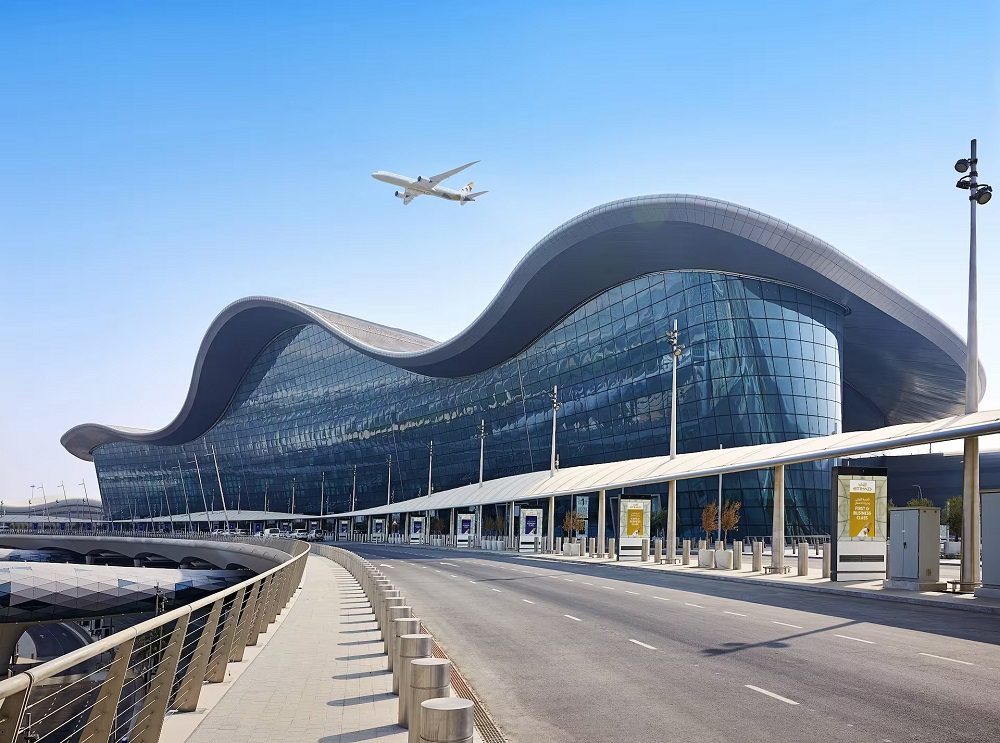
- ✔ Recently renamed in honor of Sheikh Zayed, AUH introduced its iconic new terminal in 2024.
- ✔ The terminal design includes Islamic architectural motifs, efficient energy use, and capacity for 45 million passengers yearly.
- ✔ Home to Etihad Airways, AUH strengthens Abu Dhabi’s place among top airports in UAE.
🟢 Sharjah International Airport (SHJ)
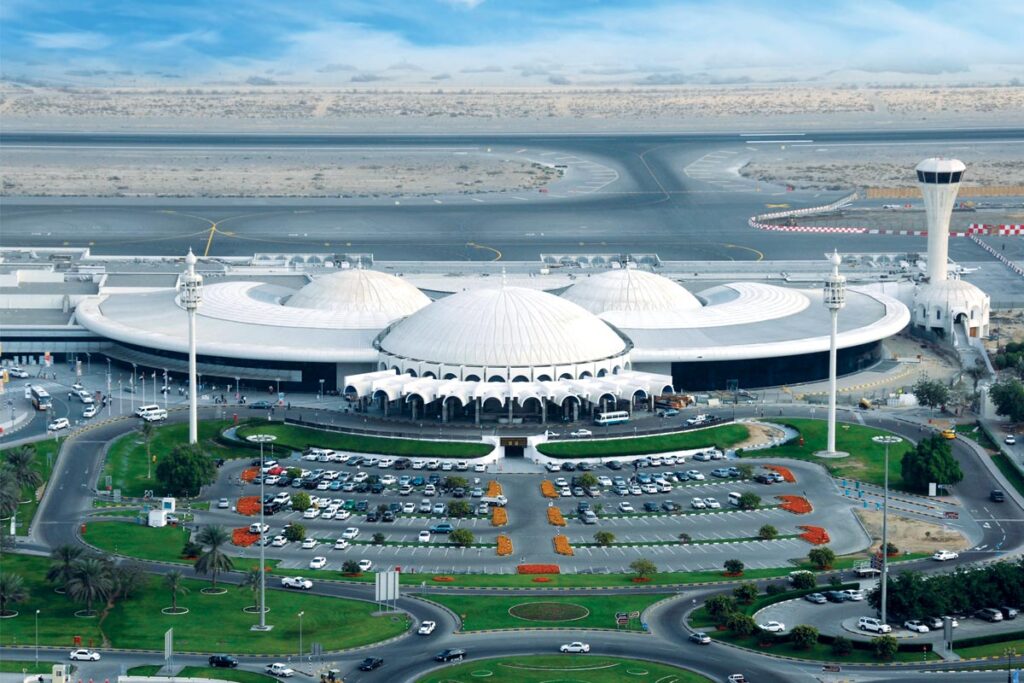
- ✔ The third-largest among airports in UAE, Sharjah’s airport is undergoing a $650 million expansion.
- ✔ The development includes a modern 190,000 m² terminal and improved runway and air traffic systems.
- ✔ The goal: 20 million passengers annually by 2027.
🛬 3. Emerging & Expanding Airports
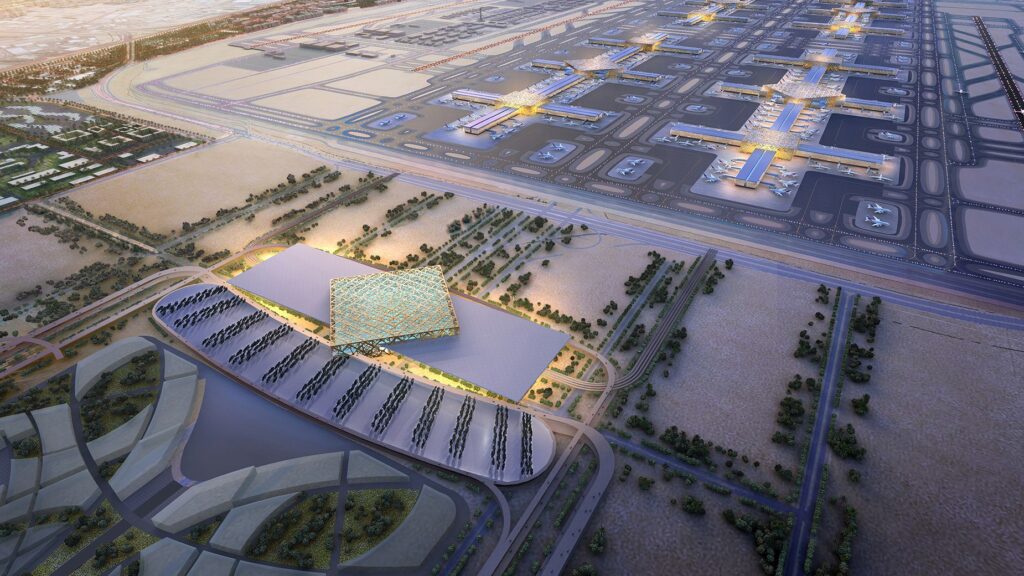
🟡 Al Maktoum International Airport (DWC)
- ✔ Located in Dubai South, DWC is part of one of the most ambitious projects among airports in UAE.
- ✔ Set to become the largest airport globally, handling up to 260 million passengers a year.
- ✔ Five parallel runways and 400 gates are planned.
- ✔ Phase one completion is targeted before 2030.
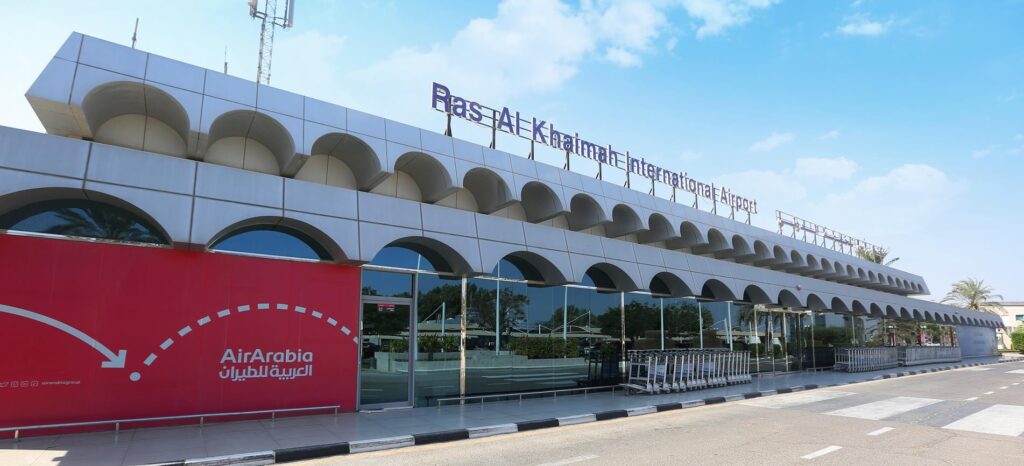
🟡 Ras Al Khaimah International Airport (RKT)
- ✔ RKT aims to cater to 2 million passengers annually by the end of the decade.
- ✔ Focused on tourism, the airport is working with RAK Tourism for new international routes.
- ✔ Infrastructure improvements have been made to accommodate wide-body aircrafts.
🛩 4. Regional Airports in UAE
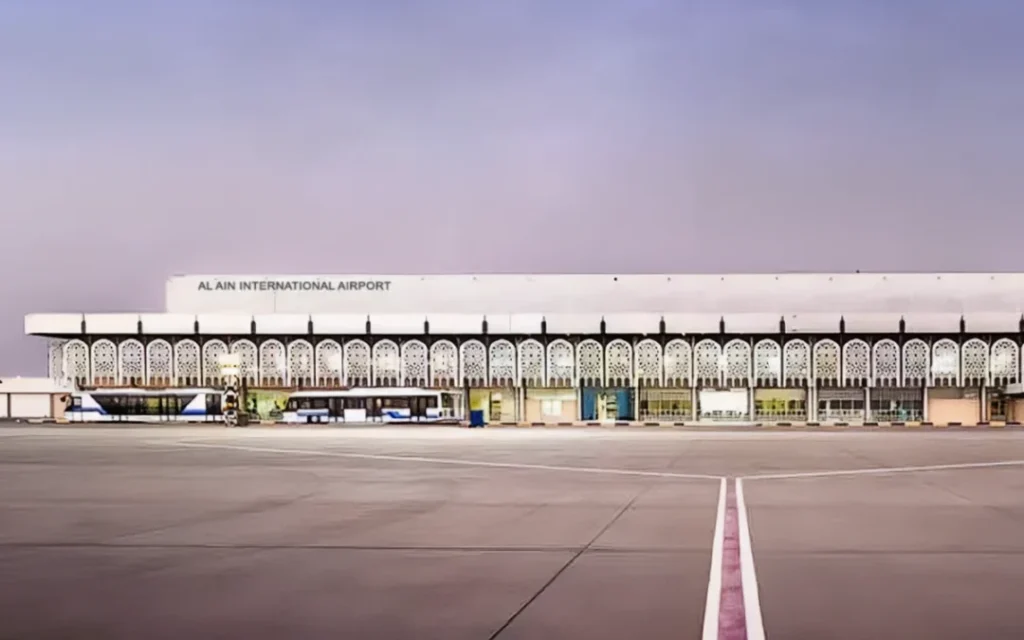
🔵 Al Ain International Airport (AAN)
- ✔ Located in Al Ain, this regional airport supports domestic travel and logistics.
- ✔ With upgrades planned, AAN is set to improve cargo operations and enhance passenger services.
- ✔ It plays a strategic role in connecting the eastern region with Abu Dhabi and Oman.
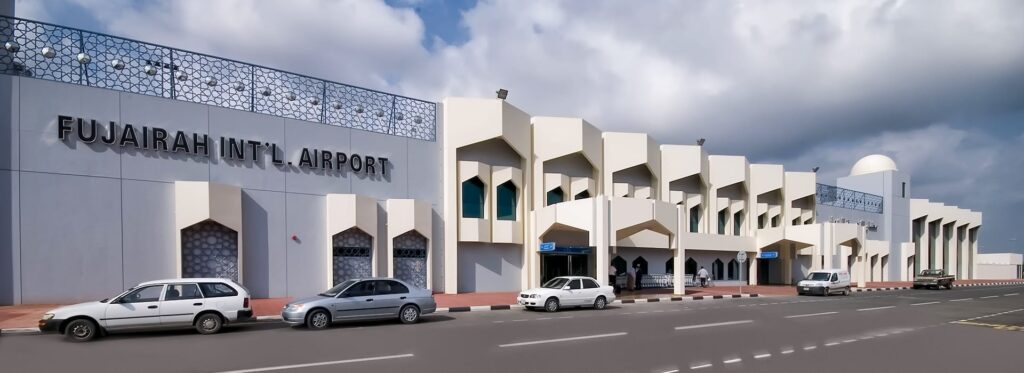
🔵 Fujairah International Airport (FJR)
- ✔ Fujairah’s airport is among the smallest airports in UAE, but it plays a growing role.
- ✔ As of 2025, FJR is receiving a facelift with a new runway extension and upgraded radar systems.
- ✔ Fujairah’s location on the Gulf of Oman makes it ideal for tourism and trade routes.
- ✔ A dedicated cargo terminal is expected to boost its freight capacity.
🛰 5. Innovations and Sustainability in UAE Airports (2025 Focus)
🌱 Green Technologies
- ✔ UAE airports have adopted green building principles to reduce carbon emissions.
- ✔ AUH’s new terminal features solar energy and rainwater harvesting systems.
- ✔ Dubai and Sharjah airports use AI for energy efficiency.
🧠 Smart Travel Solutions
- ✔ Biometrics and e-gates now common across airports in UAE.
- ✔ DXB uses facial recognition tech for fast boarding.
- ✔ Self-bag drop, mobile check-in, and paperless travel experiences enhance convenience.
🚀 Cargo & Logistics Expansion
- ✔ Al Maktoum and Sharjah airports see logistics as key growth areas.
- ✔ Emirates SkyCargo and Etihad Cargo use these hubs for global freight operations.
🌍 6. Airport Rankings and Global Impact
🏆 International Awards
- ✔ AUH awarded “Most Beautiful Airport 2024” by an international panel.
- ✔ DXB continues to rank among the Top 10 for passenger traffic.
🛫 Global Connectivity
- ✔ Airports in UAE connect over 300 global destinations.
- ✔ The UAE’s aviation sector contributes 13% to national GDP as of 2025.
📊 7. Stats & Passenger Numbers (2025 Projection)
| Airport | 2024 Passengers | 2025 Expected |
|---|---|---|
| DXB | 87M+ | 90M+ |
| AUH | 28M+ | 32M+ |
| SHJ | 13M | 15M+ |
| DWC | 5M (current) | 12M+ (projected) |
| RKT | 1.5M | 2M+ |
| AAN | 0.5M | 0.7M+ |
| FJR | 0.3M | 0.6M+ |
🏁 8. Conclusion
✔ The aviation industry in the UAE is undergoing a transformation.
✔ With futuristic terminals, smart tech, and sustainability goals, the airports in UAE are becoming global benchmarks.
✔ Travelers can expect world-class service, smooth connections, and unmatched efficiency in 2025 and beyond.
✔ Whether you’re flying through DXB, exploring Abu Dhabi, or discovering Fujairah, the UAE ensures a top-tier airport experience.
🌐 9. Future Vision of Airports in UAE (Beyond 2025)
✔ The future of airports in UAE lies in their seamless integration with smart cities and sustainability-driven infrastructure. The UAE’s strategic location between East and West makes it an essential node in the global aviation network, and the government continues to invest heavily to ensure that its airport facilities remain world-class.
✔ Many airports in UAE are working closely with local tourism boards to align flight schedules with major cultural and entertainment events like Expo City Dubai’s 2025 expansion and Abu Dhabi’s Formula 1 circuit enhancements.
✔ In the years ahead, the UAE plans to roll out airport-to-hotel autonomous transport options and implement hyperloop-compatible terminals, making it one of the first nations to attempt such integrations. This vision reflects how airports in UAE are not just transit points—they are becoming full lifestyle and technology ecosystems.
✔ Furthermore, the national strategy emphasizes making airports in UAE the safest in the world, with improved cybersecurity, climate-resilient infrastructure, and high-level training programs for airport staff. The UAE General Civil Aviation Authority (GCAA) is coordinating this effort, ensuring that compliance with international aviation regulations remains a top priority.
✔ With this unwavering commitment, it’s clear that the airports in UAE will continue setting benchmarks globally. From Dubai to Fujairah, each emirate is contributing to a unified, visionary aviation environment that supports the UAE’s economic and tourism goals.
🔗 External Resources & References
- Dubai Airports
- Abu Dhabi Airports
- Sharjah Airport Project
- Zayed International News
- Al Maktoum Airport Expansion
Also Read: Dubai’s Dynamic Economy: A Global Powerhouse