

✨ Introduction
With a thriving economy, a tax-free environment, and world-class infrastructure, the United Arab Emirates (UAE) remains one of the top destinations for real estate investment. Buying an apartment in the UAE in 2025 is a major decision for both expats and investors, and the process has become increasingly streamlined and transparent.
Whether you’re relocating to Dubai, investing in Abu Dhabi, or purchasing a vacation home in Sharjah, this guide will help you understand the ins and outs of buying an apartment in the UAE. We’ll cover the legal framework, financing options, popular locations, expected costs, and the pros and cons of property ownership in the Emirates.
1️⃣ 📄 Legal Requirements for Property Ownership in the UAE
Foreigners can legally purchase an apartment in the UAE in designated freehold zones. The process is regulated but accessible:
Key legal points:
- Only freehold zones are open to non-GCC nationals.
- Title deeds are issued by the respective emirate’s land department.
- Foreigners can buy property in Dubai, Abu Dhabi (selected zones), Sharjah (on leasehold), Ras Al Khaimah, and Ajman.
Required Documents:
- Valid passport
- UAE residency visa (not always mandatory)
- Proof of income
- Sale and purchase agreement
2️⃣ 📌 Best Locations to Buy an Apartment in the UAE in 2025
Choosing the right location is essential when buying an apartment in the UAE. Here are some of the most attractive areas in 2025:
Dubai:
- Downtown Dubai: Luxury and iconic views
- Dubai Marina: Waterfront lifestyle
- Jumeirah Village Circle (JVC): Affordable and family-friendly
Abu Dhabi:
- Al Reem Island: High-rise living
- Saadiyat Island: Cultural and luxury hub
Sharjah & Northern Emirates:
- Al Khan (Sharjah): Beachfront apartments
- Al Hamra Village (RAK): Resort-style living
Each emirate offers different benefits, from ROI potential to lifestyle appeal.
3️⃣ 💸 Financing Options for Expats and Citizens
Buying an apartment in the UAE often involves financing. Both UAE nationals and expats can apply for mortgages under certain conditions:
For Expats:
- Maximum 80% loan-to-value (LTV)
- Fixed and variable interest rates (typically 3.5% to 5%)
- Mortgage duration up to 25 years
For Nationals:
- Up to 85% LTV
- Subsidized rates through local banks
Documents needed:
- Salary certificate or proof of income
- Bank statements (6 months)
- Emirates ID (if resident)

4️⃣ 💰 Cost Breakdown When Buying an Apartment in the UAE
Besides the price of the apartment in the UAE, buyers should be aware of additional costs:
- Property registration fee: 4% (Dubai), 2% (Abu Dhabi)
- Broker commission: 2% of the property price
- Mortgage registration fee: 0.25% of the loan
- NOC fee (developer): AED 500 to AED 5,000
Example: Buying an AED 1 million apartment in Dubai may require AED 1.1 million total with fees.
5️⃣ 🚀 Off-Plan vs Ready Apartments
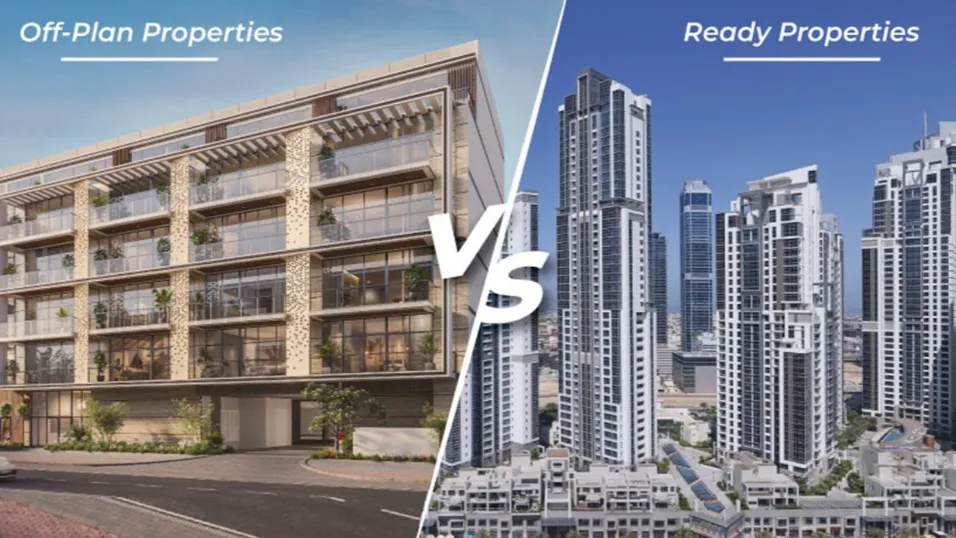
When buying an apartment in the UAE, you can choose between off-plan (under construction) or ready-to-move-in units:
Off-Plan Advantages:
- Lower prices
- Payment plans
- Capital appreciation
Ready Apartment Advantages:
- Immediate move-in
- Rental income potential
- Known quality
Each has its risks; off-plan projects must be from reputable developers with RERA approval.
6️⃣ 🌍 Freehold vs Leasehold Ownership
Understanding ownership types is crucial for buying an apartment in the UAE:
Freehold:
- Full ownership of the apartment and land share
- Common in Dubai, Abu Dhabi (selected areas)
Leasehold:
- Long-term lease (usually 99 years)
- Mostly available in Sharjah and some Northern Emirates
Freehold gives more control and is preferred by international buyers.
7️⃣ ✏️ How to Register Your Property
Once you finalize your apartment in the UAE, registration is mandatory. This process ensures the legal transfer of ownership:
Steps:
- Sign the MoU (Memorandum of Understanding)
- Pay the deposit (usually 10%)
- Apply for a No Objection Certificate (NOC)
- Complete transfer at the Land Department
Dubai uses the “Dubai REST” app to simplify the registration process.
8️⃣ 📅 Annual Costs and Ongoing Fees
After purchasing your apartment in the UAE, you’ll need to budget for annual fees:
- Service charges (AED 10–30/sq.ft)
- Housing fees (Dubai Municipality: 5% of rent value)
- Maintenance and repairs
- Property insurance (optional but recommended)
These costs vary based on location and building amenities.
9️⃣ 🙋️♂️ Benefits for Expats Buying Property
Owning an apartment in the UAE offers expats several advantages:
- Long-term residency visas for investors
- Rental income opportunities
- Access to premium lifestyle amenities
In 2025, property ownership may qualify you for a 10-year Golden Visa if you invest AED 2 million or more.

10️⃣ 🏠 Rental Yields and ROI in the UAE
Dubai and other UAE cities offer strong rental yields, especially in emerging neighborhoods:
Average rental yields in 2025:
- JVC Dubai: 6.5%
- Business Bay: 5.5%
- Al Reem Island: 6%
Buying an apartment in the UAE can be a lucrative investment if well-researched.
11️⃣ 🌐 Foreign Ownership Restrictions
While buying an apartment in the UAE is legal for expats in freehold areas, some emirates have specific rules:
- Sharjah: Only GCC citizens can own; others get leasehold
- Dubai: Broadest freehold availability
- Abu Dhabi: Leasehold-only zones for foreigners still exist
Check local laws before proceeding.
12️⃣ 👥 Family and Inheritance Considerations
If you plan to pass down your apartment in the UAE, make sure you register a will:
- Use the DIFC Wills Centre for expat-specific options
- Sharia law applies in the absence of a registered will
This step ensures your family has clarity and control.

13️⃣ 🧱 Real Estate Scams to Avoid
To protect your investment when buying an apartment in the UAE, beware of:
- Fake listings
- Unauthorized brokers
- Overpriced “hot” properties
Always verify with RERA or the local land department. Use approved agents.
14️⃣ ✉️ Real Estate Agents vs Buying Direct
You can buy an apartment in the UAE directly from developers or through licensed brokers:
Agents:
- Offer area knowledge and listings
- Can negotiate better prices
Direct from Developers:
- Attractive payment plans
- No broker fees (sometimes)
Choose based on your comfort and knowledge of the market.
15️⃣ 🧰 Future of Real Estate Investment in the UAE
The future looks bright for buying an apartment in the UAE:
- Expo 2020 legacy projects continue to boost infrastructure
- Smart city initiatives increase property values
- Abu Dhabi Vision 2030 and Dubai 2040 Urban Plan drive development
Expect more digital innovations in property buying.
🌟 Conclusion
Buying an apartment in the UAE in 2025 is not just about acquiring property; it’s about investing in a vibrant future. With evolving laws, attractive financing, and a robust real estate market, the UAE remains a top destination for both residents and global investors.
Whether you are looking for a family home or rental income, doing your research, understanding the costs, and choosing the right location will lead to a successful investment. As the UAE continues to innovate and grow, now is a strategic time to secure your space in this dynamic country.
Owning an apartment in the UAE brings financial stability, lifestyle perks, and the possibility of long-term residency. From luxury penthouses in Dubai to beachfront homes in Ras Al Khaimah, the options are abundant and rewarding.
Start your journey today—your dream apartment in the UAE awaits.
🌐 External Links
- Dubai Land Department
- Abu Dhabi Municipality
- Sharjah Real Estate Registration Dept.
- GoDubai Real Estate Portal
- DIFC Wills Centre
- Bayut UAE Property Listings
- Property Finder UAE
Also Read: 10 Best Areas to Live in Dubai for Expats in 2025 – A Complete Guide to Comfortable Living