

🕌 Introduction
Every year, the United Arab Emirates (UAE) adjusts its school and work schedules during the holy month of Ramadan to respect cultural practices, support students observing fasting, and strengthen family bonds. In 2026, one of the most notable changes is the adoption of distance learning during Ramadan for UAE public schools — especially on Fridays — under the Ministry of Education’s “Ramadan with the Family” initiative.
This comprehensive guide explores this significant educational shift, explaining why distance learning during Ramadan is being used, how it works, its advantages and challenges, guidance for parents, and how this policy fits into the UAE’s broader social and educational landscape.
1️⃣ 📅 Overview: Why Distance Learning During Ramadan Matters in 2026
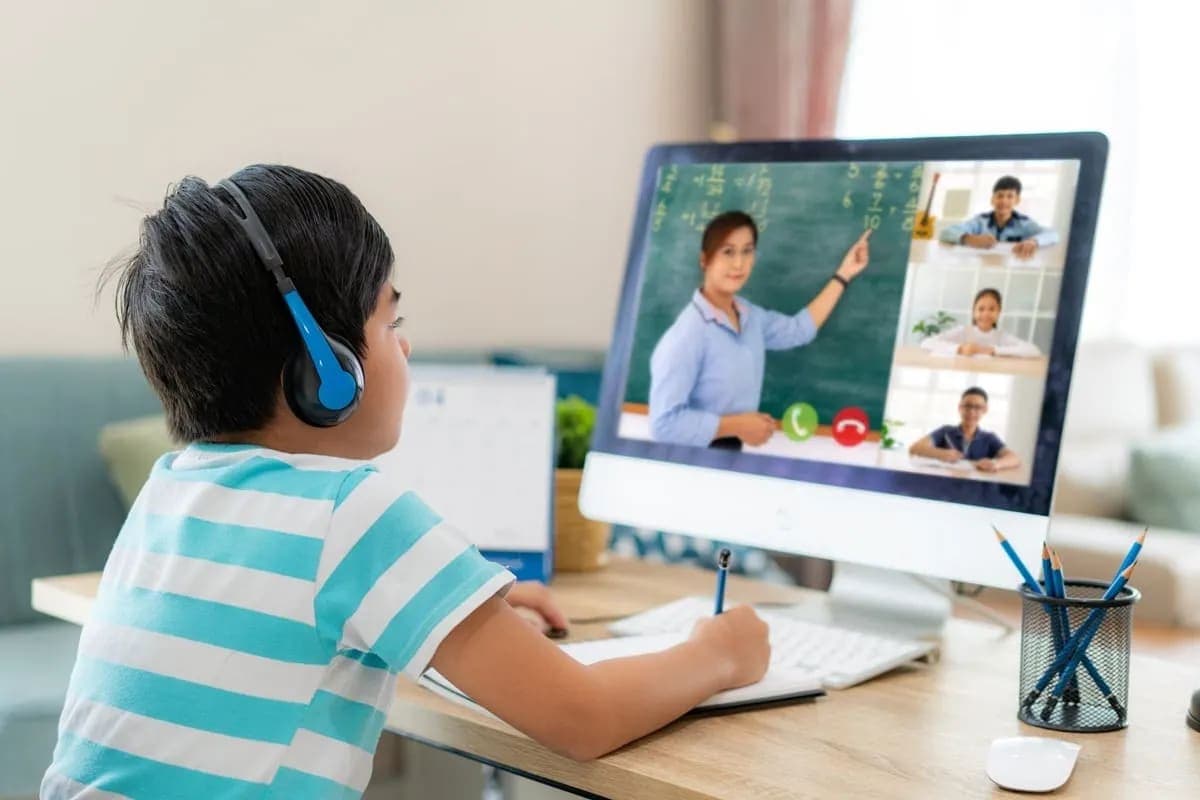
The UAE Ministry of Education has reiterated that distance learning during Ramadan will be implemented on Fridays for public school students across the Emirates in 2026.
This adjustment is part of the government’s focus on:
- Supporting family time during the holy month
- Encouraging spiritual observance and community engagement
- Providing flexibility in routine to accommodate fasting students
By allowing students to study from home at least once a week, authorities aim to balance academic continuity with wellbeing and cultural priorities.

2️⃣ 🏠 How Distance Learning During Ramadan Is Structured
Under the policy:
- Every Friday during Ramadan is designated as a day of distance learning for public school students.
- Educators remain on campus to ensure supervision for those who must come in person.
- Parents may choose to send children to school — but if they opt for distance learning during Ramadan, students will study from home through approved digital platforms and activities.
Targeted activities and resources are being shared with parents to facilitate a structured and engaging learning experience.
This model supports students’ academic progress while respecting the cultural significance of Ramadan.
3️⃣ 🤝 Family-Focused Intent Behind the Policy
The term distance learning during Ramadan isn’t just about remote schooling — it’s part of a broader, family-centric vision called “Ramadan with the Family.”
The initiative emphasises:
- Family involvement in children’s learning
- Shared cultural and educational activities at home
- Strengthening parent-child academic collaboration
- Respect for religious practices and prayer schedules
By integrating distance learning with family engagement, the UAE seeks to deepen social bonds while maintaining educational quality.
4️⃣ 💡 Academic Impacts of Distance Learning During Ramadan
✔ Benefits
Flexibility: Distance learning during Ramadan gives students time to rest, reflect, and devote portions of the day to spiritual observance. Minimized daytime exertion often supports student comfort while fasting.
Continuity: By maintaining a learning schedule, students stay engaged with curriculum goals rather than missing instruction, which helps reduce learning loss.
Parental Involvement: Families have the opportunity to engage in learning activities together — boosting motivation and emotional support.
⚠ Challenges
Home Environment: Not every home may be equally suited to focused online learning. Distractions, inadequate hardware, and limited quiet spaces can affect student engagement.
Digital Skills: Some students and parents may require support to feel comfortable with online platforms or digital assignments.
Teacher Adaptation: Instructors must balance remote lesson planning with classroom responsibilities. Many are refining their methods as this initiative continues.
5️⃣ 🧑🏫 Tools and Platforms Used in Distance Learning During Ramadan
Schools and educators primarily use official educational technology platforms already established in UAE education systems. While individual school choices vary, common tools include:
- Learning Management Systems (LMS)
- Virtual classroom apps for lessons and assignments
- Curriculum-aligned digital resources
- Interactive modules and guided activities
These technologies enable students to:
✔ Access lessons and tasks securely ✔ Communicate with teachers ✔ Track progress and completion of assignments
Efforts are made to ensure platforms are accessible and safe for all students participating in distance learning during Ramadan.
6️⃣ 📊 Parents’ Practical Guide to Supporting Distance Learning During Ramadan
Parents play a pivotal role in maximizing the success of distance learning during Ramadan. Here are best practices for families:
🕐 Establish a Schedule
Set clear start and end times for study segments to mirror a school-like routine.
📍 Create a Study Space
Allocate a quiet, comfortable learning zone free from interruptions.
🤝 Stay Engaged
Regularly check in with your child about assignments and progress. Building communication habits enhances their confidence.
🧠 Support Wellbeing
Ensure proper rest, hydration outside fasting hours, and balanced meals.
📲 Seek Help When Needed
Reach out to teachers or support services if challenges arise with technology or curriculum content.
This collaborative approach enhances the distance learning during Ramadan experience and reinforces educational outcomes.
7️⃣ 🏫 The Policy in Context: UAE Educational Strategy
The adoption of distance learning during Ramadan aligns with broader UAE educational priorities:
Focus on Family: The Government of the UAE continues to reinforce family cohesion and wellbeing as national priorities, and shaping education policy to reflect cultural values is part of this vision.
Adaptability: Educational authorities are demonstrating adaptability by balancing instruction with local traditions.
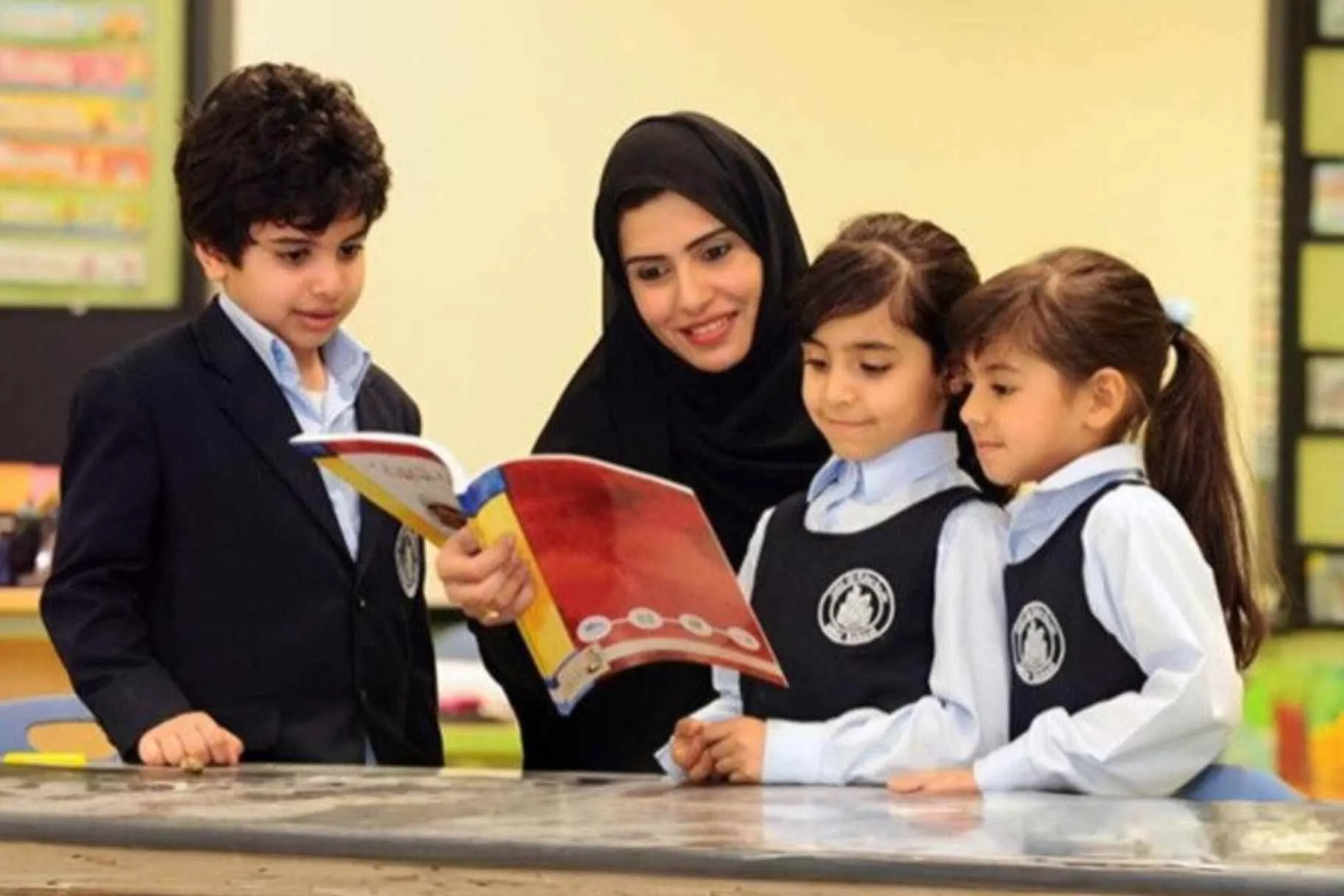
Inclusivity: Parents who prefer their children attend school in person can make that choice, ensuring that distance learning remains an option rather than a mandate.
This blended approach helps the education system be resilient, family-oriented, and culturally responsive.
8️⃣ 📍 Perspectives from Schools and Communities
While the official policy focuses on public schools, many private institutions in the UAE have also moved to offer distance learning during Ramadan options, especially on Fridays.
In some areas:
- Private schools coordinate with parents on remote learning participation.
- Schools balance online lessons with available in-person resources.
- Parental input and flexibility have shaped optional remote learning models.
These combined efforts reflect a shared commitment across sectors to support students and families through the holy month.
🧩 Conclusion
The 2026 implementation of distance learning during Ramadan in the UAE reflects a thoughtfully structured blend of tradition, family values, and academic continuity. By prioritising student wellbeing, cultural engagement, and flexible learning environments, the UAE Ministry of Education has created a balanced educational experience that respects spiritual rhythms without compromising on academic goals.
Whether you are a parent, student, educator, or stakeholder in UAE education, understanding this initiative’s goals and implementation helps you navigate the rest of the academic year with confidence and clarity.
As this policy continues to evolve, monitoring official communications from schools and education authorities will ensure the best possible experience for all involved.
Also Read: Powerful and Joyful Guide to Prepare Your Home for Ramadan in 2026
Image Credits: The featured image has been taken from Gulf News