

Introduction
Dubai’s transport network — metro, tram, buses, water taxis, and feeder services — is modern, efficient, and heavily used. Riding on Dubai public transport comes with clear rules designed to keep passengers safe, protect property, and ensure fairness. Ignorance of the rules can lead to fines, inconvenience, and possible legal consequences.
This guide explains the top offences you may encounter on Dubai public transport, the typical enforcement approach, how to pay or appeal a penalty, and practical tips so you avoid fines and travel with confidence. Understanding rules for Dubai public transport is especially useful for tourists, new residents, and busy commuters who rely on daily transit.
1. 🎫 Fare Evasion and Invalid Ticketing
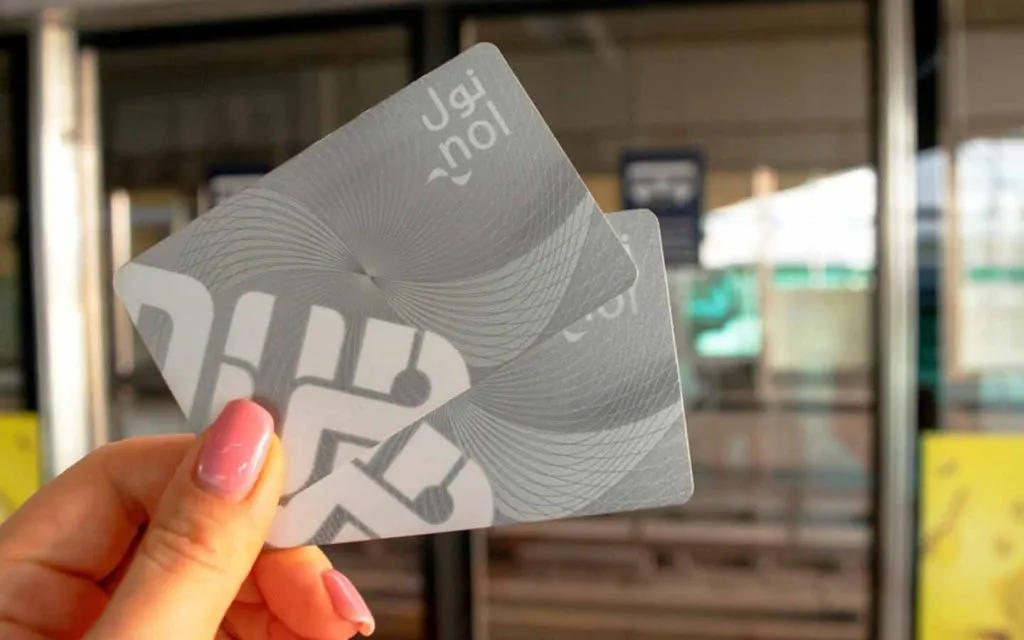
Fare evasion — travelling without paying, using an expired or tampered Nol card, failing to tap in or out, or using the wrong class of ticket — is one of the most commonly enforced offences on Dubai public transport. Inspectors carry portable devices and may perform random checks on platforms, in station concourses, and onboard vehicles. When caught, a passenger can expect an on-the-spot notice, an administrative fine, and sometimes a requirement to pay the fare owed plus an extra penalty.
Why it matters for Dubai public transport: fare revenue keeps services running and funds system expansion. Enforcement is therefore routine and not solely punitive — it’s also about preventing fraud. Many transit systems offer a reduced fare for prompt payment, while deliberate fraud (for example, using cloned Nol cards or forging concession passes) can attract higher penalties and legal action.
How to avoid this fine: always top up your Nol card before travel, confirm the tap registers, keep receipts or screenshot transaction history, and if a payment transaction fails, don’t board until you’ve confirmed or obtained help from staff.
2. 🧾 Misuse of Concession, Student, or Senior Cards
Special concession fares exist for students, seniors, UAE nationals in some categories, and people of determination. Misusing these concession passes — lending them, using someone else’s entitlement, or travelling on an expired concession — is treated seriously on Dubai public transport. Inspectors can request photo ID or supporting documentation during checks.
Consequences and practice: penalties often include cancellation of the concession pass, administrative fines, and a requirement to pay full fare for the trips taken. Repeated misuse may lead to criminal charges in cases of deliberate, organised abuse. If your concession card has expired or been replaced, carry the replacement and, where available, electronic proof to show to inspectors.
3. 🚭 Smoking, Vaping, and Use of E-Cigarettes
Smoking and vaping are prohibited inside metro stations, platforms, trams, buses, ferries, and most enclosed public transport areas. The strict ban on Dubai public transport is enforced to protect passengers from second-hand smoke and to comply with broader public health rules. Penalties for smoking or vaping in prohibited areas typically involve fines, and on occasion, officers may remove the offender from the premises.
Important note: even if vaping seems less visible, it is treated the same as smoking in many transit environments. To avoid fines, use designated outdoor smoking areas away from station entrances or adhere to signage.

4. 🍽️ Eating, Drinking, and Littering
Eating and drinking rules vary between modes: while some buses and water taxis may be more permissive, the metro and tram are generally stricter about food and drink. Littering, spilling food, or leaving trays and rubbish onboard are offences that maintenance teams and inspectors take seriously on Dubai public transport. Simple acts of poor behaviour quickly become community costs — cleaning, lost service time, and passenger complaints.
Enforcement approach: fines may be issued for littering and for creating unsanitary conditions. In addition to fines, people who cause damage (for example, staining upholstery) can be charged the cost of remediation.
Practical tip: finish food before entering stations or use waste bins where provided. For bottled water, it’s safest to keep containers closed and dispose of packaging responsibly.
5. 🐕 Pets and Animals
Rules for animals on Dubai public transport differ by service and by operator. Generally, only certified service animals are universally accepted; non-service pets must be contained in approved carriers and sometimes not allowed during peak hours. Bringing an unapproved pet onto a vehicle or into a station area can result in fines and a request to disembark immediately.
To stay compliant: check operator rules for ferries, buses, and trams in advance, use protective carriers, and carry vaccination documents if requested. Service animals should carry appropriate identification to avoid misunderstandings during inspections.
6. 🔊 Loud Behaviour, Music and Harassment
Disruptive conduct — playing loud music, aggressive language, harassment, or any behaviour that disrupts the safe environment — is an offence penalised on Dubai public transport. Enforcement aims to protect passengers and staff; complaints from other passengers often prompt intervention. Security staff and police have the authority to remove disruptive passengers and issue penalties or arrange further legal action depending on the severity.
What to do: always use headphones at low volume, be considerate in closed spaces, and follow staff requests to keep calm. If you’re subject to harassment, report it immediately to staff or call local emergency numbers.
7. 🚯 Vandalism, Property Damage, and Graffiti
Vandalism — including graffiti, scratching seats or damaging signage — is treated as a serious offence on Dubai public transport. Beyond administrative fines, offenders are typically liable for repair or replacement costs and may face criminal prosecution for more serious damage. Transit CCTV and station staff routinely monitor for such behaviour, and evidence is often used to pursue penalties.
Preventive advice: take photos and report any pre-existing damage when you board (to avoid being wrongly blamed) and keep a respectful attitude toward public property.
8. 🚪 Accessing Restricted Areas and Tampering with Safety Equipment
Entering driver cabins, staff-only rooms, or using emergency exits for non-emergency reasons is strictly prohibited. Tampering with safety equipment such as alarms or emergency doors on Dubai public transport is among the most serious transit offences — it can endanger others and usually attracts high penalties and potential criminal charges.
If an alarm is activated accidentally, inform staff immediately and cooperate. Only use emergency exits in real emergencies; misuse will almost always result in fines and further action.
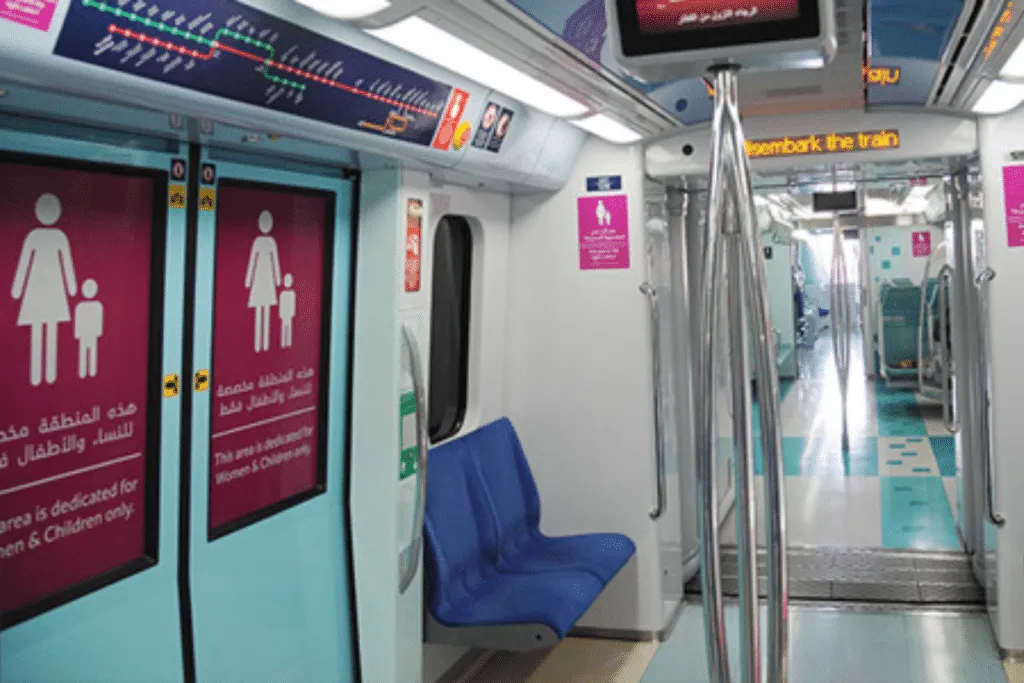
9. 👶 Priority Seating, Mobility Aids, and Misuse of Facilities
Priority seating and dedicated spaces for wheelchairs, prams, and mobility aids are important on busy services. Occupying or refusing to yield priority seats to those in need is discouraged and may lead to warnings or fines on Dubai public transport, depending on the enforcement context. Similarly, blocking ramps, entrances, or spaces reserved for mobility devices can attract penalties and create safety risks.
Best practice: Be aware of priority signage, move if asked politely, and store strollers as instructed during peak times.
10. 🆘 False Alarms, Emergency Interference, and Dangerous Conduct
False alarms or intentionally causing panic are dangerous offences. Activating emergency systems without cause, creating a panic by shouting “emergency” without reason, or performing dangerously risky behaviour on Dubai public transport can lead to severe fines, arrest, and criminal charges. These measures protect the many commuters who rely on the system daily.
If you witness dangerous conduct, notify staff or local authorities immediately. If you are mistakenly involved in an incident (for example, a misread situation), cooperate, document what happened, and prepare evidence to support your case in an appeal.
Practical Checklist: Avoiding Fines when Using Dubai Public Transport
Below is a short checklist to reduce the risk of penalties on Dubai public transport:
- Top up and check the NOL card balance before travel.
- Always tap in and out where required.
- Carry ID when using concession fares.
- Do not smoke, vape, or use e-cigarettes in stations or onboard.
- Dispose of rubbish responsibly; don’t leave food wrappers.
- Keep noise low and be respectful to other passengers.
- Use approved carriers for pets and check the operator’s rules.
- Keep prams folded and out of aisles during peak times.
- Never access staff-only areas or tamper with safety gear.
- If issued a notice, document details and follow the payment/appeal instructions.
These precautions not only avoid fines but also keep transport running smoothly for everyone.
Step-by-Step if You’re Issued a Fine
- Stay calm and comply — hostility can escalate the situation.
- Ask for a written notice or digital reference number.
- Take photos of the notice and record the inspector ID if present.
- Gather supporting evidence (NOL transaction history, photos).
- Pay or appeal promptly using the channels listed on the notice.
- Keep receipts and follow up if you don’t receive confirmation.
Following these steps improves your chances of a successful appeal or a quick resolution when using Dubai public transport.
Conclusion
Fines on Dubai public transport exist to maintain safety, fairness, and cleanliness across a busy, modern network. Most penalties target fare evasion, smoking, littering, disruptive conduct, and interference with safety systems. By understanding the rules, keeping a valid NOL card, carrying necessary documentation, and behaving respectfully, you can minimise the chance of receiving a fine.
If you are issued a notice, act quickly — document the incident, use official payment or appeal channels, and keep evidence. Regularly checking official RTA and Dubai Police channels will ensure you have the most current fine amounts and any procedural changes. Travel smart, be courteous, and Dubai’s transit system will keep serving you reliably.
Further resources & official links
- Roads and Transport Authority (RTA) – main site and customer services (verify current fines and Nol card FAQs)
- RTA public transport pages (metro, tram, buses, water transport)
- NOL card information and top-up
- Dubai Police – public safety, reporting, and legal notices
Also Read: Car Loan in Dubai – Secure Your Dream Ride with Ease in 2025