


Introduction
In 2025, Dubai taxi usage has seen remarkable growth, significantly outpacing demand from the previous year. As Dubai continues its transformation into a smart, green metropolis, the city’s taxi services—operated mainly by Dubai Taxi Company (DTC) under RTA supervision—are pivotal to daily mobility. This surge in Dubai taxi usage reflects a combination of tourism boom, population growth, fleet electrification, and integration with digital platforms. In this comprehensive article, we’ll explore ten key drivers behind the surge in Dubai taxi usage, with data-backed insights and strategic highlights that define taxi mobility in 2025.
1. 📈 Surge in Trip Volumes
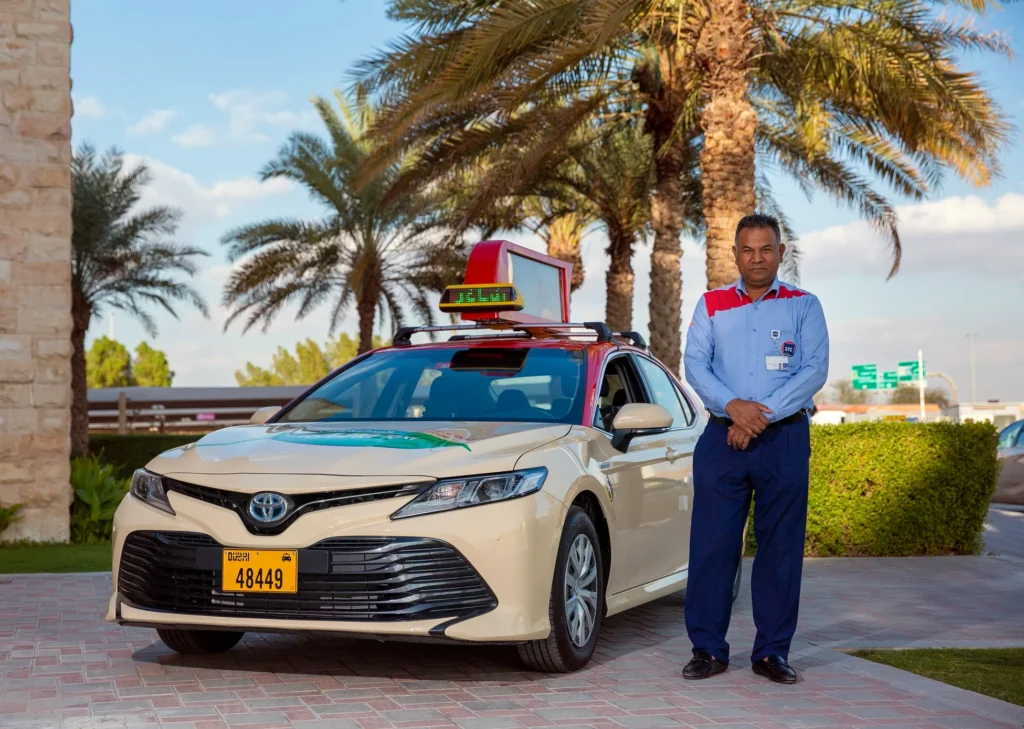
Dubai taxi usage soared as DTC completed 13 million trips in Q1 2025, representing an 8% increase year-on-year, fueling a 5% rise in revenue for the quarter. In the second quarter (Q2), the company logged 13.6 million trips, up 19% year-on-year, reflecting sustained momentum in Dubai taxi usage.
These figures underscore a clear trend: Dubai taxi usage is not only rising—it’s accelerating at a pace well above 2024.
2. 💰 Strong Revenue & Profit Growth
Fuelled by the increase in trips, Dubai taxi usage has driven robust financial performance for DTC:
- Q1 2025: Revenue reached AED 588.3 million, up 5% YoY, with the taxi segment alone bringing in AED 515 million—a 7% increase.
- Q2 2025: Revenue jumped 18% YoY to AED 625.2 million; the taxi segment contributed AED 539.7 million.
- Net profit: In Q2 2025, net profit surged 33% YoY to AED 105.4 million.
These results highlight how rising Dubai taxi usage directly translates into financial gains for the sector, reflecting stronger utilization and efficiency.
3. 🚗 Fleet Expansion & Electrification
To keep pace with growing Dubai taxi usage, DTC has rapidly expanded its fleet:
- By the end of Q1 2025, the fleet grew to over 6,200 taxis, including 250 fully electric vehicles; over 86% of the fleet now consists of hybrid or electric models.
- By June 2025, the total operational fleet across all segments (taxis, limousines, buses, delivery bikes) reached 10,180 vehicles, a 23% YoY increase; the taxi-only fleet stood at 6,210 vehicles, with 335 fully electric.
This Green Mobility push makes Dubai taxi usage not only higher but more sustainable, aligning with the city’s environmental goals.
4. 🌍 Tourism & Urban Growth
Dubai’s increasing population and surging tourism have been central to rising Dubai taxi usage. As the emirate welcomed record numbers of visitors and expanded urban areas, taxi demand soared.
Moreover, RTA’s integrated public transport system (including taxis) served 395 million riders in H1 2025—reflecting an overall 9% uptick—and further strengthening the context for growing Dubai taxi usage.
5. 📱 Digital Innovation & Bolt Integration
DTC’s collaboration with digital platforms has boosted Dubai taxi usage:
- Over 6,000 DTC taxis were integrated into the Bolt e-hailing platform (including 700 airport taxis) by Q2, vastly increasing accessibility.
- While Q1 profitability was impacted by promotional discounts from Bolt’s launch, the integration has laid the groundwork for sustained growth in Dubai taxi usage.
Digital convenience is a strong catalyst for demand.
6. ♻️ Sustainability Strategy & Green Fleet
As environmental policies take center stage, Dubai taxi usage is trending towards greener patterns:
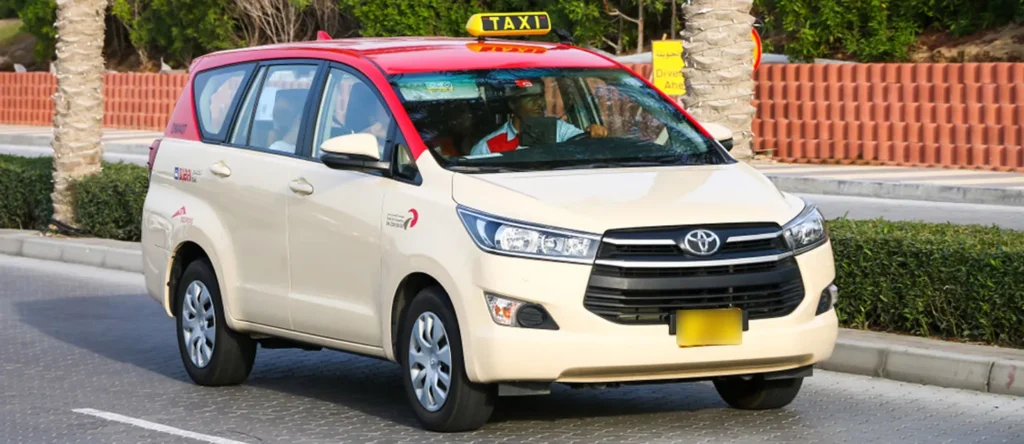
- DTC aims for a fully electric taxi fleet by 2040, supported by partnerships like Al-Futtaim Electric Mobility, deploying 200 BYD SEAL electric taxis.
- The green push aligns with Dubai’s Net Zero 2050 initiative and enhances the appeal of Dubai taxi usage for eco-conscious riders.
This sustainability framework helps DTC navigate rising demand while reducing its carbon footprint.
7. 🛵 Diversified Mobility: Delivery Bikes & Limousines
Beyond taxis, DTC’s broader mobility offerings support Dubai taxi usage indirectly by optimizing fleet usage:
- The delivery bike segment revenue more than doubled (over 102% YoY) in Q2 and surged 110% in Q1—signifying growing last-mile demand.
- The limousine segment also grew 8% in Q2 and 3% in Q1, contributing to overall ridership and enabling taxi resources to focus on core demand.
These channels complement and support rising Dubai taxi usage.
8. 🤖 Emerging Autonomous & Air Taxi Trends
Looking ahead, Dubai taxi usage is poised to evolve further with cutting-edge innovations:
- Dubai is targeting 25% of transport to be autonomous by 2030, with pilot deployments of robotaxis by Pony.ai and WeRide starting in 2025–2026.
- The city is also moving towards commercial electric air taxis by 2026, adding an aerial dimension to Dubai taxi usage.
Though still emerging, these innovations signal dramatic shifts in how taxi usage may be defined shortly.
9. 🔄 Integration with Public Transit Networks
Dubai’s transport ecosystem integrates taxis into its broader network—boosting Dubai taxi usage:
- RTA’s integrated services—metro, tram, buses, marine transport, and taxis—served over 2.18 million riders daily across H1 2025.
- The seamless multimodal system encourages taxi use for first-mile and last-mile solutions, reinforcing Dubai taxi usage amid overall transit growth.
10. 🏙 Urban Mobility Vision & Strategic Planning
Finally, Dubai taxi usage is benefiting from visionary urban planning:
- Dubai aims to be a global leader in smart and sustainable mobility, with strong regulatory support, EV infrastructure, and strategic partnerships.
- DTC’s performance, in line with Dubai 2040 and Net Zero 2050 plans, reflects how Dubai taxi usage is a planned outcome of policy and infrastructure synergy.
Conclusion
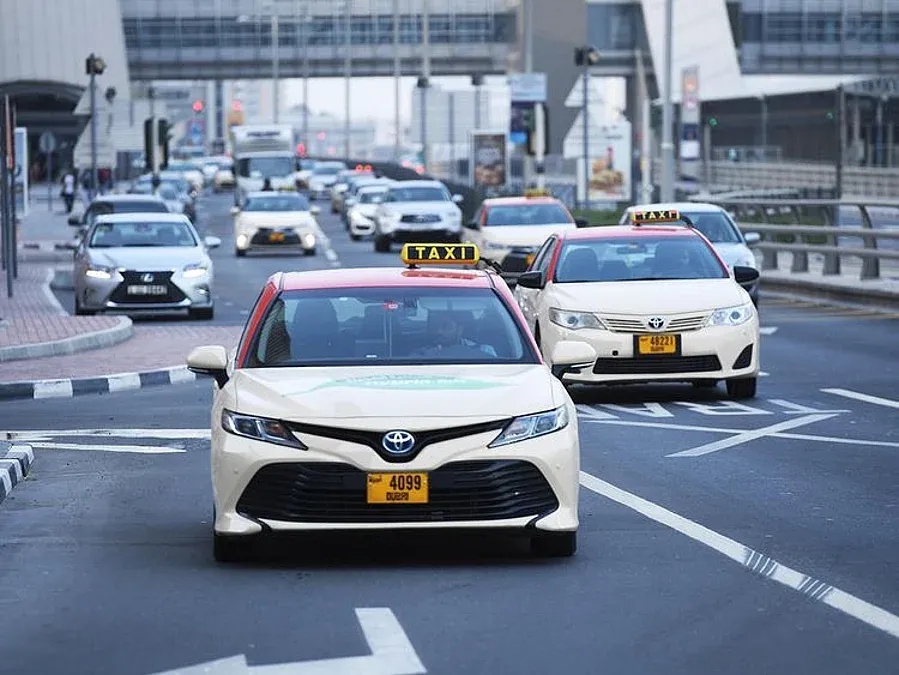
In 2025, taxi usage is not just rising—it’s surging. Thanks to fleet expansion, electrification, tourism, digital integration, and sustainable policy frameworks, taxi usage has outpaced 2024 significantly:
- Trip volumes: Up 8% in Q1; 19% in Q2.
- Revenue: Up 5% in Q1; 18% in Q2.
- Profit: Net profit up 33% in Q2.
- Green transformation: Majority hybrid/electric fleet; goal of full electrification by 2040.
- Innovation ahead: Autonomous taxis and air taxi services on the horizon.
- Integrated mobility: Strong multimodal ecosystem supporting taxi usage.
As Dubai embraces smart transport and sustainability, Dubai taxi usage will remain a vital, evolving component of urban mobility—responsive, green, and increasingly digital.
External Links
- RTA (Roads and Transport Authority) Official Website
- Dubai Taxi Company (DTC) Reports & Updates
- News on robotaxi and autonomous mobility in Dubai
- Details on Dubai’s Smart Mobility & air taxi plans
Also Read: Travelling through Dubai Airport: Banned & Restricted Items for Hand Luggage (2025 update)