

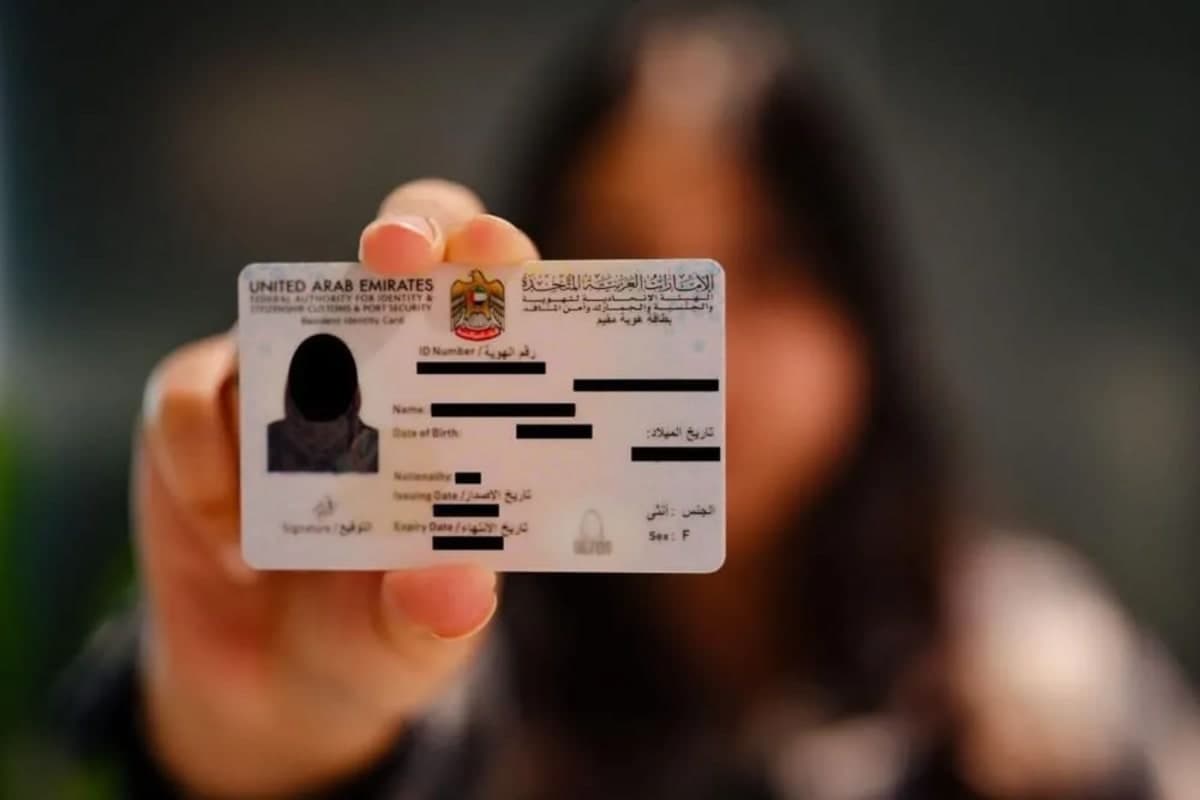
The Emirates ID chip is far more than a small square embedded in your identity card. To the average resident or visitor, it may look like just another piece of plastic, but inside lies a miniature computer system that secures your personal, residency, and biometric details. The card is issued by the Federal Authority for Identity, Citizenship, Customs, and Ports Security (ICP) and has become one of the most important tools for living, working, and transacting in the UAE.
While you may know that your name, nationality, and ID number are linked to the card, few people are aware of the full depth of information securely stored inside the Emirates ID chip. From biometric fingerprints to sponsorship data and even the ability to perform legally binding digital signatures, this card is the backbone of modern digital life in the UAE.
In this article, we will break down 20 things stored on the Emirates ID chip you probably didn’t know about, along with insights into its security features, practical uses, and role in the UAE’s digital transformation in 2025.
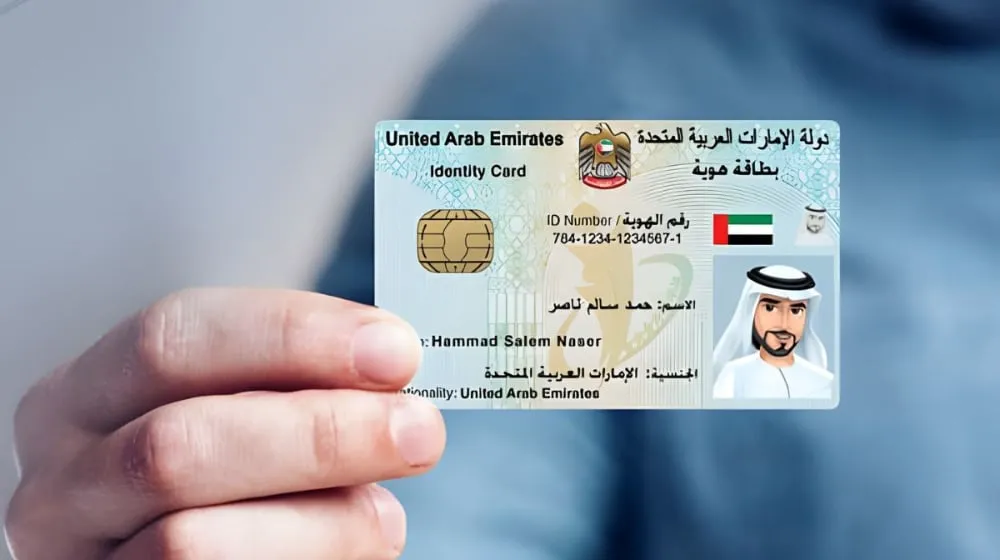
1️⃣ 🧾 20 fields secretly stored on your Emirates ID chip
The Emirates ID chip is not just a static storage device—it is a structured, encrypted repository of information that can be selectively accessed depending on who is reading it. While some data is publicly available (like your name or expiry date), other information is encrypted and only accessible to government-authorized systems.
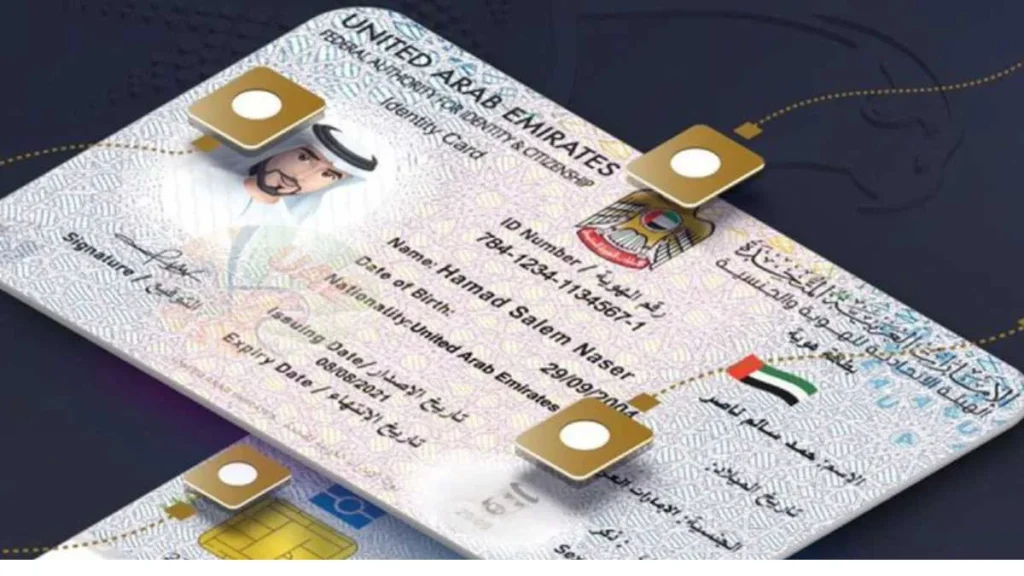
Here’s the complete list of 20 fields stored on the Emirates ID chip as per the UAE’s official documentation:
- Identity number (IDN) – Your unique Emirates ID number.
- Card issue date – The date your card was issued.
- Card expiry date – When your Emirates ID will expire.
- Full name (Arabic & English) – Your legal name as recorded.
- Passport details – Passport number and issuing authority.
- Sex – Male or female.
- Nationality – Current nationality on record.
- Date of birth – DOB for verification purposes.
- Mother’s first name (Arabic & English) – An additional verification measure.
- Occupation – Job role or classification.
- Marital status – Married, single, or divorced.
- Family number – Family book reference for UAE nationals.
- Town number (for nationals) – Town code in government records.
- Sponsor type – Employer, family, or other.
- Sponsor number – Reference ID of sponsor.
- Sponsor name – Full name of sponsor.
- Nature/type of residence – Employment, family, or investor residency.
- Residence number – Residence permit number.
- Personal photo – Stored digitally in addition to being printed.
- Two fingerprint templates – Encrypted biometric data for verification.
This wide array of information allows service providers to instantly validate your identity without relying on physical copies or manual entry. The Emirates ID chip acts as a single source of truth for personal data, reducing errors and speeding up transactions.
2️⃣ 🛡️ Security & storage capacity of the Emirates ID chip
The card is often described as a mini-computer in your pocket. With a storage capacity of up to 32,000 characters, the chip can hold detailed personal data and security certificates. More importantly, this information is protected by multi-layered encryption and tamper-proof hardware design, making it nearly impossible to forge.
Security features include:
- Digital encryption to secure sensitive fields.
- Access-level segmentation so not all readers can see everything.
- Tamper-resistant microchip design to prevent duplication.
- Automatic blocking if unauthorized attempts to access the chip are detected.
The Emirates ID chip has been designed to withstand attempts at physical tampering and digital hacking, which is why it is trusted for both government-level services and private sector transactions.
3️⃣ ✍️ Digital certificates & e-signatures
One of the most powerful but least known features of the Emirates ID chip is its ability to store Public Key Infrastructure (PKI) digital certificates. These allow cardholders to:
- Authenticate securely when logging into e-government services.
- Digitally sign documents in a legally binding way.
- Encrypt data for secure communication.
For example, when you digitally sign a contract using your Emirates ID, the signature is backed by the ICP’s trusted certificate authority. This ensures that the document has not been altered and that the signature belongs to you.
In 2025, more banks, real estate companies, and government agencies are adopting e-signature workflows, making the Emirates ID chip a critical enabler of the UAE’s paperless strategy.
4️⃣ 🧰 Who can read the Emirates ID chip?
Not every business or institution can access your sensitive details. The UAE strictly regulates who can read what from your Emirates ID chip.
- Basic readers (e.g., used by telecom or utility counters) can only access limited fields like your name and ID number.
- Government-approved readers can access deeper data like biometrics, residency type, and sponsorship details.
- ICP-authorized systems are the only ones capable of writing or updating the data on your chip.
This tiered access control ensures that while your card is widely used, your most sensitive information is only accessible to trusted authorities.
5️⃣ 🗺️ Residency & sponsorship details
For expatriates, the chip holds vital residency and sponsorship information that helps service providers instantly check your legal status. This includes:
- Sponsor type, sponsor name, and sponsor number
- Residence number and type
- Employment vs. family sponsorship details
This is particularly important when applying for services such as bank accounts, SIM cards, tenancy contracts, or vehicle registrations, where proof of residency is required.
For UAE nationals, fields such as the family number and town number are key for linking benefits, healthcare, and population records, ensuring all government systems remain consistent.
6️⃣ 🧬 Biometrics on the Emirates ID chip
The chip does not store raw fingerprint images but rather mathematical templates of two fingerprints. These templates cannot be reverse-engineered into your original fingerprint, ensuring your privacy is protected.
In practical use, when you place your finger on a biometric reader at a bank or government office, the system matches it with the stored template on your chip. If they match, access is granted. If not, the transaction fails—making impersonation extremely difficult.
This biometric security is why the Emirates ID chip is considered one of the most secure identity systems in the world.
7️⃣ 📲 Everyday uses of the Emirates ID chip in 2025
The Emirates ID chip plays a role in nearly every aspect of daily life in the UAE:
- Banking: For KYC (Know Your Customer) checks and secure transactions.
- Healthcare: To authenticate patients and link medical records.
- Telecommunications: Required when registering SIM cards to prevent fraud.
- Government services: From renewing visas to applying for housing grants.
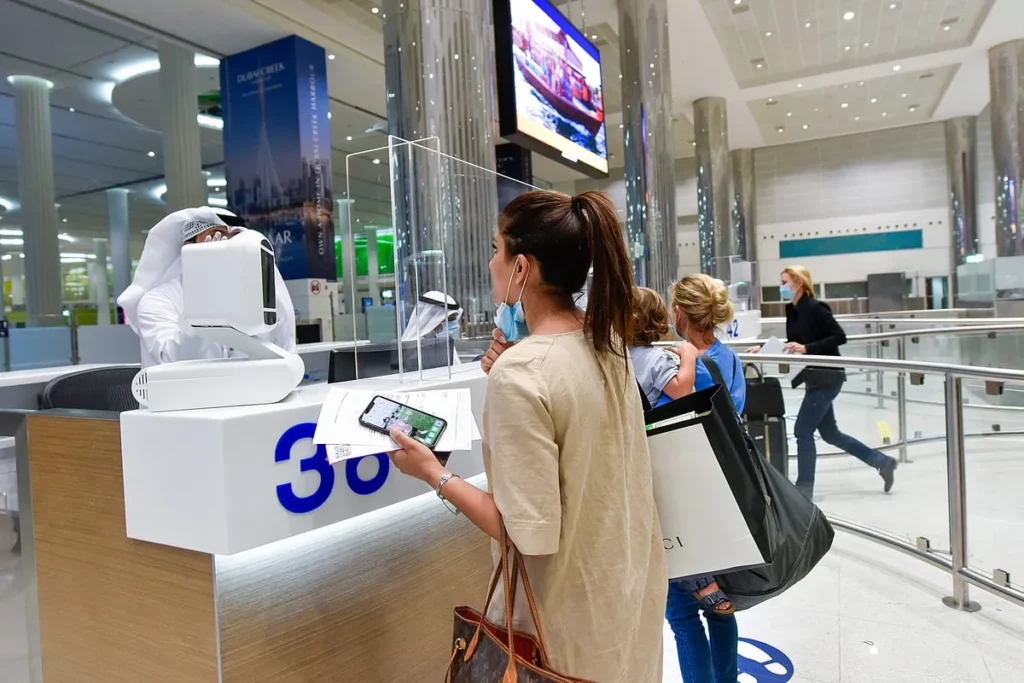
- Travel: Used at smart gates for quicker immigration clearance.
- Real estate: Mandatory for Ejari registrations and property contracts.
- Utilities: For opening electricity and water accounts without paper ID copies.
In all these cases, the Emirates ID chip acts as a trusted, single point of identity verification.
8️⃣ 🧩 Emirates ID chip vs. UAE PASS
Many people confuse the Emirates ID card with the UAE PASS digital identity app. Here’s the difference:
- Emirates ID chip: The physical, secure hardware storing your personal, residency, and biometric data.
- UAE PASS: A mobile-based identity solution linked to the Emirates ID but designed for digital convenience.
Think of the Emirates ID chip as the engine, and UAE PASS as the steering wheel that makes it easier to drive through digital services. Together, they create a seamless physical-digital identity ecosystem.
9️⃣ 🧠 Conclusion: Why the Emirates ID chip matters more than ever
In 2025, the UAE continues to push towards a smart, paperless society, and the Emirates ID chip is at the core of this transformation. By securely storing everything from your residency details to biometric fingerprints, the chip makes life in the UAE more convenient, efficient, and secure.
However, with great power comes great responsibility. As a cardholder, you should:
- Avoid sharing Emirates ID photos online.
- Hand over your card only to trusted entities.
- Report any lost or stolen card immediately.
- Use digital signatures carefully and keep secure copies.
Ultimately, the Emirates ID chip isn’t just a piece of plastic—it’s the gateway to almost every service in the UAE. Treat it with care, and it will continue to serve as your trusted digital identity in an increasingly connected world.
External Links
- UAE Government: ID card features
- UAE Government: Emirates ID overview
- ICP: Digital Signing Service
- Gulf News: What’s on your Emirates ID chip?
Also Read: Easily Check Your Emirates ID Status Online in 2025 — Quick & Simple Guide