

🚀 Introduction: Thriving Opportunities in Import Export in the UAE
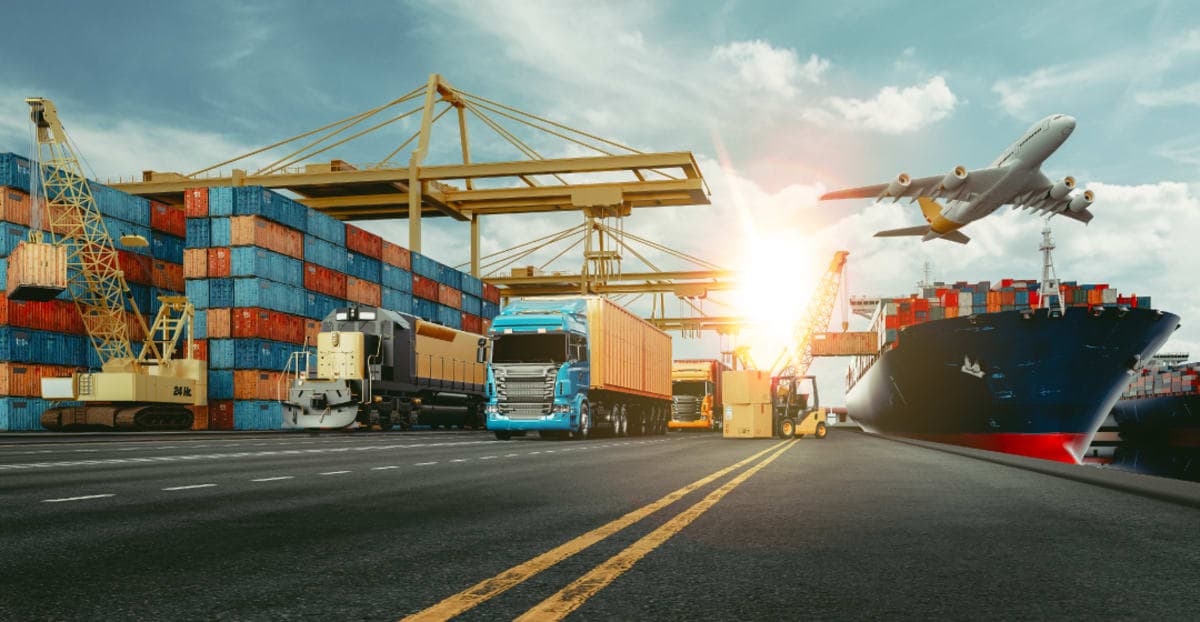
The United Arab Emirates (UAE) is a globally recognized trade hub that bridges Asia, Africa, and Europe. With a strategic geographic location, world-class infrastructure, and liberal trade policies, the country is a paradise for entrepreneurs seeking opportunities in Import Export in the UAE. Whether you’re importing electronics from China or exporting dates to Europe, the UAE offers the ideal platform for global commerce.
In this comprehensive 2025 guide, we’ll walk you through every detail related to Import Export in the UAE, including documentation, licensing, customs processes, and top-performing products.
1️⃣ 🌐 Why the UAE is the Best for Import Export Business
- 📈 Strategic Location: At the intersection of East and West, enabling faster shipping and lower costs.
- 🏛️ Advanced Infrastructure: World-class seaports (like Jebel Ali Port) and airports support large-scale cargo.
- 🌟 Business-Friendly Policies: Zero income tax, free zones, and easy setup procedures.
- ✅ Reputation: The UAE ranks among the top countries for ease of doing business and logistics performance.
The UAE is particularly attractive for startups and SMEs interested in Import Export in the UAE, thanks to minimal bureaucracy and strong international relations.

2️⃣ 📄 Types of Licenses Required
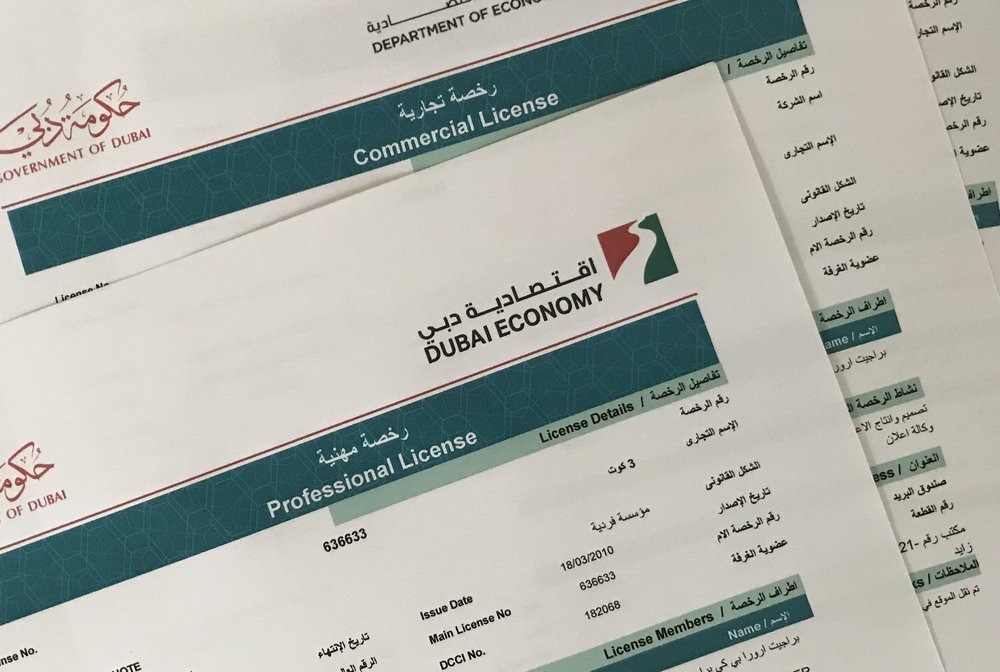
To engage legally in Import Export in the UAE, a business must secure the appropriate licenses:
- 🔖 Import License: Required to bring goods into the UAE.
- 🔖 Export License: Needed for sending goods outside the country.
- 🔖 Trade License: General license from DED (Dubai Economic Department) or Free Zone authorities.
Note: If operating from a free zone, the license may be limited to trading within the zone or internationally.
3️⃣ 🛋️ Documentation Needed
To facilitate Import Export in the UAE, these documents are typically required:
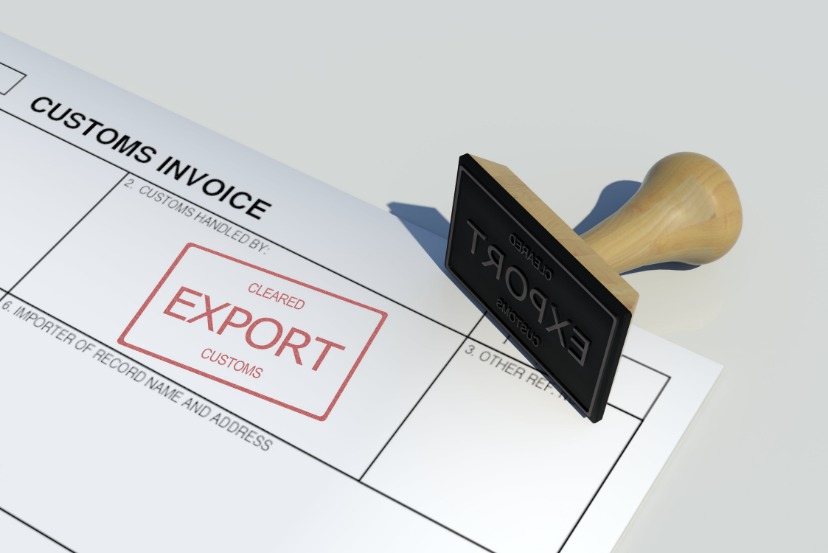
- Commercial Invoice
- Packing List
- Certificate of Origin
- Bill of Lading or Airway Bill
- Import/Export License Copy
- Insurance Certificate
- Delivery Order (from shipping agent)
Make sure your documents comply with UAE customs regulations to avoid delays or penalties.
4️⃣ 📆 Step-by-Step Process of Import Export in UAE
✉️ Importing Goods
- Register your business with Dubai Customs.
- Obtain an import license.
- Choose a freight forwarder or logistics company.
- Submit the required documents.
- Pay applicable customs duties (usually 5%).
- Clear goods through customs.
- Receive goods and distribute locally or regionally.
📦 Exporting Goods
- Register for an export license.
- Prepare and submit export documents.
- Arrange logistics and transportation.
- Declare goods to the UAE Customs.
- Ship to the destination country.
Each step ensures compliance with local and international trade regulations in Import Export in the UAE.
5️⃣ 🛦️ Major Ports and Airports for Trade
Key entry and exit points supporting Import Export in the UAE:
🚢 Seaports
- Jebel Ali Port (Dubai): Largest in the Middle East
- Khalifa Port (Abu Dhabi)
- Port Rashid (Dubai)
- Sharjah Port
✈️ Airports
- Dubai International Airport (DXB)
- Abu Dhabi International Airport (AUH)
- Sharjah International Airport (SHJ)
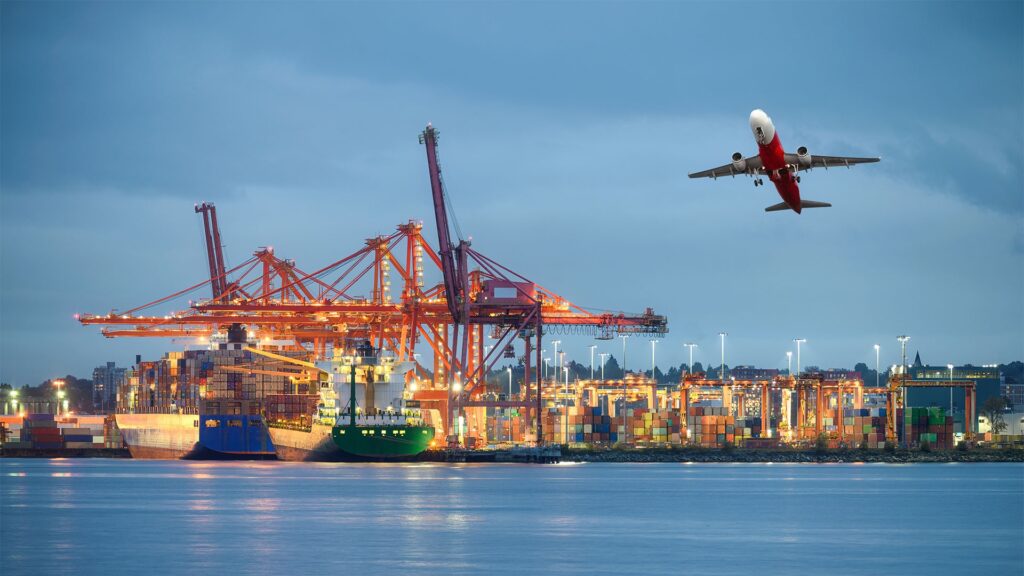
These ports and airports offer advanced cargo handling and customs clearance for Import Export in the UAE.
6️⃣ 🏦 Free Zones Supporting Import Export in the UAE
Free zones are designated areas that simplify trade:
- 🌐 JAFZA (Jebel Ali Free Zone)
- 🌐 RAKEZ (Ras Al Khaimah Economic Zone)
- 🌐 DMCC (Dubai Multi Commodities Centre)
- 🌐 DAFZA (Dubai Airport Free Zone)
- 🌐 SHAMS (Sharjah Media City)
They offer:
- 100% foreign ownership
- Full repatriation of profits
- No import/export duties within zones
Free zones are integral to growing Import Export in the UAE businesses.
7️⃣ 🌍 Top Imported and Exported Products
🎓 Top Imports
- Electronics & Appliances
- Automobiles
- Machinery
- Pharmaceuticals
- Gold & Jewelry
💼 Top Exports
- Crude oil & petroleum products
- Aluminum
- Dates & dried fruits
- Perfumes and cosmetics
- Ceramics and construction materials
Identifying high-demand products is crucial for success in Import Export in the UAE.
8️⃣ 🔒 UAE Customs and Regulations
Compliance is essential in Import Export in the UAE:
- All products must be declared.
- Prohibited items include narcotics, gambling tools, and radioactive materials.
- Labeling and packaging must meet UAE standards.
- Food and pharmaceuticals need special approvals.
Violating these rules can result in hefty fines or bans.
9️⃣ 🌟 How to Market Your Import Export Business
Promoting your Import Export business in the UAE is vital:
- Build a multilingual website.
- Use B2B portals (Alibaba, Tradekey).
- Attend trade shows in the UAE (Gulfood, Arab Health).
- Network in chambers of commerce.
- Leverage LinkedIn and local business directories.
Marketing is key to sustaining long-term success.
📅 Conclusion: Your Gateway to Global Trade
Whether you’re a seasoned trader or an aspiring entrepreneur, the future of Import Export in the UAE is exceptionally bright. With robust infrastructure, supportive policies, and access to over 2 billion consumers across continents, the UAE is your ideal base for international trade.
Focus on compliance, invest in smart logistics, understand product trends, and stay agile in a fast-paced market. The right strategy in Import Export in the UAE can help your business flourish in this globally connected economy.
🔗 External Resources
Also Read: Elite Real Estate Companies in UAE: 2025 Guide to Trusted Property Developers