🐾 Introduction
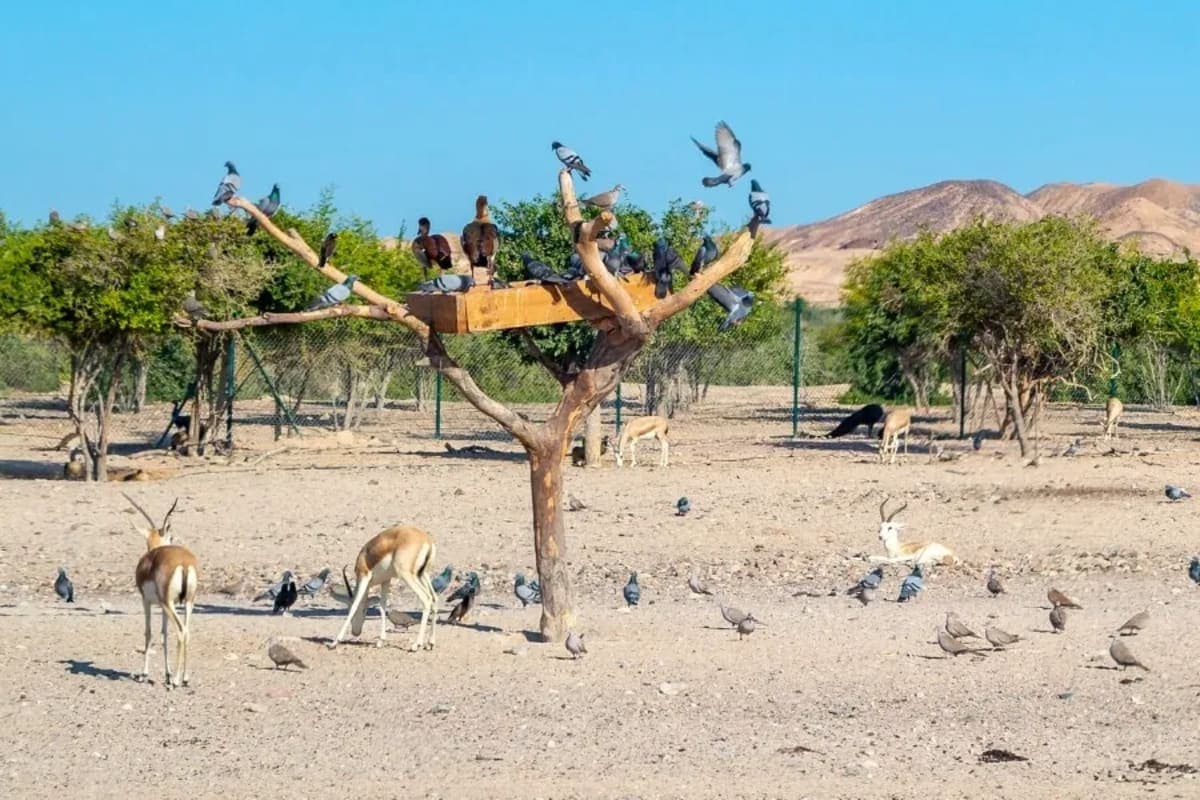
When it comes to remarkable success stories in wildlife conservation, few places match the inspiring resurgence seen on Sir Bani Yas Island. Once a bare desert island off the coast of Abu Dhabi, Sir Bani Yas has transformed into a flourishing wildlife sanctuary — home to dozens of species, many of them endangered or once extinct in the wild.
This article dives into wildlife facts about Sir Bani Yas Island that reveal how nature, careful planning, and conservation have combined to produce a vibrant animal kingdom thriving under protection.
1️⃣ A Vision That Started It All: Origins of the Wildlife Sanctuary
The foundation for today’s rich biodiversity on Sir Bani Yas Island began in 1971, when the late leader Sheikh Zayed bin Sultan Al Nahyan established the island as a nature reserve to protect and revive endangered Arabian species.
What began with just a handful of animals (including fewer than ten of the region’s native antelope) has grown over decades into one of the Gulf’s most successful conservation projects.
Today, Sir Bani Yas stands as a living example of how dedicated environmental stewardship can reverse the decline of wildlife — a foundation for many of the wildlife facts about Sir Bani Yas Island.
2️⃣ A Diverse Menagerie: Mammals Roaming Freely
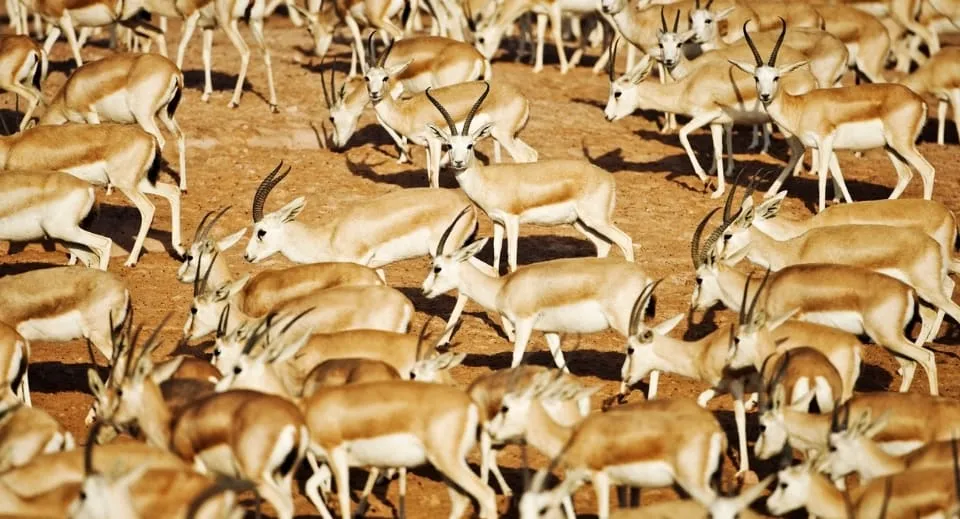
One of the most compelling wildlife facts about Sir Bani Yas Island is its surprisingly large and varied mammal population. The island supports roughly 30 species of mammals, ranging from antelopes and deer to predators and small mammals.
Notable examples include:
- Arabian Oryx — Once extinct in the wild, this species now thrives again on the island in one of its largest surviving herds.
- Gazelles: both the native Arabian Gazelle and sand/rheem or sand gazelle roam freely.
- Introduced species such as the Scimitar‑horned Oryx, Eland, Blackbuck Antelope, and deer species — all living in harmony thanks to habitat management.
These mammals roam large enclosures or even free‑range areas on the island — a key part of the wildlife facts about Sir Bani Yas Island that show how rewilding efforts aren’t just about preserving numbers, but about restoring natural behaviours.
3️⃣ Majestic Giants: Giraffes, Ostriches, and More
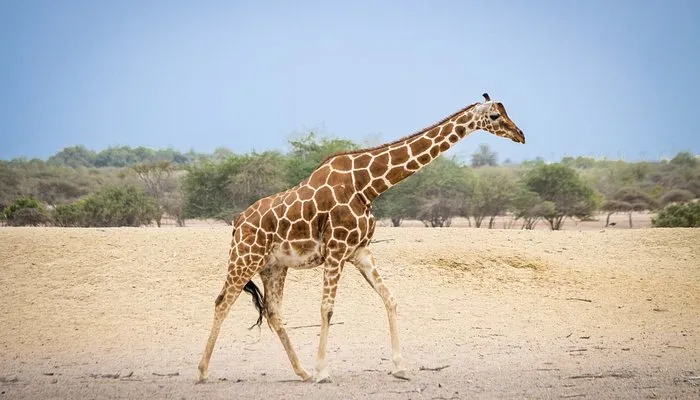
Sir Bani Yas Island is not limited to native Arabian species. Some of the most striking wildlife facts about Sir Bani Yas Island involve the presence of species typically associated with African savannahs.
- The island is home to free‑roaming giraffes, which stand out among the shrubs, trees, and open plains — a remarkable sight in an Arabian environment.
- Ostriches and peacocks can also be spotted, often wandering near grasslands, water bodies, or feeding stations alongside gazelles and deer.
This blend of indigenous and introduced species underscores how Sir Bani Yas serves as a versatile sanctuary — not just for Arabian wildlife, but for carefully selected global species that can adapt, helping to enrich biodiversity.
4️⃣ Predators and Natural Balance: Cheetahs, Hyenas, Hyraxes
A key dimension of the wildlife facts about Sir Bani Yas Island is that it’s not only herbivores — predators and scavengers form part of a functioning ecosystem here, helping maintain natural population balance.
- Cheetah — Once extinct in the wild in much of the region, cheetahs were reintroduced to the island around 2008–2009. Since then, cubs have been born successfully on the island, showing that rewilding and natural adaptation can work under care.
- Striped Hyena — These scavengers help clean up the ecosystem by feeding on leftover carcasses and maintain balance.
- Rock Hyrax — Small mammals resembling guinea pigs, rock hyraxes have found a habitat on the island and are part of the island’s biodiversity tapestry.
Thanks to these predators and scavengers, Sir Bani Yas avoids overpopulation of herbivores — a critical aspect supporting long-term ecological sustainability and one of the most fascinating wildlife facts about Sir Bani Yas Island.
5️⃣ Birds, Flamingos, and Aviary Diversity
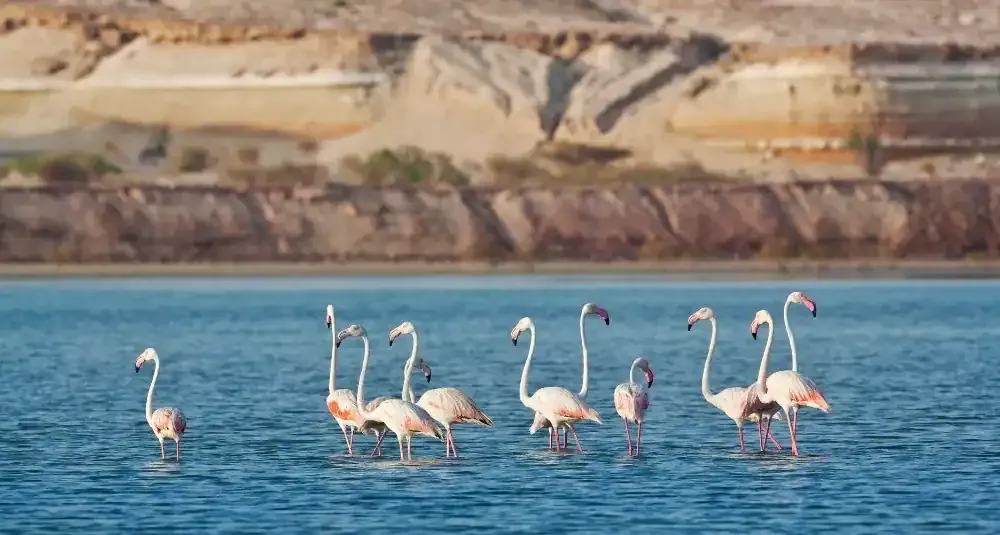
Beyond mammals, Sir Bani Yas Island boasts a rich avian population — another highlight among wildlife facts about Sir Bani Yas Island. Over 170 bird species have been recorded on the island, making it a haven for bird watchers and nature lovers alike.
- Spectacular flocks of Greater Flamingo gather in shallow lagoons, coastal mangroves, and artificial lakes — a vivid splash of color against the island’s greenery.
- Migratory birds, waterfowl, waders, and smaller resident species such as doves, guinea fowl, francolins, and partridges also thrive — making the island a dynamic mix of resident and migratory avifauna.
These bird populations add layers of ecological richness to Sir Bani Yas, reinforcing the island’s role as a comprehensive wildlife sanctuary — and underpinning important wildlife facts about Sir Bani Yas Island.
6️⃣ Habitat Transformation: From Desert to Green Sanctuary
One of the most extraordinary wildlife facts about Sir Bani Yas Island is not about the animals themselves — but about the land. The island was once an arid desert. Through decades of dedicated re‑vegetation, planning, and habitat creation, it has become a verdant refuge supporting a wide diversity of wildlife.
Planting tens of thousands of trees, establishing pastures, and creating lakes and mangrove‑lined inlets, the island now features a variety of habitats — plains, grasslands, water bodies, and woodlands.
This habitat transformation is fundamental to many of the wildlife facts about Sir Bani Yas Island: without a stable, welcoming environment, the rewilding of animals, both native and introduced, could never have succeeded.
7️⃣ Conservation Success: From Near-Extinction to Thriving Populations
Perhaps the most inspiring among the wildlife facts about Sir Bani Yas Island is how species once on the brink of extinction have been revived through careful breeding and reintroduction.
- The Arabian Oryx had disappeared from the wild by the early 1970s. On Sir Bani Yas, its herd has grown and now stands among the largest surviving populations in the world. Wikipedia
- The reintroduction of cheetahs — with cubs born on the island — shows that even top predators can readapt and contribute to a balanced ecosystem under protection. Anantara
- New species — including African antelope species and various deer — have found refuge and thriving populations, broadening the island’s biodiversity beyond native Arabian fauna.
These points demonstrate how Sir Bani Yas has become more than a reserve: it’s a success story for conservation, restoration, and hope for endangered wildlife — essential among wildlife facts about Sir Bani Yas Island.
8️⃣ A Unique Eco‑Tourism Experience: Safari Meets Conservation
The island doesn’t just serve as a conservation zone — it also welcomes visitors, offering them a chance to witness these wildlife facts about Sir Bani Yas Island firsthand.
Visitors can take guided safari drives through expansive, open‑range enclosures where herds of oryx, gazelles, giraffes, and deer roam freely. In combination with marshes, lagoons, and bird habitats, the experience is both educational and immersive. Time Out Dubai
This model of combining wildlife conservation with responsible eco‑tourism helps raise awareness among tourists — an approach that reinforces the island’s value not only to animals but to people.
✅ Conclusion
Sir Bani Yas Island stands as a beacon of hope in wildlife conservation — a place where careful human intervention has reversed the decline of endangered species, restored habitats, and created a thriving, balanced ecosystem. The wildlife facts about Sir Bani Yas Island show us that with vision, care, and patience, we can undo the damage done to nature and offer a second chance to species on the brink. From the majestic Arabian oryx to free‑roaming giraffes, from cheetahs hunting on open plains to flamingos flocking in lagoons — the island is a living testament to what dedicated conservation can achieve.
For anyone interested in wildlife, ecology, or the natural world of the Arabian Peninsula, Sir Bani Yas Island offers not just a safari — but a story of revival, resilience, and hope.
Also Read: Essential and Empowering Beach safety tips on Sir Bani Yas Island in 2025
Image Credits: The featured image has been taken from Abu Dhabi Travel Planner