
1️⃣ Introduction
Sharjah has become one of the most attractive emirates for people who want UAE quality of life without Dubai level prices. Understanding the Cost of Living in Sharjah is the first step before signing a lease, accepting a job offer, or moving your family. The city offers a mix of residential communities, strong cultural identity, and relatively affordable housing, which makes it especially popular with young professionals and families.

2️⃣ Big picture overview for 2025
Every household is different, but recent data gives a clear idea of what to expect. For a single person, many estimates put monthly essentials such as food, local transport, and basic utilities at around three thousand to thirty three hundred dirhams, not including rent. Families of four often need a budget of roughly ten thousand dirhams a month for day to day expenses before rent, depending on lifestyle and schooling choices. When you combine these everyday costs with accommodation, the full Cost of Living in Sharjah can still be significantly lower than in central Dubai or Abu Dhabi, especially if you choose a mid range neighbourhood and avoid frequent luxury spending.
3️⃣ Housing and Rents in Sharjah
For most residents, rent is the largest part of the Cost of Living in Sharjah. Average asking rents for apartments vary by area, building age, and facilities. Recent listings suggest that one bedroom apartments in popular central areas such as Al Majaz or Al Nahda often range from about thirty thousand to fifty thousand dirhams a year. In more suburban districts like Muwaileh or Al Dhaid, one bedroom options from roughly twenty thousand to thirty five thousand dirhams a year are common, and older buildings can be even cheaper.
If you are moving with a partner or family, a two or three bedroom flat will naturally push your housing budget higher. Typical annual rents for mid range family apartments might sit between forty five thousand and seventy thousand dirhams, while villas in residential communities can easily cross one hundred thousand dirhams a year, especially for larger homes with private gardens. To keep your personal Cost of Living in Sharjah under control, it helps to balance commute time with rent, since areas a little further from the coast or Dubai border usually come with more reasonable prices.
4️⃣ Utilities and home bills in Sharjah
Electricity, water, cooling, and internet are essential items in any monthly plan. For a standard apartment, many residents report combined electricity, water, and cooling bills in the six hundred to seven hundred dirham range per month, though heavy air conditioning use in the summer can push this higher. Internet packages from major providers usually start from around two hundred to three hundred dirhams monthly for home broadband, depending on speed and bundle offers.
Households living in larger villas, or those that keep air conditioning running for long hours, should expect noticeably higher utility costs. When you add utilities and connectivity to your rent, the Cost of Living in Sharjah becomes much easier to predict, since these recurring bills tend to follow a stable pattern once you settle into a routine.
5️⃣ Transportation and commuting in Sharjah
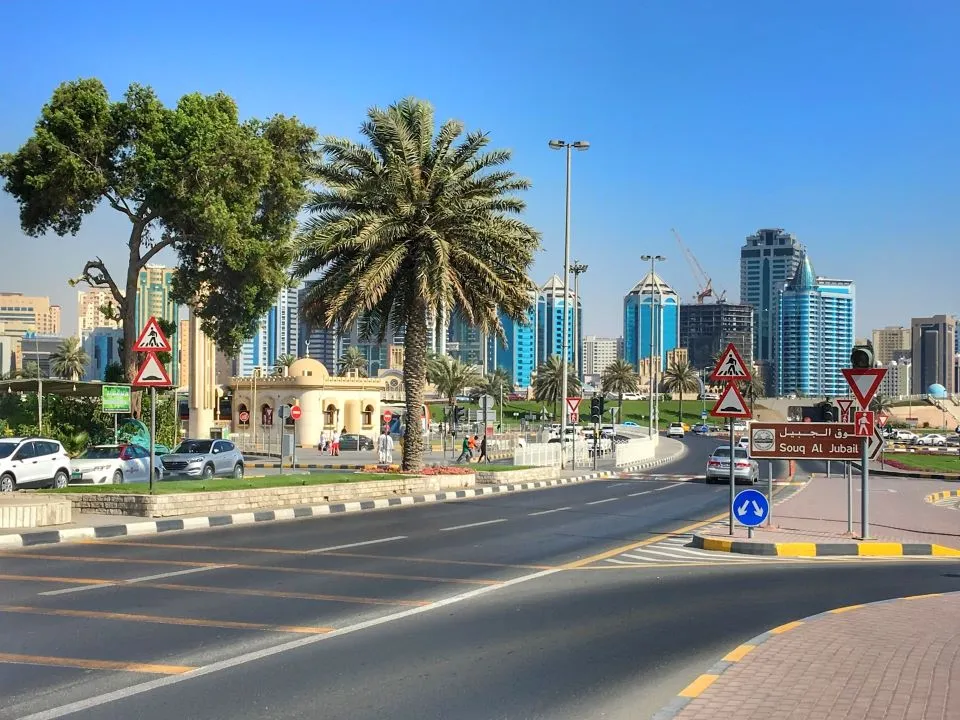
Public transport and taxis in Sharjah are designed to stay affordable compared with many global cities. City bus tickets often cost between six and ten dirhams for a single trip, while intercity services that connect Sharjah with Dubai and other emirates remain popular with both workers and students. Taxis have a minimum fare a little above eleven dirhams within the city, with the final price based on distance and time.
Many residents still prefer to own a car for flexibility. In that case your monthly transport budget must also cover fuel, Salik tolls when driving into Dubai, parking where applicable, and regular maintenance. For budgeting purposes, it is common to set aside several hundred dirhams each month for car expenses, especially if daily commuting between Sharjah and Dubai is part of your lifestyle and therefore part of your personal Cost of Living in Sharjah.
6️⃣ Food, groceries, and eating out
Food costs in Sharjah depend heavily on where and how you like to shop. Hypermarkets and cooperative stores usually offer competitive prices on essentials such as rice, bread, fresh produce, and cleaning products. A careful shopper who takes advantage of weekly promotions can manage a monthly grocery bill of around six hundred to nine hundred dirhams for one person, while families naturally spend more, often crossing fifteen hundred dirhams or higher depending on preferences and dietary needs.
Eating out ranges from very budget friendly to premium. Small cafeterias and local restaurants serve filling meals for around fifteen to thirty dirhams, which is ideal for workers and students keeping an eye on daily spending. Planning how many meals you cook at home versus how often you eat out has a direct impact on the Cost of Living in Sharjah for both singles and families.
7️⃣ Education and childcare in Sharjah
Schooling is one of the biggest variables in any family budget. Sharjah hosts a wide choice of curricula including British, American, Indian, and international syllabi, with tuition fees that range from relatively modest to premium. Annual fees for many mid tier private schools can start around fifteen thousand dirhams per child and rise to thirty thousand or more in higher grades or more established institutions.
On top of tuition, families need to factor in uniforms, books, transportation, and optional activities such as sports, music, or tutoring. Nursery or daycare for younger children also adds several thousand dirhams a year, depending on hours and location. Because education spending can easily match or even exceed rent for some households, parents who are calculating the Cost of Living in Sharjah should request detailed fee structures from schools in advance and compare the total annual cost rather than just looking at advertised term fees.
8️⃣ Healthcare, insurance, and personal care in Sharjah
The UAE maintains a modern healthcare system, and Sharjah benefits from both public and private facilities. Many residents have medical coverage through their employers, which significantly reduces out of pocket costs.
Even with insurance, it is important to budget for routine dental visits, occasional specialist consultations, and medicines that might not be fully covered. Personal care expenses such as gym memberships, salon visits, and wellness treatments vary widely depending on preferences. People who maintain a modest lifestyle with simple fitness routines and limited luxury treatments will find it easier to keep the Cost of Living in Sharjah within a comfortable range without sacrificing health or wellbeing.
9️⃣ Lifestyle, entertainment, and hidden costs
Sharjah is known for its family friendly environment and cultural attractions. Entry fees for museums, parks, and cultural centres are usually modest, and many public beaches remain free or low cost. Cinema tickets, indoor play areas for children, and occasional weekend trips to nearby emirates add to the fun but also to the monthly bill.
Residents should also keep an eye on other common expenses such as mobile phone plans, clothing, gifts during festive seasons, and travel tickets for annual holidays. Value Added Tax at five percent applies to most goods and services, which slightly increases the final price at checkout. When these smaller items are tracked carefully, they can be built into a realistic picture of the Cost of Living in Sharjah instead of becoming surprising end of month expenses.
1️⃣0️⃣ Practical budgeting tips for residents
Once you understand the main spending categories, managing the Cost of Living in Sharjah becomes much more practical. Many long term residents recommend starting with a simple monthly budget that separates fixed costs such as rent, utilities, and school fees from flexible spending on food, transport, and entertainment.
It also helps to compare different neighbourhoods before choosing where to live, ask landlords about included services such as parking or chiller, and look for housing close to your workplace or chosen school to minimise commuting costs. Using loyalty programmes at supermarkets, sharing car rides, and choosing free community events over frequent premium outings can collectively reduce your overall Cost of Living in Sharjah without taking away from your quality of life.
Conclusion
Sharjah continues to offer a strong balance between affordability and quality of life when compared with many regional and international cities. Housing remains more accessible than in neighbouring Dubai, daily essentials are reasonably priced if you shop smartly, and families benefit from a wide range of educational and healthcare options at different price levels. At the same time, it is important to remember that individual choices on housing, schooling, car ownership, and leisure will strongly influence your personal Cost of Living in Sharjah.
By researching current prices, talking to employers about provided benefits, and planning your budget in advance, you can approach life in Sharjah with clear expectations. Whether you are a student, single professional, or family moving from overseas or from another emirate, understanding the Cost of Living in Sharjah in detail will help you make confident decisions and enjoy the opportunities this emirate has to offer.
References
- Property Finder, a guide to living costs in Sharjah, UAE
- Kredium, an overview of Sharjah property rents by district
- Immigrant Invest, a study on UAE living expenses in 2025, with a section on Sharjah
- Edarabia, Sharjah bus routes, map, timing guide, and sample fares. Link edarabia.com
- UAE Government portal, summary of value-added tax in the country, including the current rate.
- Property Finder, sample rents for one-bedroom apartments in Sharjah
- DMCC, comparison of living expenses between Dubai, Abu Dhabi, and Sharjah
Also Read: Top 8 Residential Areas in Sharjah for Families and Professionals in 2025