Introduction
Dubai is widely known for innovation and modern architecture, but its cultural foundation is equally impressive. Historic sites in Dubai offer visitors a rare opportunity to understand how the city evolved from a small trading settlement into a global destination. These locations are carefully preserved and officially recognized by Dubai authorities.
For travelers, students, and residents, Historic sites in Dubai provide real insight into Emirati traditions, early commerce, and daily life before oil discovery. Every location tells a verified story rooted in documented history.
This guide covers the most important Historic sites in Dubai that are open to the public and remain relevant and authentic as of 2026.
🏛️ 1. Al Fahidi Historical Neighborhood
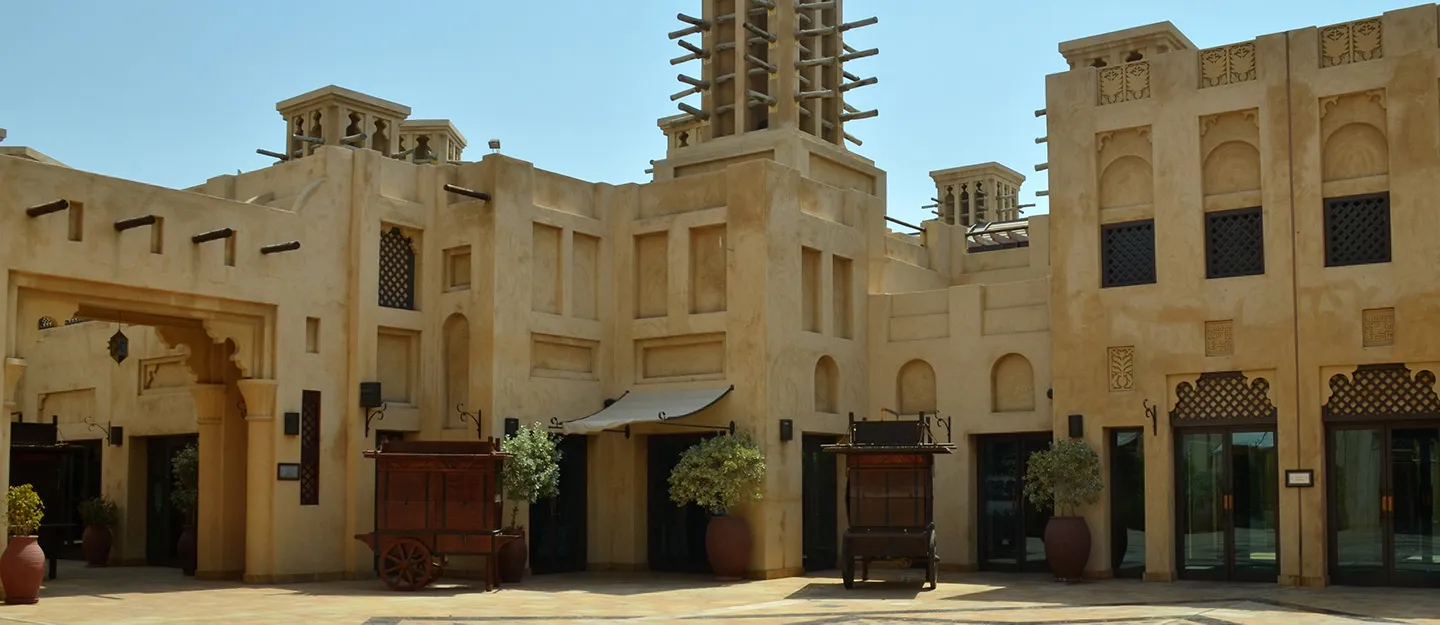
Al Fahidi Historical Neighborhood, previously known as Bastakiya, is one of the oldest surviving areas in the city. Built in the late nineteenth century, this district showcases traditional wind tower architecture made from coral stone and gypsum.
Among all Historic sites in Dubai, Al Fahidi stands out because it reflects residential life before modernization. Visitors can walk through narrow lanes, explore art galleries, and visit preserved courtyard houses.
Dubai Culture and Arts Authority officially manages this area, making it one of the most reliable Historic sites in Dubai for educational and cultural visits.
🕌 2. Al Fahidi Fort and Dubai Museum
Al Fahidi Fort is the oldest existing structure in the emirate, constructed around 1787. It now houses Dubai Museum, which presents archaeological findings and historical exhibits.
As one of the most visited Historic sites in Dubai, the museum documents early fishing, pearl diving, and desert life using verified artifacts and dioramas. The fort itself once served as a defense structure, prison, and ruler’s residence.
This location remains one of the most informative Historic sites in Dubai for understanding how governance and community life developed.
⛴️ 3. Dubai Creek and Heritage Areas
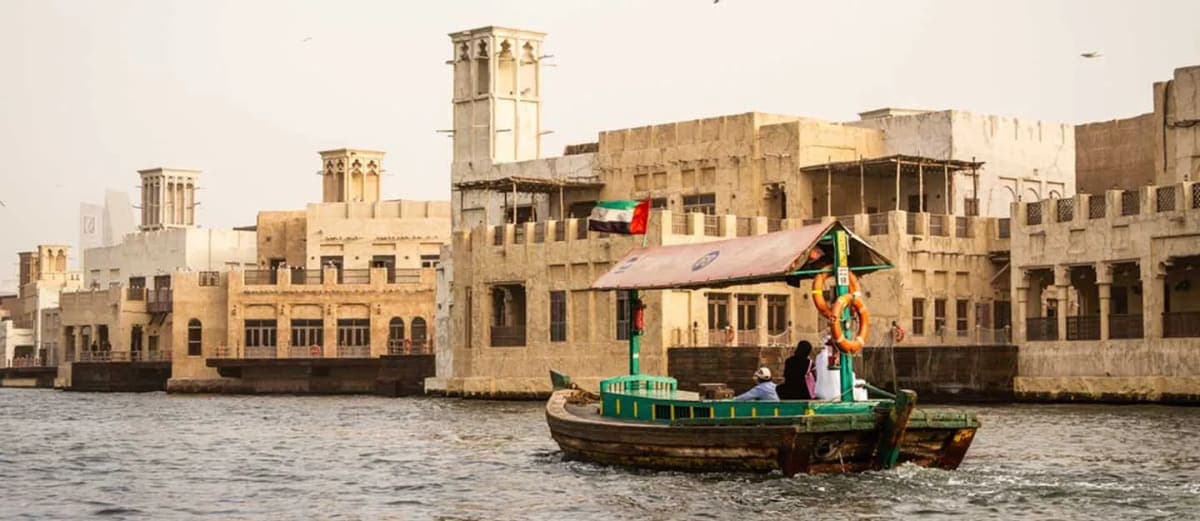
Dubai Creek played a central role in trade and settlement growth. It divided Deira and Bur Dubai and served as a trading hub for merchants from Iran, India, and East Africa.
Among Historic sites in Dubai, the creek is unique because it remains active today. Traditional abras still operate under the Roads and Transport Authority. Nearby heritage areas such as Al Shindagha further highlight maritime history.
Dubai Creek continues to be one of the most culturally important Historic sites in Dubai, officially protected for its historical value.
🏠 4. Al Shindagha Museum and Heritage District
Al Shindagha is where the ruling Al Maktoum family settled in the nineteenth century. The area has been restored into a large heritage district featuring museums focused on social life, customs, and governance.
This district is one of the most comprehensive Historic sites in Dubai, offering structured exhibitions approved by Dubai Culture. Houses such as Sheikh Saeed Al Maktoum House are part of this area.
Al Shindagha represents Historic sites in Dubai that focus on leadership history and traditional coastal life.
🛕 5. Jumeirah Archaeological Site
The Jumeirah Archaeological Site dates back to the Abbasid period between the ninth and eleventh centuries. Excavations revealed remains of houses, pottery, and coins.
Unlike restored districts, this site is valued among Historic sites in Dubai for its archaeological authenticity. The findings confirm early Islamic settlement patterns along the coast.
The site is officially documented and remains one of the lesser known yet important Historic sites in Dubai accessible to visitors.
🕌 6. Hatta Heritage Village
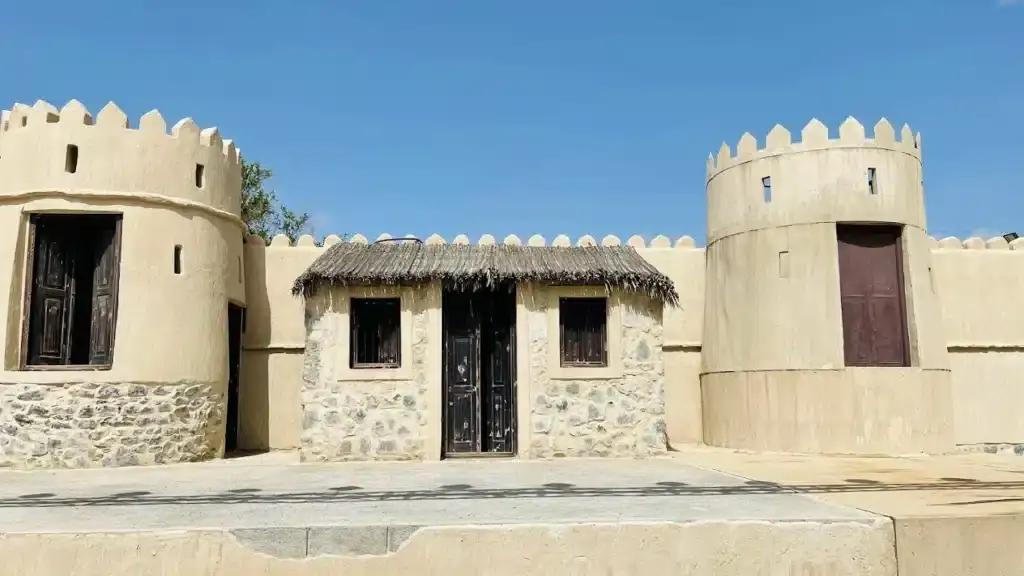
Located in the Hajar Mountains, Hatta Heritage Village reflects life in a mountain community. The village includes restored homes, watchtowers, and a mosque built from stone and mud.
Among Historic sites in Dubai, Hatta is unique because it shows non coastal settlement history. It reflects agricultural and defensive lifestyles that differ from coastal Dubai.
Managed by Dubai Municipality, Hatta Heritage Village remains one of the most authentic Historic sites in Dubai outside the city center.
🏛️ 7. Saruq Al Hadid Archaeology Museum
Saruq Al Hadid Museum focuses on discoveries from an ancient iron age site in the Rub Al Khali desert. Artifacts include metal tools and ceremonial items dating back over three thousand years.
This museum strengthens the importance of Historic sites in Dubai by proving early industrial activity in the region. The building itself is located in a restored traditional house.
It remains one of the most academically significant Historic sites in Dubai supported by archaeological research.
🕌 8. Sheikh Obaid bin Thani House
Sheikh Obaid bin Thani House is an early twentieth century residence that reflects traditional Emirati architecture. It includes coral stone walls, wind towers, and inner courtyards.
As one of the preserved Historic sites in Dubai, the house is occasionally open for cultural programs and exhibitions. It represents elite residential life before modern housing.
This site adds depth to the list of Historic sites in Dubai focused on architecture and family life.
Conclusion
Dubai’s heritage locations offer verified and preserved insight into the city’s past. From forts and archaeological sites to heritage villages, each location has official historical backing. Historic sites in Dubai are not only tourist attractions but educational spaces that connect the present generation with documented history.
By visiting these locations, travelers gain a balanced view of Dubai beyond modern skylines. Historic sites in Dubai continue to play a key role in cultural preservation and public awareness in 2026.
Also Read: Power Guide to the Most Profitable Small Businesses in Dubai (2026 Reality Check)
Image Credits: The featured image has been taken from Bayut