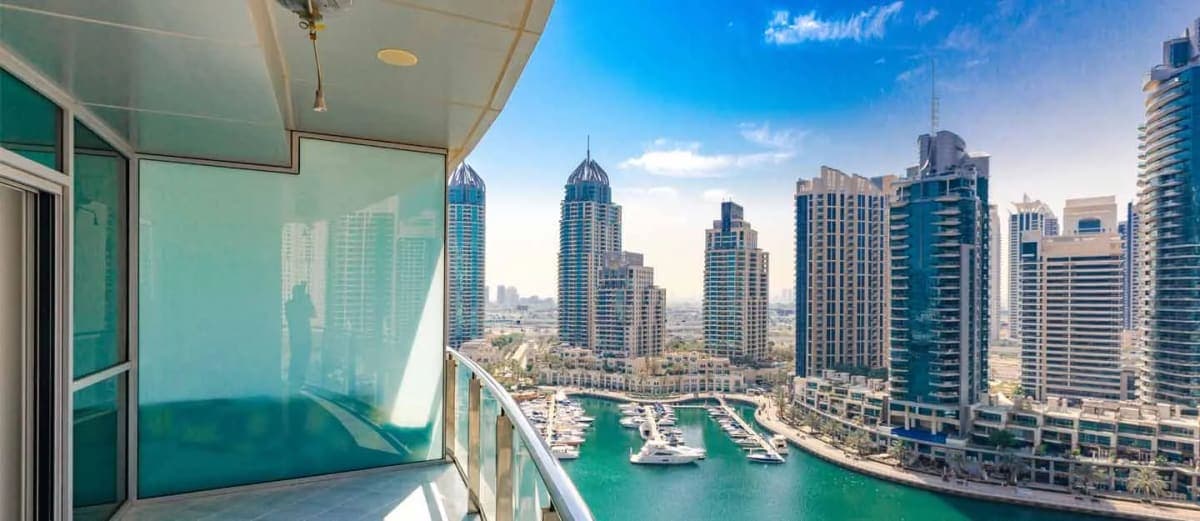
1️⃣ Introduction
For many residents and new arrivals, the biggest part of the monthly budget is the decision to rent an apartment in Dubai for work, study, or family life in 2025. The city has seen several years of strong demand, new supply, and changing rules, so relying on outdated numbers can easily mislead you.
Recent reports show that residential prices surged strongly between 2022 and early 2025 before analysts started to anticipate a possible cooling by late 2025 and 2026, as a large wave of new homes is delivered. At the same time, official rent calculators and updated regulatory rules are shaping how much landlords can increase rents when contracts renew.
This guide uses current data from official and well-known portals to outline real rent levels in 2025, typical costs by apartment size and area, new rules that affect tenants, and practical ways to keep your budget under control.
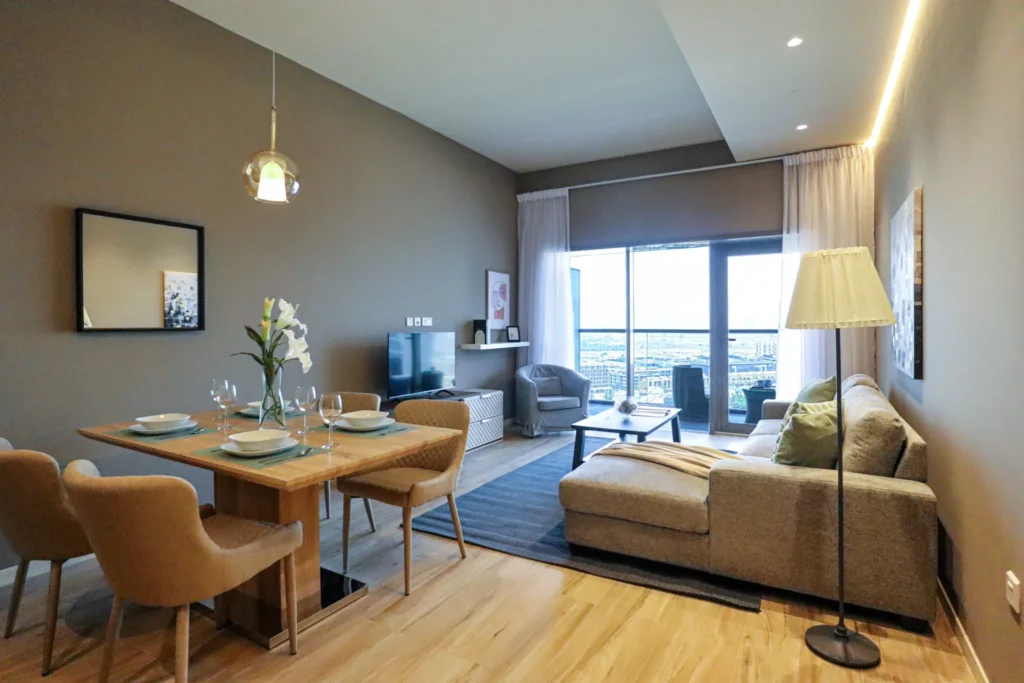
2️⃣ What it really costs to rent an apartment in Dubai in 2025
On a city-wide level, people who rent an apartment in Dubai today face a wide range of prices depending on size and location, but some reliable averages help you plan.
Engel and Völkers reports that as of mid-2025, the average yearly rent across Dubai for apartments is approximately: studio about 40 thousand four hundred thirty nine dirhams, one bedroom about 61 thousand eight hundred eighty five, two bedroom about 85 thousand four hundred sixty one, and three bedroom about 141 thousand six hundred fifty three.
Market listings also confirm the widespread. Property Finder notes that apartment rents in Dubai range roughly from about fourteen thousand dirhams per year for the lowest priced units to above two hundred fifteen thousand dirhams for larger or premium homes, with monthly apartment rents typically starting around three thousand four hundred dirhams and going up to more than twenty-one thousand.
3️⃣ Typical yearly rent by apartment size in 2025
Once you decide to rent an apartment in Dubai, you also need to choose the right size, since that is usually the single biggest driver of your housing cost.
Several recent sources give a consistent picture of what different sizes cost
- Studios
Engel and Völkers places the average yearly studio rent at forty thousand dirhams. Affordable neighbourhood studies show that in budget-friendly areas such as Al Nahda and Deira, a studio can average around thirty-three thousand nine hundred to thirty-eight thousand dirhams per year, which is below the citywide studio average. - One-bedroom apartments
Dubai Land Department transaction data, as summarised by Bayut, shows an average one-bedroom rent of about sixty-nine thousand six hundred sixty-six dirhams a year across the city. Engel and Völkers give a similar but slightly lower average of about sixty-one thousand eight hundred eighty-five dirhams. Separately, Numbeo data compiled by DMCC for late 2024 indicates that a one-bedroom in the city centre averages roughly eight thousand one hundred seventy-five dirhams per month, while a one-bedroom outside the centre averages about five thousand eighty-nine per month. - Two-bedroom apartments
The same Engel and Völkers data shows an average yearly rent of eighty-five thousand four hundred sixty-one dirhams for two-bedroom apartments citywide. In prime locations, this figure can be significantly higher. For example, a 2024 rental market report found that average one-bedroom rents in Dubai Marina alone exceeded about one hundred nine thousand dirhams per year, with two-bedroom apartments there reaching around one hundred fifty four thousand. - Three-bedroom apartments
For families, DMCC’s cost of living overview, using Numbeo data updated in late 2024, suggests three-bedroom homes in the city centre at roughly fifteen thousand two hundred sixty-seven dirhams per month and about ten thousand fourteen dirhams per month outside the centre. The Engel and Völkers average for three-bedroom apartments across the city, at about one hundred forty-one thousand six hundred fifty-three dirhams yearly, lines up with these figures once you consider the mix of cheaper and more expensive areas.
These averages set the baseline. The next major variable is where in the city you choose to live.
4️⃣ Location choices and what you will pay
Location is the second big driver when you rent an apartment in Dubai because choosing a central district or an outer community can change your rent by thousands of dirhams each year.
Recent rental market reports and portal data highlight three broad location tiers
- Prime and luxury waterfront districts
Waterfront communities such as Dubai Marina, Downtown, Business Bay, and Palm Jumeirah are among the most expensive places to live. A 2024 report ranked Dubai Marina as the leading area for luxury apartments, and mentioned that average one-bedroom rents there had risen above about one hundred nine thousand dirhams yearly, with two-bedroom apartments around one hundred fifty four thousand. Listings in Dubai Marina during late 2025 also show many one-bedroom homes priced between about one hundred sixty thousand and two hundred thousand dirhams a year, depending on tower, view, and finish. - Mid-range central communities
Areas such as Jumeirah Village Circle, Dubai Sports City, Motor City, and parts of Al Barsha often offer more moderate rents while still keeping you relatively close to business hubs. Coverage of affordable central areas in 2024 and 2025 repeatedly lists Jumeirah Village Circle, Dubai Sports City, and Motor City as value options for tenants who want reasonable commutes at lower prices than the waterfront tower districts. - Budget-friendly outer or older districts
Tenants willing to live a little further from the main business zones can significantly reduce costs. Guides to cheaper housing repeatedly name Al Nahda, International City, Deira, Dubai Silicon Oasis, Al Qusais, and Mirdif among the most budget-friendly areas. Studio apartments in some of these districts can average in the mid-thirty thousand dirham range annually, while one-bedroom homes in Dubai Silicon Oasis are quoted around forty-six thousand five hundred dirhams yearly.
If you want to live in central business districts and still rent an apartment in Dubai without stretching every dirham, choosing mid-range buildings in Business Bay, older towers in Jumeirah Lakes Towers, or newer areas slightly beyond Downtown often brings more value than the top waterfront or branded residences.
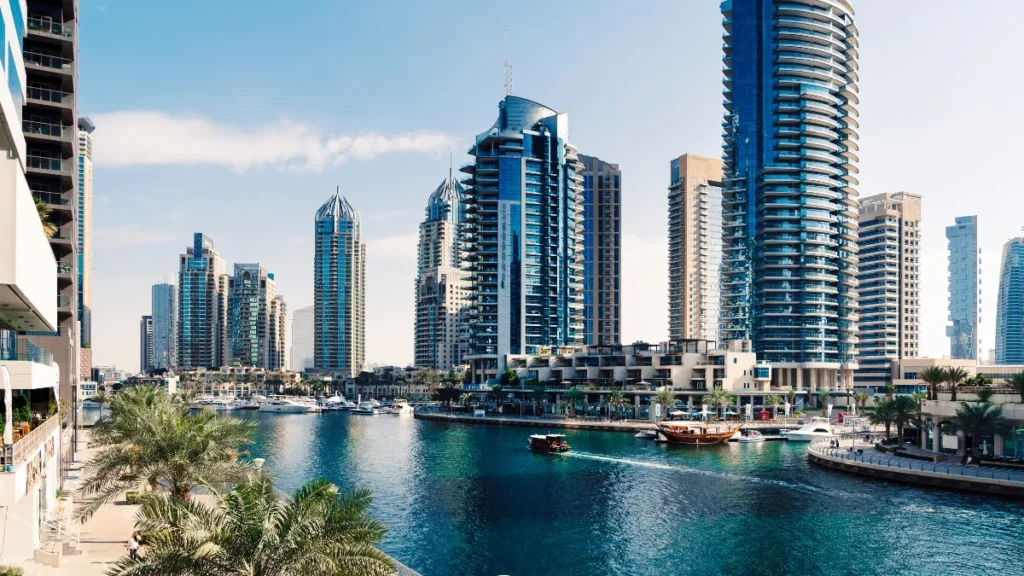
5️⃣ Upfront payments and hidden fees when you rent
Beyond headline rent, everyone who plans to rent an apartment in Dubai in 2025 also needs to budget for upfront payments and fees that are easy to overlook. Typical cost items include
- Security deposit
Commonly, five percent of yearly rent for unfurnished homes and around ten percent for furnished ones, held by the landlord and refunded at the end of the tenancy if there is no damage. - Agency commission
Many leases involve a broker who charges a fee, often around five percent of the annual rent. Always confirm the exact rate on your tenancy contract. - Ejari registration
Every tenancy contract must be registered on the Ejari system of the Dubai Land Department. There is a government fee for this service, often paid at the start of the lease. - Checkbook or payment method costs
Traditionally, rent is paid using post-dated cheques. Some landlords now accept electronic payments or monthly direct debit, sometimes through property management platforms, but you should still confirm any related charges with your bank or landlord. - Utilities and services
DEWA electricity and water connection deposits, possible air conditioning charges (for example, through a district cooling provider), internet, and home contents insurance should all be included in your budget.
These extra amounts can easily equal one or two extra months of rent in the first year, so it is important to add them when you decide how much you can really spend to rent an apartment in Dubai in 2025.
6️⃣ What moves your rent up or down
After you understand base prices, it helps to know which levers can reduce what you pay when you rent an apartment in Dubai. Several variables matter in 2025
- Furnished versus unfurnished
Research into profitable rental hotspots notes that fully or partly furnished apartments can command ten to twenty percent higher rents than equivalent unfurnished units, and in popular areas such as Dubai Marina and Downtown, the uplift for furnished homes can reach about fifteen percent. - Length and structure of the lease
Most contracts run for one year, but some landlords may consider slightly lower annual rent in return for fewer cheques or up-front payment. Others may offer a higher rent in exchange for more flexible monthly payment terms. - New supply and market cycle
Fitch Ratings expects overall residential prices in Dubai to fall by up to around fifteen percent from late 2025 into 2026 after a sixty percent rise between 2022 and early 2025, mainly because about two hundred ten thousand new units are due to be delivered over two years. Increased supply usually puts gentle downward pressure on rents, especially in more standard apartment communities, although prime areas may behave differently. - Building quality and amenities
Newer towers with pools, gyms, children’s play areas, and concierge service can justify noticeably higher rents than older buildings in the same neighbourhood. - Distance to metro and key roads
Properties within walking distance of metro stations or with easy access to Sheikh Zayed Road, Al Khail Road, and other major routes usually command higher rents because they cut commute time.
Understanding these levers makes it easier to adjust your expectations and shortlist properties that give the best value for your budget.
7️⃣ New rules and rental index updates you must know
Rules matter just as much as prices, especially for anyone who wants to rent an apartment in Dubai under a one-year Ejari contract in 2025.
- RERA Rental Index and allowed increases
Dubai’s Real Estate Regulatory Agency maintains a rental index and an online calculator that show average rent levels by area, property type, and size, and also sets the maximum legal rent increase when a contract is renewed. An update to the RERA rental index for 2025 allows rent increases up to twenty percent in some cases, depending on how far the current contract is below the median rent for that area and property type. Both landlords and tenants are expected to use the RERA calculator to check any proposed increase. - New Ejari co-living reporting requirement
Since mid-2025, tenants have been required to update their Ejari records with details of all people living in the property. A recent report notes that this rule aims to regulate co-living, prevent unauthorised occupancy, and ensure accurate residency records, and that tenants can now even update Ejari via new digital channels, including a WhatsApp-based feature. This does not directly change base rent, but it can affect sharing arrangements if some occupants are not officially registered. - Notice periods and renewal negotiations
Dubai law requires a written notice period for non-renewal or changes in contract terms, commonly ninety days before expiry unless both parties agree otherwise. Tenants who know the RERA index figures for their building and area are in a stronger position to negotiate renewal terms that match market levels.
By checking the rental index and keeping Ejari details accurate, you lower the risk of disputes and keep your tenancy aligned with current rules.
8️⃣ Money-saving strategies when you rent in 2025
Smart planning can noticeably reduce what you spend when you rent an apartment in Dubai, even in a high-demand year like 2025. Consider these practical strategies
- Choose the area and size first
Before you rent an apartment in Dubai, decide how much space you truly need and which areas give you a realistic commute. Moving from a prime waterfront community to a mid-range or budget-friendly district can cut your yearly housing cost by tens of thousands of dirhams, without sacrificing safety or basic amenities. Use recent market reports and portal filters to compare average rents between two or three shortlisted communities rather than browsing all of Dubai at once. - Compare furnished and unfurnished options carefully
Furnished properties can look attractive in the short term, but because furnished units often carry ten to twenty percent higher rent, it may be cheaper over a two or three-year period to buy basic furniture and rent an apartment in Dubai that is unfurnished, especially outside the most premium locations. The exception is short stays or trial periods in the city, where a fully furnished place may still make more sense. - Use the RERA calculator before signing or renewing
Always check your proposed rent against the RERA rental index and calculator. If the requested rent is significantly above the range shown for your area and size, you can share a copy of the official calculator result with the landlord or agent to support your negotiation. - Negotiate payment structure, not only price
Some landlords prefer fewer cheques or a larger amount up front. If you can offer that, you may be able to secure a lower annual figure. If cash flow is tight, look for landlords open to monthly payments even if the annual amount is slightly higher. - Factor transport and hidden costs into your choice
A cheaper apartment far from the metro may require a car, fuel, and parking, which can end up costing more than a slightly higher rent in a location close to public transport or your workplace. Also, check whether air conditioning is billed separately through a district cooling provider and what typical monthly charges look like in that building. - Consider flat sharing where allowed
Sharing larger apartments is common in Dubai, especially in districts with budget-friendly rents. The new Ejari rules require all occupants to be registered, so make sure any sharing arrangement is fully compliant and that costs and responsibilities are clearly agreed upon among everyone living there.
By combining these steps, you can often bring your effective monthly housing cost much closer to the lower end of the ranges quoted earlier.
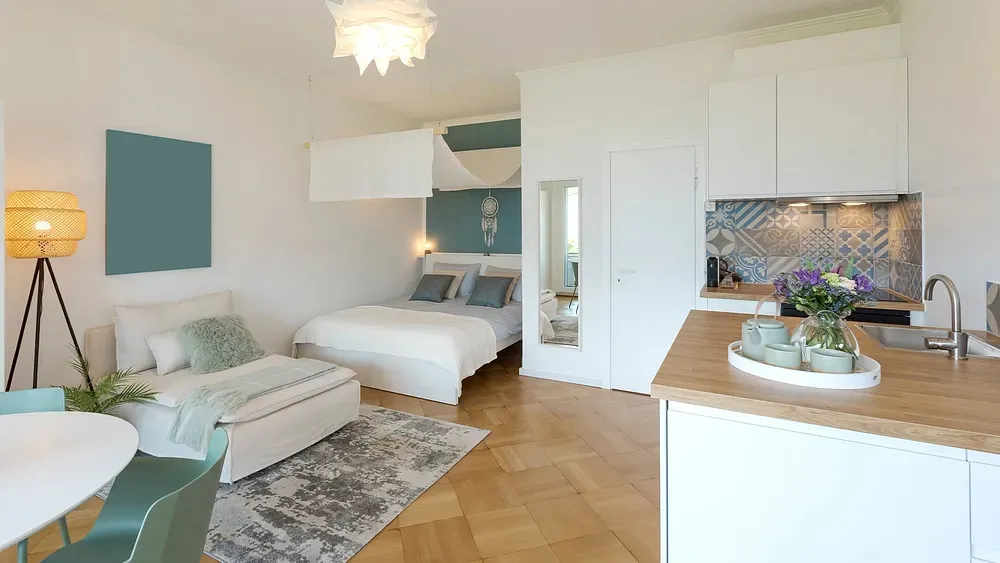
9️⃣ Conclusion
The cost to rent an apartment in Dubai in 2025 depends on three things more than any others: the size of the home, the location in the city, and the level of furnishing and amenities, but the data shared above offers a realistic starting point for planning. Verified figures from professional reports and official calculators show that average yearly apartment rents span from around forty thousand dirhams for a studio to more than one hundred forty thousand for three-bedroom homes, with prime waterfront districts often well above those averages and outer or older districts significantly below them.
If you are relocating soon and aim to rent an apartment in Dubai for the first time, focus on trusted property portals, confirm numbers through the Dubai Land Department rental index, and build a full budget that includes deposits, Ejari fees, agent costs, utilities, and furniture, rather than only the advertised yearly figure.
Taking time to research before you rent an apartment in Dubai can protect your cash flow, reduce the risk of unpleasant surprises at renewal, and make everyday life in the city more comfortable and predictable.
Reference links
- Dubai Land Department Rental Index and calculator
- Engel and Völkers’ average apartment rents in Dubai 2025
- DMCC cost of living in Dubai article using Numbeo data
- Property Finder apartments for rent in Dubai
- Bayut’s average rent for one-bedroom apartments in Dubai
- Engel and Völkers’ summary ofthe RERA Rental Index Dubai 2025
- Reuters summary of Fitch forecast on Dubai real estate correction
Also Read: Best Residential Areas in Dubai for Comfortable Living in 2025