🌍 1. Introduction to Al Ain Oasis
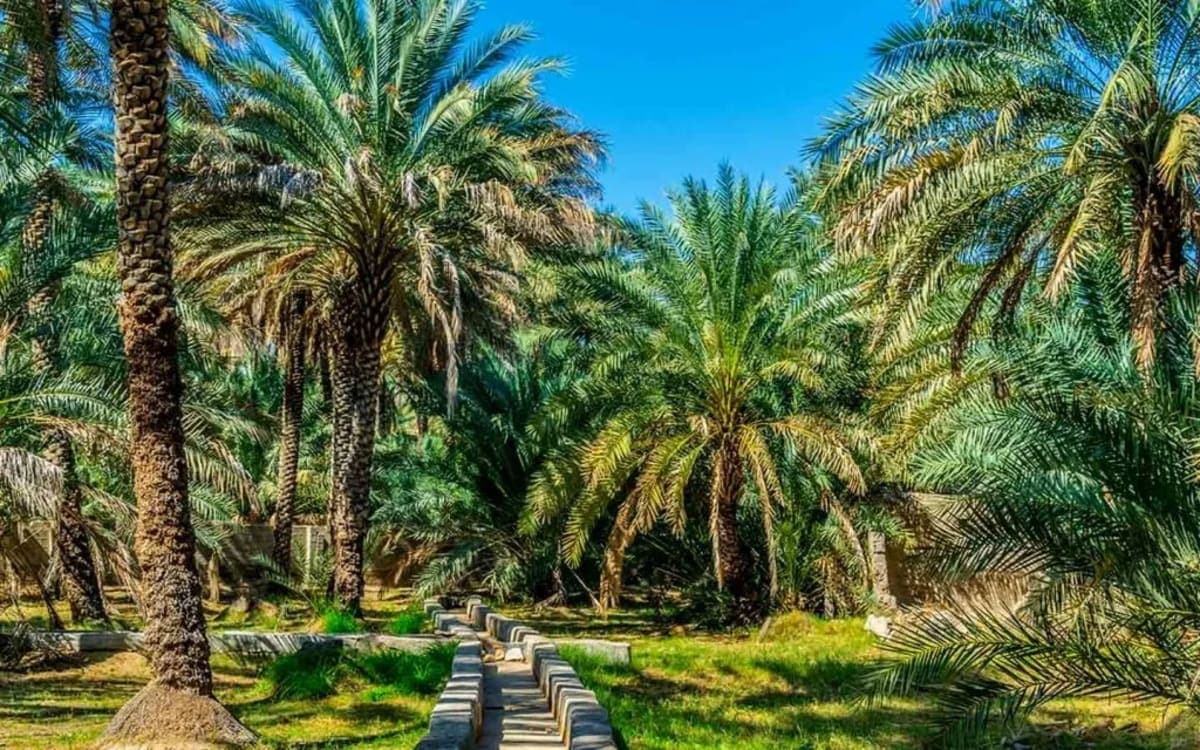
Nestled in the heart of the city of Al Ain in the Emirate of Abu Dhabi, Al Ain Oasis is one of the most remarkable cultural landscapes in the United Arab Emirates. Recognized as a UNESCO World Heritage Site in 2011, this historic oasis is not only a symbol of sustainable living but also a living museum that reflects how people thrived in the desert for thousands of years.
Covering over 1,200 hectares and home to more than 147,000 date palms and fruit trees, Al Ain Oasis is a unique blend of nature, heritage, and innovation. As of 2025, it remains a centerpiece of UAE tourism, heritage preservation, and eco-friendly exploration.
🏜️ 2. The Historical Legacy of Al Ain Oasis
The story of Al Ain Oasis dates back more than 4,000 years, making it one of the oldest continuously inhabited settlements in the Arabian Peninsula. Archaeological evidence suggests that the oasis was central to trade routes that connected Mesopotamia, the Arabian Gulf, and the Indian subcontinent.
The oasis not only supported farming communities but also safeguarded desert dwellers with water, shade, and fertile soil. This made Al Ain a cultural hub long before the formation of the UAE. In 2025, the historical value of the oasis continues to attract scholars, archaeologists, and tourists alike.
💧 3. The Ingenious Falaj Irrigation System
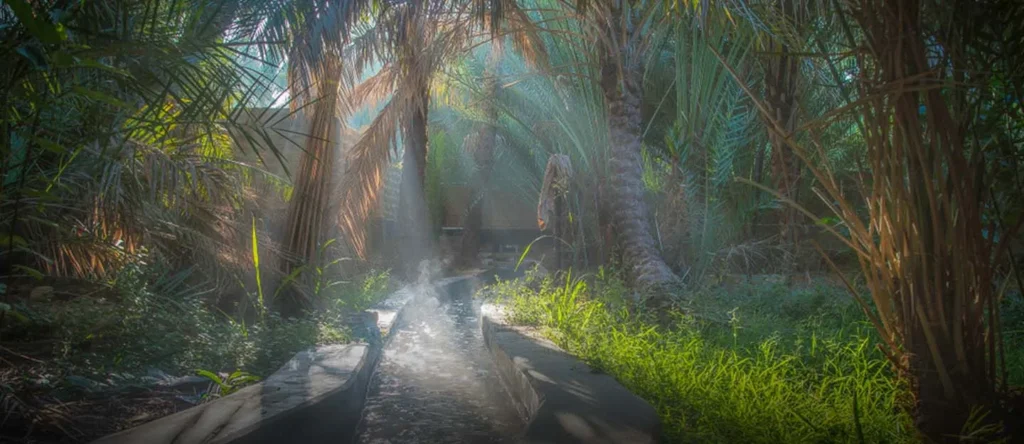
At the heart of Al Ain Oasis lies the ancient falaj irrigation system, a sophisticated network of underground channels designed to distribute water equitably. This system, introduced around 1,000 BCE, reflects the ingenuity of early Emiratis in harnessing scarce water resources.
- Gravity-fed channels ensured minimal water waste.
- Community management maintained fairness in water distribution.
- Sustainability made the falaj system an early model of eco-friendly irrigation.
Today, many of these falaj systems remain operational, offering visitors a glimpse into sustainable water management that is still relevant in 2025.
🌿 4. Biodiversity and Agriculture at Al Ain Oasis
Al Ain Oasis is not just a historical site—it is a thriving ecological sanctuary. Over 100 varieties of date palms grow here, alongside fruit trees such as mango, banana, fig, and citrus. The oasis is a living demonstration of multi-layered farming, where tall palms provide shade for mid-level crops, and the ground layer grows vegetables and herbs.
This traditional farming practice preserves biodiversity, protects soil fertility, and ensures sustainable harvests. Visitors in 2025 can witness how age-old agricultural techniques coexist with modern conservation efforts.
🕌 5. Cultural and Spiritual Significance
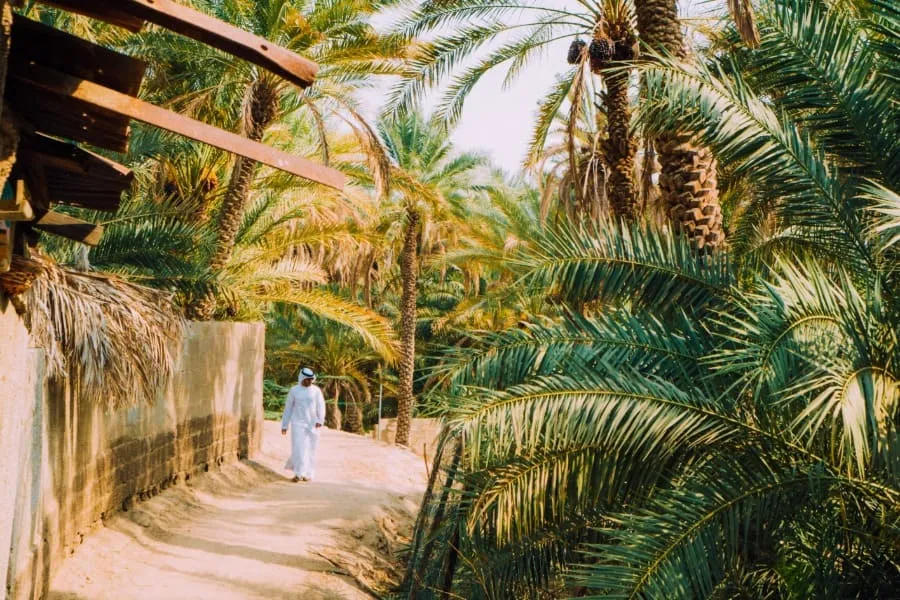
Throughout history, Al Ain Oasis was more than farmland—it was a place of gathering, storytelling, and spiritual reflection. It nurtured early communities that valued cooperation, peace, and respect for nature.
The oasis played a central role in shaping Bedouin culture and continues to be celebrated during UAE heritage festivals. Its peaceful pathways, traditional mosques, and shaded courtyards give visitors a sense of stepping back in time, where spirituality and sustainability intertwined.
🏛️ 6. UNESCO World Heritage Recognition
In 2011, UNESCO inscribed Al Ain Oasis—alongside other cultural sites in Al Ain—on the World Heritage list. The recognition was granted because:
- It represents an outstanding example of human adaptation to harsh desert environments.
- The falaj irrigation system reflects centuries-old technological innovation.
- The oasis preserves an authentic cultural landscape of global importance.
This recognition elevated Al Ain Oasis into global heritage status, attracting international researchers, conservationists, and eco-tourists. As of 2025, the site remains a proud symbol of the UAE’s cultural identity.
🏞️ 7. Tourism and Visitor Experience in 2025
Today, Al Ain Oasis is a major tourist attraction, carefully designed to balance heritage conservation with modern tourism. Visitors can enjoy:
- 🚶 Shaded walking trails under lush palm groves.
- 🖼️ Interactive visitor centers showcasing falaj irrigation and local traditions.
- 🚲 Eco-friendly bicycle tours across the oasis pathways.
- 🍴 Local food stalls offering Emirati delicacies near the entrance.
- 📸 Photography opportunities that highlight the blend of culture and nature.
The Abu Dhabi Department of Culture and Tourism has invested heavily in digital guides, QR-code tours, and augmented reality features, allowing tourists in 2025 to experience history in a modern way.
♻️ 8. Conservation Efforts and Sustainable Future
Preserving Al Ain Oasis for future generations requires ongoing conservation. Authorities and local farmers collaborate to maintain the falaj irrigation system, protect biodiversity, and regulate tourism to avoid environmental damage.
Recent initiatives (2022–2025):
- 🌱 Organic farming programs encourage chemical-free agriculture.
- 💡 Solar-powered lighting reduces the oasis’s carbon footprint.
- 📚 Educational workshops engage students in sustainability and heritage studies.
These measures ensure that Al Ain Oasis continues to thrive as both a cultural landmark and a sustainable eco-tourism site.
🏙️ 9. Al Ain Oasis and the Modern UAE Identity
Al Ain Oasis stands as a bridge between the UAE’s past and present. While Dubai and Abu Dhabi showcase skyscrapers and futuristic developments, Al Ain offers a more grounded perspective—reminding citizens and visitors of the deep-rooted traditions that built the nation.
The oasis embodies resilience, harmony with nature, and cultural pride. In 2025, it has become a symbol of how modern progress can coexist with ancient heritage.
🌟 10. Conclusion: Why Al Ain Oasis Matters in 2025
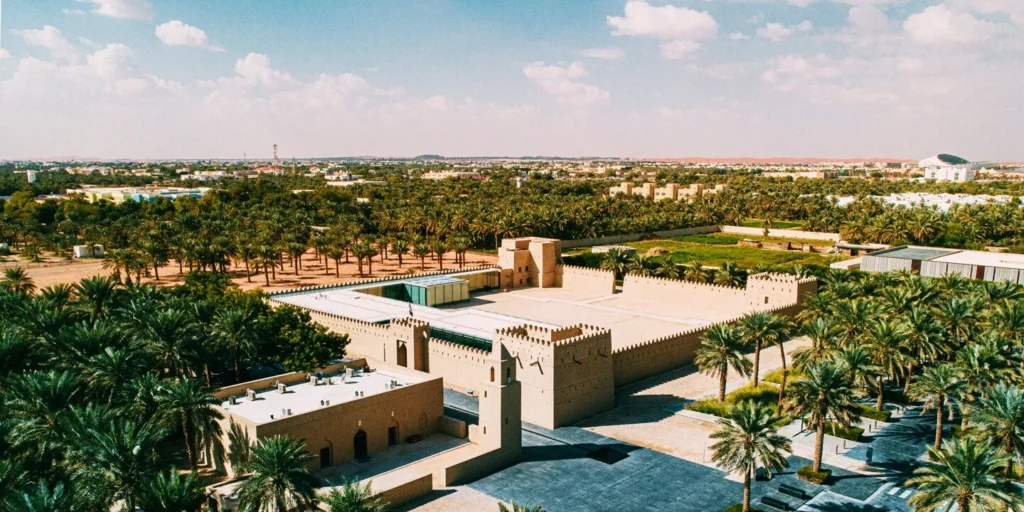
The story of Al Ain Oasis is a story of human survival, innovation, and respect for nature. From its ancient falaj irrigation system to its lush biodiversity and spiritual significance, the oasis continues to inspire visitors from around the world.
As a UNESCO World Heritage Site, Al Ain Oasis is not just a tourist destination—it is a reminder that cultural heritage and sustainability go hand in hand. In 2025, whether you are a history enthusiast, an eco-tourist, or a casual traveler, Al Ain Oasis offers a journey into the timeless soul of the UAE.
🔗 External References
- UNESCO – Cultural Sites of Al Ain
- Visit Abu Dhabi – Al Ain Oasis
- Abu Dhabi Department of Culture & Tourism
- National Geographic – Oasis Agriculture
Also Read: Jebel Hafit Adventures: Hiking, Hot Springs & Stargazing — Al Ain 2025