
1️⃣ Introduction
Banks in Abu Dhabi sit at the heart of the United Arab Emirates capital and support everything from daily salary transfers to billion-dollar government projects. As the city strengthens its position as a global investment hub, resident companies and international investors rely on a diverse network of local and international banks in the city.
For anyone planning to live, work, or invest in the emirate, understanding how Banks in Abu Dhabi operate, what they offer, and how they are regulated in 2025 can make financial life smoother and more secure.
2️⃣ Banking landscape and the Abu Dhabi Economy
Abu Dhabi contributes a major share of the national economy through energy logistics and growing non-oil sectors such as tourism, manufacturing, and technology. To support this growth, local banks offer retail, corporate, and investment services that match international standards while serving a largely expatriate population.
The emirate hosts the headquarters of several of the largest financial institutions in the country, including First Abu Dhabi Bank, often described as the biggest lender in the United Arab Emirates by assets and one of the safest institutions in the region. These institutions play a key role in financing infrastructure, sovereign wealth activities, and the expansion of private business across the region.

3️⃣ Regulation and consumer protection for Banks in Abu Dhabi
Banks in Abu Dhabi are primarily regulated by the Central Bank of the United Arab Emirates, which oversees licensing capital requirements and ongoing supervision of financial institutions to protect stability and customer deposits. The regulator maintains detailed rulebooks on licensing, corporate governance, and consumer protection that apply to conventional and Islamic institutions across the country.
In 2025, a new federal decree law on the Central Bank and financial institutions strengthened this framework by consolidating oversight of banking insurance and certain payment activities under a single legislative umbrella and by introducing enhanced licensing and enforcement powers. This update aims to keep the environment for banks in Abu Dhabi aligned with global standards while supporting innovation in areas such as digital payments and fintech.
Alongside the onshore framework, Abu Dhabi Global Market on Al Maryah Island and Al Reem Island operates as an international financial centre with its own common law-based regulatory system. Within this free zone, the Financial Services Regulatory Authority supervises banks, asset managers, and other financial firms that base cross-border operations in the emirate.
4️⃣ Leading conventional Banks in Abu Dhabi for everyday banking
Several full-service commercial banks headquartered in the capital offer current accounts, savings products, credit cards, personal loans, and mortgages tailored to residents and businesses.
First Abu Dhabi Bank provides a wide range of retail and corporate services and has built a network that spans multiple continents while remaining deeply rooted in Abu Dhabi. It is frequently highlighted in regional rankings as one of the safest and most valuable banking groups in the Middle East, which gives many customers confidence when choosing long-term partners for deposits and investments.
Abu Dhabi Commercial Bank is another major player among Banks in Abu Dhabi with strong strengths in retail and small business banking, as well as trade finance for companies that import and export through the emirate. Al Hilal Bank, which is now part of the Abu Dhabi Commercial Bank group, focuses on Sharia-compliant offerings but also contributes to the broader segment through group synergies and digital initiatives.
5️⃣ Islamic Banks in Abu Dhabi for Sharia-compliant finance
Abu Dhabi has become a major centre for Islamic financial services, and several specialist institutions serve customers who prefer profit-sharing and asset-backed structures instead of interest-based lending.
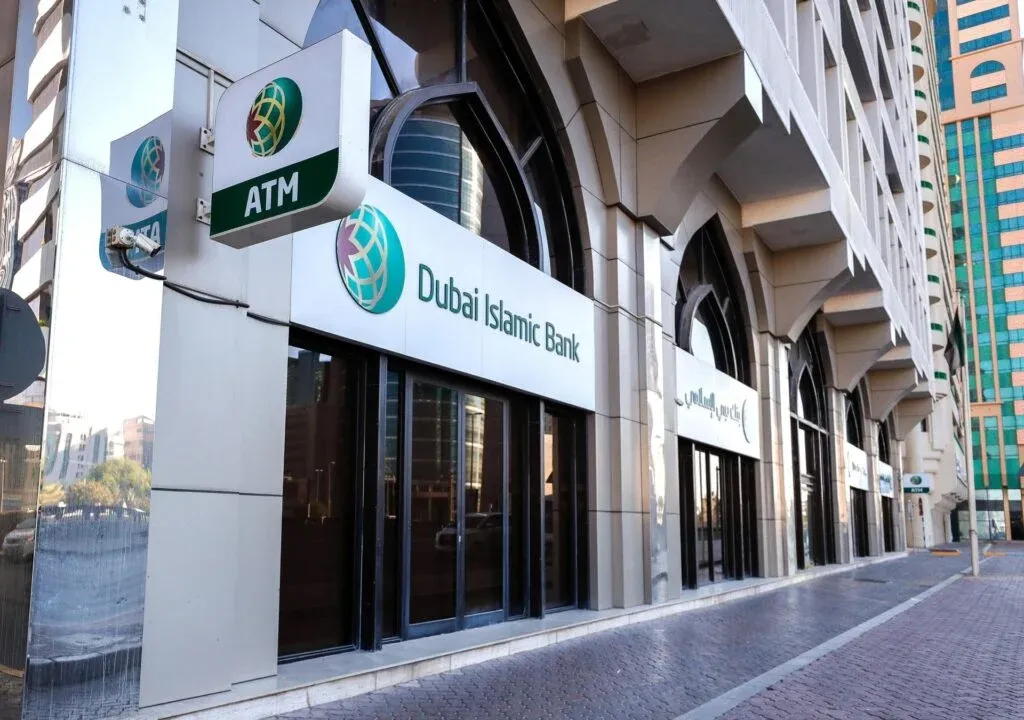
Abu Dhabi Islamic Bank, founded in the late 1990s as the first dedicated Islamic bank in the emirate, has grown into one of the leading Islamic Banks in Abu Dhabi and across the wider region. It offers current and savings accounts structured around Sharia-compliant contracts, financing for homes, cars, and businesses, as well as sukuk investment opportunities for individuals and institutions.
Al Hilal Bank also operates on a Sharia-compliant model and focuses strongly on retail customers, families, and young professionals. Together with the Islamic windows of other Abu Dhabi banks, these institutions help position the city as a global hub for sukuk issuance and halal investment solutions that appeal to customers from the Gulf region and beyond.

6️⃣ International and private Banks in Abu Dhabi serving global clients
Alongside local champions, a growing number of international institutions have opened offices in the capital, especially inside Abu Dhabi Global Market. Global investment banks and asset managers choose the emirate for its proximity to large sovereign wealth funds, family offices, and corporate groups that are active investors worldwide.
For affluent individuals and global entrepreneurs, this means more choice among Banks in Abu Dhabi for cross-border accounts, foreign currency services, wealth management, and access to international capital markets. The presence of these firms also deepens the local ecosystem for mergers and acquisitions, advisory capital raising, and structured finance linked to the energy infrastructure and technology sectors.
7️⃣ Digital transformation and fintech partnerships among Banks in Abu Dhabi
Customer expectations in 2025 are shaped by rapid digital innovation, and Banks in Abu Dhabi have responded by upgrading mobile applications, rolling out instant account opening journeys, and experimenting with biometric logins and contactless payment solutions.
Many institutions collaborate with fintech start-ups through accelerator programmes hosted in Abu Dhabi Global Market or through dedicated innovation units. These partnerships aim to improve onboarding processes, simplify cross-border remittances, and introduce new tools for budgeting, saving, and small business cash flow management. For residents, this means it is increasingly possible to manage most relationships with their chosen banks entirely through smartphones, except for a few services that still require in-person verification.
8️⃣ How to choose from the many Banks in Abu Dhabi as a resident or expat
With so many choices, it helps to follow a structured approach when comparing Banks in Abu Dhabi.
First, consider your main purpose. Salary earners may prioritise easy account opening, low monthly fees, and access to ATMs near home or work. Business owners might focus more on trade finance, merchant services, and relationship managers who understand their sector.
Second, compare the cost of services. Review account maintenance fees, minimum balance rules, local and international transfer charges, and card fees. Islamic accounts may use different terminology, but the total cost of banking can still be compared across providers.
Third, evaluate service quality and digital tools. Browse recent customer reviews, check the features of online platforms, and test mobile applications before committing important relationships to any provider. Many providers now allow prospective customers to start the process online, then complete verification in a branch or via secure digital channels.
Finally, consider any specialised needs such as Sharia compliance, multi-currency accounts, or priority banking for frequent travellers and high net worth clients. Matching these needs to the strengths of particular Abu Dhabi banks can save time and frustration over the long run.
Another practical step is to visit a branch or arrange a video meeting to discuss your situation with a relationship manager, especially if you expect to apply for a home purchase business facility or premium card programme. Preparing copies of your passport, visa, Emirates ID, proof of address, and salary certificate in advance will usually make the account opening journey faster and more straightforward.
9️⃣ Conclusion and Future Outlook for Banks in Abu Dhabi
Banks in Abu Dhabi stand at the centre of an economy that is diversifying beyond hydrocarbons and attracting rising levels of global capital. With a robust regulatory framework, a mix of powerful local institutions and respected international players, and a strong push into digital and Islamic finance, the emirate offers a banking ecosystem that can serve both everyday residents and the largest global investors.
For individuals, families, and companies, the key is to understand the landscape, compare options carefully, and choose the Abu Dhabi banks that best align with financial goals and personal values. By doing so, customers can take full advantage of the opportunities available in one of the most dynamic economic centres in the region.
References
- Central Bank of the United Arab Emirates official website
- First Abu Dhabi Bank official website
- Abu Dhabi Islamic Bank official website
- Abu Dhabi Global Market official website
Also Read: Top Real Estate Agencies in Abu Dhabi for Successful Property Hunting in 2025