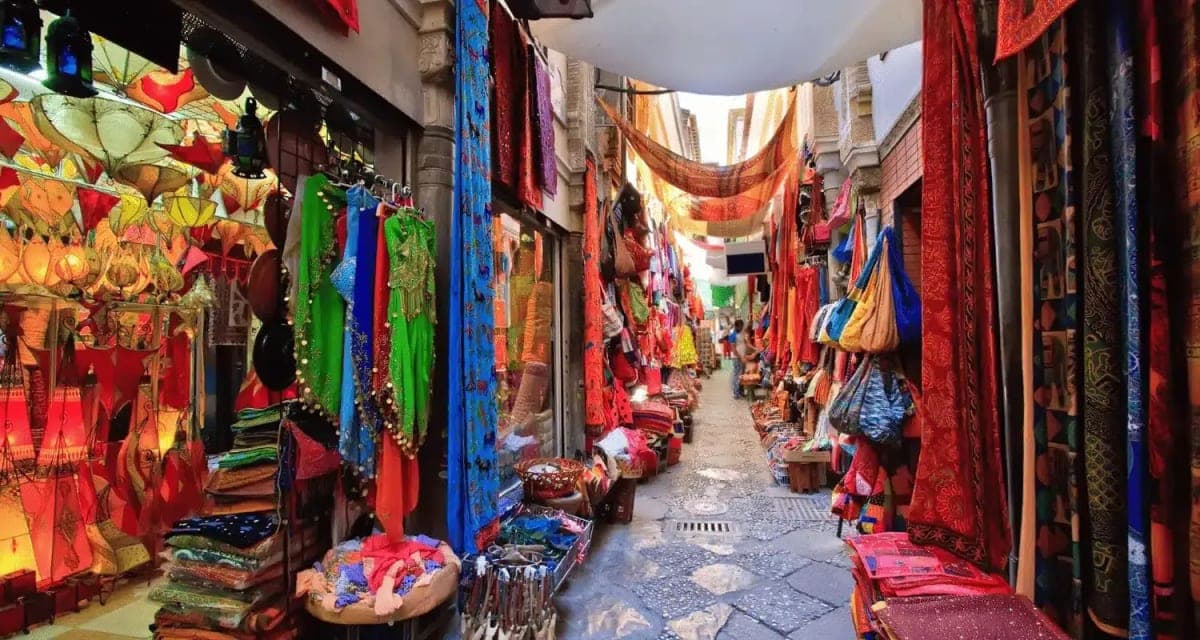
🌴 Introduction
Known as the “Garden City of the UAE,” Al Ain offers more than lush oases and ancient forts—it’s a living museum of Emirati heritage and commerce. One of the best ways to experience its local flavor is by wandering through the souks in Al Ain, where aromas of cardamom and oud drift through shaded alleys and the calls of traders echo from stall to stall.
These markets are not just about buying things—they are about connecting with a timeless rhythm of daily life. From modernized spaces like Souq Al Bawadi to traditional gems like Souq Al Qattara, each souk tells its own story of Al Ain’s evolution from a desert oasis to a thriving cultural city.
Whether you’re looking for fine textiles, Arabic perfumes, handwoven baskets, or simply a cultural adventure, the souks in Al Ain promise something unique for every traveler and resident alike.
1️⃣ Al Ain Souk – The Beating Heart of the City
At the top of any list of souks in Al Ain, the central Al Ain Souk—often called the “Old Souk” or “Central Market”—remains the most iconic. Nestled in the heart of the city, this marketplace blends old-world charm with a practical layout that serves both residents and tourists.
Here, you’ll find everything from fresh dates and spices to traditional garments and gold jewelry. The stalls are small, colorful, and packed with energy. Local women can often be seen selecting fabrics, while men gather to exchange greetings over Arabic coffee.
The best time to visit is early in the morning when the air is cool and vendors are setting up. This is when you can enjoy a quiet walk, browse unique items, and perhaps strike up a conversation with a shopkeeper about the history of their wares.
As one of the oldest souks in Al Ain, it captures the city’s authentic commercial pulse—an experience no modern mall can replicate.
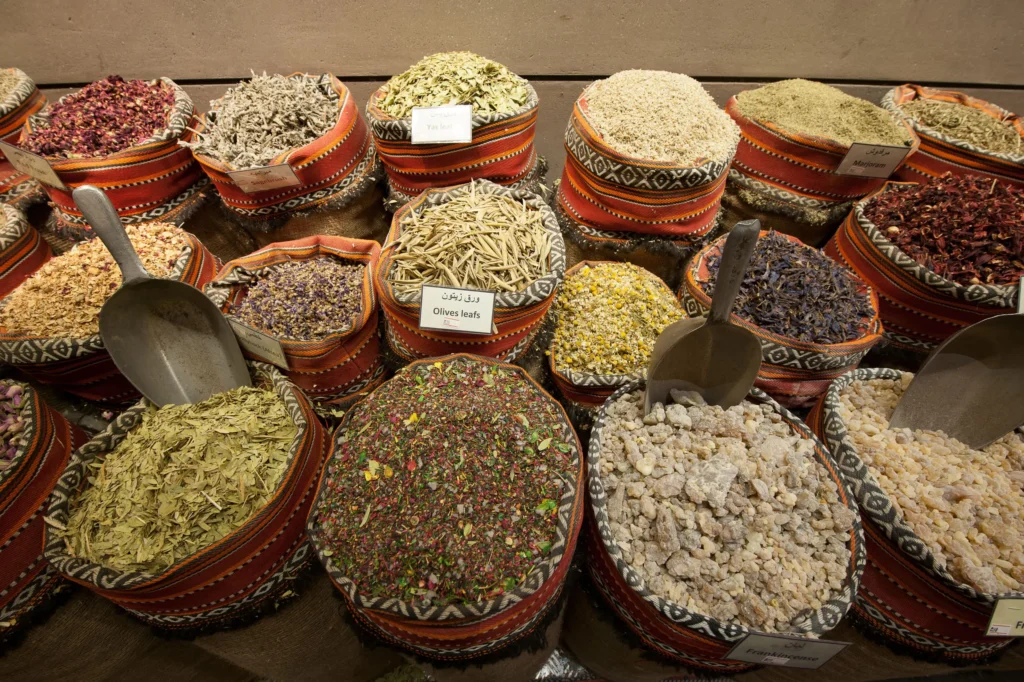
2️⃣ Souq Al Bawadi and Souq Al Qaws – Tradition Meets Modern Convenience
If you prefer a slightly more polished setting while still retaining the spirit of the souks in Al Ain, then Souq Al Bawadi and Souq Al Qaws are your perfect match.
Souq Al Bawadi is renowned for its open-air architecture and wide walkways. It houses dozens of stores offering carpets, antiques, home décor, and luxury abayas. The wooden lattice roofs and traditional Arabic arches create a relaxing and photogenic atmosphere.
Right next door, Souq Al Qaws serves as a practical complement, offering travel agencies, currency exchange centers, and small boutiques. It’s ideal for those who wish to combine errands with leisure shopping.
Together, these two souks represent how Al Ain blends its heritage with modern development, maintaining the charm of market trading while offering comfort and accessibility. They are an essential stop for visitors exploring the modern side of the souks in Al Ain.
3️⃣ Souq Al Qattara – The Cultural Jewel
When discussing the most historically significant souks in Al Ain, Souq Al Qattara stands out for its deep cultural roots. Built nearly a century ago and beautifully restored, it stands as a living monument to the region’s trading past.
The souk’s architecture—mud-brick walls, palm-frond ceilings, and narrow shaded lanes—evokes an era when trade was conducted under lantern light and bartering was the norm. Artisans sell pottery, woven baskets, copper utensils, and locally crafted jewelry. The earthy scent of clay and frankincense fills the air, giving visitors an unforgettable sensory experience.
Souq Al Qattara also serves as a cultural hub. Throughout the year, it hosts traditional music performances, Emirati dance shows, and heritage exhibitions. This makes it a destination that’s not just about shopping but about understanding Al Ain’s soul.
Exploring this gem among the souks in Al Ain feels like traveling back in time, with every stall narrating a fragment of Emirati history.
4️⃣ Souk Al Zafarana – The Heritage Market
Another noteworthy stop in the list of souks in Al Ain is Souk Al Zafarana. Situated near Al Jimi Mall, this market merges the convenience of a city-center location with the authenticity of a traditional souk.
Here you can find an exquisite range of abayas, kanduras, scarves, henna products, spices, and aromatic oud perfumes. The market’s layout is compact and easy to navigate, making it ideal for families and tourists who prefer a less crowded experience.
Evenings are particularly lively, with the scent of burning bakhoor drifting through the air and the chatter of friendly merchants creating a lively ambiance. The lighting and architecture make it a picturesque destination for photography enthusiasts who want to capture the essence of Emirati retail culture.
Souk Al Zafarana is a fine example of how the souks in Al Ain adapt gracefully to the modern world while keeping their traditional identity alive.
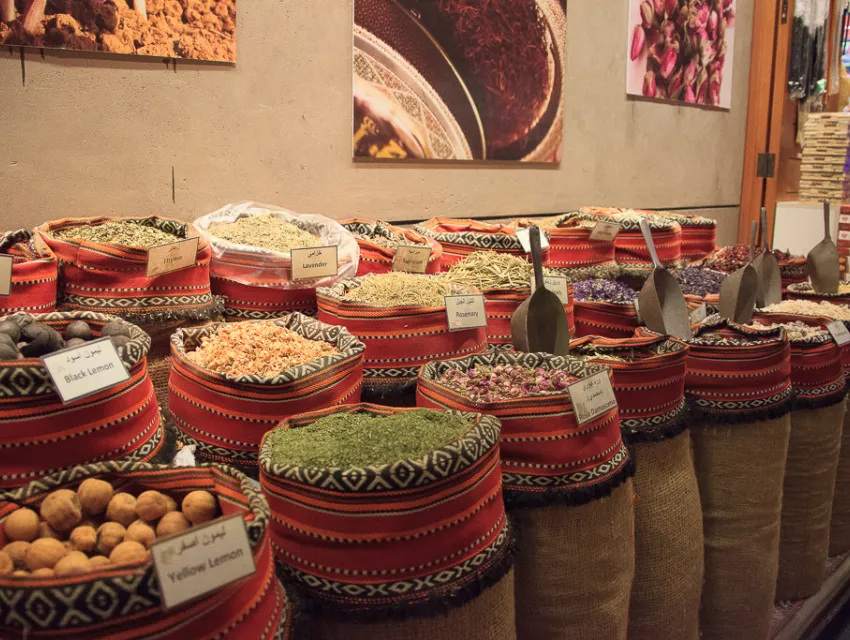
5️⃣ Al Ain Camel Market – A Living Tradition
Unlike any other in the UAE, the Al Ain Camel Market offers visitors a completely different kind of shopping experience. While not a typical retail souk, it plays a vital role in the city’s cultural fabric and is considered one of the most fascinating souks in Al Ain to witness.
Each morning, traders, farmers, and buyers gather to negotiate prices for camels, goats, and sheep. The air buzzes with excitement as herders proudly show off their animals. Tourists can walk through the open pens and watch the exchanges, learning about the significance of camels in Emirati culture.
It’s a vibrant, earthy, and utterly authentic place—a glimpse into a world that has thrived for centuries. While you may not buy a camel, the photos, sounds, and memories you take from this souk are priceless.
6️⃣ Souq Sabie – The Local Gem
Among the lesser-known souks in Al Ain, Souq Sabie is a local favorite. Located near Al Sarooj Park, this weekend market pops up with small stalls selling handmade crafts, snacks, jewelry, and local delicacies.
Families gather here on cool evenings to stroll, eat, and socialize. The market is filled with friendly faces, children playing, and musicians adding a festive mood to the environment. It may not have the size of the older souks, but its heartwarming community spirit makes it a memorable stop for those seeking a more intimate experience.
Souq Sabie truly embodies the grassroots charm that keeps the souks in Al Ain connected to the people who call the city home.
7️⃣ Seasonal and Pop-up Markets – The New Wave of Souks
Al Ain’s marketplace culture continues to evolve. Besides its historical bazaars, there are now seasonal and pop-up markets that add freshness and excitement to the souks in Al Ain scene.
During festivals and national holidays, you can find temporary markets featuring Emirati designers, artisans, and food vendors. These markets, often held near major malls or parks, attract younger crowds looking for trendy but traditional items.
They provide a bridge between generations—honoring ancient crafts while welcoming innovation. From Ramadan night markets to winter bazaars, these temporary souks ensure that Al Ain’s shopping scene remains dynamic and full of surprises.
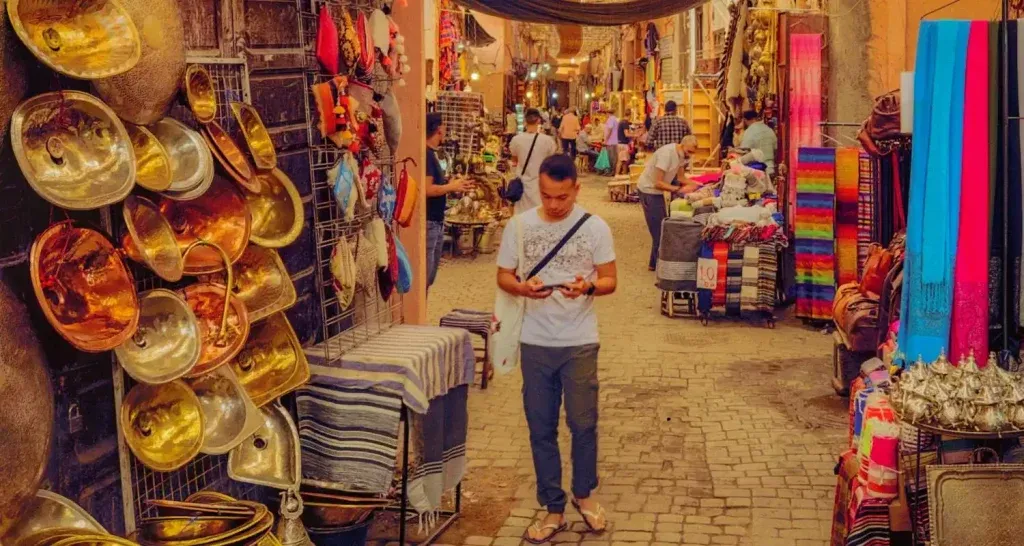
8️⃣ Shopping Tips for Exploring Souks in Al Ain
- Start early or go late: The cooler hours are ideal for exploring comfortably.
- Bring cash: Many small traders still prefer cash payments.
- Bargain respectfully: Negotiation is part of the fun, but always be polite.
- Dress modestly: Souks are public spaces reflecting Emirati values.
- Hydrate and rest: Al Ain’s climate can be warm even in winter.
- Support local artisans: Buying handmade goods keeps the heritage alive.
- Take your time: The joy of exploring souks in Al Ain lies in slow discovery, not in rushing.
Whether you’re shopping for gifts, photography, or cultural immersion, following these simple tips will ensure you make the most out of your experience.
🌆 A Sample Itinerary: One Day in the Souks in Al Ain
| Time | Activity | Recommended Souk |
|---|---|---|
| 8:00 AM | Breakfast and start your day | Al Ain Souk |
| 10:00 AM | Explore heritage crafts | Souq Al Qattara |
| 12:00 PM | Lunch break nearby | Local café or food stalls |
| 2:00 PM | Shop for abayas and gifts | Souk Al Zafarana |
| 4:00 PM | Visit modern markets | Souq Al Bawadi & Al Qaws |
| 6:00 PM | Sunset photos & light snacks | Souq Sabie |
| 7:00 PM | Relax and reflect | Coffee near Al Jimi or Qattara |
This route offers a complete day of immersion in the diverse souks in Al Ain, from historic charm to modern variety.
🌙 Conclusion
The souks in Al Ain represent the living heart of the city’s cultural and commercial identity. They stand as more than shopping destinations—they are storytellers of a rich heritage that blends trade, art, and hospitality.
From the bustling Al Ain Souk and the heritage-rich Souq Al Qattara to the refined Souq Al Bawadi and the atmospheric Souk Al Zafarana, each has its own character and rhythm. Add to this the authenticity of the Camel Market, the warmth of Souq Sabie, and the creative energy of seasonal bazaars, and you get a city that celebrates commerce with culture.
As 2025 continues to bring modernization across the Emirates, the souks in Al Ain remain steadfast reminders that the most meaningful shopping experiences are not about luxury—but about authenticity, connection, and the stories behind every crafted item.
When you next visit Al Ain, walk through its souks slowly, breathe in the aromas, listen to the sounds, and feel the pulse of a living heritage that has withstood time itself.