Introduction 🌍
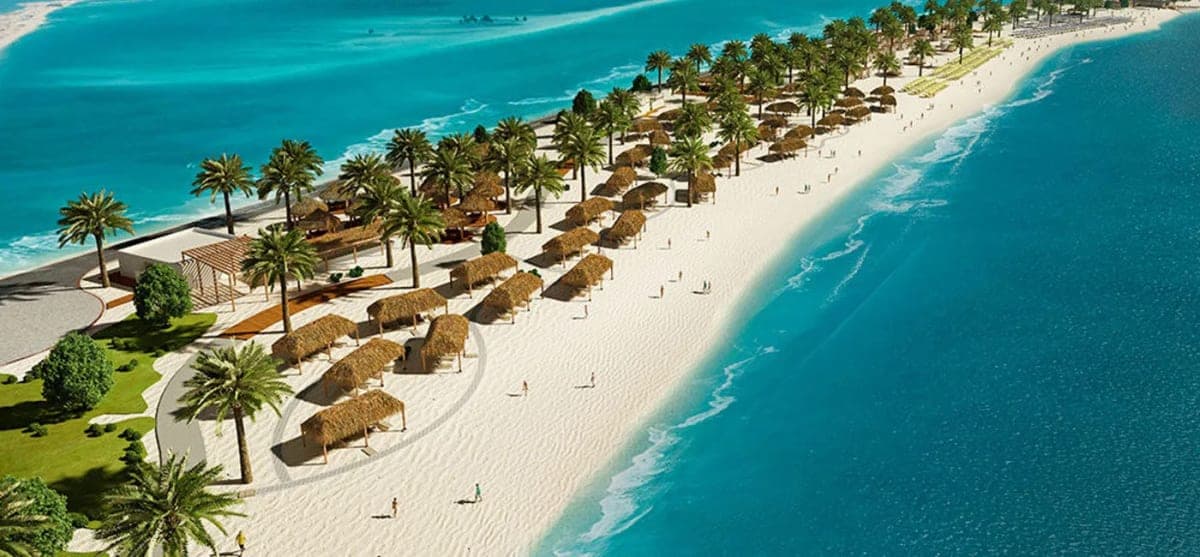
In an era where climate awareness shapes travel decisions, the Middle East has positioned itself as a surprising leader in Eco-Friendly Tourism. Among the region’s shining examples is Sir Bani Yas Island, a natural sanctuary off the coast of Abu Dhabi that seamlessly combines luxury hospitality with ecological preservation. Once a barren desert landscape, the island has been transformed into a thriving wildlife reserve and a top destination for sustainable travelers in 2025.
Sir Bani Yas offers a unique model of Eco-Friendly Tourism where visitors enjoy world-class accommodations, adventure activities, and authentic cultural experiences—all while protecting the environment. This article explores how the island balances opulence with conservation through seven carefully designed pillars of sustainability.
1️⃣ The Vision Behind Sir Bani Yas Island 🌱
Sir Bani Yas Island owes its transformation to the late Sheikh Zayed bin Sultan Al Nahyan, the founding father of the UAE, who envisioned it as a “living laboratory” for environmental preservation. His rewilding project in the 1970s turned an arid desert into a green oasis. Today, that vision has evolved into a modern hub of Eco-Friendly Tourism, attracting visitors seeking both luxury and sustainability.
- Over 17,000 animals roam freely, including Arabian oryx, giraffes, and cheetahs.
- Large-scale reforestation programs have restored native habitats.
- The island remains a cornerstone in Abu Dhabi’s commitment to sustainable development.
This visionary foundation set the stage for luxury resorts to operate within strict eco-guidelines, ensuring tourism growth aligns with conservation.
2️⃣ Luxury Resorts with a Green Core 🏨
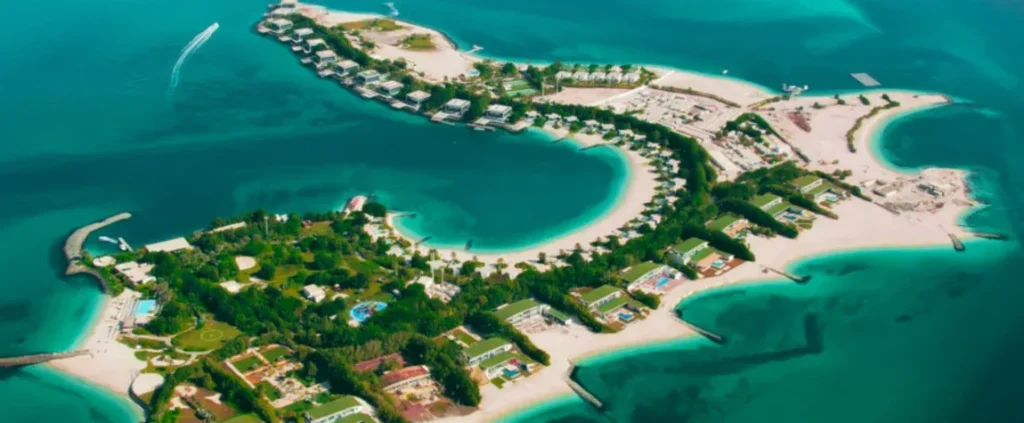
Sir Bani Yas Island hosts several five-star resorts, including Anantara’s Desert Islands Resort & Spa, Al Yamm Villa Resort, and Al Sahel Villa Resort. Unlike conventional luxury hotels, these properties integrate Eco-Friendly Tourism practices at every level:
- Renewable Energy: Solar power systems reduce dependency on fossil fuels.
- Water Management: Greywater recycling and desalination minimize freshwater use.
- Sustainable Architecture: Resorts use locally sourced materials and natural ventilation designs to reduce energy consumption.
- Waste Reduction: Plastic-free initiatives and composting systems are in place.
By embedding sustainability into comfort, these resorts redefine the meaning of luxury travel. Guests can indulge in private villas, spas, and fine dining while knowing their stay supports the island’s ecological mission.
3️⃣ Wildlife Conservation and Rewilding 🦓
The island’s heart lies in its wildlife conservation programs. Managed by the Environment Agency – Abu Dhabi, Sir Bani Yas has become a global case study in rewilding.
- Arabian Oryx Reintroduction: Once extinct in the wild, the oryx now thrives in large numbers here.
- Breeding Programs: Endangered species such as gazelles, cheetahs, and houbara bustards are carefully bred and monitored.
- Wildlife Safaris: Visitors embark on guided safaris, blending luxury adventure with education on Eco-Friendly Tourism practices.
This wildlife-first approach ensures that tourism revenue directly supports ongoing conservation projects, securing biodiversity for generations to come.
4️⃣ Adventure Activities with Minimal Impact 🚴
Unlike mass tourism destinations, Sir Bani Yas emphasizes low-impact, high-value experiences:
- Kayaking in Mangroves: Explore thriving coastal ecosystems.
- Nature Trails & Hiking: Eco-guides lead treks designed to avoid habitat disturbance.
- Mountain Biking: Trails are mapped to minimize erosion and wildlife interference.
- Cultural Tours: Visitors learn about ancient Christian monasteries and Bedouin heritage sites.
Each activity reinforces Eco-Friendly Tourism, ensuring that adventure seekers leave minimal footprints while deepening their appreciation of the island’s natural and cultural wealth.

5️⃣ Renewable Energy & Green Infrastructure ⚡
One of the strongest commitments to Eco-Friendly Tourism on Sir Bani Yas is its investment in renewable energy and sustainable infrastructure.
- Solar Farms: Reduce reliance on oil-based power.
- Smart Grids: Balance supply and demand for efficient energy distribution.
- Electric Vehicles: Safari tours increasingly use electric buggies instead of diesel-powered vehicles.
- Sustainable Transport: Guests are encouraged to bike or walk, reducing carbon emissions.
The island’s move toward carbon neutrality reflects broader UAE goals of reaching net-zero by 2050.
6️⃣ Local Community Engagement & Cultural Integration 🤝
Eco-friendly travel isn’t just about wildlife—it’s also about people. Sir Bani Yas integrates local communities into its tourism and conservation model:
- Employment Opportunities: Resorts prioritize hiring from surrounding regions.
- Cultural Showcases: Bedouin traditions are preserved through guided experiences, storytelling, and craft exhibitions.
- Educational Programs: Schools and universities collaborate on sustainability projects hosted on the island.
This approach ensures Eco-Friendly Tourism benefits not only the environment but also local communities, creating a holistic and sustainable economy.
7️⃣ Research, Education, and Awareness Initiatives 📚
Sir Bani Yas Island also serves as a living classroom for scientists, students, and eco-conscious travelers.
- Wildlife Monitoring: Research teams track migration, breeding, and habitat changes.
- Marine Studies: Coral reef conservation projects protect fragile ecosystems.
- Visitor Education: Interactive tours and workshops emphasize the importance of Eco-Friendly Tourism.
- Global Collaborations: Partnerships with international universities strengthen the island’s role in sustainability research.
By making knowledge-sharing central to its operations, the island ensures its eco-model has a ripple effect worldwide.
8️⃣ The Future of Eco-Friendly Tourism on Sir Bani Yas 🌐
Looking ahead to 2030, Sir Bani Yas is set to expand its role as a pioneer of Eco-Friendly Tourism. Plans include:
- Greater reliance on renewable energy to achieve full carbon neutrality.
- Expanded coral reef restoration and marine conservation zones.
- AI-driven monitoring systems to enhance wildlife management.
- Smart resort systems that automatically adjust energy and water use.
As global travelers demand more sustainable options, Sir Bani Yas stands as a model of how luxury and environmental responsibility can co-exist.
Conclusion 🌟
Sir Bani Yas Island is proof that luxury doesn’t have to come at the cost of the environment. By combining high-end hospitality with deep-rooted ecological and cultural values, it has become a benchmark for Eco-Friendly Tourism not only in the UAE but globally.
For travelers in 2025 seeking transformative journeys, Sir Bani Yas offers more than just a holiday—it provides a chance to experience how sustainable choices can preserve nature while delivering unforgettable luxury. It sets a clear example: the future of travel lies in Eco-Friendly Tourism that respects ecosystems, empowers communities, and inspires change.
External References 🔗
- Visit Abu Dhabi – Sir Bani Yas Island
- Environment Agency – Abu Dhabi
- Anantara Hotels Sir Bani Yas Resorts
- UNWTO – Sustainable Tourism
Also Read: Luxury Yachting Experiences Around Sir Bani Yas Island — Ultimate 2025 Guide