🏁 Introduction
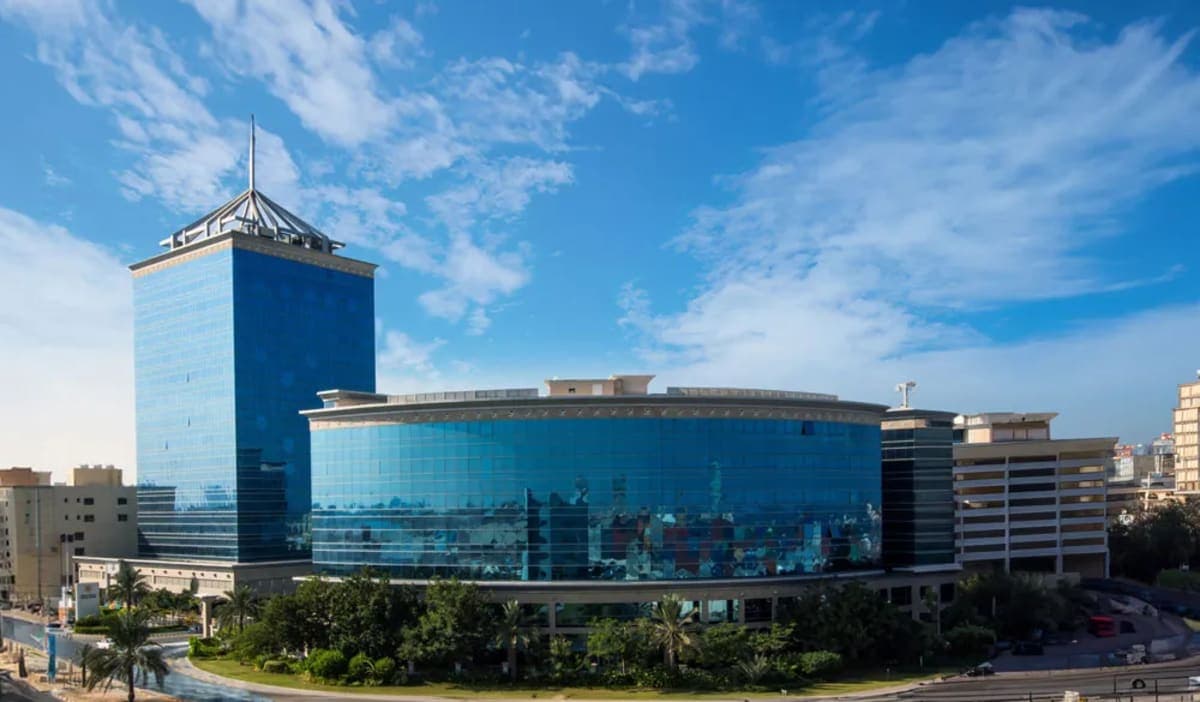
In 2025, Ajman Free Zone (AFZ) has firmly positioned itself as a hub for affordable, flexible, and globally connected business operations in the UAE. Known for competitive setup costs, installment payment options, and simplified company registration procedures, it caters especially well to small and medium enterprises (SMEs), startups, and investors seeking to balance cost with access to regional and global markets.
The appeal of Ajman Free Zone lies not just in affordability but in its adaptability. From a one-person consultancy using a flexi desk to a mid-sized trading firm with warehouse facilities, AFZ supports diverse models of entrepreneurship. This article will cover updated opportunities, costs, procedures, pros and cons, and practical insights into doing business in the Ajman Free Zone in 2025.
1️⃣ Ajman Free Zone Overview & Strategic Advantages
1.1 Background & Location
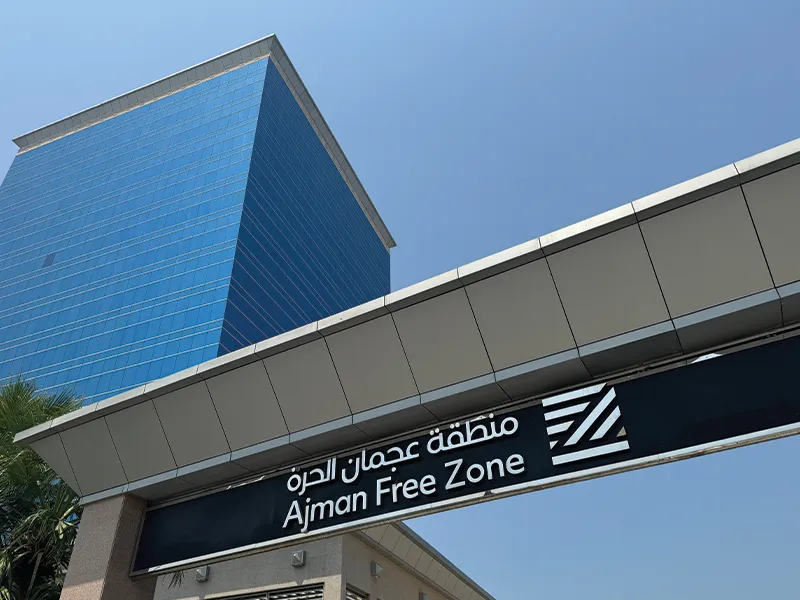
Established in 1988, Ajman Free Zone is one of the UAE’s pioneering free zones. Strategically located next to Ajman Port, it also offers proximity to Dubai and Sharjah airports. For importers, exporters, and distribution businesses, this means reduced logistical costs and fast access to shipping lanes.
1.2 Key Features
- 100% foreign ownership with no need for a local sponsor.
- Tax-free environment inside the free zone for corporate and personal income.
- Wide choice of infrastructure: co-working spaces, private offices, warehouses, and industrial plots.
- Simple documentation and a digital cost calculator for transparency.
- Payment flexibility with 2–6 installment plans on license fees.
Because of these advantages, Ajman Free Zone is particularly popular with entrepreneurs from Asia, Africa, and Europe who want to enter the GCC market affordably.
2️⃣ Business Opportunities & Sectors in Ajman Free Zone
Ajman Free Zone is versatile. Here are the leading opportunities in 2025:
2.1 Trading & Import-Export
General trading, electronics distribution, textiles, construction materials, and consumer goods are thriving. Businesses use AFZ as a gateway for re-exporting to Africa, South Asia, and other GCC markets.
2.2 E-Commerce & Retail Fulfillment
As e-commerce continues to grow, Ajman Free Zone is attracting entrepreneurs who need affordable warehouses and digital trading licenses. The cost savings compared to Dubai’s e-commerce hubs make AFZ a strong choice for online sellers.
2.3 Service & Consultancy
From digital marketing firms to IT consultants and management advisers, service companies thrive thanks to AFZ’s flexible license packages. A freelancer license starting around AED 6,100 gives consultants an entry point.
2.4 Media & Creative
Design agencies, publishers, content creators, and social media firms can register under media-friendly packages. While Ajman Media City exists separately, many hybrid firms choose AFZ for multi-activity licensing.
2.5 Manufacturing & Light Industry
Ajman Free Zone’s industrial license enables packaging, food processing, assembly, and light manufacturing. The zone provides warehouses and plots for businesses scaling up from trading to production.
2.6 Logistics & Warehousing
With port adjacency, AFZ is excellent for logistics operators, distribution hubs, and storage solutions. Startups offering third-party logistics (3PL) services often select Ajman for its competitive rental rates.
2.7 New & Emerging Sectors
Green technology, eco-packaging, fintech back offices, and AI-driven logistics solutions are gaining traction. These niches benefit from AFZ’s lower overheads, letting entrepreneurs reinvest savings into innovation.
Ajman Free Zone thus provides an ecosystem where traditional sectors and cutting-edge industries co-exist.
3️⃣ Cost Structure & Licensing in 2025
Understanding costs is crucial before committing to Ajman Free Zone.
3.1 Basic License Fees
- Freelancer license: from AED 6,100
- Business Center package: from AED 13,735
- General Trading license: AED 27,150
- Service license: AED 24,550
- Standard company licenses: AED 21,000 – AED 28,000+
3.2 Facilities & Office Space
- Virtual/flexi desk (lowest cost, usually bundled with licenses).
- Co-working desks: good for freelancers and startups.
- Standard offices: starting around AED 8,000 annually.
- Warehouses: AED 15,000 – AED 30,000+, depending on size.
- Land plots: offered on long-term lease for industrial projects.
3.3 Visa Costs
- Investor visa: ~AED 3,600 (medical + Emirates ID included).
- Employee visa: similar pricing, with a quota tied to facility size.
- E-channel setup: ~AED 3,300 one-time + AED 1,200 annual renewal.
3.4 Other Costs
- Additional shareholder fee: ~AED 600 each.
- Document attestation and trade name registration: ~AED 1,000–2,000.
- Renewal fees: typically mirror initial setup.
Ajman Free Zone is often 30–40% more affordable than Dubai free zones, making it attractive to budget-sensitive entrepreneurs.
4️⃣ Step-by-Step Incorporation Process
- Select business activity & structure (FZE, FZC, or branch).
- Reserve trade name & get initial approval.
- Prepare documents: passport copies, application form, proof of address.
- Pay license & registration fees.
- Lease facility: virtual desk, office, or warehouse.
- Receive trade license & incorporation certificate.
- Apply for visas (investor + employees).
- Open a corporate bank account (requires presence in the UAE).
- Start operations: launch trading, services, or manufacturing.
Processing time is usually 3–10 working days, depending on activity.
5️⃣ Pros & Cons of Ajman Free Zone
✅ Advantages
- Affordable licenses starting under AED 7,000.
- Installment payment plans are available.
- Full ownership and profit repatriation.
- A wide range of business activities is allowed.
- Proximity to Ajman Port and airports.
- Quick company registration timeline.
⚠️ Considerations
- Cannot directly trade in the UAE mainland without a distributor/local partner.
- Visa quotas depend on office/warehouse size.
- Annual renewal required.
- Hidden costs (utilities, compliance, banking) may add up.
- Some banks require stricter documentation for AFZ companies compared to Dubai free zones.
Despite these, Ajman Free Zone remains highly competitive in 2025 due to cost savings.
6️⃣ Realistic Cost Scenarios in 2025
Scenario A: Freelancer Consultant
- License: AED 6,100
- Virtual desk included
- 1 visa: AED 3,600
- Other fees: AED 2,000
Total: ~AED 12,000
Scenario B: Small Trading Company
- License: AED 13,735
- Shared office: AED 5,000
- 2 visas: AED 7,200
- Immigration fees: AED 3,300
Total: ~AED 30,000
Scenario C: Mid-Size Import/Export Firm
- License: AED 24,000+
- Warehouse: AED 20,000+
- 5 visas: AED 18,000
- Other costs: AED 5,000
Total: ~AED 70,000+
These examples show how Ajman Free Zone can accommodate businesses of different scales.
7️⃣ Comparison with Other UAE Free Zones
- Dubai Multi Commodities Centre (DMCC): Premium facilities but 2–3x costlier.
- Sharjah Free Zone: Similar affordability, but AFZ is often cheaper for trading licenses.
- RAK Free Zone: Competitive, but farther from Dubai markets.
- Ajman Free Zone: Best balance of affordability, accessibility, and speed.
For SMEs, AFZ is often the entry point, with options to later expand into Dubai or Abu Dhabi.
8️⃣ Future Outlook of Ajman Free Zone in 2025–2030
Looking forward, Ajman Free Zone is expected to:
- Digitize all licensing and visa services to cut processing times further.
- Introduce green business incentives for eco-friendly startups.
- Strengthen logistics integration with the Ajman Port expansion.
- Attract fintech, blockchain, and AI startups with flexible licensing.
- Maintain cost leadership as UAE competition intensifies.
Investors who enter the Ajman Free Zone today will benefit from its affordability and future-ready infrastructure.
🏁 Conclusion
By 2025, Ajman Free Zone has become one of the UAE’s most practical destinations for entrepreneurs seeking an affordable, flexible, and globally connected hub. Whether you’re a freelancer, an SME trader, or a growing logistics operator, Ajman Free Zone provides a tailored package at a fraction of the cost of Dubai’s premium zones.
Its mix of affordability, tax incentives, infrastructure, and strategic connectivity makes it a strong contender for new businesses in the Gulf. With careful planning and budgeting, entrepreneurs can scale sustainably in Ajman Free Zone while maintaining competitive overheads.
For startups, cost efficiency is not just an advantage — it’s survival. And in 2025, Ajman Free Zone continues to deliver that survival edge.
🔗 External References
- Ajman Free Zone Official Website
- Shuraa: Business setup in Ajman Free Zones
- UAE Consultants: Ajman Free Zone Costs
- FinChannel: Ajman Business Setup
- Danburite Corporate: Ajman Free Zone Setup Guide
Also Read: How to Rent an Affordable Apartment in Ajman: A 2025 Guide