
Introduction
Dubai is famous for its skyline and lifestyle, but any smart resident knows that understanding Basic Utilities in Dubai is just as important as choosing a neighbourhood. Electricity, water, cooling, and internet are essential services that shape your real monthly budget, especially in a city where summer temperatures are very high.
Electricity, water, cooling, and internet are all provided through a modern and reliable system, yet their total cost can surprise newcomers. Bills can differ for Emirati nationals and expatriates because citizens may receive subsidised tariffs in some categories, while most new arrivals pay standard rates. In many buildings, cooling and internet are billed separately from electricity and water, so it is important to know which services are included in your rent and which you will pay for directly. Understanding this structure helps you realistically compare apartments and villas and avoid unpleasant surprises in your spending on Basic Utilities in Dubai.
1) 🔌 Overview of Basic Utilities in Dubai for residents
When people talk about Basic Utilities in Dubai, they usually mean electricity, water, sewerage, district cooling, and home internet. In most residential buildings, electricity and water come from DEWA, the Dubai Electricity and Water Authority, while cooling can appear as a separate item from a company such as Empower or Tabreed. The Internet is supplied mainly by Etisalat and du through fibre or home wireless services.
For many tenants, the landlord keeps cooling separate from other services, and sometimes even includes it in the rent. In other cases, you receive your own DEWA account for electricity and water, while cooling and internet arrive as different bills. This is why it helps to ask owners or agents clearly whether Basic Utilities in Dubai are under your name or bundled into the lease, and to see recent statements before you sign.
2) 💡 Electricity charges within Basic Utilities in Dubai
Electricity is usually the largest part of Basic Utilities in Dubai, especially in the hotter months when air conditioning runs for many hours each day. According to public DEWA tariff information and advisory guides based on the official rate chart, standard residential customers pay roughly from zero point two three dirham to about zero point three eight dirham per kilowatt hour, depending on consumption slabs.
That means a modest one-bedroom apartment using about one thousand five hundred kilowatt hours in a cooler month might see the electricity part of Basic Utilities in Dubai between about three hundred fifty and five hundred fifty dirham. A larger family apartment that reaches more than three thousand kilowatt hours in summer can easily see electricity alone above nine hundred dirham, especially if air conditioning runs for most of the day. Villas with gardens, private pools, or older air conditioning units often sit even higher, so it is common for households in spacious homes to spend more than one thousand five hundred dirham on electricity during the hottest months.
3) 💧 Water and sewerage inside Basic Utilities in Dubai
Water and sewerage are the second major part of Basic Utilities in Dubai. Official guidance for recent years shows that residential water is billed using a tiered system, with lower rates for the first units of usage and higher ones for heavy consumption. Recent examples from advisory sites based on DEWA charts describe water from about three dirham per cubic metre for the first band, rising for higher bands, with sewerage calculated as a percentage of water use.
In twenty twenty five DEWA also began using cubic metres instead of gallons on its bills, which makes it easier to compare usage with international standards while keeping the same tariff structure in place. For a typical flat where two adults live, the water and sewerage portion of Basic Utilities in Dubai often ranges between about eighty and two hundred dirham in cooler months. Costs rise if there are more people in the home, a private garden, frequent use of baths, or intensive laundry routines.
4) 🌐 Internet plans as part of Basic Utilities in Dubai
Home internet is not always included in cost of living tables, but any realistic view of Basic Utilities in Dubai must include it because almost every household relies on streaming, video calls, and online work. Etisalat and du both advertise fixed home plans at a range of speeds, from entry-level packages suitable for light browsing through to very fast connections for heavy streaming and gaming.
Current offers as of late twenty twenty four and twenty twenty five place many popular fibre plans in the band of roughly two hundred seventy-five to four hundred dirham a month for a typical family or sharing household, while surveys of living costs in the city quote three hundred to five hundred dirham as a normal range for an internet plan. If you choose premium entertainment bundles or the fastest speeds, the internet part of Basic Utilities in Dubai can reach five hundred dirham or more every month. Residents who only need moderate speeds can sometimes choose wireless home internet at a lower monthly price, although speeds may vary more with signal quality.
5) 🏙 Typical monthly totals for Basic Utilities in Dubai by home type
Several cost of living surveys and property guides that track Dubai in twenty twenty four and twenty twenty five suggest that a single person in an average city apartment might expect combined Basic Utilities in Dubai, excluding district cooling, of roughly five hundred to nine hundred dirham monthly, depending on season and personal habits. For a standard eighty-five square metre apartment, international databases record averages between about five hundred and one thousand two hundred dirham per month for electricity, water, and related charges.
For a family in a two or three-bedroom apartment, totals for electricity, water, sewerage, and internet routinely fall in a wider band from about one thousand to two thousand dirham. Very high summer air conditioning use, large fridges, and multiple televisions can push bills above that range. Villas, which usually have more space, larger air conditioning systems, and sometimes gardens or pools, normally sit at the top of advisory estimates, with many guides quoting overall utilities from about two thousand to three thousand dirham or more per month when cooling is included.
6) 📈 Seasonal changes that affect Basic Utilities in Dubai
Many new residents underestimate how strongly the weather changes Basic Utilities in Dubai. From November to March, the mild climate means less cooling, so electricity consumption drops noticeably and water use is stable. During this period, many residents see their DEWA bills at the lower end of the yearly range and find it easier to keep windows open or rely on ceiling fans for comfort.
In contrast, the hot months from May to September bring much higher air conditioning demand. Reports on average household usage in the city show that summer electricity consumption can be significantly higher than winter, and water use also climbs because of showers, laundry, and any outdoor watering. This shift means that the same apartment may cost several hundred dirham more in the hottest month than in a pleasant winter month, even though daily routines are similar. Planning your budget with this seasonal pattern in mind will help you avoid shocks when the first summer statement arrives.
7) 🧮 How to estimate your own Basic Utilities in Dubai
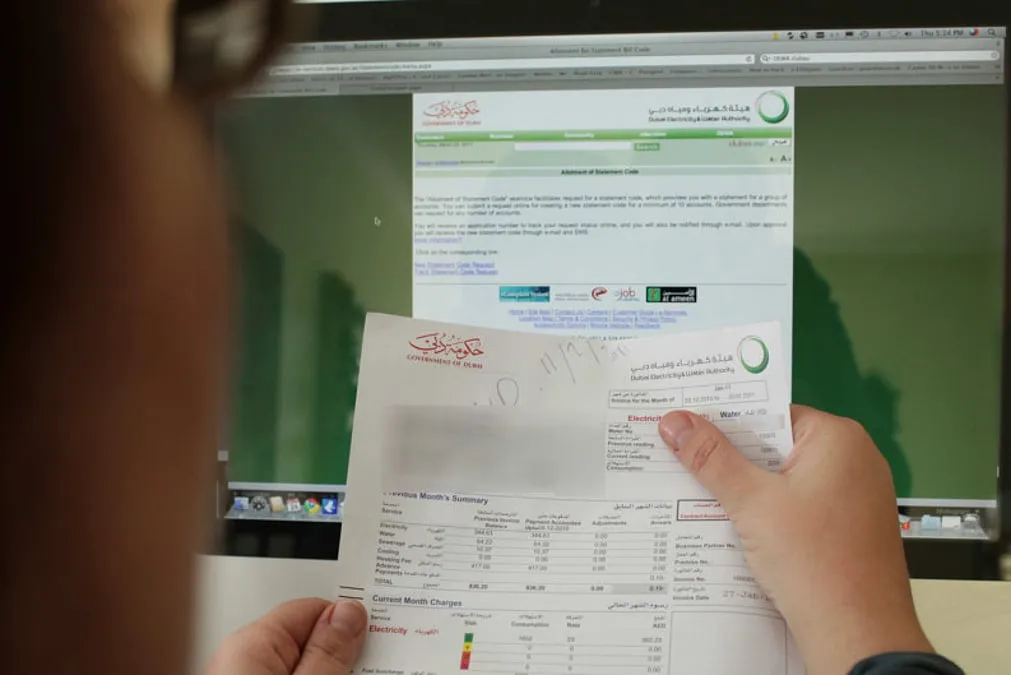
Before signing a tenancy contract, it is wise to estimate your personal Basic Utilities in Dubai instead of relying only on city averages. An effective first step is to ask the current tenant or landlord to show recent DEWA bills for the unit, which reveal monthly electricity and water use in clear tables. These statements usually display consumption in kilowatt hours and cubic metres, together with service fees and municipality charges.
You can also use online tariff calculators provided by DEWA, where you enter expected kilowatt hours and cubic metres to see an approximate bill for a chosen month. Then you add a realistic internet plan from Etisalat or du, based on their current offers for your building and preferred speed, and include any separate district cooling or chiller fees listed in the building information. When you combine these items, you obtain a customised picture of your likely utilities and can check whether they fit comfortably within your income.
8) 💡 Practical tips to reduce Basic Utilities in Dubai
The good news is that you have several practical ways to reduce Basic Utilities in Dubai without sacrificing comfort. Setting the air conditioning thermostat around twenty-four to twenty-six degrees instead of very low levels can make a striking difference to electricity use. Choosing LED lights, switching appliances fully off instead of leaving them on standby, and running washing machines with full loads all help trim the energy share of your monthly bills.
For water, repairing drips quickly, installing efficient shower heads, and watering plants during cooler evening hours are simple habits that cut consumption. Families with dishwashers and washing machines can also experiment with eco programmes that use less hot water. On the internet side, reviewing your usage and moving to a plan that matches your real needs ensures you are not overpaying for unused speed or television add-ons. When you adopt these small changes together, they can reduce the overall cost of these core services and keep Basic Utilities in Dubai under much better control over the year.
Conclusion
Understanding the true cost of Basic Utilities in Dubai is essential for anyone who lives in the city or plans to move. Electricity, water, sewerage, cooling, and internet are reliable and modern services, but their combined price can vary widely between smaller flats and large villas, and between winter and summer. By studying recent tariffs, checking sample bills, and using calculators and provider websites, you can forecast a realistic range for your household and avoid surprises.
With that information, you can choose the right property, select sensible service plans, and follow simple efficiency habits, so that Basic Utilities in Dubai support your lifestyle rather than strain your budget.
References
https://www.dewa.gov.ae/en
https://www.propertyfinder.ae/blog/cost-of-living-in-dubai/
https://www.numbeo.com/cost-of-living/in/Dubai
https://www.dubizzle.com/blog/property/utility-bill-breakdown-dubai/
https://www.homespheregroup.com/how-to-estimate-your-dewa-bill-in-dubai/
https://mayak.ae/blog/cost-of-living-in-dubai-2024
https://ifzabusinesssetup.com/2025/05/14/uae-internet-providers-speed-and-packages/
https://www.etisalat.ae
https://www.du.ae/home-internet
Also Read: Cost of Living in Dubai in 2025: Guide for Expats and Families