🌍 Introduction
When most travelers think of the UAE, they picture futuristic skyscrapers, desert safaris, or luxury resorts. But hidden beyond the spotlight lies a paradise for bird enthusiasts — Umm Al Quwain. With its untouched lagoons, sprawling mudflats, and thick mangrove forests, this small emirate is home to some of the most valuable birdwatching hotspots in the Middle East.
Every year, tens of thousands of migratory birds use Umm Al Quwain’s coastline as a rest stop on the Central Asian Flyway, making it a magnet for birders from around the globe. Whether you are a seasoned ornithologist, a photographer searching for rare species, or a beginner hoping to enjoy a peaceful day outdoors, Umm Al Quwain delivers some of the richest birding experiences in the Gulf region.
In this guide, updated for 2025, we’ll uncover the emirate’s top birding locations, the species you’re likely to spot, the best times to visit, and practical travel tips.
1. 🐦 Khor Al Beidah — The Tidal Wetland Treasure
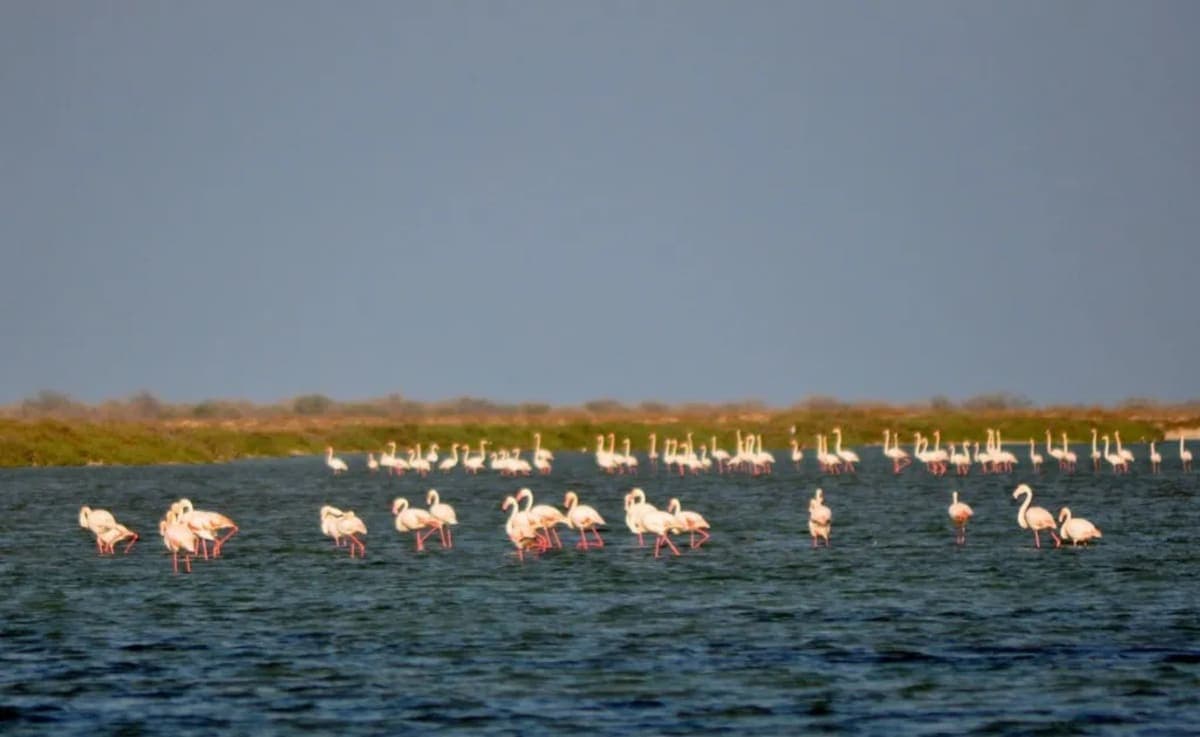
Khor Al Beidah is the crown jewel of Umm Al Quwain’s birdwatching hotspots. This vast tidal wetland stretches across mudflats, lagoons, and salt marshes that provide food and shelter for thousands of birds. It has even been designated as an Important Bird Area (IBA) due to its global significance for migratory shorebirds.
What makes Khor Al Beidah exceptional is the Crab-plover, a striking black-and-white bird with a unique bill adapted for digging crabs. This species is considered a “must-see” for birders in the UAE. During the winter months, the lagoon teems with Kentish plovers, sandpipers, and Great Knots. Raptors such as Ospreys and Marsh Harriers are often seen patrolling the skies, adding a touch of drama to the wetland scene.
👉 Travel Tip: Bring a spotting scope for long-distance viewing, as many birds forage deep in the mudflats. Early morning visits provide the best light for photography.
2. 🦩 Al Sinniyah Island — Flamingo & Seabird Haven
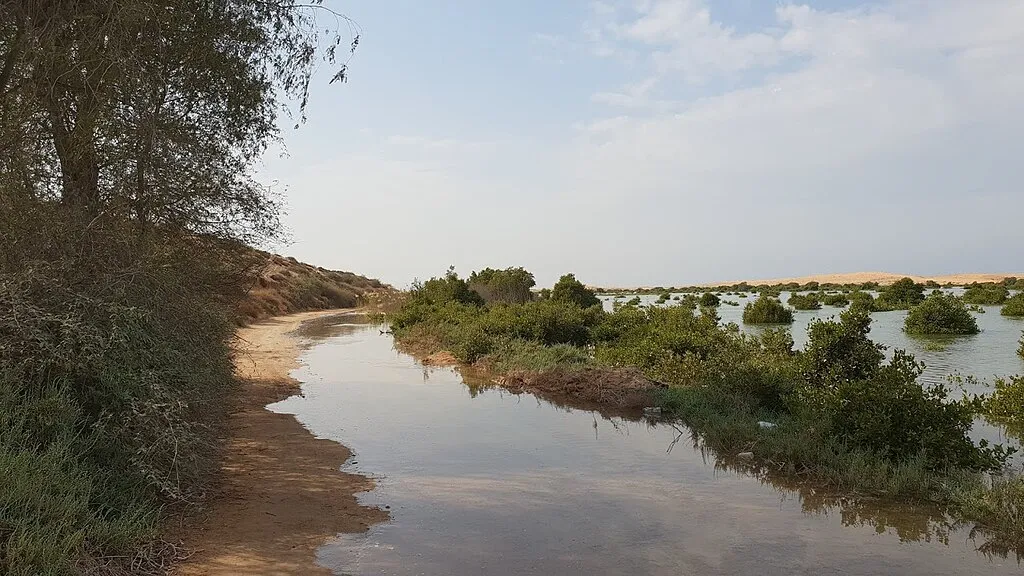
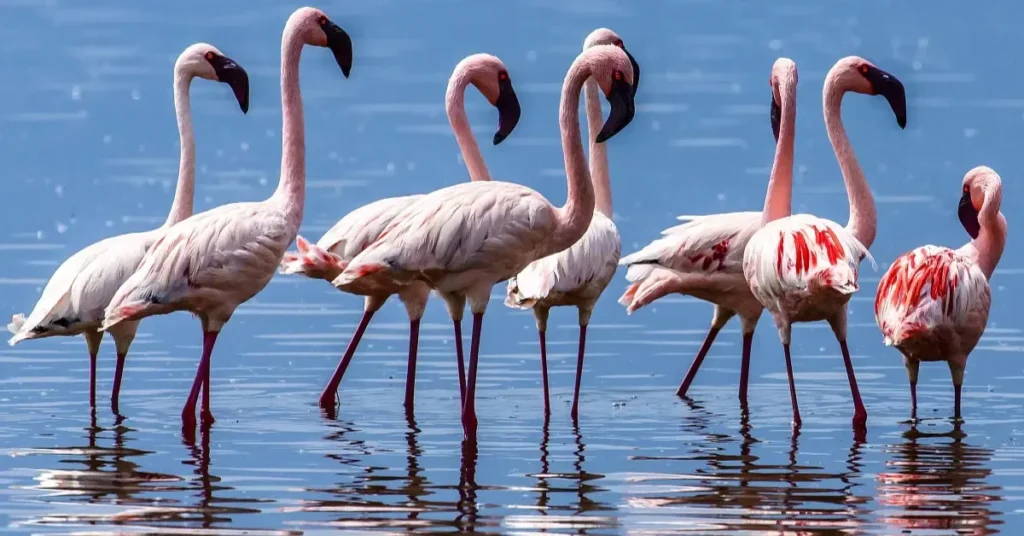
No discussion of birdwatching hotspots in Umm Al Quwain is complete without Al Sinniyah Island. This protected island, located just off the coast, is a sanctuary for seabirds and waterbirds. It is particularly famous for its large flocks of Greater Flamingos, which gather in shallow lagoons to feed on shrimp and algae.
Another highlight is the Socotra Cormorant, a species that breeds in the region in significant numbers. These sleek, dark seabirds often nest in colonies that can number in the thousands, creating one of the most remarkable spectacles in Arabian birding. Terns, gulls, and oystercatchers also frequent the island, making it a year-round hotspot.
👉 Travel Tip: Access is restricted, but eco-boat tours from Umm Al Quwain provide safe and sustainable ways to experience the island without disturbing its fragile habitats.
3. 🌿 Umm Al Quwain Mangrove Forest — Kayak Birding Adventures
Umm Al Quwain’s mangrove forests stretch along the coastline, forming a maze of waterways that are best explored by kayak. For many visitors, this is the most immersive way to experience one of the emirate’s birdwatching hotspots. As you paddle through the calm waters, you may encounter herons silently stalking fish, egrets perching on roots, and colorful kingfishers darting above the surface.
The mangroves also serve as nurseries for fish and crustaceans, indirectly supporting the bird populations that feed on them. Birding from a kayak provides a chance to get close to species that would normally be shy around walkers.
👉 Travel Tip: Guided kayak tours often include eco-briefings about the importance of mangroves to UAE biodiversity. Book early in the cooler months (November–March) for the most comfortable experience.
4. 🪶 Mudflats & Shorelines — Watching the Tide Transform
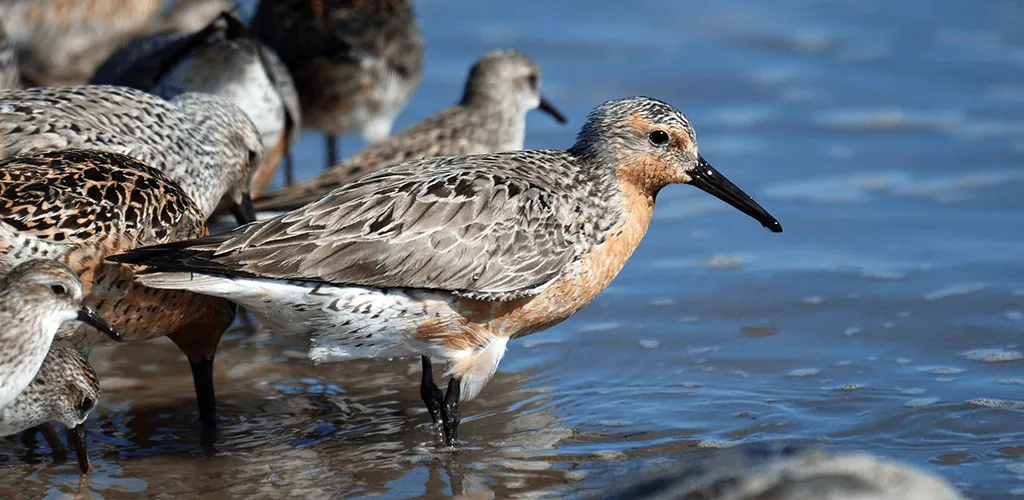
The tidal mudflats and sandy beaches of Umm Al Quwain are dynamic environments where bird numbers rise and fall dramatically with the tides. At low tide, thousands of waders spread out to feed on worms, mollusks, and crustaceans. At high tide, the same birds roost in large flocks, often side by side with gulls and terns.
This shifting drama makes the shorelines one of the most rewarding birdwatching hotspots for patient observers. You may spot species like Terek Sandpipers, Whimbrels, and Lesser Sand Plovers alongside more common migrants.
👉 Travel Tip: Plan your visit with the tide schedule in mind. Arriving an hour before low tide ensures you witness the maximum feeding activity.
5. 🗺️ Offshore Islets & Sandbanks — Hidden Bird Realms
Scattered off the coast of Umm Al Quwain are small, low-lying islands and sandbanks that act as resting and breeding grounds for seabirds. While they are not always easy to access, they represent some of the emirate’s most pristine birdwatching hotspots.
During boat trips, lucky birders may encounter flocks of terns diving into the sea, Ospreys nesting on rocky outcrops, or even dolphins swimming alongside, adding to the overall experience.
👉 Travel Tip: Always go with a licensed operator, as many offshore sites are ecologically sensitive and entry is strictly regulated.
6. 🔭 Birding from Boats & Guided Tours — A Unique Perspective
For those who want to combine adventure with birdwatching, Umm Al Quwain offers several eco-boat and kayak tour operators. These excursions often last 2–3 hours and give you access to areas that are otherwise unreachable from land.
Birding from the water lets you experience birdwatching hotspots like mangroves and sandbanks up close, while also enjoying the chance to spot marine life such as turtles and rays. Guides usually provide binoculars and species checklists, making them ideal for beginners.
👉 Travel Tip: Bring a waterproof dry bag for your gear. The reflection from the water can be intense, so polarized sunglasses are highly recommended.
7. ♻️ Conservation & Responsible Birding
Umm Al Quwain’s natural habitats are under increasing pressure from development. Yet, conservation efforts have helped protect some of the emirate’s most vital birdwatching hotspots. Organizations work closely with local authorities to ensure that critical habitats like Khor Al Beidah remain intact for future generations of birds and birders alike.
As a visitor, you play an important role. Stick to designated paths, avoid loud noises, and never approach nesting sites. By practicing responsible birding, you help ensure that these fragile ecosystems continue to thrive.
👉 Travel Tip: Support local eco-tour companies that prioritize sustainability. Every booking helps fund conservation and community awareness.
8. 🧭 Best Time to Visit & Practical Tips
The best season for birdwatching in Umm Al Quwain is November to March, when migratory birds arrive in huge numbers and the weather is pleasant. During this period, the emirate’s birdwatching hotspots offer a chance to see dozens of species in a single day.
Practical tips for birders in 2025:
- Gear up: Binoculars (8×42 recommended), spotting scopes, and field guides.
- Transport: A 4WD may be needed for sandy tracks.
- Timing: Sunrise and sunset are prime for bird activity.
- Safety: Carry water, sunscreen, and insect repellent.
- Photography: Long lenses (300mm+) are ideal for capturing shorebirds without disturbance.
✅ Quick Species Checklist
- Crab-plover
- Greater Flamingo
- Socotra Cormorant
- Western Reef Heron
- Kentish & Greater Sand Plovers
- Great Knot
- Terek Sandpiper
- Osprey & Marsh Harrier
- Kingfisher species
🗓️ Sample Itinerary for Birders
- Dawn at Khor Al Beidah: scope the mudflats for Crab-plovers.
- Late morning kayak: explore mangroves for kingfishers and herons.
- Afternoon boat trip: visit offshore islets and Al Sinniyah to see flamingos and seabirds.
This itinerary covers three major birdwatching hotspots in a single day, giving you a comprehensive taste of Umm Al Quwain’s avian wealth.
🌟 Conclusion
Umm Al Quwain in 2025 has rightfully earned its reputation as one of the UAE’s most rewarding birdwatching hotspots. From the tidal flats of Khor Al Beidah to the pink lagoons of Al Sinniyah Island and the serene mangrove forests, every corner of this emirate showcases the beauty of nature. Unlike crowded city attractions, these birdwatching hotspots offer peace, tranquility, and a chance to witness thousands of migratory birds in their natural habitat.
Whether you are a seasoned birder with a life list or a casual traveler looking for something different, Umm Al Quwain’s birdwatching hotspots provide unforgettable encounters with species that are rarely seen elsewhere in the Gulf. The Crab-plover, flamingos, Socotra cormorants, and kingfishers are just a few examples of the treasures waiting here.
Visiting these birdwatching hotspots also contributes to conservation efforts, as eco-tours and guided trips help sustain local initiatives protecting fragile ecosystems. More than just sightseeing, it is a way to connect deeply with the rhythms of nature.
As tourism in the UAE grows, the quiet charm of Umm Al Quwain’s birdwatching hotspots will continue to attract those who value authenticity and wildlife. For bird lovers, this emirate is not just a stopover — it’s a destination worth cherishing for a lifetime.
📚 Useful Links & References
- Khor Al Beidah IBA info
- UAEBirding.com hotspot guide
- Umm Al Quwain mangrove tours
- BirdingHotspots UAE species checklist
Also Read: Farming in Umm Al Quwain: Organic Produce, Local Farms & Sustainable Agriculture (2025 Guide)