Introduction
In 2025, Eco-Tourism in Sharjah has matured into one of the Middle East’s most inspiring sustainability stories. Known traditionally for its cultural and educational appeal, Sharjah has invested heavily in conservation zones, visitor centres, and eco-lodges that are transforming how travellers experience nature in the UAE. The emirate blends untouched mangroves, rehabilitated wetlands, mountain retreats, desert archaeology, and modern sustainability initiatives — all curated in a way that balances public access with preservation.
Whether you’re a solo adventurer, a family seeking wildlife encounters, or an eco-conscious traveller searching for low-impact holidays, Eco-Tourism in Sharjah now offers a comprehensive portfolio of destinations. From kayaking in mangrove channels to spotting Arabian leopards in mountain conservation enclosures, Sharjah proves that an emirate can be both modern and deeply respectful of its environment.
1. 🌿 Khor Kalba Mangrove Centre — A coastal gem of conservation
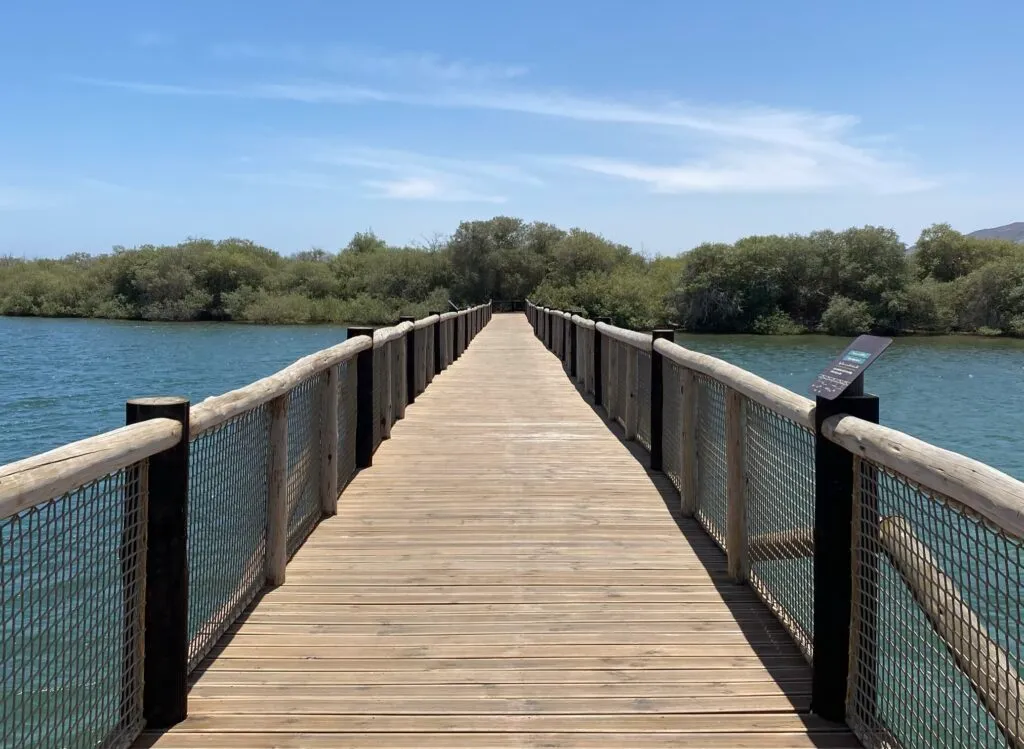
At the eastern edge of the emirate lies Khor Kalba, home to one of the oldest mangrove forests in the region. Reopened with advanced facilities, the Khor Kalba Mangrove Centre demonstrates why Eco-Tourism in Sharjah is gaining international attention. Boardwalks weave through shaded mangroves, turtle rehabilitation pools highlight conservation in action, and interpretive galleries explain the ecological role of mangroves as nurseries for fish and protectors against coastal erosion.
For 2025, the centre has expanded its education programs, introducing family-friendly guided tours and kayak trails led by marine biologists. Eco-conscious travellers can join seasonal turtle release programs, contributing to conservation outcomes while enjoying a once-in-a-lifetime moment. This synergy of science, education, and tourism showcases the essence of Eco-Tourism in Sharjah.
2. 🐦 Wasit Wetland Centre — Birdwatching paradise & Ramsar site
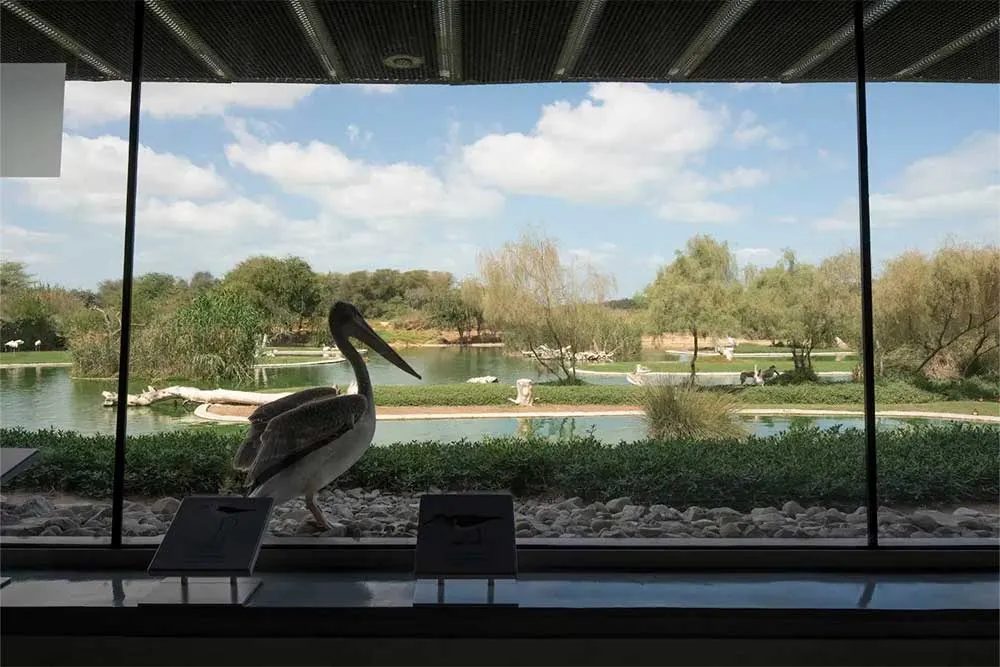
Another pillar of Eco-Tourism in Sharjah is the Wasit Wetland Centre, a Ramsar-designated sanctuary that has risen from a reclaimed landfill. Today, it is a thriving wetland habitat hosting over 350 species of birds throughout the year. Elevated boardwalks, discreet hides, and immersive observation pods allow visitors to quietly watch flamingos, glossy ibis, and purple swamphens in their natural habitat.
In 2025, Wasit has integrated augmented-reality birding apps for visitors, allowing families and school groups to identify birds in real-time and learn about migration patterns. Eco-travellers can join dawn tours, a particularly rewarding experience when thousands of migratory birds land across the wetlands. By transforming a degraded area into a biodiversity hotspot, Wasit embodies how Eco-Tourism in Sharjah blends rehabilitation with sustainable tourism.
3. 🐾 Al Hefaiyah Mountain Conservation Centre — Guardians of the highlands
Perched at the foothills of the Hajar Mountains near Kalba, Al Hefaiyah Mountain Conservation Centre provides an up-close look at the UAE’s rare mountain wildlife. From Arabian tahr to caracals and striped hyenas, the centre protects species that would otherwise be difficult to observe in the wild.
For travellers, the experience goes beyond wildlife viewing. Guided eco-buggy tours explain the geology of the mountains, the challenges of desertification, and ongoing breeding programs for endangered species. A new 2025 initiative includes eco-educational camping near the centre, where small groups can spend the night in eco-tents powered by solar energy. The centre has become a keystone for Eco-Tourism in Sharjah, showing how mountain landscapes can be preserved while still being accessible to visitors.
4. 🏜️ Mleiha Archaeological Centre — Where history meets eco-adventure
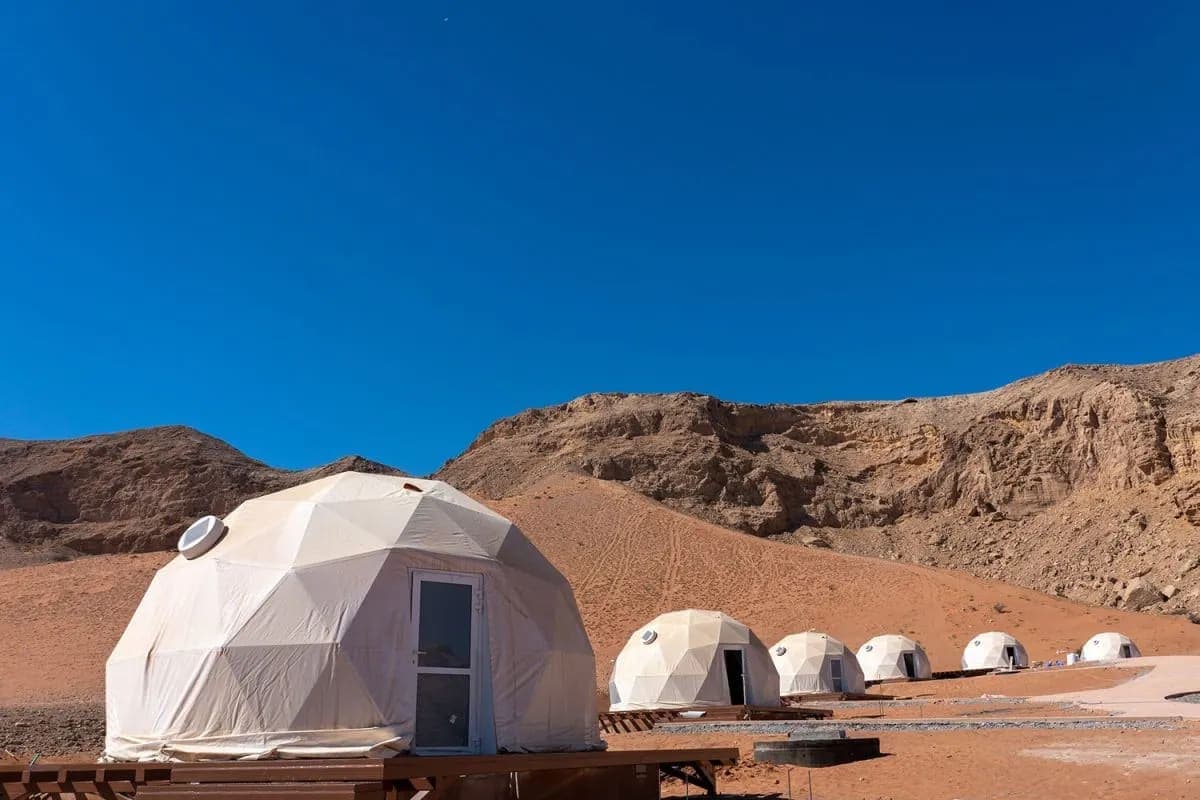
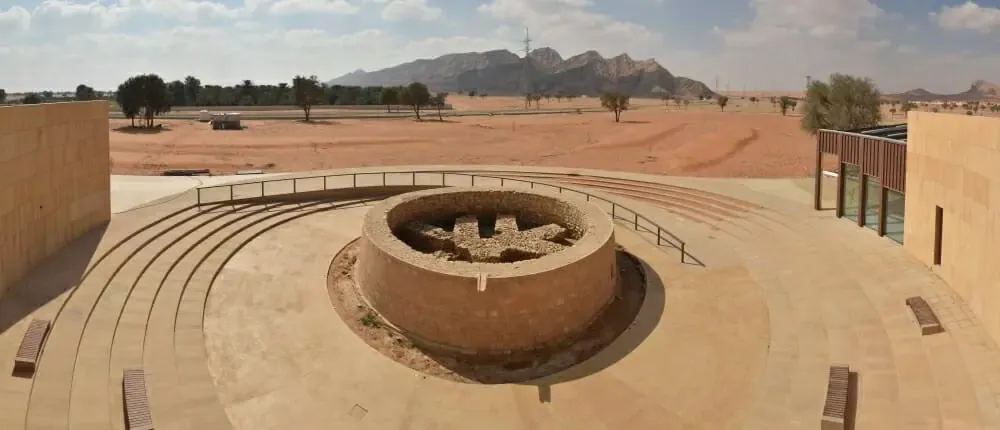
The desert around Mleiha Archaeological Centre offers a different perspective on Eco-Tourism in Sharjah. Beyond its archaeological treasures — including Stone Age artefacts and Bronze Age tombs — Mleiha serves as a hub for desert-based eco-experiences. Visitors can explore fossil dunes, join astronomy sessions under clear desert skies, or embark on guided ecology walks to understand desert flora and fauna.
Mleiha has expanded in 2025 with boutique eco-lodges built using sustainable materials, designed to blend into the dunes without disturbing the landscape. Solar-powered observatories and low-impact desert campsites now attract eco-conscious stargazers and families. Here, culture and sustainability intersect, proving that Eco-Tourism in Sharjah also preserves human heritage alongside natural ecosystems.
5. 🌱 Community engagement — Locals at the heart of eco-tourism
The success of Eco-Tourism in Sharjah relies not just on infrastructure but also on community participation. Local guides, educators, and conservationists are increasingly part of eco-initiatives. At Khor Kalba, traditional fishermen share stories of mangrove ecosystems. At Wasit, schoolchildren are invited to plant native reeds during field trips. In the mountains, Bedouin families partner with conservation authorities to guide treks while preserving local culture.
This integration ensures eco-tourism revenue flows back into local communities, creating a sustainable cycle where conservation, tourism, and livelihoods reinforce one another. For visitors, this means experiences that are authentic, educational, and deeply rooted in place.
6. 🚶 Eco-trails & seasonal travel planning
A crucial aspect of Eco-Tourism in Sharjah is timing your visit. The cooler months from October to March are ideal for exploring mangroves, wetlands, and mountains. Trails are open longer, wildlife is more active, and outdoor activities like kayaking or trekking are more comfortable.
Sharjah’s eco-sites are designed with accessibility in mind. Boardwalks at Wasit and Kalba provide wheelchair access, while guided trails in Mleiha and Al Hefaiyah ensure visitor safety. Seasonal closures, such as restricted access during bird nesting or turtle hatching, highlight the emirate’s commitment to putting ecosystems first. Responsible travellers are encouraged to plan around these natural cycles, aligning their trips with the rhythms of Eco-Tourism in Sharjah.
7. 🔬 Citizen science & conservation volunteering
In 2025, Sharjah has deepened its emphasis on participatory tourism. Visitors can now join bird counts at Wasit, turtle monitoring at Khor Kalba, and desert clean-ups in Mleiha. These citizen-science opportunities transform tourists into active conservation partners, creating a deeper sense of connection with the environment.
Some programs even provide certificates of participation, appealing to families and educational groups. For many eco-travellers, this shift from passive observation to active contribution is what makes Eco-Tourism in Sharjah particularly rewarding.
8. 🛌 Sustainable stays — Eco-lodges & green hotels
Accommodation is a vital part of responsible travel. In Sharjah, eco-friendly options are expanding in 2025. From solar-powered eco-lodges in Mleiha to waterfront resorts near Kalba that incorporate greywater recycling, travellers can now choose stays that actively support conservation.
International hotel brands in Sharjah have also introduced sustainability pledges, including reduced plastic use, locally sourced menus, and partnerships with nearby eco-centres. By aligning your stay with these initiatives, you become part of the broader ecosystem of Eco-Tourism in Sharjah.
Practical tips for eco-travellers
- Always carry reusable bottles and avoid single-use plastics, especially around wetlands and mangroves.
- Stick to designated boardwalks and trails to prevent damaging fragile ecosystems.
- Opt for guided tours — they enrich your understanding and ensure minimal disturbance to wildlife.
- Respect wildlife distance rules: never feed birds or marine animals.
- Support local conservation through donations or by buying souvenirs made by community groups linked to eco-projects.
Conclusion
Sharjah has positioned itself as a pioneer in eco-conscious travel, creating experiences that are immersive, educational, and sustainable. From kayaking through Khor Kalba’s mangroves to birdwatching at Wasit Wetland, hiking in the Hajjar mountains, or stargazing in Mleiha’s desert, Eco-Tourism in Sharjah offers something for every kind of traveller.
By visiting responsibly, travellers don’t just enjoy pristine landscapes — they actively contribute to the preservation of ecosystems and heritage. In 2025, Eco-Tourism in Sharjah is not just a holiday trend, but a commitment to a future where tourism and nature thrive together.
External links & further reading
- Khor Kalba Mangrove Centre
- Wasit Wetland Centre (official site)
- Al Hefaiyah Mountain Conservation Centre
- Mleiha Archaeological Centre
- Wasit Wetland Centre background
Also Read: Discovering the Rich Cultural Tapestry of Sharjah: Museums Galore