Introduction
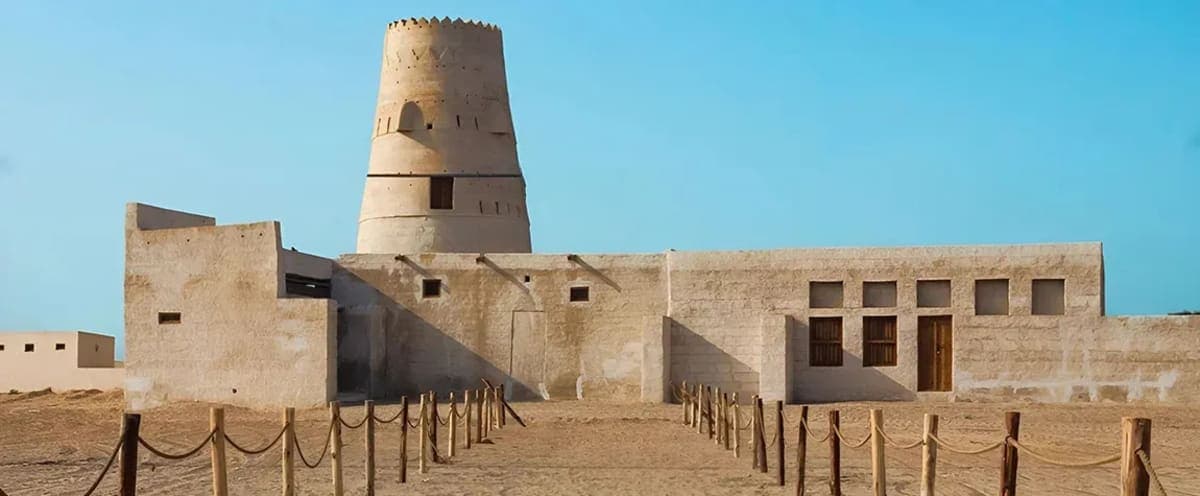
The northernmost emirate of the UAE, Ras Al Khaimah (RAK), has long been known as the “cultural jewel” of the region. While Dubai and Abu Dhabi sparkle with modern skylines, Ras Al Khaimah preserves its heritage through forts, ruins, and ancient settlements. These sites are not mere relics; they are guardians of memory, bearing witness to the emirate’s maritime past, pearl-diving economy, tribal conflicts, and links to trade networks stretching as far as India and Mesopotamia.
In 2025, heritage tourism in the UAE has become more prominent, and Historical Forts in Ras Al Khaimah play a central role in that narrative. From the commanding hilltop Dhayah Fort to the haunting ruins of Al Jazirah Al Hamra, each site tells a unique story. Whether you’re a resident, an expat, or a first-time visitor, this guide will help you explore, understand, and experience these sites deeply.
1. 🏰 Dhayah Fort — UAE’s Only Hilltop Fortress
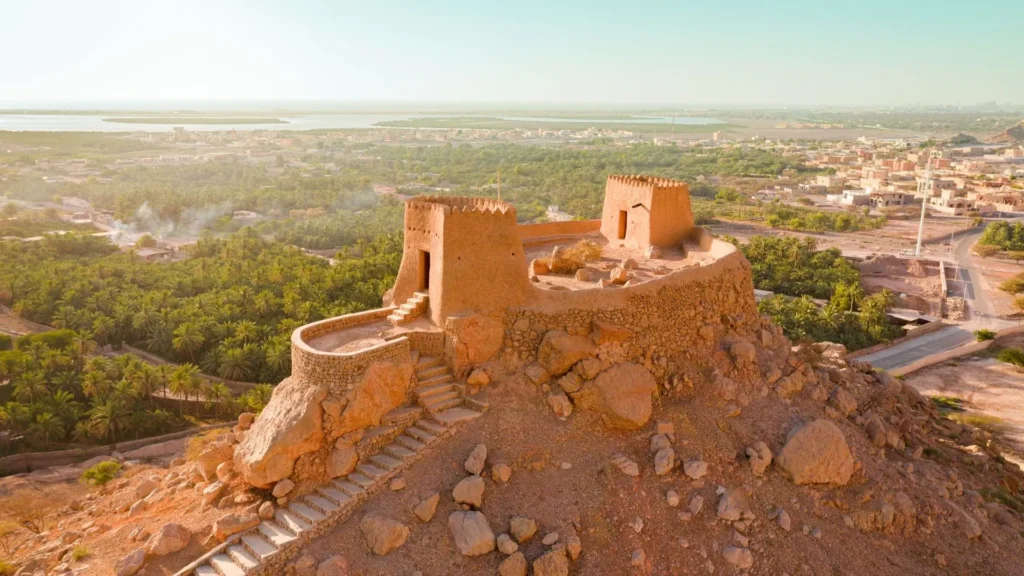
Standing proudly on a 70-metre hill, Dhayah Fort is perhaps the most iconic of all Historical Forts in Ras Al Khaimah. Built in the 18th century, it gained global recognition in 1819 when British forces laid siege to it, marking a turning point in Gulf history. The fort’s mudbrick walls, though reconstructed, still echo the tension of that battle.
The climb up its zigzagging steps rewards visitors with spectacular views: lush date palm gardens below, the glittering Arabian Gulf on one side, and rugged Hajjar Mountains on the other. It’s easy to imagine lookouts spotting approaching ships centuries ago. Today, it’s a photographer’s paradise and a reminder of resilience.
Travel Tip: Carry water, wear sturdy shoes, and time your visit for sunrise or sunset to enjoy cooler temperatures and breathtaking golden-hour views.
2. 🛡️ Ras Al Khaimah Fort (National Museum) — From Residence to Repository
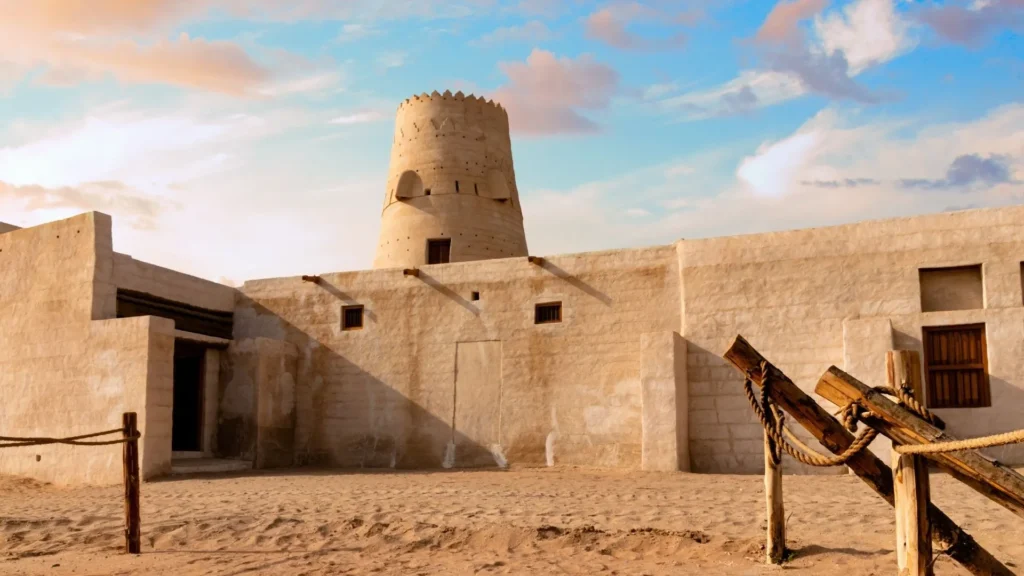
Located in the city centre, Ras Al Khaimah Fort is another essential stop among the Historical Forts in Ras Al Khaimah. Originally built in the 18th century, it served as the residence of the ruling Al Qasimi family before being converted into a prison and later, in 1987, into the National Museum.
Inside, visitors will find exhibitions of archaeological finds, ethnographic displays, and maritime history. Bronze Age jewellery, pearl-diving tools, and tribal weaponry are showcased alongside rare manuscripts. The museum excels in presenting how forts were not just military structures but also cultural and political hubs.
Why Visit in 2025?
Recent upgrades have added digital installations, making history more interactive for young visitors. Multilingual guides and augmented-reality features allow you to “see” the fort in its prime.
3. 🪨 Shimal & Julfar — A Continuous Historical Landscape
Shimal is one of the UAE’s most significant archaeological areas, with finds dating back to the Umm Al-Nar period (2600–2000 BCE). Scattered across hillsides are hundreds of prehistoric tombs, giving the site a haunting beauty. Close by is Julfar, a medieval trading town once renowned across the Indian Ocean.
Central to this site is “Sheba’s Palace,” a ruined fortress perched on a hill that scholars believe functioned as both a lookout and an administrative hub. While not as intact as Dhayah Fort, it deserves a place among the Historical Forts in Ras Al Khaimah because of its defensive role.
Archaeological Significance: Excavations here reveal pottery imported from Mesopotamia, Iran, and the Indus Valley, proving Ras Al Khaimah’s role as a bustling hub of commerce.
4. 🏚️ Al Jazirah Al Hamra — The Ghost Village of the Gulf
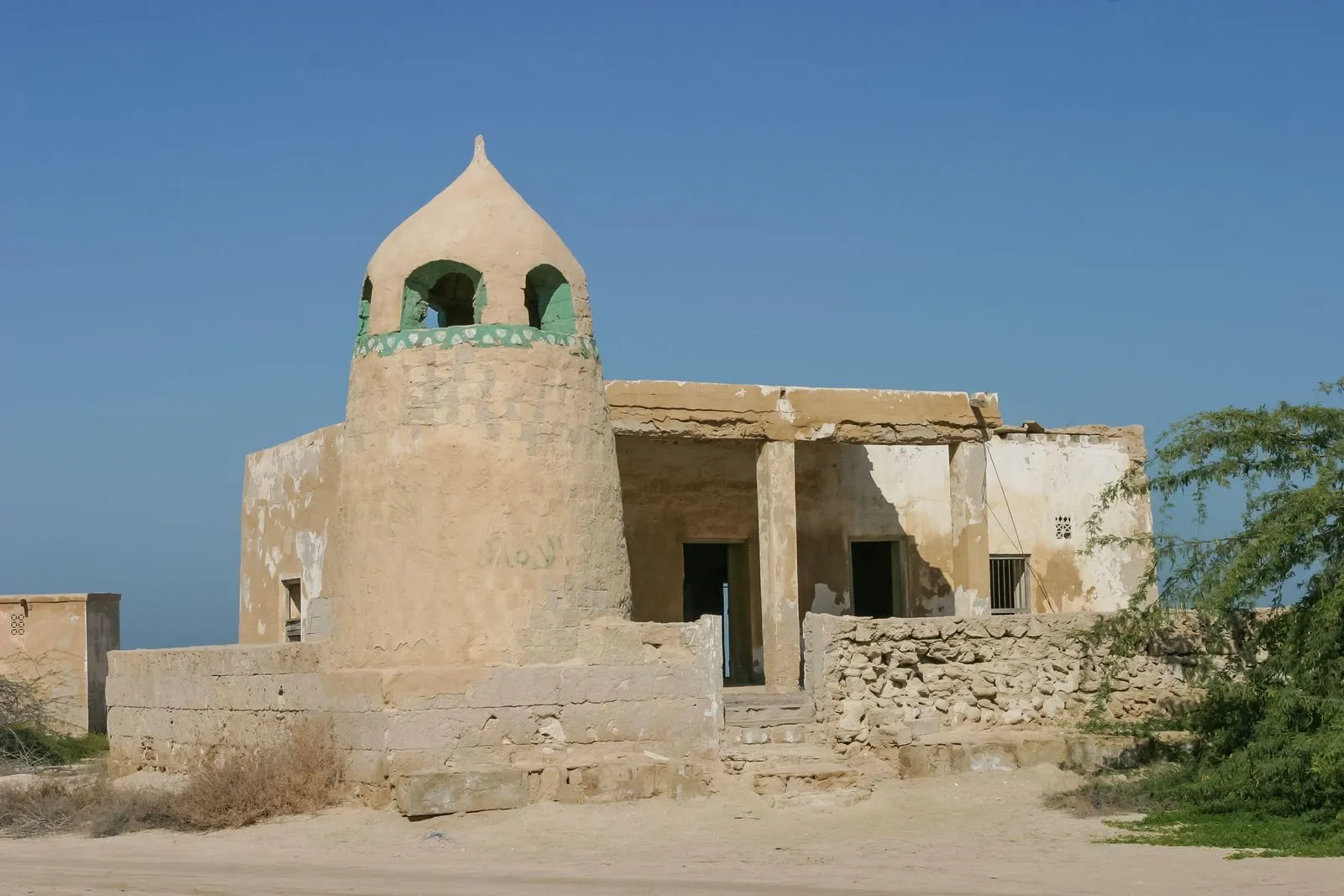
Unlike the other Historical Forts in Ras Al Khaimah, Al Jazirah Al Hamra isn’t a single fortress but an entire abandoned village. Once a thriving pearling community, it was deserted in the mid-20th century. What remains today are coral-stone houses, narrow alleyways, mosques, and watchtowers.
Walking through its ghostly streets feels like travelling back in time. You’ll see collapsed roofs, wooden doors weathered by the sea breeze, and interiors with decorative plasterwork still intact.
2025 Update: Conservation efforts have expanded walking trails, and several houses have been stabilized for safe exploration. Guided heritage tours now provide storytelling about village life, superstitions, and how the community survived through pearling and fishing.
5. 🧭 Hidden Forts & Watchtowers — The Unsung Guardians
Beyond the famous landmarks, there are lesser-known Historical Forts in Ras Al Khaimah that are equally fascinating:
- Al Uraibi Fort: Once guarding an inland settlement, it still features thick mudbrick walls.
- Al Mazra’a Fort: Known for its agricultural significance, protecting water resources and farms.
- Azen Fort: A smaller site but strategically located along tribal boundaries.
- Nasla Fort: A defensive structure that helped secure caravan routes.
Though some of these forts are in partial ruins, they remind us that RAK’s defense system wasn’t about single strongholds but an interconnected web of forts, towers, and settlements.
Pro Tip: Hire a local guide — many of these hidden gems aren’t well-signposted but reveal incredible oral histories when explored with locals.
6. 🔍 Archaeology’s Role in Understanding Forts & Ruins
The Historical Forts in Ras Al Khaimah don’t exist in isolation; they are linked to broader archaeological landscapes. Excavations at Shimal, for example, have unearthed thousands of burials, some containing bronze weapons, soft-stone vessels, and beads. These findings suggest extensive trade with Mesopotamia and the Indus Valley.
The forts themselves were often built atop older sites, symbolizing continuity. Layers of mudbrick, coral stone, and later concrete reveal evolving architectural styles. Each fort tells not just a military story but also one of adaptation and survival.
7. 🚶 Planning Your Fort Trail in 2025
To truly appreciate the Historical Forts in Ras Al Khaimah, create a structured itinerary:
- Morning: Start at Ras Al Khaimah Fort (National Museum).
- Midday: Head north to Shimal and Julfar.
- Afternoon: Climb Dhayah Fort for panoramic views.
- Evening: Explore Al Jazirah Al Hamra at sunset.
Travel Essentials:
- Best season: October–March (pleasant weather).
- Essentials: Sunscreen, water, hats, sturdy footwear.
- Transport: A rental car is best, as public transport is limited.
For summer visitors, start early to beat the heat, and always check heritage authority websites for updated timings.
8. 📸 Photography & Responsible Tourism
The Historical Forts in Ras Al Khaimah are Instagram-worthy, but they also deserve respect. Avoid climbing fragile walls, follow signage, and never remove stones or artefacts.
Photography tips:
- Golden Hour: Dhayah Fort is perfect for sunrise and sunset.
- Textures: Capture the coral stones at Al Jazirah Al Hamra in detail.
- Wide Shots: Use drone photography responsibly (with permits).
Supporting local initiatives, joining heritage tours, and buying RAK-made handicrafts ensure your visit contributes to sustainable tourism.
Conclusion
Ras Al Khaimah is unlike any other emirate when it comes to cultural heritage, and its forts stand as timeless symbols of pride, resilience, and identity. Walking through the Historical Forts in Ras Al Khaimah is more than sightseeing — it’s a journey into centuries of stories where tribal leaders defended their people, pearl divers returned from the sea, and merchants connected the Gulf to distant civilizations.
From the commanding heights of Dhayah Fort to the vast ruins of Shimal and the ghostly lanes of Al Jazirah Al Hamra, the Historical Forts in Ras Al Khaimah remind us of the region’s strategic importance and cultural depth. These sites are not just walls and stones; they are living archives where archaeology, architecture, and oral traditions converge.
For travellers in 2025, visiting the Historical Forts in Ras Al Khaimah offers both adventure and education. Families, history lovers, and photographers alike will find inspiration in the architecture, panoramic views, and preserved traditions. Each visit deepens appreciation for how these forts shaped community life and safeguarded resources.
Heritage authorities continue to restore and protect the Historical Forts in Ras Al Khaimah, ensuring they remain accessible for generations. This makes them more than relics — they are evolving landmarks where past and present meet.
Ultimately, exploring the Historical Forts in Ras Al Khaimah should be at the top of every cultural traveller’s UAE itinerary. With careful planning, respect for conservation, and curiosity, you’ll uncover the majestic spirit of a land where history still breathes through its forts and ruins.
External Links
- Dhayah Fort – Visit Ras Al Khaimah (official)
- Shimal on UNESCO Tentative List
- National Museum of Ras Al Khaimah
- Al Jazirah Al Hamra – Atlas Obscura
Also Read: A Guide to Ras Al Khaimah, the northern-most emirate of the UAE