🌍 Introduction
Ras Al Khaimah (RAK), the northernmost emirate of the UAE, is known for its breathtaking mountains, turquoise waters, and thriving tourism. Yet, beyond beaches and resorts, the emirate has steadily carved a place as a cultural capital in its own right. In 2025, museums in Ras Al Khaimah stand as bridges between the past and present — preserving heritage, showcasing natural wonders, and narrating stories of Emirati life through archaeology, architecture, and living traditions.
This guide takes you through the most important museums in Ras Al Khaimah, structured into eight sections. You’ll explore forts turned into museums, natural history collections, pearl farms, archaeological landscapes, and hidden heritage gems that make RAK a true open-air museum. With practical tips, updated timings, and cultural advice, this article is your complete 2025 resource.
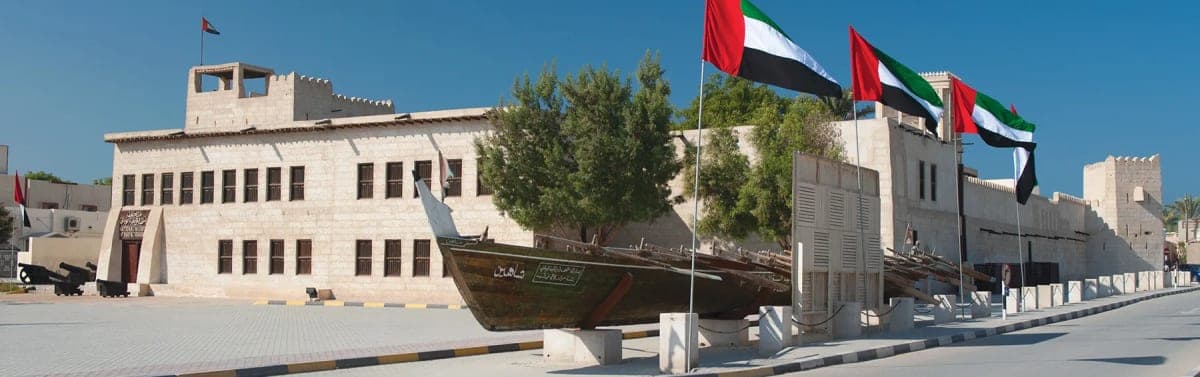
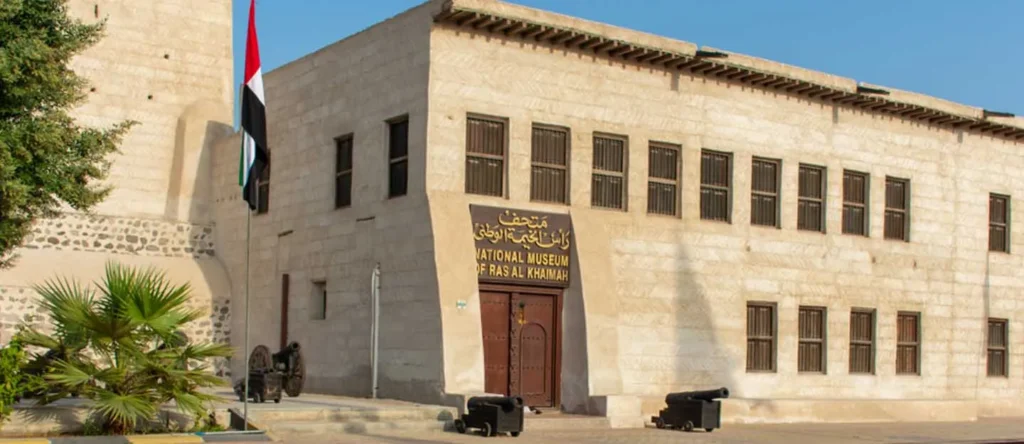
1️⃣ National Museum of Ras Al Khaimah (Al Hisn Fort)
The National Museum is the crown jewel of museums in Ras Al Khaimah. Housed in the 18th-century Al Hisn Fort, it embodies RAK’s resilience against invasions and its role as a strategic Gulf power. Originally a defense fort, then a ruling residence, and later a prison, the building carries layers of history.
Inside, you’ll find galleries dedicated to:
- Archaeology: artifacts from the Neolithic to Islamic eras, including ancient pottery, copper tools, and rare inscriptions.
- Ethnography: displays of Emirati life — pearl diving equipment, fishing tools, traditional homes, and silver jewelry.
- Political history: treaties, maps, and relics from colonial encounters with the Portuguese and British.
🕰️ Hours (2025):
- Tues–Thurs & Sat–Sun: 8 am – 6 pm
- Friday: 3 pm – 7:30 pm
- Monday closed
🎟️ Entry Fee: AED 5 adults, AED 2 children.
👉 Visitor Tip: Take at least 2 hours and join a guided tour. The fort’s watchtowers and wind-tower courtyard offer fantastic photography spots.
2️⃣ RAK Nature’s Treasures
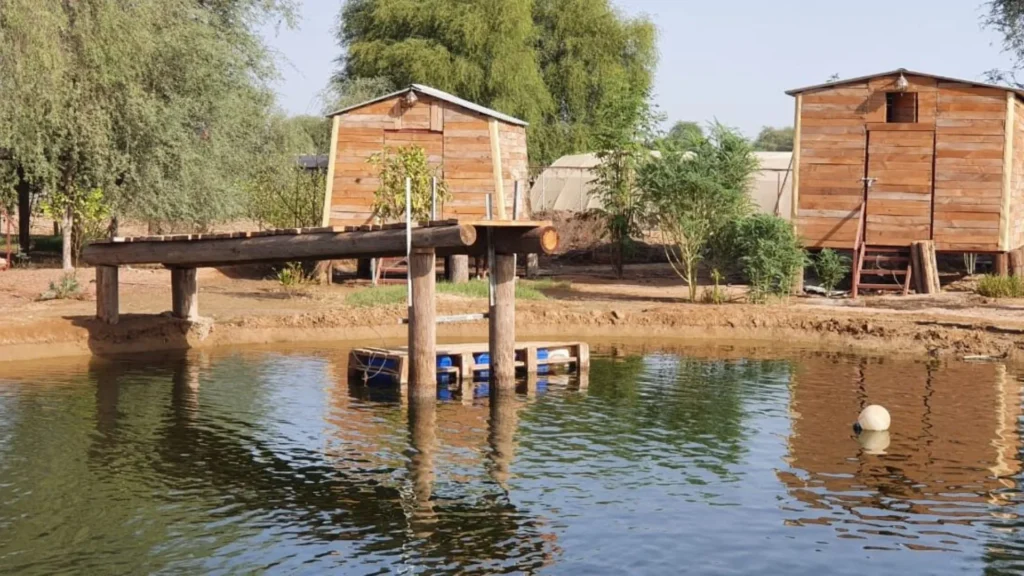
One of the most family-friendly museums in Ras Al Khaimah, RAK Nature’s Treasures is part natural history museum, part eco-farm, and part educational park. With over 2,500 specimens ranging from minerals, fossils, and seashells to taxidermy animals and exotic plants, it is a treasure chest of the emirate’s biodiversity.
Highlights include:
- A Salt Cave for wellness experiences.
- A Cactus Garden and greenhouse walkways.
- Petting areas with flamingos, goats, rabbits, and pigeons.
- A gemstone and mineral collection.
🕰️ Hours: Wednesday to Monday, 8 am – 8 pm.
👉 Visitor Tip: Perfect for kids. Allow 2–3 hours, and wear light clothing to move between indoor and outdoor sections.
By combining science, agriculture, and heritage, Nature’s Treasures expands the concept of museums in Ras Al Khaimah into a multi-sensory journey.
3️⃣ House of Pearls (Suwaidi Pearls)
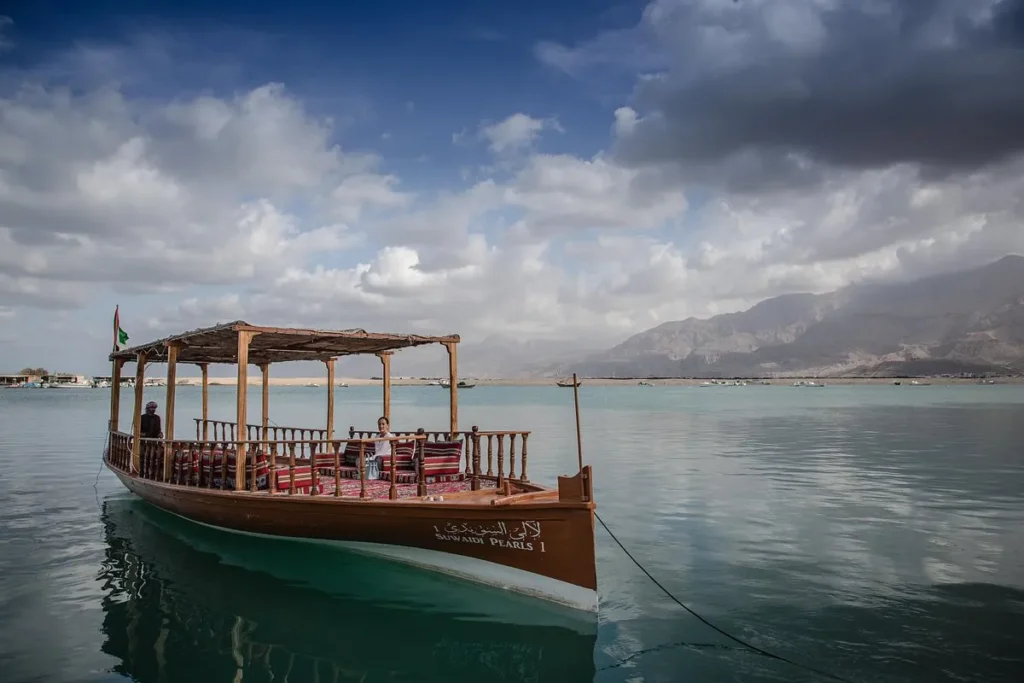
Pearl diving was once the lifeline of the UAE economy. At Suwaidi Pearls, you’ll experience how this centuries-old craft is kept alive. Located in Al Rams fishing village, this attraction is often called the “House of Pearls” and is among the most unique museums in Ras Al Khaimah.
The tour typically includes:
- A boat ride to the floating pearl farms.
- Demonstrations of oyster seeding and harvesting.
- Insight into pearl grading and jewelry making.
- Traditional stories about pearl divers’ lives and songs.
🕰️ Hours: Daily 9 am – 7 pm. Pre-booking required.
👉 Visitor Tip: Wear comfortable clothing, carry sunscreen, and don’t skip the gift shop, where you can buy authentic local pearls.
Suwaidi Pearls bridges the line between eco-tourism and cultural museum experiences — preserving marine heritage while sustaining modern livelihoods.
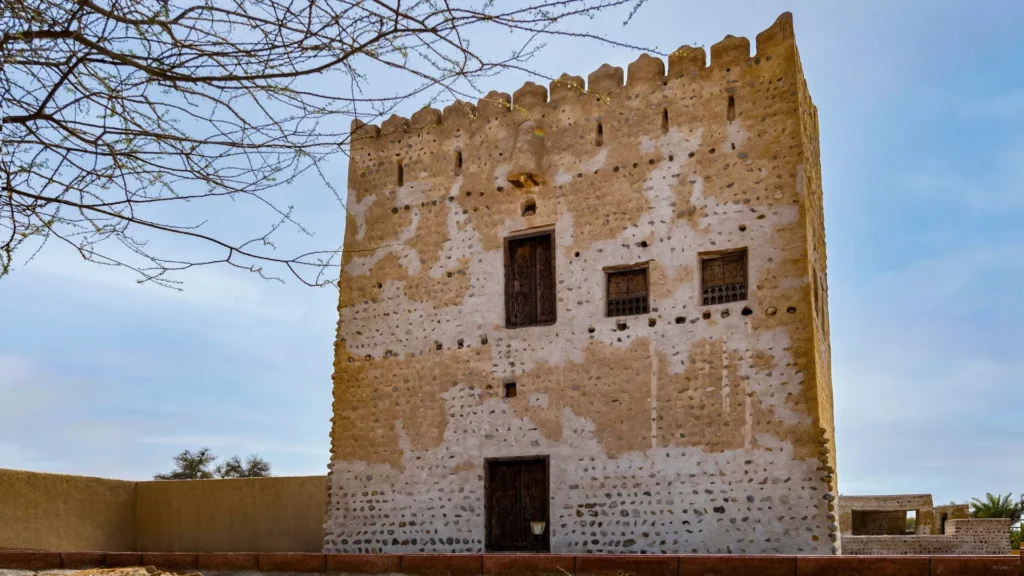
4️⃣ Al Falayah Fort (Treaty House)
Al Falayah Fort, sometimes referred to as the Treaty House, is a site of immense historical importance. It was here that preliminary agreements leading to the 1820 General Treaty of Peace with the British were signed, reshaping Gulf politics.
Although not a traditional gallery, Al Falayah is included in the network of museums in Ras Al Khaimah because of its heritage role. The restored fort includes watchtowers and inner courtyards that reflect traditional Qasimi architecture.
👉 Visitor Tip: Visit early morning or late afternoon to avoid heat. Combine it with a trip to Wadi Haqil or Shimal archaeological sites.
5️⃣ Shimal & Seih Al Harf Archaeological Sites
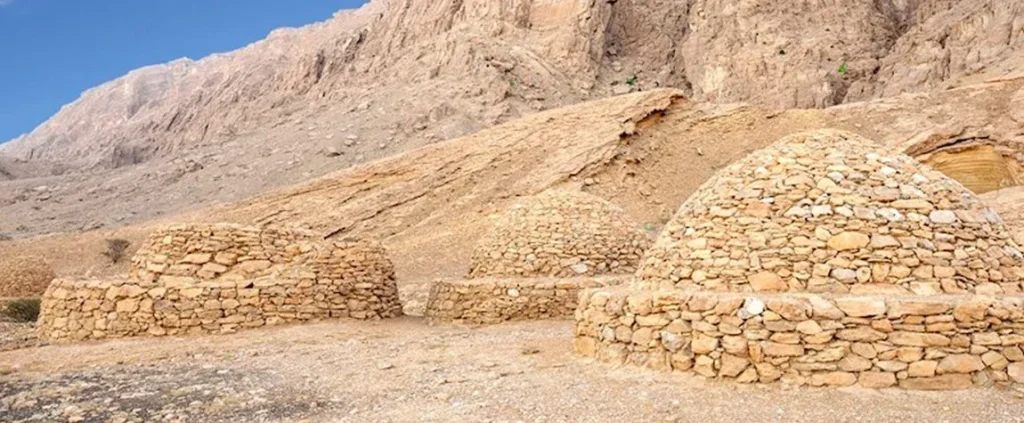
Few places embody history like Shimal and Seih Al Harf. These sites, often called “open-air museums,” are essential parts of museums in Ras Al Khaimah. Dating back to the Wadi Suq period (2000–1300 BCE), they contain hundreds of pre-Islamic tombs and burial chambers.
Key highlights:
- Megalithic stone tombs shaped in horseshoe and W-forms.
- Artifacts like beads, pottery, bronze tools, and skeletal remains.
- The views of the Hajar Mountains offer dramatic backdrops for exploration.
👉 Visitor Tip: Wear sturdy shoes, bring water, and hire a guide if possible — much of the site lacks signage. Best visited in cooler months (Nov–March).
These sites remind visitors that museums in Ras Al Khaimah are not confined to walls but stretch across landscapes.
6️⃣ Mohammed Bin Salem Mosque
This mosque, dating back to the 18th century, is both a place of worship and a heritage site. Excavations revealed an older mosque foundation beneath it, making it part of RAK’s living archaeological heritage. While primarily a religious site, it often features in lists of museums in Ras Al Khaimah because of its layered cultural history.
👉 Visitor Tip: Dress modestly, visit outside prayer times, and check if heritage tours are available.
7️⃣ Hidden Gems & Private Collections
Besides the big names, several smaller cultural hubs also fall under museums in Ras Al Khaimah:
- Nefertiti for Natural Oils & Herbs: a blend of museum and boutique showcasing natural remedies and herbs.
- Al Jazirah Al Hamra Heritage Village: a preserved ghost town with coral stone houses and abandoned mosques, functioning like an open museum.
- Local photography and art exhibits are held seasonally in RAK’s cultural centers.
👉 Visitor Tip: Always confirm timings in advance — these smaller venues may not keep fixed schedules.
8️⃣ Planning Your Museum Tour in RAK
To maximize your museum trail:
- Day 1: National Museum → Mohammed Bin Salem Mosque → Al Jazirah Al Hamra Heritage Village.
- Day 2: RAK Nature’s Treasures → Suwaidi Pearls tour.
- Day 3: Al Falayah Fort → Shimal archaeological sites → Seih Al Harf.
✔️ Transport: Rent a car for flexibility.
✔️ Season: Visit October–April for outdoor heritage sites.
✔️ Food: Try local Emirati restaurants near Ras Al Khaimah Corniche between museum visits.
✔️ Respect: Museums often overlap with sacred or fragile spaces — follow etiquette and preserve the environment.
✨ Conclusion
In 2025, the spectrum of museums in Ras Al Khaimah offers far more than dusty displays. They tell stories of survival, adaptation, and cultural pride. From forts that survived colonial attacks to pearl farms reviving marine heritage, from eco-farms with reptiles and gemstones to prehistoric burial grounds, the emirate has built a layered museum landscape that appeals to all ages.
For visitors, exploring the museums in Ras Al Khaimah isn’t just sightseeing — it’s stepping into 7,000 years of human history intertwined with natural wonders. Whether you dedicate a day or a week, these museums will leave you with a deeper understanding of Ras Al Khaimah’s identity and its place in the UAE’s heritage map.
🔗 External Links & References
- Visit Ras Al Khaimah – National Museum
- RAK Nature’s Treasures
- Suwaidi Pearls Official
- Time Out RAK – Museums List
- RAK Heritage Official
- Lonely Planet – National Museum
- Wikipedia – National Museum of Ras Al Khaimah
Also Read: Top Cultural Festivals in Ras Al Khaimah 2025: Celebrate Heritage, Art & Music in the Nature Emirate