Introduction
Umm Al Quwain may be the least populated emirate in the UAE, but it holds some of the richest untold stories of the Arabian Gulf. Nestled between Sharjah and Ras Al Khaimah, this emirate is best known for its peaceful lagoons, fishing villages, and laid-back pace of life. Yet beyond the beaches and waterparks, there lies another treasure: the museums in Umm Al Quwain.
Unlike the grand futuristic museums in Dubai or Abu Dhabi, the museums here are smaller, intimate, and deeply rooted in authenticity. They showcase archaeological finds from Ed-Dur, traditional Emirati crafts, maritime heritage, and the legacy of the Al Mualla ruling family. For history buffs, students, and tourists seeking a more personal connection to Emirati culture, the museums in Umm Al Quwain are essential stops in 2025.
This guide takes you through each major site, practical visitor details, and why these cultural institutions play such a vital role in preserving the emirate’s past while shaping its future.
1. 🏛️ Al-Ali Fort & Umm Al Quwain National Museum — The Anchor of UAQ
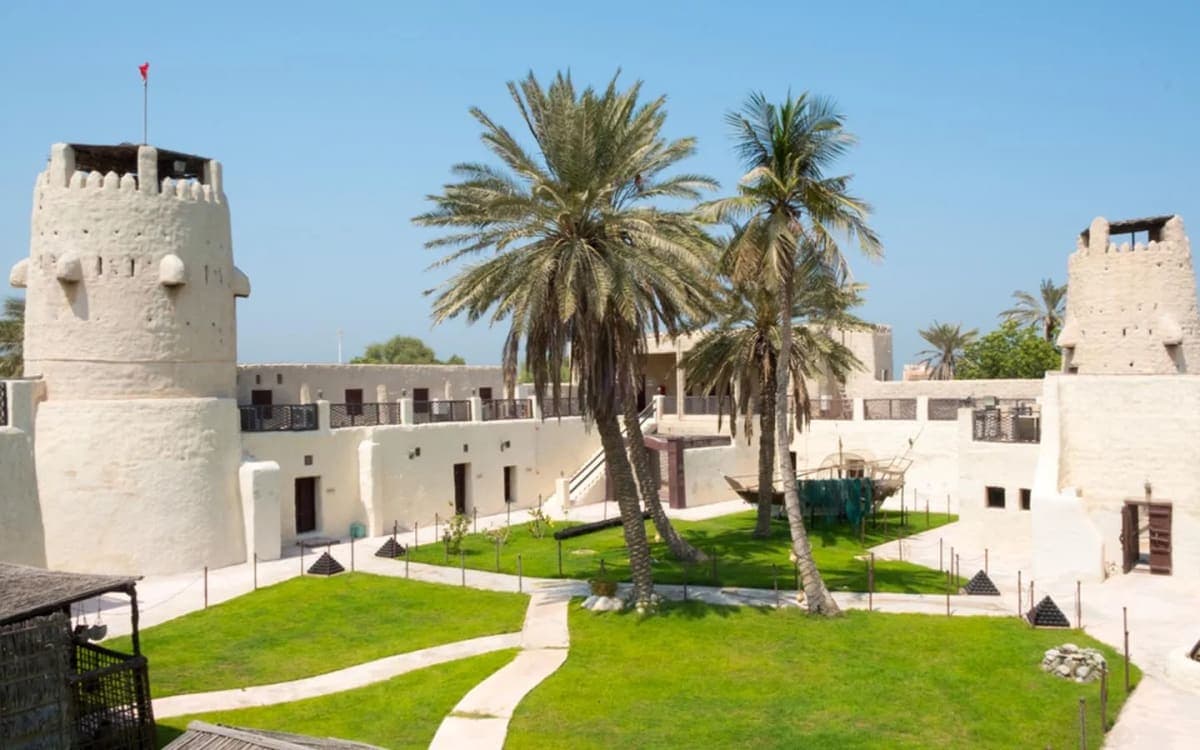
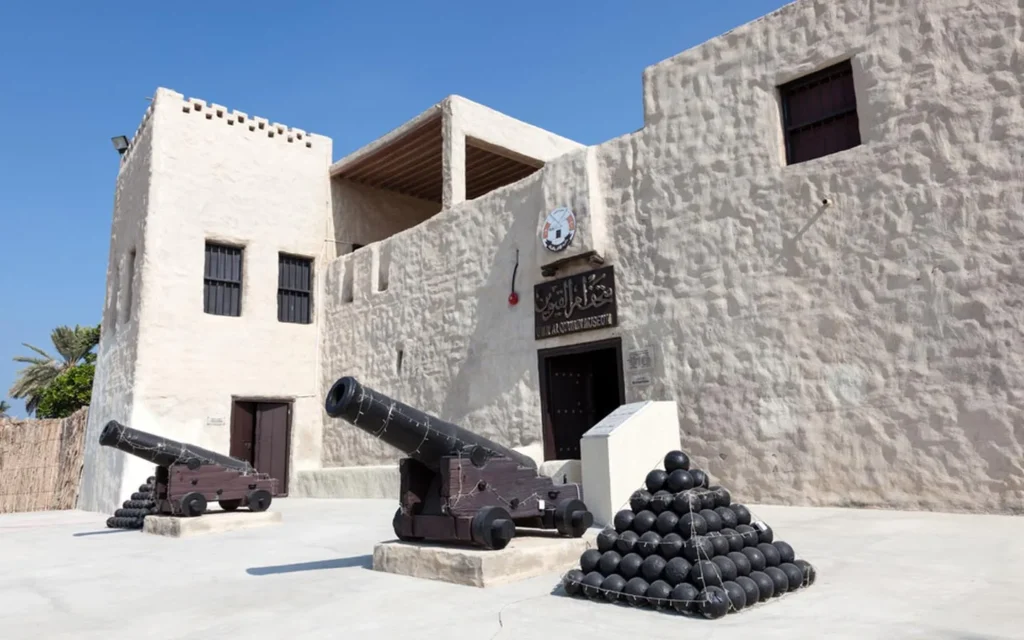
At the heart of the museums in Umm Al Quwain is Al-Ali Fort, an 18th-century structure that once served as the seat of power for the ruling family. The fort’s tall walls, traditional wind towers, and wooden doors immediately transport visitors back to a time when forts were both protective and symbolic.
Inside, the Umm Al Quwain National Museum is arranged room by room, covering themes such as:
- Archaeology: artifacts from Ed-Dur and Tel Abraq.
- Maritime heritage: boats, pearl-diving gear, and fishing tools.
- Royal memorabilia: swords, daggers, gifts, and archival photographs.
- Traditional interiors: majlis displays and family household settings.
This museum does more than showcase objects — it allows you to “feel” the emirate’s history. With its affordable entry fee and central location in the old town, it’s the best starting point for anyone exploring museums in Umm Al Quwain.
2. 🗺️ Ed-Dur Finds: Archaeology That Links Millennia
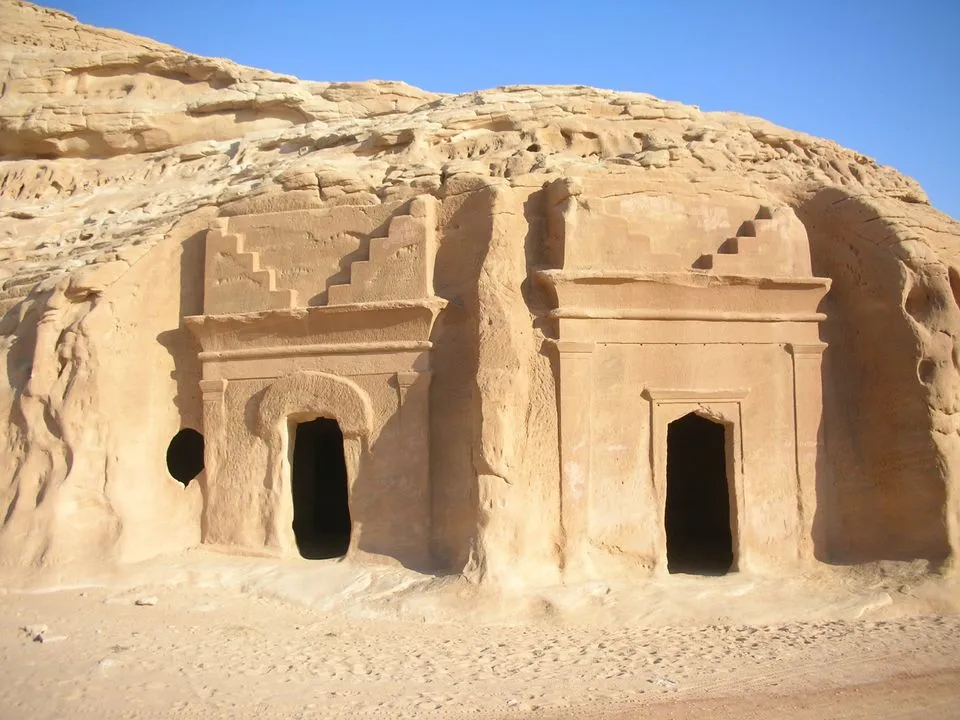
Ed-Dur is one of the UAE’s most significant archaeological sites, and much of its material is displayed in the museums in Umm Al Quwain. Excavations here uncovered traces of a settlement dating back to the 1st century CE, including:
- Stone houses and a temple dedicated to the Sun God, Shams.
- Pottery imported from the Roman Empire, Mesopotamia, and India.
- Thousands of pearls, beads, and shells.
What makes these finds remarkable is how they show Umm Al Quwain’s role as a crossroads of trade between East and West long before oil transformed the Gulf. The exhibits in the museum provide context, timelines, and interactive panels so visitors can connect artifacts to their wider global significance.
3. ⚓ Maritime Rooms — Boats, Nets, and the Pearl-Diving Era
The sea has always been Umm Al Quwain’s lifeline, and the museums in Umm Al Quwain preserve that story with care. Inside maritime galleries, you’ll find:
- Models of dhows (traditional wooden boats).
- Tools used by pearl divers, including nose clips and baskets.
- Nets, ropes, and navigation instruments.
- Historical photographs of fishermen and boat-builders.
Pearling once defined the economy of the Northern Emirates, and these displays highlight both the hardship and beauty of maritime life. Children often find these sections fascinating, as they can see how families lived off the sea for centuries.

4. 👑 Royal Heritage & Social History Galleries
History is never just about leaders; it’s also about the daily lives of people. That’s why the museums in Umm Al Quwain carefully include galleries dedicated to social life. From ornate bridal dresses and jewelry to cooking pots and water storage jars, every item tells a micro-story about resilience, adaptation, and identity.
The royal heritage section, meanwhile, documents the leadership of the Al Mualla family, who guided the emirate through its pre-federation years into modern times. Photographs from the 20th century show important moments — meetings with other rulers, the signing of agreements, and festivals that still shape today’s traditions.
5. 🧭 Falaj Al Mualla Fort & Nearby Heritage Sites — Extend Your Visit
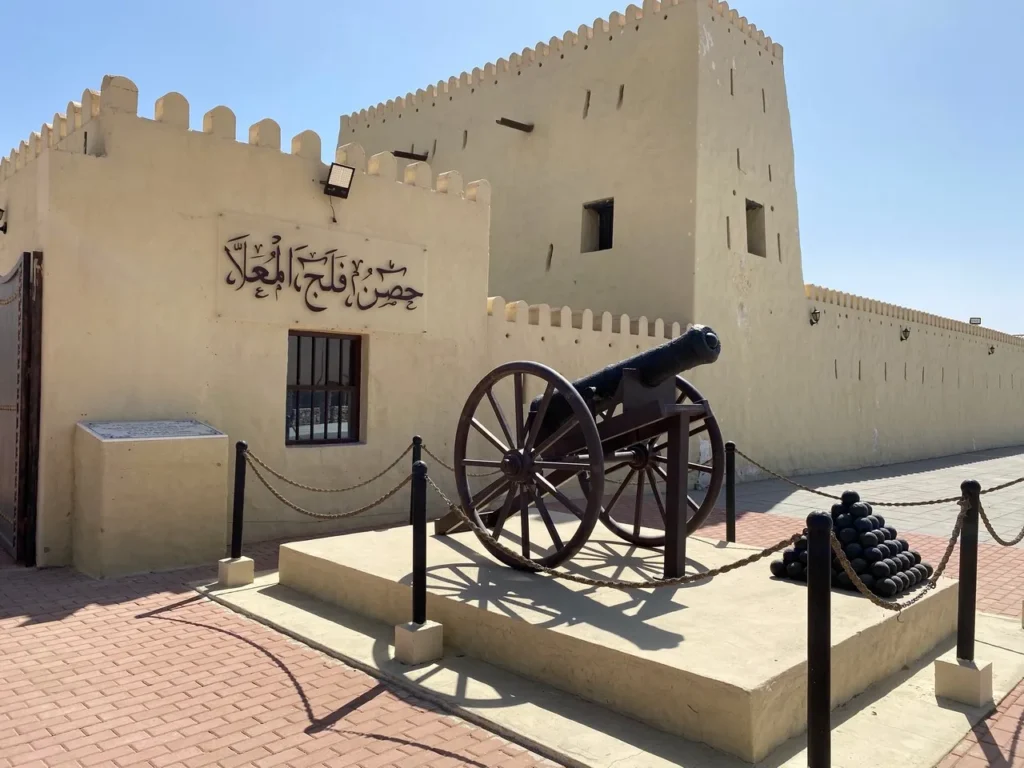
While Al-Ali Fort is the star, other historical sites expand the network of museums in Umm Al Quwain. A short drive inland takes you to Falaj Al Mualla Fort, a beautifully restored fortress surrounded by date palm plantations. Inside are smaller exhibits showcasing rural life, irrigation systems, and tribal defense strategies.
For travelers seeking more, nearby heritage villages and archaeological sites complement the museum experience. They illustrate how inland communities balanced desert farming with coastal fishing, giving a holistic picture of the emirate’s economy.
6. 🕰️ Practical Visitor Tips (Hours, Tickets, How to Reach)
Visiting the museums in Umm Al Quwain is straightforward, but planning ensures the best experience.
- Opening Hours: Most are open Saturday–Thursday (8 AM–1 PM, 5 PM–8 PM). Fridays have evening hours only.
- Tickets: Entry is affordable — typically AED 4–5 for adults, with discounts for students and free entry for children.
- Location: The National Museum is in the old town near the corniche. Falaj Al Mualla Fort is a 30–40 minute drive inland.
- Transport: Taxis and private cars are the easiest way to reach them. Tour operators sometimes include UAQ museums in cultural itineraries.
For the latest timings and events, always check official UAQ tourism pages.
7. 📚 Educational Value — Schools, Researchers, and Community Programs
Though modest in size, the museums in Umm Al Quwain play an outsized role in education. Schools frequently bring students on field trips, where interactive storytelling and hands-on exhibits help children connect with their roots.
Researchers also value these collections, especially for studying pre-Islamic Arabian trade. Many international teams have partnered with UAE archaeologists to study artifacts displayed in UAQ. Additionally, community workshops often revive traditional skills — from palm weaving to storytelling — making museums living spaces rather than static halls.
8. 💡 How Museums Shape Umm Al Quwain’s Future Identity
As the UAE continues modernizing at breakneck speed, cultural anchors become even more vital. The museums in Umm Al Quwain give residents pride in their heritage while offering visitors a contrast to the glitzy skyscrapers elsewhere.
In 2025, the emirate will have been working on positioning itself as a “slow tourism” hub — a place for heritage, eco-tourism, and authentic experiences. Museums directly support this vision. They not only protect fragile artifacts but also fuel storytelling, local employment, and sustainable tourism initiatives.
For travelers looking to experience the “real UAE,” these museums deliver something unforgettable: authenticity.
Conclusion
The museums in Umm Al Quwain are not about size or grandeur; they are about intimacy, authenticity, and connection. From Ed-Dur’s ancient artifacts to pearl-diving tools and royal family memorabilia, each object whispers a part of the emirate’s past. Together, they paint a full picture of Umm Al Quwain’s journey — from ancient trade hub to modern emirate.
Whether you’re an expat, tourist, student, or resident, visiting these museums is a way of honoring the past while understanding the present. As the UAE grows, the museums in Umm Al Quwain remain timeless, quietly telling stories that deserve to be heard.