🕌 1. Introduction: Understanding the Heart of Emirati Heritage
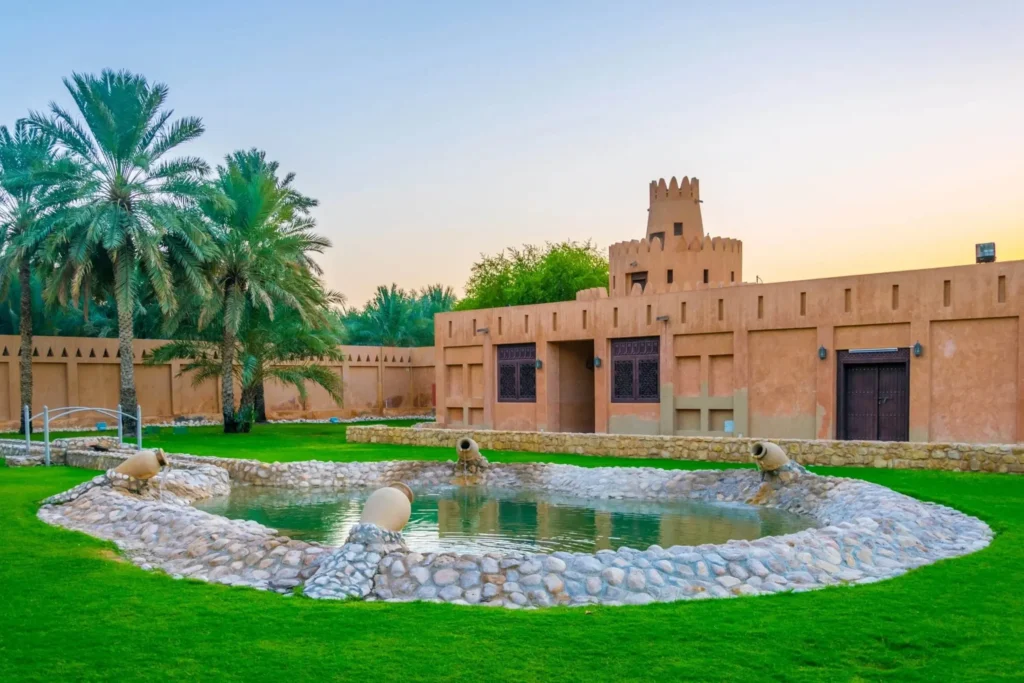
Al Ain, often called the “Garden City of the UAE”, is one of the most culturally rich cities in the Emirates. It is known not only for its palm oases and UNESCO heritage sites but also for its deep-rooted traditions that continue to guide modern life.
When exploring this tranquil city, understanding the norms in Al Ain is essential to show respect for local values and engage meaningfully with its people. From greetings to dress codes, these customs form the invisible thread that ties the city’s social fabric together.
Learning about the norms in Al Ain helps travelers, expatriates, and even locals appreciate the balance between tradition and progress that defines this unique destination.
🤝 2. Greetings and Respectful Interaction
One of the most important norms in Al Ain revolves around the art of greeting. A warm greeting reflects genuine respect and hospitality—two cornerstones of Emirati society.
Men commonly greet each other with a handshake or the traditional “nose-to-nose” gesture, known as the Eskimo kiss or Khashm-makh. Women often greet with a smile or a nod, and physical contact between opposite genders is avoided unless initiated by the woman.
When addressing someone, using polite titles such as Sheikh, Sayyid, or Madam is considered courteous. Being aware of these small details is vital for anyone wanting to adapt to norms in Al Ain seamlessly.
👗 3. Dress Code and Modesty in Public
Modesty remains one of the most visible norms in Al Ain. The Emirati community values conservative dressing that reflects dignity and cultural pride.
Men often wear the traditional Kandura, while women don the elegant Abaya and Shayla. For tourists and residents, dressing modestly—covering shoulders, knees, and avoiding tight or transparent clothing—is highly recommended, especially in public areas, malls, and mosques.
Adhering to the norms in Al Ain regarding attire isn’t just about following rules—it’s a sign of respect. Even during the warm months, modest dressing is seen as a symbol of cultural awareness and social harmony.
☕ 4. Emirati Hospitality and Social Etiquette
Hospitality is a deeply cherished value in Emirati culture. Understanding the hospitality norms in Al Ain will help visitors appreciate how generosity is expressed in daily life.
When visiting a home or office, it’s common to be offered Arabic coffee (Gahwa) and dates. Always accept the offering with your right hand, as using the left hand is considered impolite. Guests should also wait to be seated and avoid finishing the coffee too quickly—it’s customary to sip slowly as a gesture of gratitude.
Hosts in Al Ain often go above and beyond to ensure guests feel comfortable. Recognizing these norms in Al Ain helps visitors reciprocate the kindness appropriately and build lasting friendships.
🕌 5. Religious Observance and Prayer Etiquette
Religion plays a central role in defining the norms in Al Ain. Islam shapes the rhythm of daily life, influencing everything from business hours to family gatherings.
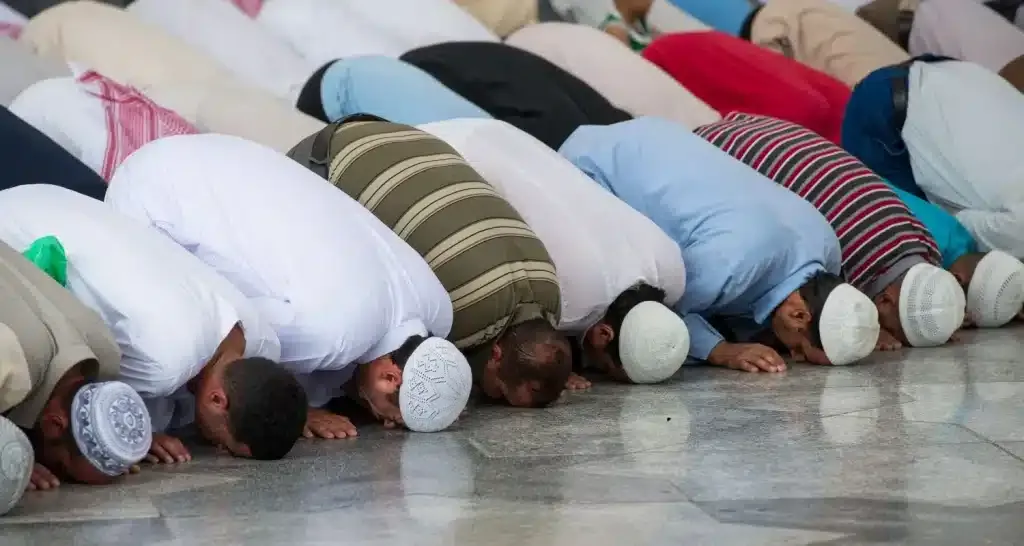
During the call to prayer (Adhan), it’s respectful to pause conversations or music. Non-Muslims are not required to participate but should remain quiet during prayers, especially in mosques or near prayer areas.
Friday is considered the holiest day of the week, with the main congregational prayer held at midday. Observing these norms in Al Ain not only demonstrates respect but also helps outsiders understand the city’s spiritual depth and sense of community.
🍽️ 6. Dining Manners and Mealtime Traditions
Food is at the heart of Emirati gatherings, and dining etiquette forms a vital part of the norms in Al Ain. Meals are often shared family-style, and everyone eats with the right hand. Shoes are removed before entering traditional homes, and it’s customary to wait for the eldest person to begin eating before others start.
When invited for a meal, bringing a small gift such as dates or sweets is a thoughtful gesture. Avoid refusing food abruptly, as hospitality is considered sacred. Following the norms in Al Ain during dining situations helps foster mutual respect and strengthen social bonds.
📷 7. Photography and Public Conduct
While Al Ain offers picturesque landscapes and cultural landmarks, photography must be done with cultural sensitivity. Taking photos of people, particularly women or government buildings, without permission is considered disrespectful and violates key norms in Al Ain.
Public behavior is also guided by modesty. Displays of affection, such as hugging or kissing in public are frowned upon. Speaking loudly or using offensive language in public places goes against the norms in Al Ain and can lead to misunderstandings.
Being mindful of personal space and public decorum ensures one’s actions align with the city’s respectful social environment.
🏛️ 8. Family Values and Community Life
Family is the foundation of Emirati life, and respecting family-oriented norms in Al Ain is essential to understanding the community’s structure.
Extended families often live close to one another, maintaining close ties through regular visits and shared celebrations. Decisions are often made collectively, reflecting the deep-rooted sense of unity within Emirati households.
Respect for elders is a cornerstone of the norms in Al Ain. Younger members are expected to listen, seek advice, and never interrupt elders while speaking. Visitors who show appreciation for family values are warmly welcomed into the community spirit that defines Al Ain.
🌴 9. Festivals, Celebrations, and Local Events
Cultural and religious celebrations form an integral part of the norms in Al Ain. During Ramadan, for example, fasting from dawn to sunset is observed. Visitors should avoid eating or drinking in public during daylight hours out of respect.
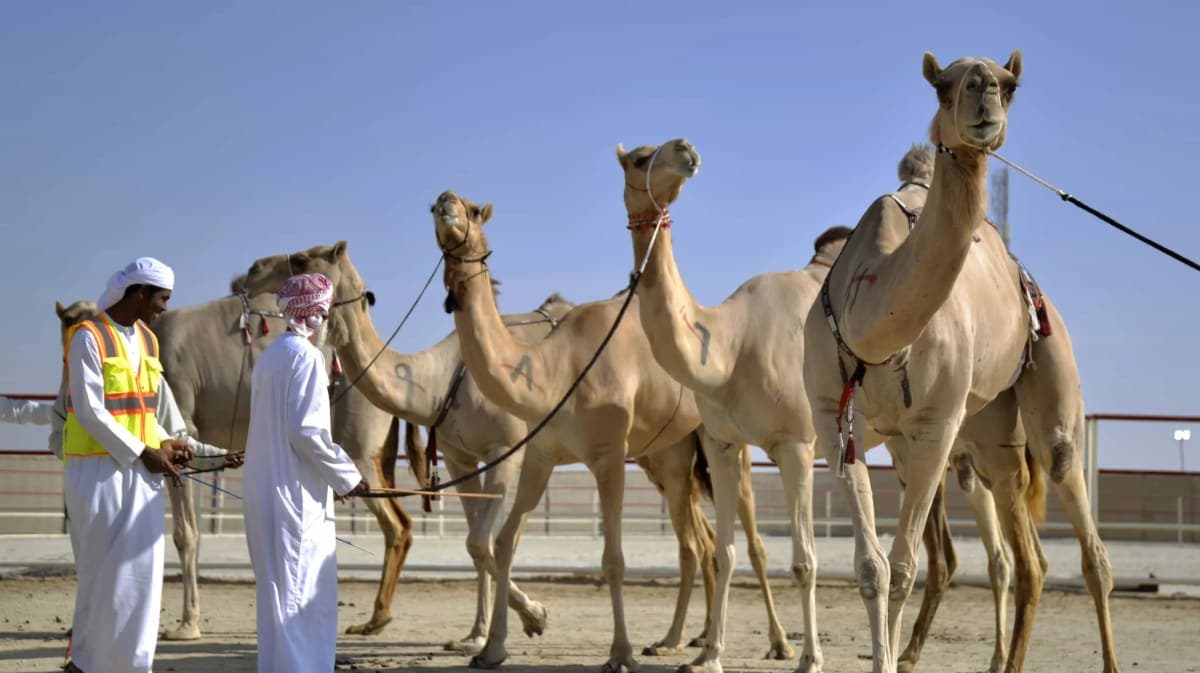
Eid al-Fitr and Eid al-Adha are times of joy, generosity, and community sharing. Traditional performances such as Ayallah dance, camel racing, and heritage festivals showcase the region’s pride and cultural richness. Participating in these events provides an authentic experience of the norms in Al Ain and strengthens cross-cultural understanding.
🌆 10. Modernization with Cultural Balance
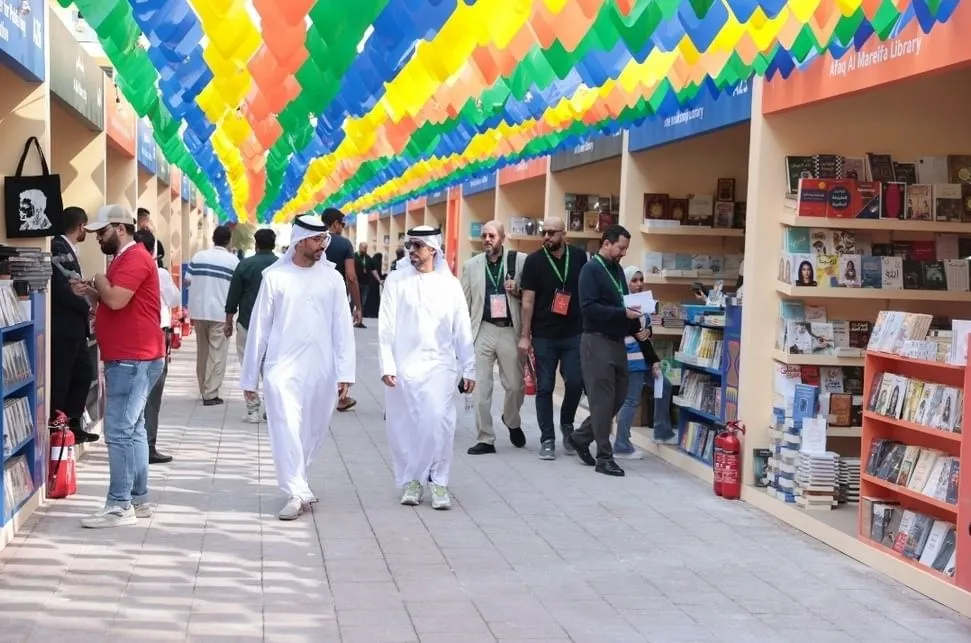
Despite its rapid growth, Al Ain continues to preserve its traditions. The city’s ability to blend modern development with heritage is one of the most fascinating norms in Al Ain.
Public spaces, universities, and institutions all encourage respect for cultural identity while embracing technological advancement.
As Al Ain steps further, the challenge remains to uphold these timeless norms in Al Ain amid globalization. Visitors who appreciate this balance contribute to sustaining the city’s legacy of respect, tolerance, and cultural pride.
🧭 Conclusion: Respecting Al Ain’s Living Heritage
Understanding and embracing the norms in Al Ain opens doors to meaningful experiences and authentic relationships. Every gesture of respect—whether it’s modest dressing, polite greetings, or mindful behavior—reflects an awareness of the values that make Al Ain extraordinary.
In 2026, as the city continues to evolve as a center of education, culture, and sustainability, these norms in Al Ain remain the compass guiding social interaction. Observing them not only enhances your visit but also contributes to the preservation of one of the UAE’s most treasured cultural landscapes.
Also Read: Top 8 Stunning Places for a Refreshing Morning Walk in Al Ain