🕌 Introduction
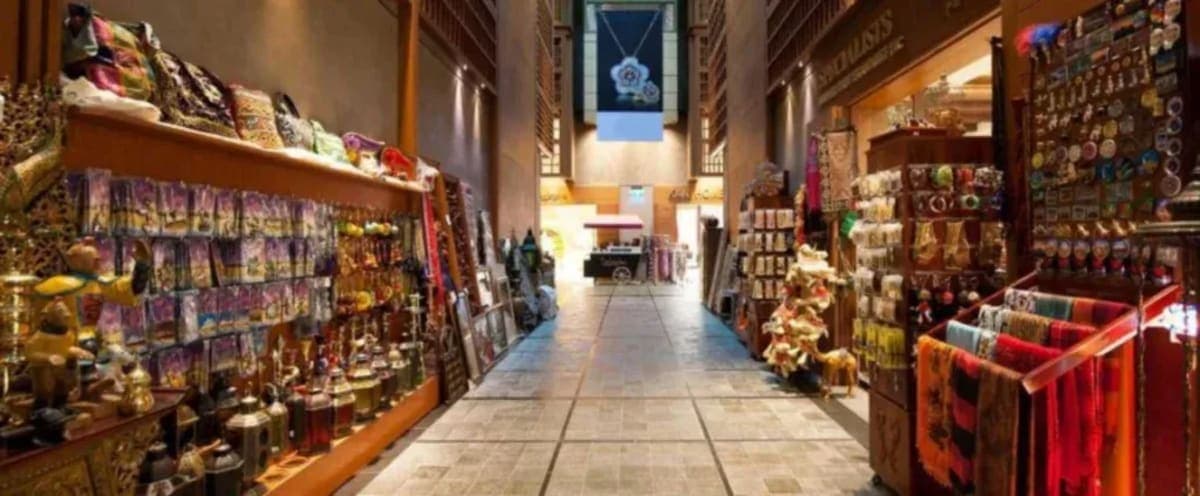
Abu Dhabi, the capital of the United Arab Emirates, is a fascinating blend of modern luxury and deep-rooted cultural tradition. While futuristic skyscrapers and opulent malls dominate the skyline, the true essence of Emirati life still thrives in its traditional marketplaces. The souks in Abu Dhabi stand as living symbols of a heritage that refuses to fade away — colorful, aromatic, bustling, and brimming with authenticity.
These markets are where tradition meets trade — where the sweet scent of bakhoor mingles with the glimmer of gold jewelry, and where local artisans proudly showcase their handicrafts beside global influences. In 2025, as Abu Dhabi continues its journey as a cultural and tourism hub, its souks remain central to preserving the charm of the old Arabian world. Whether you’re seeking authentic spices, handcrafted souvenirs, or simply the nostalgic hum of traders, the souks in Abu Dhabi promise a journey unlike any shopping mall could ever offer.
1. 🏗️ Souk Landscape: The Heartbeat of Emirati Heritage
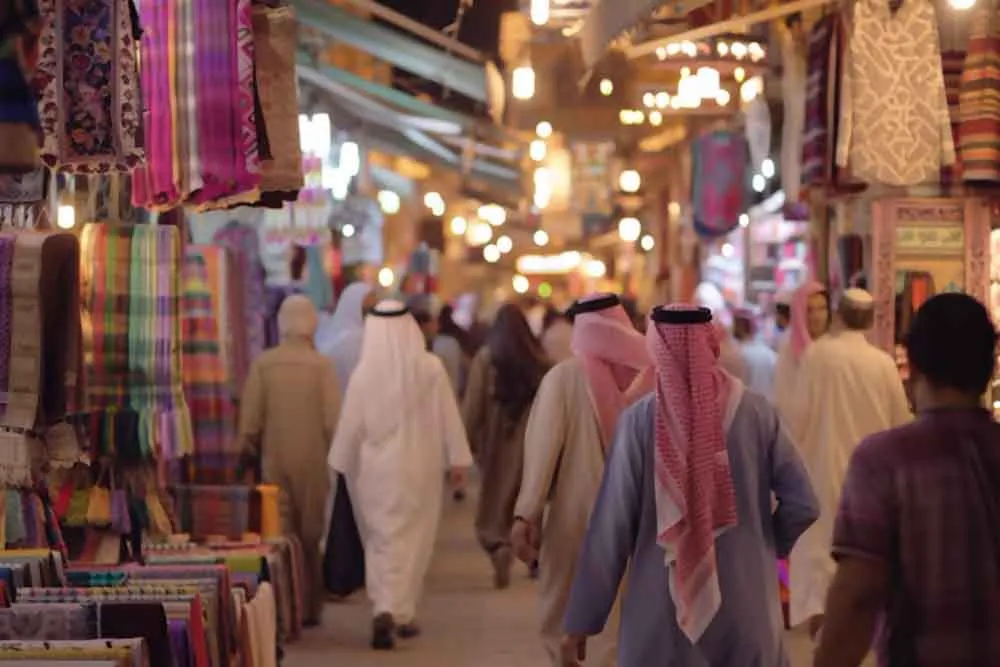
The souks in Abu Dhabi aren’t just places to shop; they are cultural corridors connecting generations. Historically, these markets were trading posts for merchants traveling from Africa, India, and Persia. They brought exotic spices, silks, pearls, and perfumes to the Gulf, establishing Abu Dhabi as a maritime trade hub.
Today, while many traditional markets have evolved into semi-modern spaces with cleaner layouts and air-conditioning, they retain the essence of barter and craftsmanship. You’ll find vendors calling out prices, artisans crafting goods by hand, and locals haggling over dates or textiles. Every lane whispers stories of heritage, and every scent and sound adds to the immersive experience that makes the souks in Abu Dhabi unforgettable.
Unlike malls, souks emphasize connection over consumption — here, it’s about conversations, cultural exchange, and discovery. Whether you prefer the raw authenticity of the Al Mina market or the elegant refinement of The Souk at Qaryat Al Beri, the contrasts define the soul of Abu Dhabi’s marketplace culture.
2. 📍 Top 8 Souks in Abu Dhabi You Shouldn’t Miss
2.1 🐟 Al Mina Market
A classic among the souks in Abu Dhabi, Al Mina Market offers a glimpse into the daily rhythm of Emirati life. The bustling atmosphere, with fishermen unloading fresh catches and vendors selling colorful fruits and vegetables, evokes a bygone era. The nearby fish and date sections make it a sensory feast — an authentic slice of Abu Dhabi far from the glitz of malls.
2.2 🌿 Souq Al Zafarana
Known for its mesmerizing fragrances, this souk is a paradise for lovers of traditional Arabic perfumes and spices. The moment you enter, the air is filled with oud, musk, and frankincense. Traders skillfully mix customized attar blends and share stories about ancient perfumery techniques. It’s one of the few souks in Abu Dhabi where you can find women-run sections that celebrate Emirati craftsmanship.
2.3 🛶 The Souk at Qaryat Al Beri
Set along scenic canals, this modern yet traditional souk combines shopping with leisure. Visitors can travel by abra boats, enjoy waterfront dining, and browse artisan boutiques. The ambiance captures Arabian aesthetics infused with luxury — ideal for those who want a comfortable yet culturally rich experience among the souks in Abu Dhabi.
2.4 🕌 Abu Dhabi Central Market
A masterpiece of modern architecture infused with old-world charm, this souk is designed by Foster + Partners. Inside, narrow alleys and wooden screens recreate the traditional bazaar feel but in an air-conditioned comfort. You’ll find spices, textiles, jewelry, and decor — all reflecting the Emirati spirit.
2.5 🛍️ Souk at World Trade Center Abu Dhabi
A reimagined marketplace combining heritage and innovation, it’s one of the most visited souks in Abu Dhabi today. The interiors are inspired by old Arabian markets, while the amenities are thoroughly modern. Locals and tourists alike come here for souvenirs, carpets, and abayas, as well as for its vibrant cultural events.
2.6 🍯 Souk Al Jami’
Less touristy and more community-focused, this souk thrives on local trade. Shoppers can find natural honey, herbs, dates, and handmade crafts. The laid-back vibe makes it perfect for slow exploration.
2.7 🏺 Souk Al Bawadi, Al Ain
Although technically located in Al Ain, it’s often included in guides to souks in Abu Dhabi because of its cultural and historical importance. This open-air market is brimming with pottery, metalwork, and regional crafts that reflect the rural beauty of the UAE’s heritage.
2.8 🌾 Al Ain Souk
A timeless hub of trade, Al Ain Souk offers a rural feel, complete with earthy aromas, camel accessories, and locally produced dates. Visiting it provides a perfect cultural extension to your Abu Dhabi trip.
3. 💎 What to Buy: Treasures of the Souks
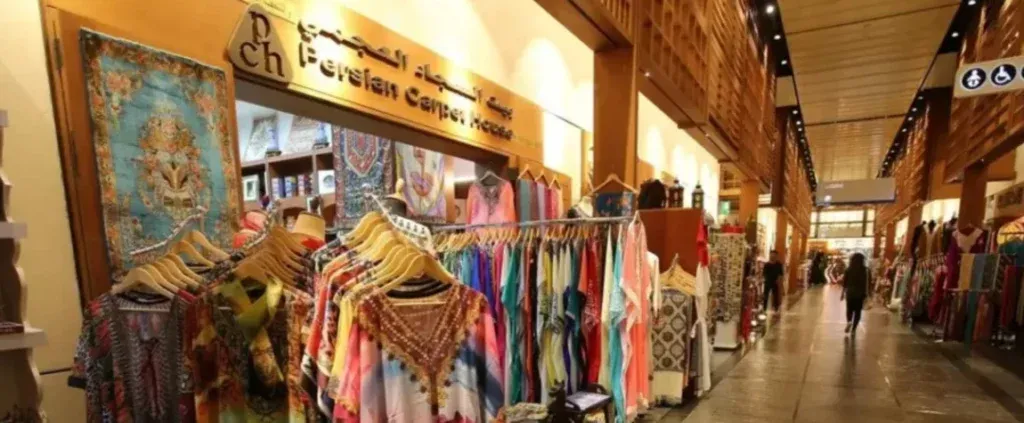
When exploring the souks in Abu Dhabi, every lane presents a discovery. Some of the best items to buy include:
- Arabic Spices & Herbs: Vibrant saffron, cardamom, and za’atar fill the air with fragrance.
- Gold & Jewelry: Dazzling gold craftsmanship inspired by Emirati artistry.
- Perfumes & Oud: Handcrafted attars, oud oils, and incense that linger long after you’ve left.
- Textiles & Abayas: Intricate embroidery, fine fabrics, and regional clothing.
- Dates & Sweets: Premium dates like Ajwa and Medjool, along with honey and halwa.
- Handicrafts: Woven baskets, pottery, metal lamps, and calligraphic art.
These treasures are symbols of Abu Dhabi’s enduring heritage — souvenirs that carry centuries of cultural expression.
4. 🕰️ Best Time to Visit the Souks
The perfect time to explore the souks in Abu Dhabi is early morning or late evening. During these hours, the atmosphere is lively yet comfortable, and vendors are more willing to bargain. Fridays usually start later due to prayers, while weekends draw more crowds and cultural performances.
Avoid the midday sun if you’re visiting open-air markets. For indoor souks like WTC and Central Market, any time of day is fine. Visiting during festivals such as Eid or UAE National Day adds another layer of excitement — you’ll witness decorations, live oud music, and celebratory sales.
5. 💡 Expert Tips for Souk Shopping
- Haggle Politely: Bargaining is part of the fun. Start low but be respectful.
- Carry Cash: Smaller stalls often don’t accept cards.
- Look Beyond the Obvious: Explore back lanes; often the best items are hidden there.
- Stay Hydrated: Especially during outdoor shopping.
- Check Authenticity: Ask about origins, especially for oud and gold items.
- Respect Local Customs: Dress modestly and always greet vendors kindly.
- Bring a Reusable Bag: Many vendors now encourage eco-friendly shopping.
- Enjoy the Experience: Even if you don’t buy anything, the vibrant energy of the souks in Abu Dhabi is worth the visit.
6. 🧭 How to Reach the Souks
Most souks in Abu Dhabi are centrally located and easily accessible by car, taxi, or public transport. Al Mina Market is near the port area, while Qaryat Al Beri lies near the Corniche. The World Trade Center Souk is in the city center, surrounded by modern infrastructure and hotels.
For tourists staying in the Corniche or Saadiyat area, several souks are within a 15–20 minute drive. You can also find smaller local markets scattered throughout suburban neighborhoods that offer a glimpse of everyday life
7. 🌆 Cultural Significance of the Souks
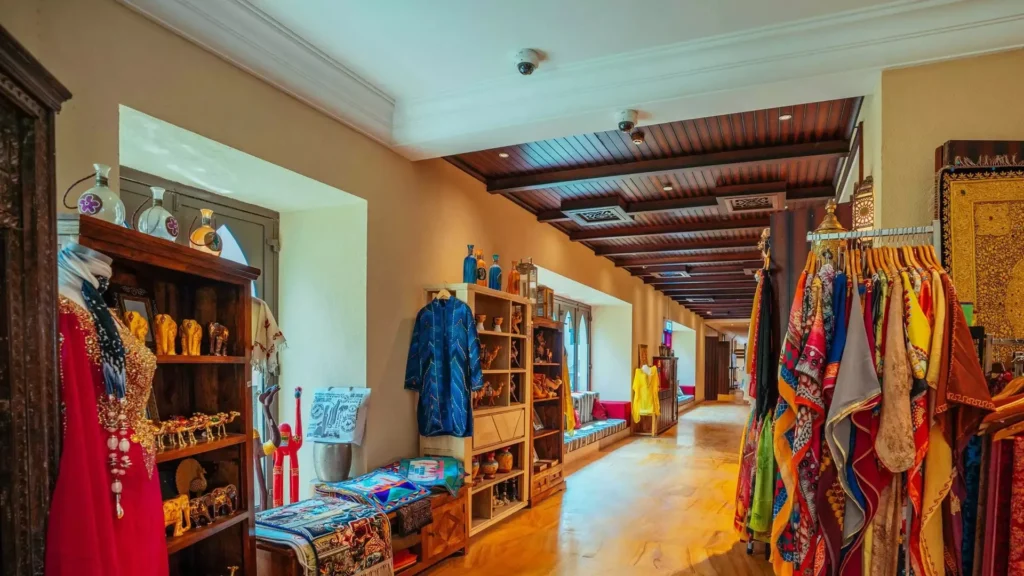
The souks in Abu Dhabi go beyond commerce — they preserve the soul of Emirati tradition. They represent the storytelling culture of the region, where trade wasn’t just about goods but also about building relationships. The rhythmic sound of sellers, the smell of spices, and the vibrant colors are reminders of the UAE’s roots before oil transformed its economy.
Even as skyscrapers rise and technology dominates, the souks remain the people’s heart. Here, Emiratis meet expatriates, and visitors connect with locals — all exchanging not just products, but culture and humanity.
8. 🧩 2025 Outlook: The Future of Souks
As Abu Dhabi grows smarter and greener, its markets evolve too. Many souks in Abu Dhabi now feature solar-powered lighting, cashless payment options, and sustainability initiatives. QR codes at some stalls allow shoppers to learn about product origins and craftsmanship. There’s even talk of integrating virtual tours for overseas shoppers who want to experience Emirati culture remotely.
Still, despite modernization, the emotional pull remains the same. Walking through a souk is like walking through a living museum — a reminder of the UAE’s proud balance between progress and preservation.
✅ Conclusion
The souks in Abu Dhabi are more than shopping destinations; they are gateways to the UAE’s cultural heart. Each market, whether old or new, reflects the city’s evolution — from a pearl-diving village to a cosmopolitan capital. In 2025, they continue to attract travelers who seek more than luxury brands — those who wish to feel the pulse of tradition, taste the aroma of spices, and witness the art of everyday life.
So, when you next visit Abu Dhabi, take a detour from the glossy malls and step into a souk. Let your senses guide you through a maze of colors, sounds, and stories. Whether it’s the shimmer of gold, the whiff of oud, or the chatter of friendly vendors, the souks in Abu Dhabi promise an experience that stays with you long after your trip ends.
🔗 External References & Links
- Visit Abu Dhabi – Souks & Markets
- GoKite Travel – Souks in Abu Dhabi for Heritage Lovers
- Property Finder – Best Souks in Abu Dhabi
- TripAdvisor – The Souk at Qaryat Al Beri Reviews
- TripAdvisor – Abu Dhabi Central Market
Also Read: Abu Dhabi’s Sweetest Secrets: Top Sweet Shops & Bakeries in Abu Dhabi (2025 Ultimate Guide)