
Introduction
Food in Fujairah reflects both the mountains and the sea. Unlike other emirates in the UAE, Fujairah’s position along the Gulf of Oman gives it an identity steeped in fishing traditions, spice trade heritage, and mountain farming. As we step into 2025, Fujairah continues to hold tightly to its culinary roots while adapting to modern tastes. Visitors searching for traditional Fujairah food will discover not only seafood but also wheat-based dishes, rice meals, hearty stews, and date-rich desserts — all served with warm Emirati hospitality.
This guide explores the most iconic dishes, how they’re prepared, and where you can taste the best of traditional Fujairah food in 2025.
1. 🐟 Seafood from Dibba Bay — The Coastline’s Signature
Seafood defines traditional Fujairah food. The coastal towns of Dibba and Fujairah City are famous for their bustling fish markets, where locals still gather at dawn to buy the morning catch. Fresh hamour, kingfish, barracuda, and prawns are grilled over open flames or cooked in fragrant spice blends known as “bezar.”
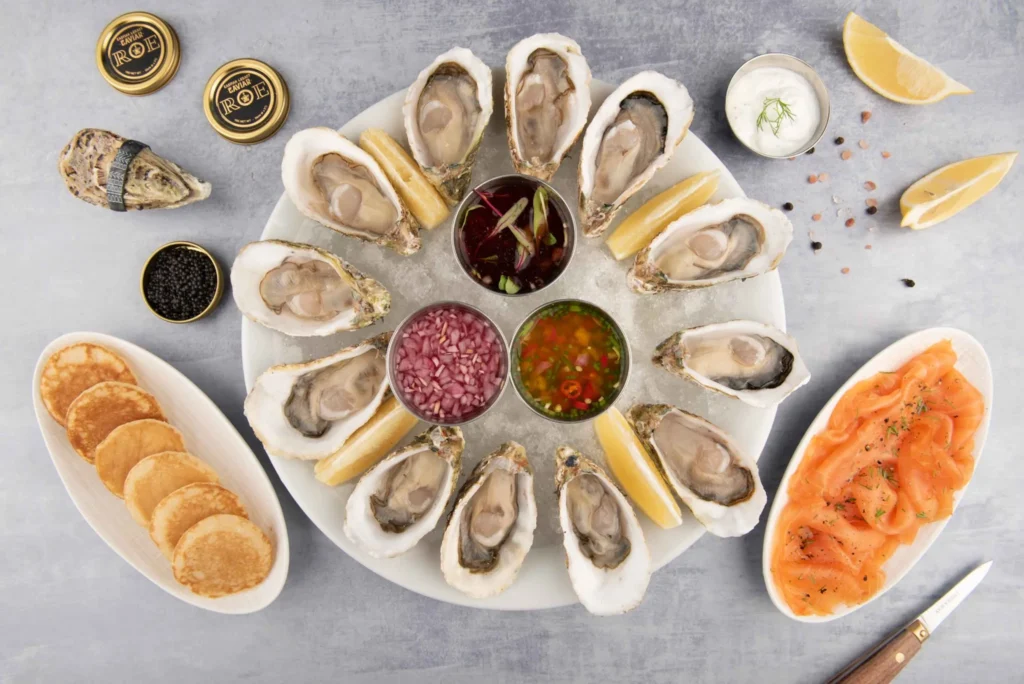
By 2025, Dibba Bay will have become a hub for sustainable oyster farming, adding a new dimension to the seafood scene. Tourists can now enjoy oysters fresh from the farm alongside the classic grilled fish and prawn platters. Many restaurants prepare seafood using traditional clay ovens or charcoal grills, ensuring a smoky depth of flavor.
Eating seafood in Fujairah is more than a meal — it’s a cultural experience. Sharing a large platter of fish, rice, and bread connects diners with the centuries-old traditions of fishing families who built their lives around the sea.
2. 🍛 Al Machboos & Rice Dishes — The Emirati Comfort
Rice-based meals are central to traditional Fujairah food. Among them, machboos remains the king. This fragrant rice dish is cooked with saffron, cinnamon, cloves, cardamom, and dried limes (loomi) — giving it a distinctive tangy aroma. In Fujairah, machboos often features freshly caught fish or tender lamb, slow-cooked until the flavors infuse deep into the rice.
Other rice dishes like mandi and biryani are also popular, with slight Fujairah twists — such as the use of mountain-grown herbs or freshly ground local spices. When shared from a single platter, these meals emphasize community and hospitality.
In 2025, many restaurants across Fujairah still prepare rice dishes in the traditional “underground pit” style, creating a smoky essence that modern kitchens cannot replicate. For anyone exploring traditional Fujairah food, skipping machboos would be unthinkable.
3. 🍲 Harees, Thareed & Madrooba — Festival Favorites
Celebratory meals in Fujairah highlight simple yet hearty foods. Harees — a dish made of cracked wheat and slow-cooked meat — remains a staple during Ramadan and Eid. Its smooth texture and wholesome taste make it a dish loved by all ages.
Thareed is another gem of traditional Fujairah food, often described as the Emirati version of lasagna. Meat or chicken stew is layered over thin regag bread, soaking up the rich flavors. Similarly, madrooba, a salted fish porridge with spices, demonstrates how locals transform humble ingredients into deeply flavorful dishes.
By 2025, these traditional meals will not be limited to festive seasons. Many family restaurants across Fujairah now serve harees and thareed year-round, giving visitors a chance to experience the Emirati spirit of comfort food whenever they arrive.
4. 🥖 Bread & Sides — Regag, Khameer, and Jareesh
No discussion of traditional Fujairah food is complete without bread. Emirati breads come in different styles — each with a cultural role.
- Regag: A thin, crispy bread often spread with cheese, honey, or eggs. It is a favorite street food during Ramadan nights.
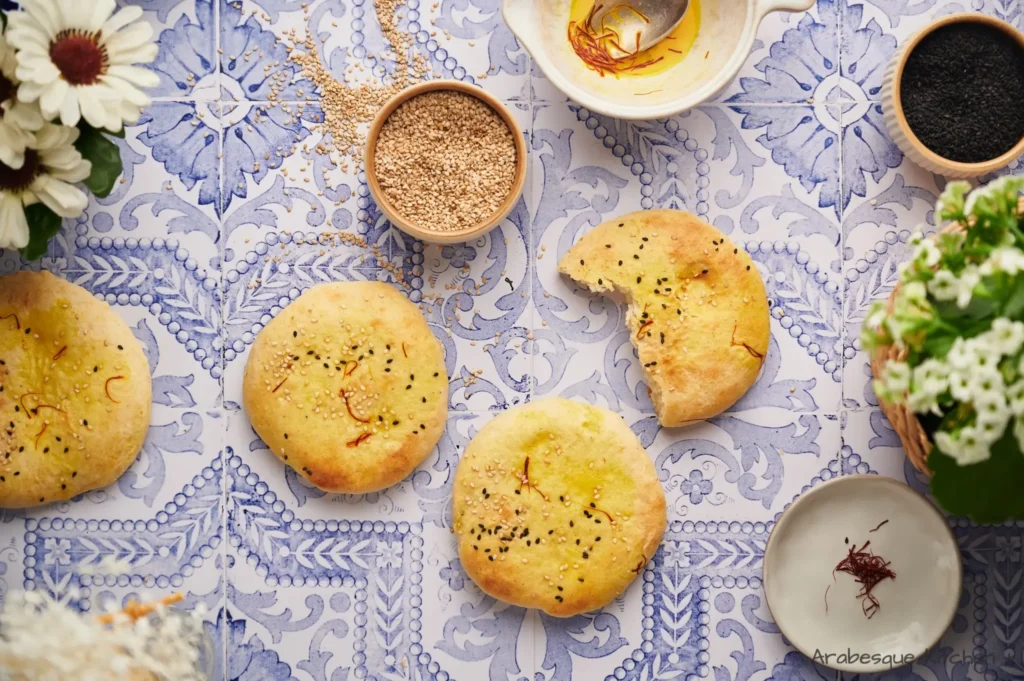
- Khameer: A slightly sweet leavened bread flavored with dates and cardamom, often eaten with cheese or honey.
- Jareesh: A cracked wheat dish that can be both savory and sweet, commonly paired with stews.
Bread in Fujairah is more than a side dish; it’s a cultural bridge between main meals and daily life. In traditional households, bread is made fresh every morning, filling kitchens with the aroma of baking and connecting generations through shared recipes.
5. 🍯 Sweet Treats — Luqaimat, Halwa, and Date Pastries
Hospitality in Fujairah shines brightest in the desert. Traditional Fujairah food often concludes with sweets like luqaimat — golden dumplings drizzled with date syrup and sesame seeds. Their crunchy outside and soft inside make them irresistible.
Another highlight is Emirati halwa, a saffron and rosewater-flavored dessert enriched with nuts. Unlike Western sweets, Emirati halwa has a gelatinous texture that melts slowly on the tongue, paired perfectly with Arabic coffee (gahwa).
Dates also take center stage in Fujairah desserts — from stuffed pastries to syrups poured over pancakes. In 2025, modern bakeries have begun experimenting with fusions, like date-chocolate cakes or halwa-infused cheesecakes, but the essence of traditional flavors remains intact.
6. 🌮 Street Eats & Market Snacks
While Fujairah’s main dishes are often shared at family tables, its street food culture is equally exciting. Grilled fish skewers, shawarmas, falafel wraps, and samboosas (crispy pastries stuffed with meat or vegetables) dominate the markets.
Visitors seeking traditional Fujairah food in 2025 should not miss Fujairah Corniche in the evenings, where food trucks and pop-up stalls serve fresh seafood grills, regag bread, and Arabic tea. Street food in Fujairah reflects the blend of Emirati roots with influences from India, Iran, and Oman — a reminder of the emirate’s trade history.
7. 🏪 Where to Try Traditional Fujairah Food in 2025
Fujairah offers a mix of experiences — from humble home-style restaurants to high-end resorts.
- Fish Markets: Visit Dibba Fish Market early in the morning for the freshest seafood.
- Family-Run Kitchens: Local spots like Al Meshwar and Al Safadi still serve authentic Emirati dishes.
- Luxury Hotels: Resorts such as Fairmont Fujairah Beach Resort and Le Méridien Al Aqah showcase Emirati cuisine with modern presentation.
- Cultural Festivals: Fujairah Heritage Village often hosts food stalls during cultural celebrations, providing a chance to sample traditional flavors in a festive setting.
These venues make it easier than ever to explore traditional Fujairah food authentically in 2025.
8. 🧭 Practical Tips for Food Lovers
To make the most of your culinary journey in Fujairah:
- Go Early: Fish markets and bakeries sell the freshest items in the morning.
- Eat Communally: Sharing platters is part of the experience.
- Ask Locals: Recommendations often lead to hidden gems.
- Stay Open-Minded: Some flavors, like dried limes in machboos or salted fish in madrooba, may be strong at first but are central to Fujairah’s food identity.
In 2025, Fujairah is also seeing a rise in food tours and culinary experiences, where guides take visitors to traditional homes and restaurants, allowing a deeper understanding of the emirate’s food culture.
✅ Conclusion
Exploring traditional Fujairah food in 2025 is not just about eating — it’s about stepping into the daily life of the emirate. From seafood fresh off the boats in Dibba to rich rice platters, comforting stews, and syrup-soaked sweets, Fujairah offers flavors that connect you to both the sea and the desert.
The beauty of traditional Fujairah food lies in its simplicity, hospitality, and cultural roots. Whether you dine at a five-star hotel or share a home-cooked meal with locals, every dish carries a story. So, as you travel through Fujairah in 2025, remember that food here is more than sustenance — it is heritage served on a plate.
🔗 External Links for Further Reading
- Fairmont Fujairah Dining
- Best Seafood Restaurants in Fujairah – TripAdvisor
- Emirati Cuisine Guide – Holidify
- Traditional UAE Foods – Travel Indigenous
- Things to Do in Fujairah 2025 – Times of Dubai
Also Read: Top Wellness Resorts and Spas in Fujairah (2025) — Best Spas, Treatments & Where to Recharge