🌅 Introduction
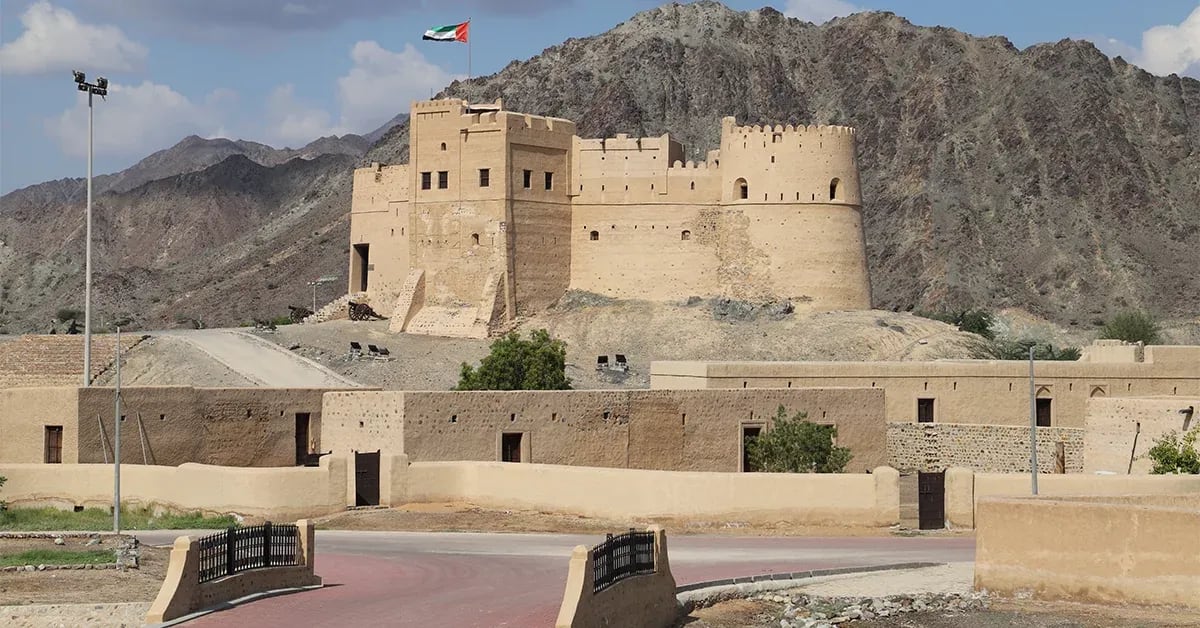
When travelers think of the UAE, images of skyscrapers, futuristic skylines, and luxury malls often come first to mind. Yet, the villages in Fujairah present a different story: one of authenticity, tradition, and continuity. Nestled between the dramatic Hajar Mountains and the azure coastline of the Gulf of Oman, these villages preserve centuries of Emirati culture. They are not just museums; they are living landscapes where ancient irrigation systems, mudbrick homes, and forts coexist with modern revival projects.
In 2025, the UAE intensified its commitment to cultural tourism. Fujairah, known as the only emirate on the UAE’s east coast, has embraced its heritage villages as anchors of identity. Whether you are a culture seeker, history enthusiast, or eco-tourist, the villages in Fujairah provide immersive experiences that blend storytelling, archaeology, and architecture.
Let’s journey together through these timeless spaces, exploring their significance, beauty, and role in preserving the UAE’s living history.
1️⃣ Fujairah Heritage Village: The Gateway to Tradition
Among the most celebrated villages in Fujairah is the Fujairah Heritage Village. Established in the 1990s, it has become an iconic representation of Emirati life before oil transformed the economy.
🔑 Key Features
- Reconstructed homes built with stone, mud, palm fronds, and coral—showing how people adapted to harsh desert and coastal environments.
- Everyday objects such as cooking utensils, farming equipment, fishing gear, and pearl-diving tools.
- A working irrigation system (Al Yazrah) powered historically by oxen, highlights ingenious water management.
- Traditional hospitality—Arabic coffee (qahwa) and dates offered to visitors, reflecting Emirati generosity.
🎭 Cultural Activities
At certain times of the year, visitors witness folk dances, camel rides, and live craft demonstrations. For school groups, guided tours emphasize Emirati values and sustainable practices from the past.
As the easiest to access of all villages in Fujairah, this site is perfect for those who want an introduction before venturing into more remote valleys and mountains.
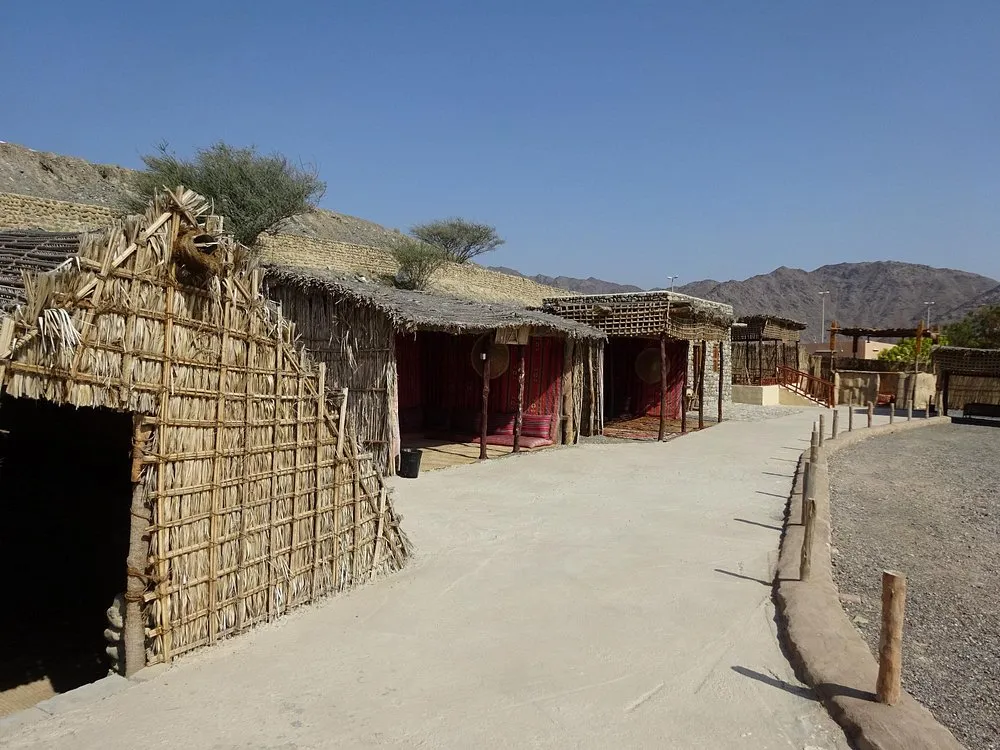
2️⃣ Al Hayl & Wadi Hayl: Echoes of Ancient Rock Art
Situated inland, Al Hayl represents another dimension of the villages in Fujairah. It is both historically strategic and archaeologically rich.
🌄 What Awaits Visitors
- Al Hayl Fort (built in 1932) is a defensive structure showcasing military heritage.
- Rock art and petroglyphs scattered across Wadi Hayl—depictions of animals, human figures, and geometric patterns dating back thousands of years.
- Village ruins that remind travelers of tribal settlements from the Kunud (Al Kindi) tribe.
Al Hayl demonstrates how the villages in Fujairah are not only about built heritage but also about storytelling through rock carvings and landscapes. In 2025, conservation projects are underway to balance tourism with preservation, ensuring these fragile sites endure.
3️⃣ Tayyibah: The Mountain Retreat
Another highlight among the villages in Fujairah is Tayyibah, perched in the Hajar Mountains. Unlike other villages, it blends cultural heritage with eco-tourism.
🌿 Highlights
- Heritage Museum showcases archaeological finds and petroglyphs.
- Al Qalaa Lodge, a traditional guesthouse designed like an old Emirati home, gives visitors an overnight cultural experience.
- Agricultural landscapes, where aflaj (ancient irrigation channels) still nourish palm groves and orchards.
- Hiking trails across Wadi Tayyibah, perfect for adventure seekers, combine heritage with nature.
Tayyibah symbolizes resilience. Life here once depended on mountain farming and water conservation, lessons that resonate with sustainable tourism today. As one of the thriving villages in Fujairah, it attracts travelers looking to immerse themselves in authentic mountain life.
4️⃣ Bithnah: Fortress of History
Strategically located along Wadi Ham, Bithnah is one of the historically most important villages in Fujairah.
🏰 Why Visit
- Bithnah Fort (18th century), guarding the ancient trade routes between the east and the west of the UAE.
- Wadi Suq tombs, revealing burial practices from over 3,000 years ago.
- A settlement long associated with the Sharqiyin tribe, central to Fujairah’s political history.
Bithnah stands as a reminder of Fujairah’s role in controlling trade and movement. Today, it is one of the villages in Fujairah that appeals to both historians and casual visitors, offering photo-ready fort views surrounded by palm groves.
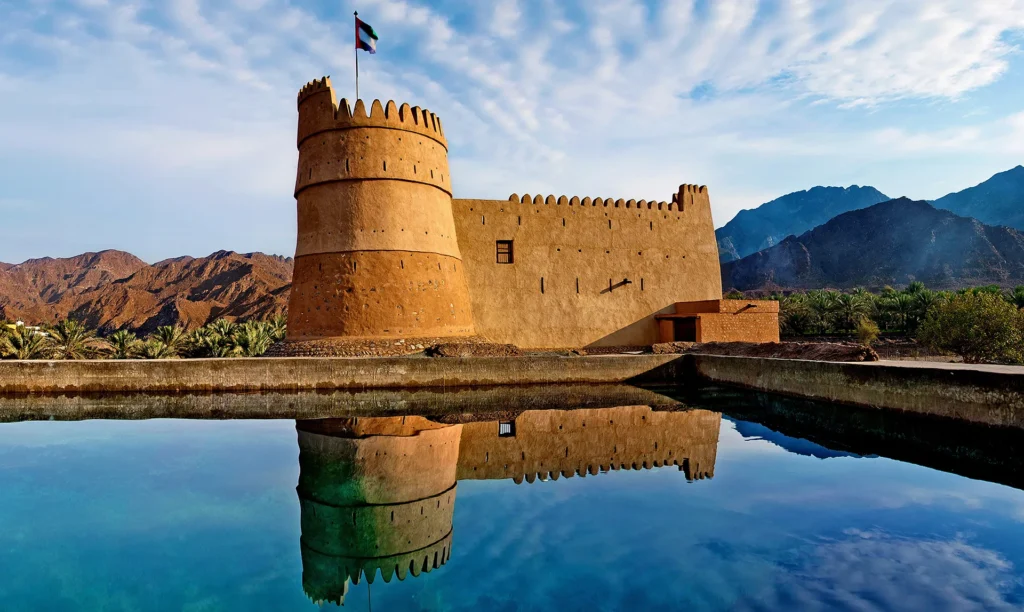
5️⃣ Danhah: Forgotten Yet Fascinating
Smaller and less developed, Danhah is a hidden gem among the villages in Fujairah.
🏞️ Key Attractions
- Ruins of an old settlement nestled in palm groves, illustrating traditional rural life.
- Wadi Danhah, with dramatic gorges and geological wonders.
- Scattered field systems, now partially abandoned but still visible.
Danhah is ideal for explorers who enjoy quiet landscapes, archaeology, and hiking. Unlike more curated sites, it retains a raw authenticity. The experience here is about discovering heritage at your own pace.
6️⃣ Awhala: Layers of Time
The Awhala Fort dominates the small settlement of Awhala, making it another fascinating entry among the villages in Fujairah.
🧱 What to Expect
- A restored fort with a circular tower and thick defensive walls.
- Archaeological finds beneath the fort show Iron Age and Wadi Suq occupation layers.
- Mudbrick and stone structures that reveal centuries of habitation.
Awhala emphasizes continuity. Each layer tells a story of people adapting to change while keeping ties to their environment. For heritage lovers, it is among the villages in Fujairah that offer an archaeological depth unmatched elsewhere.
7️⃣ Habhab: Heritage Meets Revival
While less famous, Habhab is an example of how villages in Fujairah are embracing modern cultural revival.
🌍 Highlights
- Once contested between emirates, today firmly part of Fujairah’s cultural map.
- Restored fort and watchtower, reflecting renewed pride in local heritage.
- A modern majlis and community center built in 2017, used for weddings, celebrations, and cultural events.
Habhab demonstrates how heritage is not static. It’s a living, breathing force that adapts to modern needs while preserving the past.
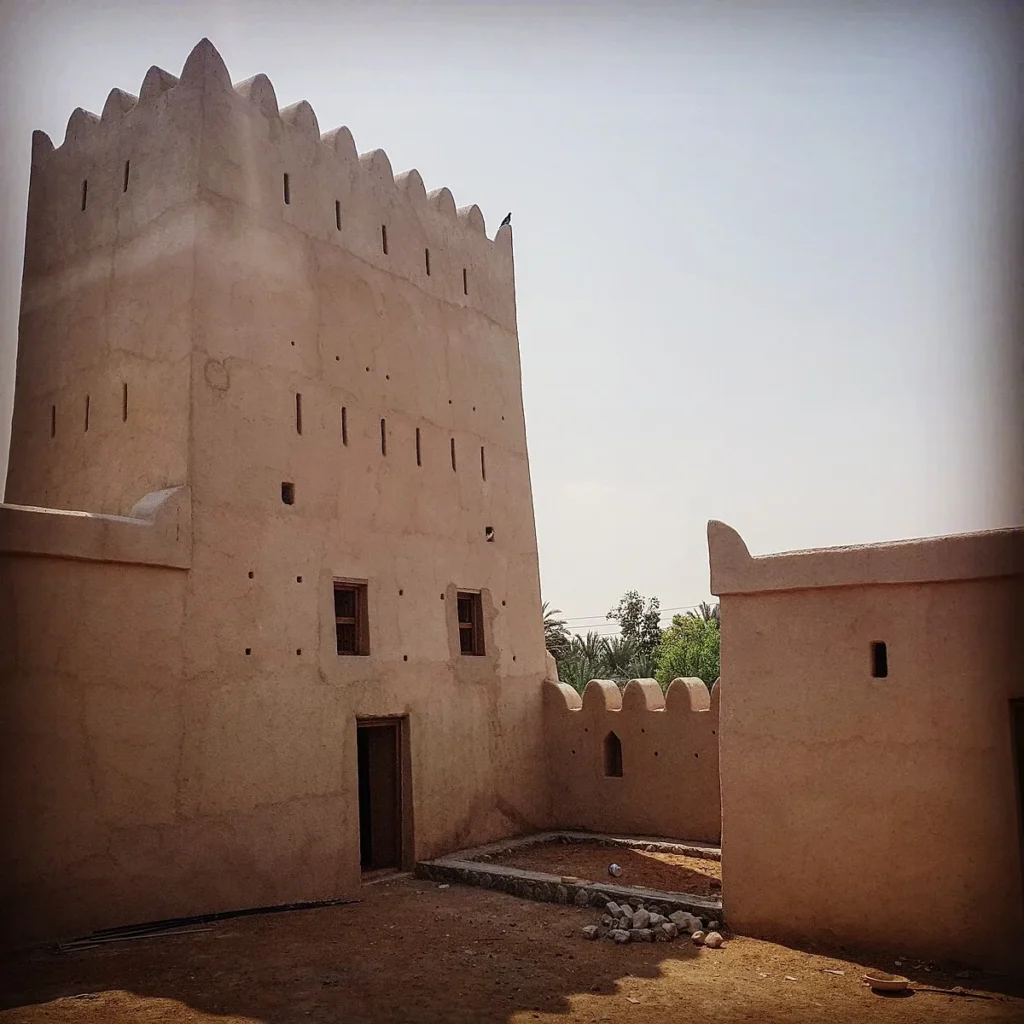
8️⃣ Beyond the Famous Villages: Hidden Corners
Beyond well-known names like Bithnah and Tayyibah, smaller villages in Fujairah also preserve their heritage quietly. Scattered across mountain valleys and wadis, some remain inhabited by families maintaining traditional farming.
Many of these micro-villages are not tourist attractions yet, but may be part of future heritage projects. For now, they serve as opportunities for responsible travelers to experience unfiltered Emirati hospitality.
🔍 Common Themes Across Fujairah’s Villages
Across the diverse villages in Fujairah, several themes unite them:
- Adaptation to environment – Using local stone, mud, and palm leaves for construction.
- Agricultural ingenuity – Systems like aflaj and Al Yazrah ensuring survival in arid conditions.
- Defense and forts – From Bithnah to Awhala, security shaped settlement patterns.
- Cultural revival – Habhab’s new majlis or Tayyibah’s guesthouse show how heritage evolves.
- Tourism potential – With eco-tourism and heritage tourism on the rise, Fujairah’s villages are positioned to grow in importance.
✈️ Planning Your Visit
If you want to explore the villages in Fujairah, here are practical tips:
- Transport: Rent a 4×4 if visiting remote mountain villages like Danhah or Tayyibah.
- Timing: Visit in cooler months (October–April). Summer temperatures can exceed 40°C.
- Respect: Dress modestly and ask permission before photographing residents.
- Guides: Local tour operators can arrange guided tours with deeper cultural insight.
- Combine with coastal attractions: Pair heritage visits with Fujairah’s beaches, mosques, and diving spots.
🌟 Conclusion
The villages in Fujairah represent a timeless story of resilience, culture, and adaptation. They remind us that behind modern skyscrapers lies a heritage rooted in mudbrick homes, mountain wadis, and community gatherings.
In 2025, these villages are more than tourist stops—they are classrooms of sustainability, museums of memory, and symbols of Emirati pride. Whether you’re wandering the curated alleys of Fujairah Heritage Village, admiring rock art at Al Hayl, hiking in Tayyibah, or exploring the ruins of Danhah, you are participating in the preservation of history.
For any traveler seeking to understand the UAE beyond luxury, the villages in Fujairah are essential. They are living testaments to a past that continues to shape the present—and will guide the future.
🔗 External Links & References
- GetYourGuide – Fujairah Heritage Village Tour
- Fujairah Tourism Official Site – Heritage Village Museum
- Bayut Guide – Fujairah Heritage Village
- Wikipedia – Al Hayl, Fujairah
Also Read: Fujairah Port: UAE’s Strategic Oil & Trade Gateway in 2025 — Complete Guide