
🌍 Introduction
Dubai has always been at the forefront of futuristic ideas—from the world’s tallest building, Burj Khalifa, to AI-powered airports and driverless cars. In 2025, another innovation is taking center stage: virtual tourism in Dubai. Unlike traditional tourism, which requires physical travel, virtual tourism allows visitors to explore the emirate’s wonders from anywhere in the world using VR headsets, mobile devices, or metaverse platforms.
For travelers with mobility issues, budget constraints, or those hesitant to fly long distances, virtual tourism in Dubai offers a way to experience the city’s culture, luxury, and attractions without setting foot on a plane. It’s not just about convenience—it’s about sustainability, inclusivity, and creativity.
This article explores the future of virtual tourism in Dubai across 8 major sections, including its technologies, use cases, challenges, opportunities, and broader impact on Dubai’s economy and tourism landscape.
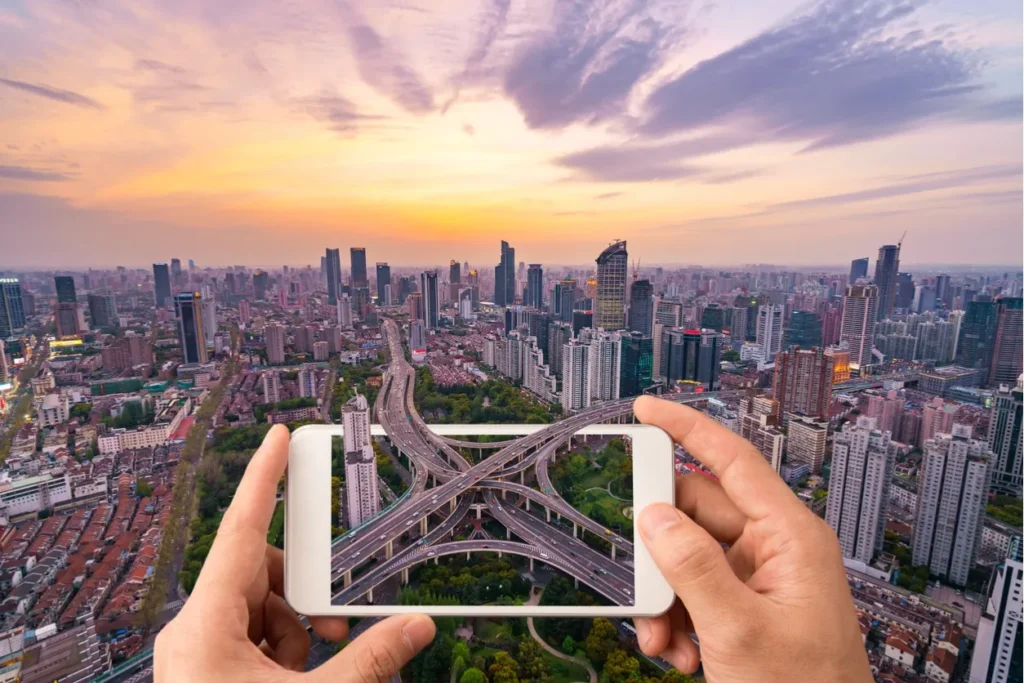
1️⃣ Why Virtual Tourism in Dubai Matters in 2025
Dubai attracts millions of tourists annually, but not everyone can visit physically. This is where virtual tourism in Dubai makes a difference:
- Inclusivity & Accessibility
Travelers with disabilities, financial limitations, or time restrictions can still “visit” Dubai through immersive digital platforms. - Pre-visit Marketing
Potential visitors can preview destinations before booking. Research shows that travelers who engage with virtual tours are 67% more likely to finalize a trip. - Sustainability Goals
With global emphasis on eco-tourism, virtual tourism in Dubai reduces emissions from flights while still offering engaging travel experiences. - Crisis-Proofing
The COVID-19 pandemic showed how fragile global tourism can be. Dubai now uses virtual tourism to future-proof its industry against disruptions. - New Revenue Streams
Digital tickets, VR experiences, and subscription-based tourism content allow Dubai to monetize virtual tourism in ways never seen before.
2️⃣ Core Technologies Powering Virtual Tourism in Dubai
2.1 VR & AR Experiences
With VR headsets or AR glasses, users can virtually walk through Dubai Marina, shop in the Dubai Mall, or even experience skydiving over Palm Jumeirah.
2.2 Digital Twins & XR
By 2025, Dubai has already created digital twins of major landmarks—accurate 3D replicas that users can explore interactively.
2.3 AI-Powered Storytelling
AI-powered virtual guides narrate Dubai’s stories in multiple languages, offering personalized tours for history buffs, food lovers, or adventure seekers.
2.4 Photogrammetry & 360° Imaging
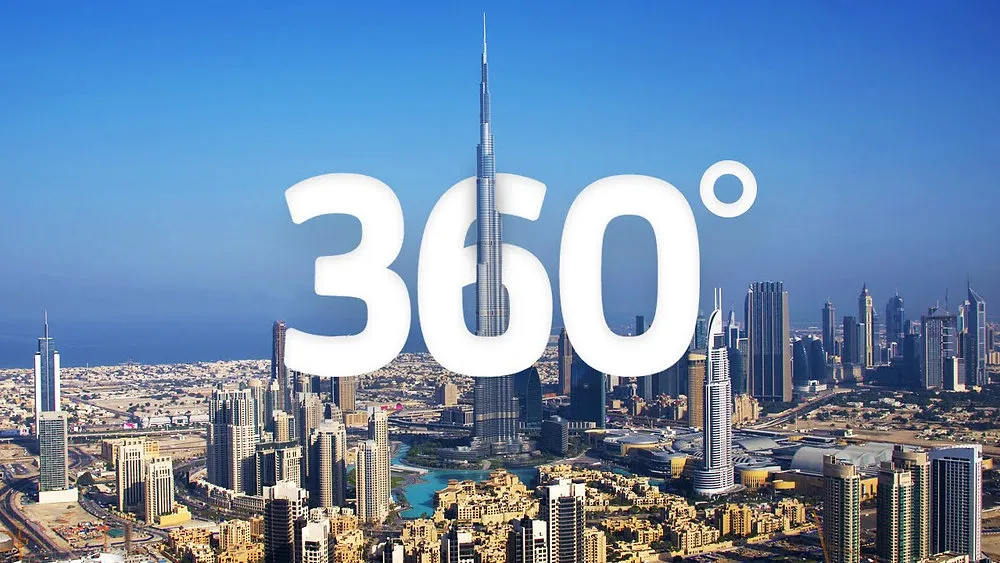
High-definition 360° videos and 3D scanning allow tourists to enjoy hyper-realistic tours of places like Al Fahidi Historical District.
2.5 Avatars & Robotics
Avatars in the metaverse guide users, while robotic tourism assistants in Dubai’s real-world attractions are now connected to these digital platforms.
3️⃣ Key Use Cases for Virtual Tourism in Dubai
🕌 3.1 Virtual Landmarks
From Burj Khalifa to Dubai Creek, iconic landmarks are now available as fully interactive 3D tours.
🏨 3.2 Virtual Hospitality Tours
Hotels like Atlantis The Palm now provide immersive previews of rooms, spas, and underwater suites—boosting booking confidence.
🏛️ 3.3 Cultural & Heritage Preservation
Old souks, mosques, and museums can be digitally preserved. Tourists can experience them even if the original structures face preservation limits.
🎶 3.4 Events & Entertainment
Dubai Expo’s digital twin was a huge success, allowing millions to attend virtually. Future concerts, sports, and festivals will follow suit.
🏠 3.5 Real Estate & Property Exploration
Dubai’s booming property market benefits from virtual tourism in Dubai by enabling overseas buyers to walk through apartments before purchase.
🎮 3.6 Gamified Tourism & Metaverse Worlds
Metaverse platforms combine gaming with tourism—offering missions, collectibles, and multiplayer exploration of Dubai’s attractions.
4️⃣ Infrastructure & Government Support
Dubai is investing heavily in infrastructure to support virtual tourism:
- Smart Dubai 2030 Strategy ensures AR/VR integration across tourism sectors.
- 5G Internet & Edge Computing allow seamless streaming of high-quality VR content.
- Public-Private Partnerships bring global tech firms into Dubai’s tourism ecosystem.
- Sustainability Goals align with Dubai’s broader carbon-neutral targets.
The government recognizes virtual tourism in Dubai as a driver for both economic growth and global soft power.
5️⃣ Challenges Facing Virtual Tourism in Dubai
- High Costs — Developing photorealistic VR models of Dubai’s landmarks requires heavy investment.
- Tech Barriers — Not all travelers own VR devices; mobile-friendly alternatives must be developed.
- Authenticity — Cultural storytelling must be accurate and respectful.
- Monetization — Finding a balance between free access and premium paid content is tricky.
- Legal Rights — Using 3D scans of buildings or cultural assets involves copyright and licensing hurdles.
Despite these challenges, Dubai continues to lead with bold experiments in virtual tourism.
6️⃣ Latest Innovations & 2025 Trends
- Multi-user VR Tours — Friends can now “visit” Dubai together virtually, making it social.
- Hybrid AR Travel — On-site tourists can overlay historical information through AR glasses.
- Haptic Tech — Gloves and suits simulate touch, allowing users to feel sand, wind, or even textures in Dubai’s desert safaris.
- NFT Souvenirs — Travelers can purchase blockchain-certified collectibles from virtual trips.
- AI-Personalized Tours — Tailored experiences for families, solo travelers, or students.
These innovations ensure that virtual tourism in Dubai stays ahead globally.
7️⃣ Economic Impact & Market Growth
- Dubai’s tourism sector is projected to generate over $55 billion in GDP by 2030, with a significant portion linked to hybrid and virtual tourism models.
- Hotels offering VR previews report a 30% increase in bookings.
- Virtual events like concerts and exhibitions attract millions of remote participants, expanding Dubai’s global reach.
Virtual tourism in Dubai also supports other industries like real estate, hospitality, and education.
8️⃣ The Future of Virtual Tourism in Dubai by 2030
By the end of the decade, Dubai aims to merge physical and digital tourism seamlessly. Possible scenarios include:
- Fully Immersive Desert Safaris with simulated heat, wind, and animal sounds.
- Virtual Expo 2030 Dubai, letting millions join online.
- AI-driven Smart Tours that adapt in real time to tourist preferences.
- Educational Virtual Trips, where schools worldwide bring students to Dubai virtually.
In short, virtual tourism in Dubai will no longer be just a substitute—it will be an integrated part of global tourism.

✅ Conclusion
The rise of virtual tourism in Dubai shows how the emirate is reinventing travel in the digital age. It is not about replacing physical travel but expanding access, enhancing experiences, and making Dubai’s cultural and modern wonders available to all.
By combining AR, VR, AI, and metaverse technology, Dubai ensures that whether you are a student in Paris, a businessperson in Tokyo, or a family in Nairobi, you can explore Dubai’s future without leaving your living room.
The future of virtual tourism in Dubai is bright, inclusive, and innovative. And by 2030, it may become one of the most important ways people interact with cities worldwide.
🔗 External References
- Limina Studios – Hotel Virtual Tours in the UAE
- TopLuxuryProperty – Virtual Tours in Dubai Real Estate
- Museum of the Future Dubai – Wikipedia
- Appinventiv – AR/VR Innovations in Dubai
- Galaxia Group – Smart Tourism in Dubai
Also Read: How to Join Dubai Fitness Challenge 2025: Dates, Registration, Events & Insider Tips