🌍 Introduction
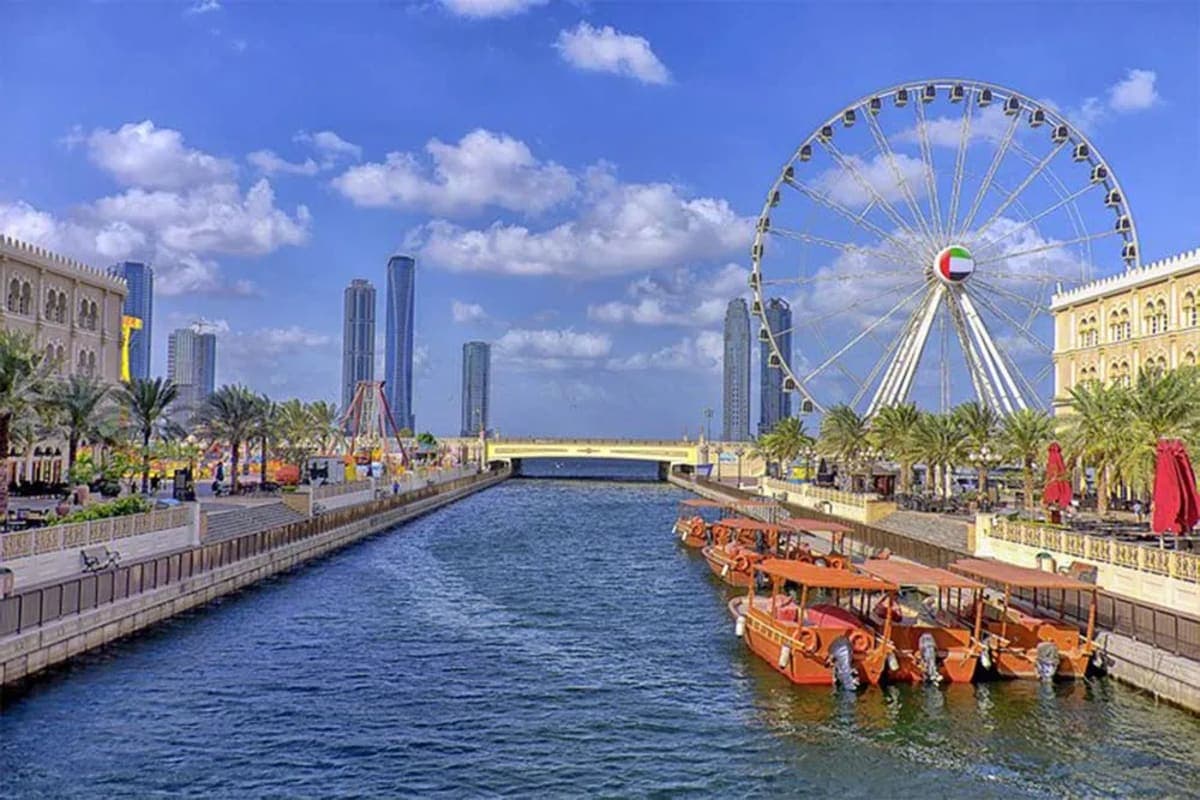
Planning a trip or living in Sharjah? Understanding the weather in Sharjah is essential to enjoying its culture, beaches, and attractions to the fullest. Sharjah, one of the seven emirates of the UAE, features a desert climate with long summers, mild winters, and plenty of sunshine year-round. Each season offers unique experiences — from winter strolls along Al Majaz Waterfront to summer evenings in air-conditioned souks.
In this detailed 2025 guide, we explore what to expect from the weather in Sharjah month by month and season by season. You’ll find reliable insights about temperature, humidity, rainfall, and travel recommendations to help you plan better, whether you’re a visitor or a resident.
1️⃣ Winter (December – February)
Winter is the most loved season for both residents and tourists because the weather in Sharjah is pleasantly cool and comfortable. During this period, average daytime temperatures range between 22°C to 26°C, while nighttime temperatures may fall to 12°C–15°C. This combination creates an ideal environment for outdoor exploration, beach visits, and cultural tours.
Rainfall is relatively more frequent during these months, although still limited to short bursts. The air feels fresh, the humidity is lower, and the skies remain mostly clear. Parks, museums, and outdoor cafes buzz with activity, and families enjoy picnics across Al Noor Island, Al Qasba, and the Corniche.
If you are traveling for leisure, the weather in Sharjah during winter offers some of the best conditions for sightseeing, photography, and outdoor festivals. Comfortable clothing, a light jacket for evenings, and sunglasses are all you need.
2️⃣ Spring (March – May)
Spring brings a noticeable temperature rise, marking a transition between the cool winter and the intense summer. In March, the weather in Sharjah remains moderate with highs of around 28°C, but by May, temperatures can reach 37°C–38°C.
Mornings and evenings continue to be enjoyable, with light breezes coming in from the Arabian Gulf. The increasing daylight hours make this an excellent time to explore desert safaris, dhow cruises, and historical sites before midday heat sets in.
By late April, humidity levels start to rise, and the city begins to experience more warm nights. The sea temperature increases, making water sports appealing to locals and tourists alike. The weather in Sharjah during this time still permits outdoor fun — but hydration and sun protection are key.
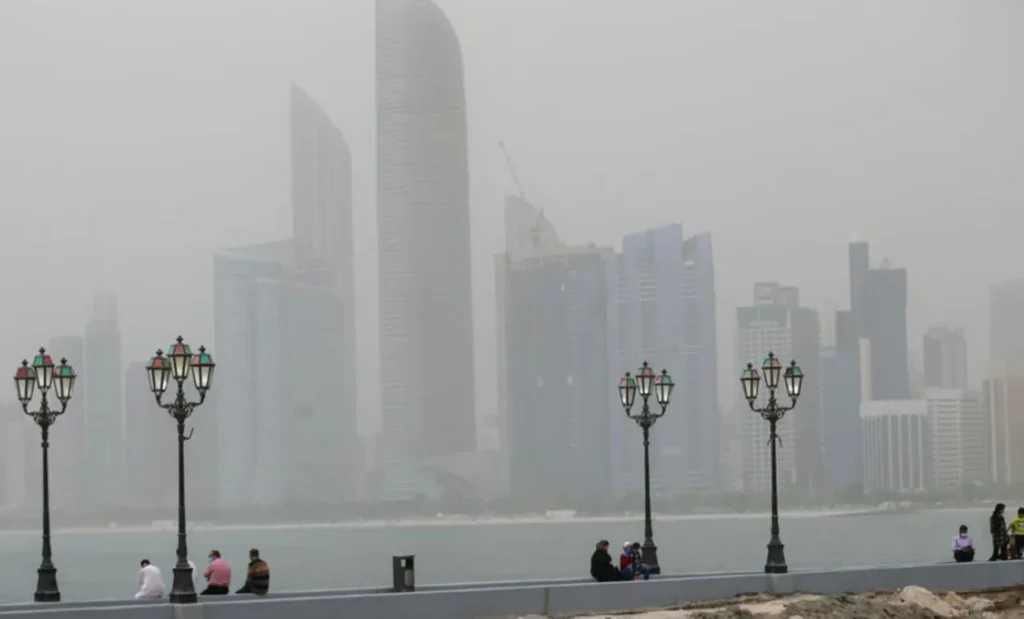
Spring also brings gentle sandstorms on some days, typical for desert regions. Keeping sunglasses and scarves handy helps avoid discomfort during windy spells.
3️⃣ Summer (June – August)
Summer in the UAE is famous for its heat, and the weather in Sharjah is no exception. From June through August, daytime highs consistently exceed 41°C, with some afternoons surpassing 45°C. The combination of high humidity and temperature creates an intense heat index. Nights remain warm, averaging 29°C–31°C, offering only limited relief.
The sea also warms dramatically, reaching around 33°C, which makes it feel like a warm pool. Because of this, outdoor activities are limited to early mornings and late evenings. During summer, life in Sharjah moves indoors — malls, museums, art galleries, and cafés become central hubs of daily life.
Despite the heat, the city remains lively, with residents adapting to the conditions through efficient cooling systems, shaded walkways, and public spaces designed for comfort. Tourists visiting during this time should plan activities strategically and always keep hydrated.
The weather in Sharjah during summer may seem harsh, but it also highlights the resilience of Emirati life — a society that has transformed desert extremes into year-round living comfort.
4️⃣ Autumn (September – November)
Autumn marks a gradual transition from the harsh summer to the comfortable winter season. The weather in Sharjah in September remains hot, averaging 38°C–40°C during the day, but by November, the air begins to cool down to around 30°C.
Humidity remains high at the start of autumn but drops steadily, and by late October, evenings become breezier and more pleasant. It’s during this period that outdoor events, open-air markets, and cultural festivals begin to reappear across the city.
The golden sunsets reflecting off Khalid Lagoon during autumn are among the most breathtaking sights in Sharjah. It’s a season of revival — locals start walking and cycling again, families dine outdoors, and visitors enjoy the cooler evenings.
By November, the weather in Sharjah becomes nearly perfect for sightseeing, beach activities, and nature excursions, making it the unofficial start of the tourist season.
5️⃣ Rainfall and Humidity Patterns
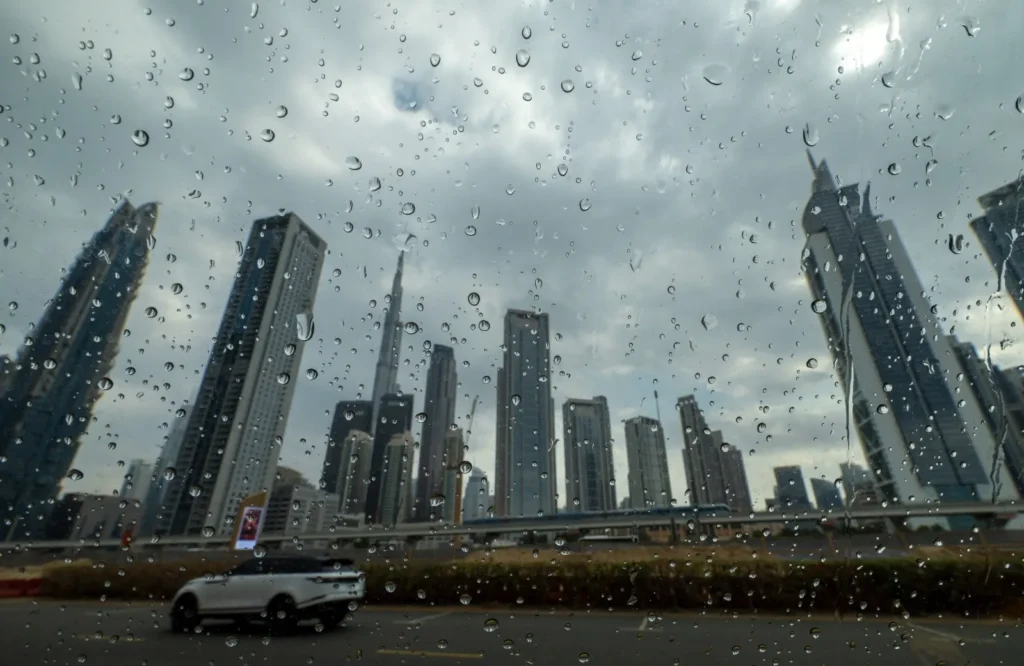
The weather in Sharjah is typically dry throughout the year, with limited rainfall averaging around 100 mm annually. Rain is most likely between December and March, often appearing as short showers or occasional thunderstorms. These brief rains refresh the air and bring a change to the arid landscape.
Humidity levels are an important part of the region’s climate story. Between April and November, coastal humidity can rise above 70%, especially at night. This is when the heat feels more intense due to the moisture in the air. The inland regions, farther from the sea, experience slightly lower humidity levels.
Winter months are the most comfortable when humidity drops and temperatures stabilize, making the weather in Sharjah ideal for outdoor activities. Morning fog is common in the cooler months, adding a mystical layer to the city’s skyline at dawn, especially around lagoons and open areas.
6️⃣ Sea Temperature and Sunshine
With a coastline along the Arabian Gulf, Sharjah enjoys warm sea temperatures year-round. The weather in Sharjah ensures that even in the winter, sea temperatures rarely fall below 22°C, while during summer they can exceed 32°C.
Sunshine dominates the year, with over 3,500 hours of sunlight annually. This makes Sharjah one of the sunniest cities in the Middle East. Even during rare cloudy days, bright daylight prevails for most of the day.
For beachgoers, the best months are March–April and October–December, when the balance between air and sea temperature feels just right. These are also the months when humidity is manageable, making it the ideal time for swimming, kayaking, and coastal picnics.
The weather in Sharjah rewards those who plan smartly — bringing sunscreen, hats, and light fabrics helps you enjoy endless sunshine without discomfort.
7️⃣ Best Times to Visit and Travel Tips
The best time to experience the weather in Sharjah is from mid-November to late March. During this period, the air is fresh, the skies are clear, and the temperatures are perfect for sightseeing and cultural exploration. The mild climate complements the emirate’s family-friendly parks, museums, and waterfront attractions.
For travelers interested in beaches and moderate warmth, late autumn and early spring are ideal. Between March and early May or from October to early December, Sharjah offers comfortable warmth without excessive humidity.
✈️ Travel Tips for Every Season
- Plan outdoor trips in the early morning or late evening during summer.
- Stay hydrated and carry water wherever you go.
- Use sunscreen and sunglasses to protect against UV exposure.
- Dress modestly but lightly — cotton and linen help manage heat comfortably.
- Monitor forecasts during winter for occasional rain and fog.
- Book accommodations early during the winter months, as it’s peak travel season.
By aligning your plans with the weather in Sharjah, you’ll experience the city in its best light, balancing cultural immersion with climate comfort.
8️⃣ Adaptation and Environmental Outlook
Sharjah has evolved remarkably to adapt to its climate. The emirate’s architecture, transportation systems, and city planning all take the weather in Sharjah into account. Buildings are designed to maximize shade, use reflective materials, and promote natural ventilation.
Green initiatives such as tree planting, rooftop gardens, and sustainable cooling technologies are helping reduce the impact of high temperatures. Public spaces like Al Majaz Waterfront and Al Montazah Parks incorporate shaded areas and mist systems, ensuring comfort even during warmer months.
With global climate change continuing to influence weather patterns, Sharjah remains proactive in promoting sustainable living. The emirate’s environmental policies aim to balance urban growth with eco-friendly practices, ensuring residents and visitors continue to enjoy the benefits of modern life despite the desert environment.
The weather in Sharjah stands as both a challenge and a symbol of resilience — a climate that defines the rhythm of local life and the cultural character of this remarkable emirate.
🌞 Conclusion
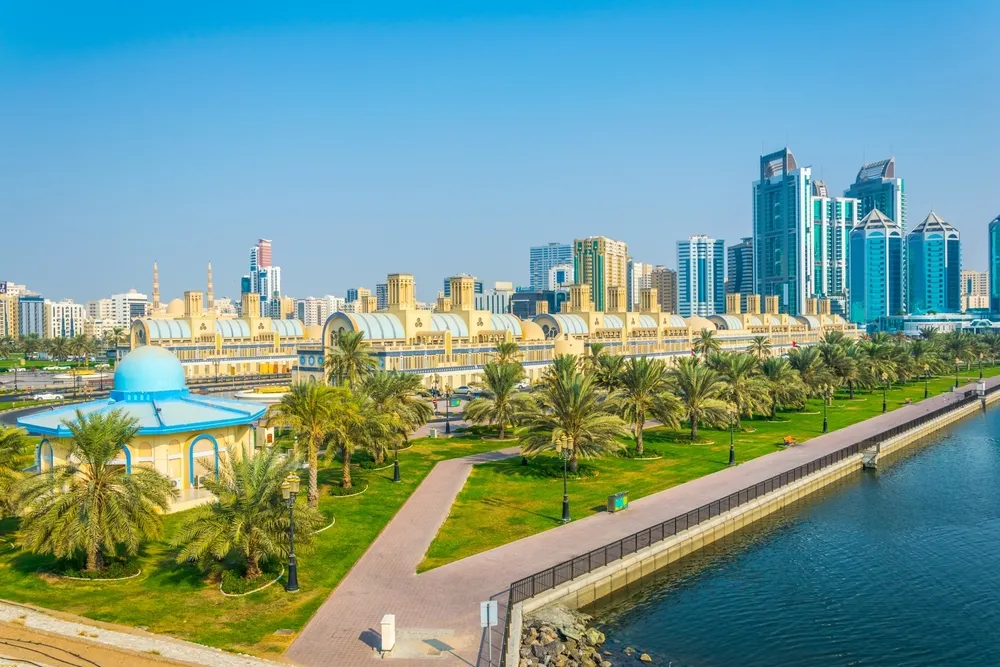
The weather in Sharjah offers a unique blend of sunshine, warmth, and occasional rain that shapes every aspect of life in this cultural hub of the UAE. From its serene winters to its vibrant summers, each season reveals a different personality of the city.
Whether you come to experience the historical districts, relax by the Gulf, or explore Sharjah’s art and heritage, knowing what to expect from the weather in Sharjah ensures you make the most of your time. With its balance of tradition and innovation, Sharjah continues to welcome travelers with open skies, bright sunshine, and a climate as dynamic as its culture.
🔗 References (Authentic 2025 Sources)
- Weather Atlas – Climate Data of Sharjah, UAE
- Weather2Travel – Monthly Weather in Sharjah
- Weather Spark – Average Weather and Climate Chart
- Climate Data – Sharjah, United Arab Emirates
- ClimeChart – Annual Temperature and Rainfall Overview
Also Read: Essential Cultural Norms in Sharjah Everyone Should Know in 2025