Introduction
Nestled in the clear blue waters off the coast of Abu Dhabi, Sir Bani Yas Island stands as one of the UAE’s most remarkable natural and cultural treasures. It is a rare place where wildlife roams freely, ancient history meets modern sustainability, and visitors can experience both adventure and serenity in equal measure.
This guide compiles verified and updated facts about Sir Bani Yas Island as of 2025, covering everything from geology and history to wildlife, tourism, and sustainability. Whether you are a nature enthusiast, a historian, or a luxury traveler, you’ll find that this island holds a unique charm that defines the spirit of the Emirates.
1️⃣ Geology and Natural Formation
Among the most captivating facts about Sir Bani Yas Island is its origin. Formed millions of years ago, the island is part of a geological salt dome — a structure pushed up from beneath the Earth’s surface due to the movement of ancient salt deposits. This unique formation has made it one of the oldest natural landscapes in the UAE.
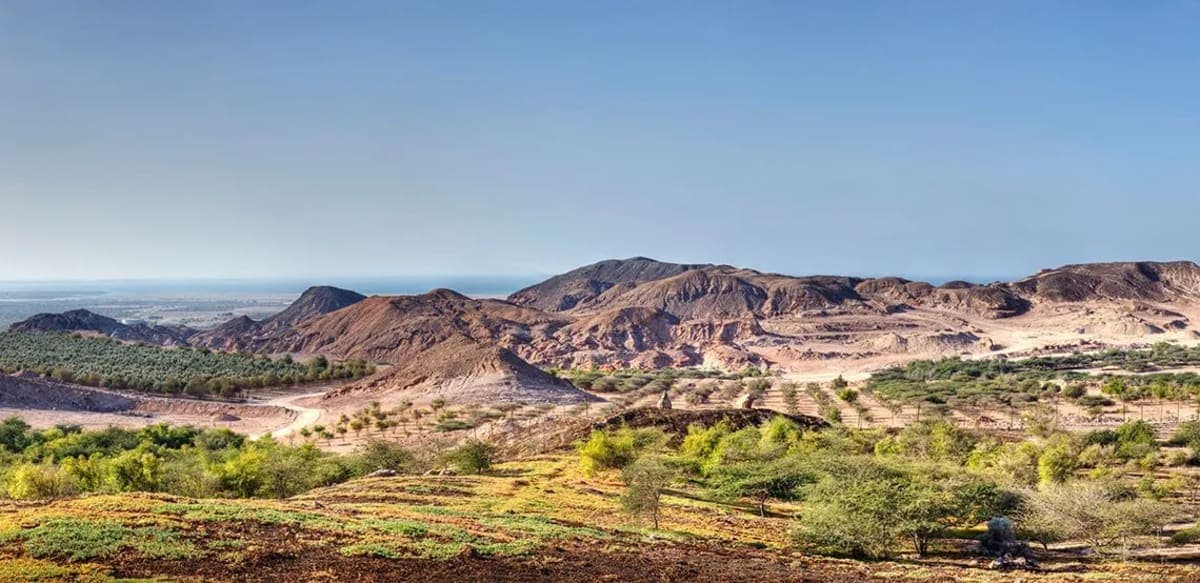
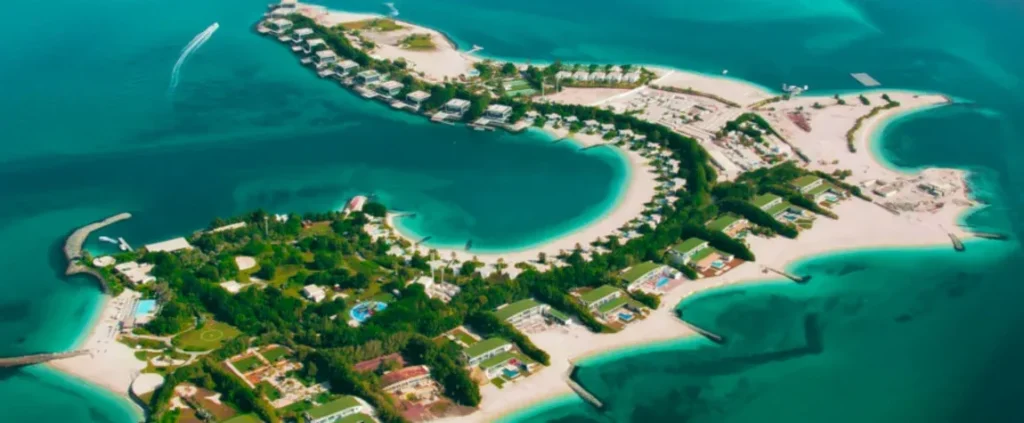
Sir Bani Yas Island spans approximately 87 square kilometers, making it the largest natural island in the country. Its terrain includes limestone cliffs, rolling hills, acacia forests, and coastal mangroves that provide natural habitats for wildlife. The island’s location, about 170 kilometers southwest of Abu Dhabi, places it within the Al Dhafra Region, about nine kilometers offshore from Jebel Dhanna.
These geological facts about Sir Bani Yas Island explain why it is often called a “living island” — it showcases the UAE’s ancient geography while supporting vibrant modern ecosystems.
2️⃣ Historical Background and Ancient Heritage
Few people realize that facts about Sir Bani Yas Island go far beyond its natural beauty — the island has deep historical roots dating back thousands of years. The name itself comes from the Bani Yas tribe, the powerful tribal confederation that played a key role in shaping the history of the Emirates.
Archaeological evidence reveals that the island was inhabited for centuries. One of the most extraordinary discoveries is a Christian monastery from the 7th century AD, believed to be one of the earliest known Christian sites in the Arabian Gulf. The monastery’s ruins, carefully preserved, include ancient stone walls, cells, and a small church structure that once housed early monks.
More than 30 archaeological sites have been documented here — from Bronze Age settlements to Stone Age artefacts — confirming that human civilization thrived long before the modern era. These findings enrich the list of facts about Sir Bani Yas Island, proving that this remote destination was once a crossroads of trade, faith, and culture.
3️⃣ Wildlife and Conservation Success Story
Perhaps the most famous facts about Sir Bani Yas Island relate to its transformation into one of the world’s most successful wildlife conservation projects. In the 1970s, the late Sheikh Zayed bin Sultan Al Nahyan — the founding father of the UAE — envisioned the island as a sanctuary for endangered Arabian species.
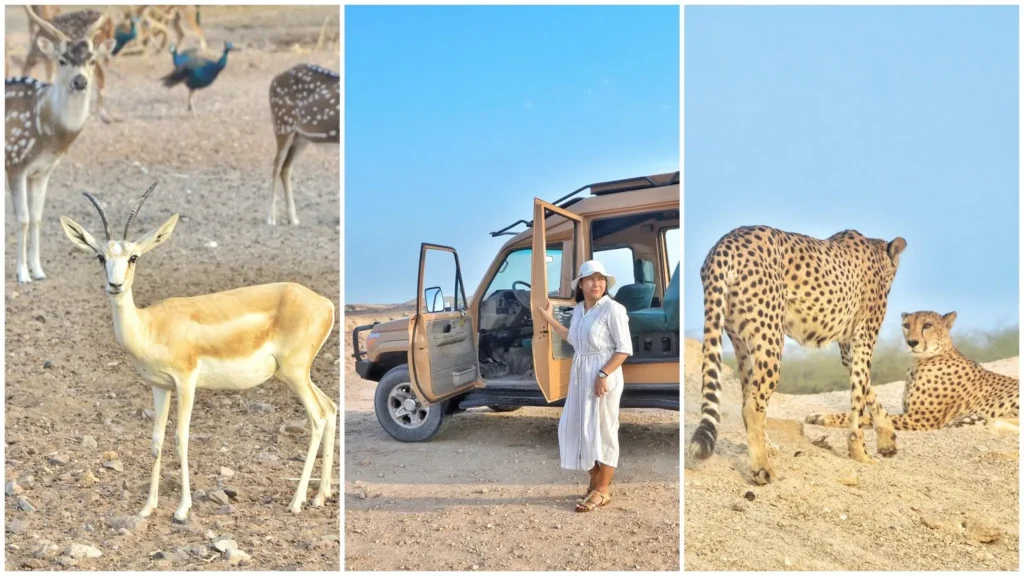
His vision led to the creation of the Arabian Wildlife Park, which now covers over half of the island. This park is home to more than 17,000 free-roaming animals, including the Arabian oryx, sand gazelle, giraffe, and cheetah. The reintroduction of the oryx — once extinct in the wild — remains one of the greatest achievements in regional conservation.
Visitors can explore the park through guided 4×4 safaris, witnessing animals roaming freely across open savannahs. These living, breathing facts about Sir Bani Yas Island highlight how conservation and responsible tourism can coexist harmoniously.
4️⃣ Environmental Sustainability and Green Initiatives
One of the most impressive modern facts about Sir Bani Yas Island is its commitment to sustainability. The island is a pioneering model of eco-tourism in the Middle East, combining renewable energy, reforestation, and wildlife protection in one integrated plan.
The UAE’s first wind turbine was installed on Sir Bani Yas Island to generate clean electricity for resort facilities. Solar panels supplement the energy grid, while water recycling and desalination plants minimize environmental impact.
Over four million trees have been planted since the 1970s, converting much of the arid desert into a semi-green landscape. These initiatives restore natural habitats and stabilize the soil, allowing native flora and fauna to flourish again.
Among all facts about Sir Bani Yas Island, this ongoing environmental stewardship is perhaps its most inspiring — a true reflection of the UAE’s long-term commitment to balance luxury with sustainability.
5️⃣ Cultural Heritage and Archaeological Attractions
Another fascinating set of facts about Sir Bani Yas Island involves its cultural heritage. Beyond the Christian monastery, several ancient village sites have been excavated, revealing pottery fragments, tools, and foundations that date back to 600 AD and earlier.
These discoveries help historians understand the early maritime trade routes between Mesopotamia, the Arabian Peninsula, and South Asia. Visitors can now explore these sites as part of guided cultural tours that showcase the depth of human history embedded in the island’s soil.
Furthermore, the island’s continued association with the Bani Yas tribe maintains a living cultural identity. Traditional Emirati values of hospitality, environmental care, and respect for nature are evident in how the island is managed today. These are key facts about Sir Bani Yas Island that connect ancient life with modern values.
6️⃣ Resorts, Luxury, and Visitor Experience
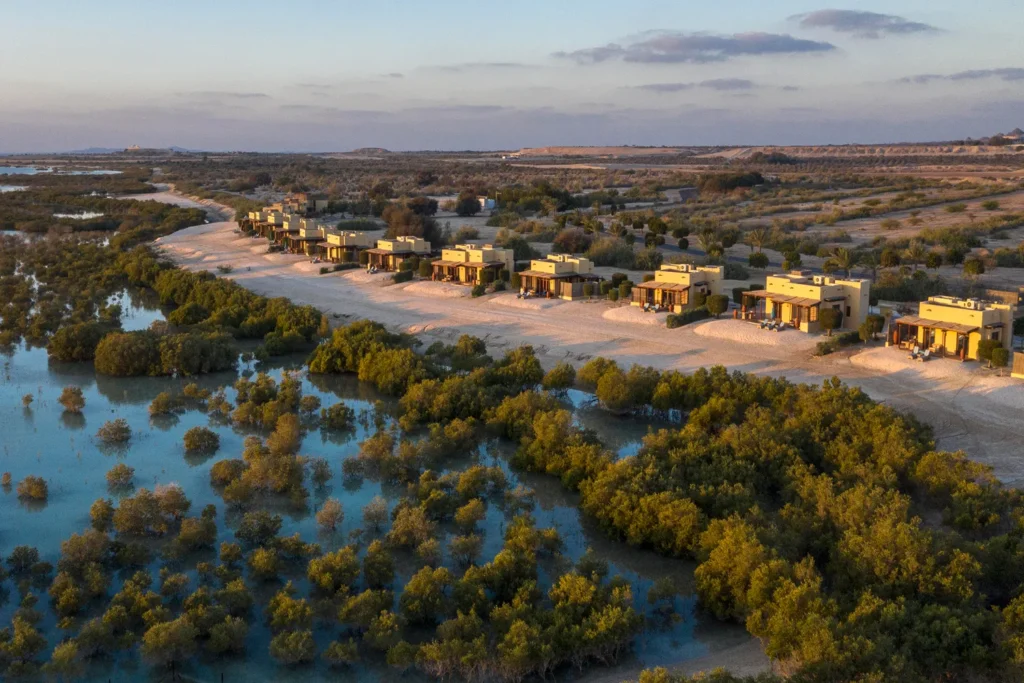
Sir Bani Yas Island is not just about history and wildlife — it’s also home to some of Abu Dhabi’s most exclusive yet eco-friendly resorts. Anantara operates three main luxury properties: Desert Islands Resort & Spa, Al Yamm Villa Resort, and Al Sahel Villa Resort. Each offers a distinct experience, from beachfront relaxation to safari-style wilderness stays.
Guests staying at these resorts enjoy panoramic views, fine dining, and guided excursions into the Arabian Wildlife Park. The hospitality experience is built around sustainability, using local materials and energy-efficient systems.
These resorts are central to the list of facts about Sir Bani Yas Island, showing that comfort and conservation can thrive together. Whether you’re a honeymooner, adventurer, or photographer, the island offers tailored experiences that capture the essence of Arabian nature.
7️⃣ Activities and Adventure Experiences
For visitors, the variety of activities is one of the most exciting facts about Sir Bani Yas Island. The island offers guided nature drives, horse riding through open plains, kayaking in mangroves, mountain biking, archery, birdwatching, and snorkeling along coral reefs.
Wildlife drives allow close-up encounters with oryx herds, ostriches, and cheetahs. Meanwhile, kayaking and paddleboarding reveal hidden mangrove lagoons where flamingos and migratory birds rest. The coastline is also home to sea turtles and dolphins, often spotted from resort beaches.
This range of experiences makes Sir Bani Yas Island an all-in-one eco-adventure destination — one that appeals equally to nature photographers, families, and researchers. Few places in the Gulf offer such accessible biodiversity, which is why these outdoor options are integral facts about Sir Bani Yas Island.
8️⃣ Accessibility and Visitor Information (2025 Update)
Updated facts about Sir Bani Yas Island in 2025 show that it remains easy to reach, yet blissfully secluded. Travelers drive about two hours from Abu Dhabi City to Jebel Dhanna Jetty, from where a short ferry or water taxi transports guests to the island. Regular transfers are arranged through the island’s resorts.
The best time to visit is between October and April, when the weather is cooler and wildlife is most active. Entry to the wildlife reserve is typically arranged via resort bookings to ensure environmental protection and controlled visitor numbers.
The island follows eco-tourism principles — plastic reduction, electric buggies, and guided access ensure a minimal ecological footprint. Updated infrastructure in 2025 includes improved ferry facilities and digital reservation systems for smoother access.
These logistical facts about Sir Bani Yas Island ensure that visitors can plan sustainable, stress-free trips while contributing positively to conservation efforts.
Conclusion
The many facts about Sir Bani Yas Island reveal a rare balance between heritage, wildlife, and sustainable luxury. From its geological history and ancient monastery to thriving animal populations and eco-friendly resorts, every aspect of the island tells a story of vision and care.
As of 2025, it stands as both a testament to Sheikh Zayed’s conservation dream and a model for future eco-tourism in the Gulf. Whether you’re seeking knowledge, adventure, or peace in nature, Sir Bani Yas Island offers it all — a place where history breathes, wildlife thrives, and modern travelers find harmony with nature.
For anyone exploring the UAE’s hidden gems, understanding these 25 authentic facts about Sir Bani Yas Island provides the perfect foundation for an unforgettable journey.
References (Updated 2025)
- Visit Abu Dhabi – Sir Bani Yas Island Overview
- Abu Dhabi Culture – Archaeology of Sir Bani Yas Island
- Anantara Hotels – Arabian Wildlife Park and Resorts Guide
- National Geographic Travel – Exploring Sir Bani Yas Island
- Wanderlust Magazine – Reasons to Visit Sir Bani Yas Island
- Wikipedia – Sir Bani Yas Island (UAE)
Also Read: Ultimate Sir Bani Yas Island Map & Location Guide 2025: Explore the Hidden Paradise of Abu Dhabi