Introduction
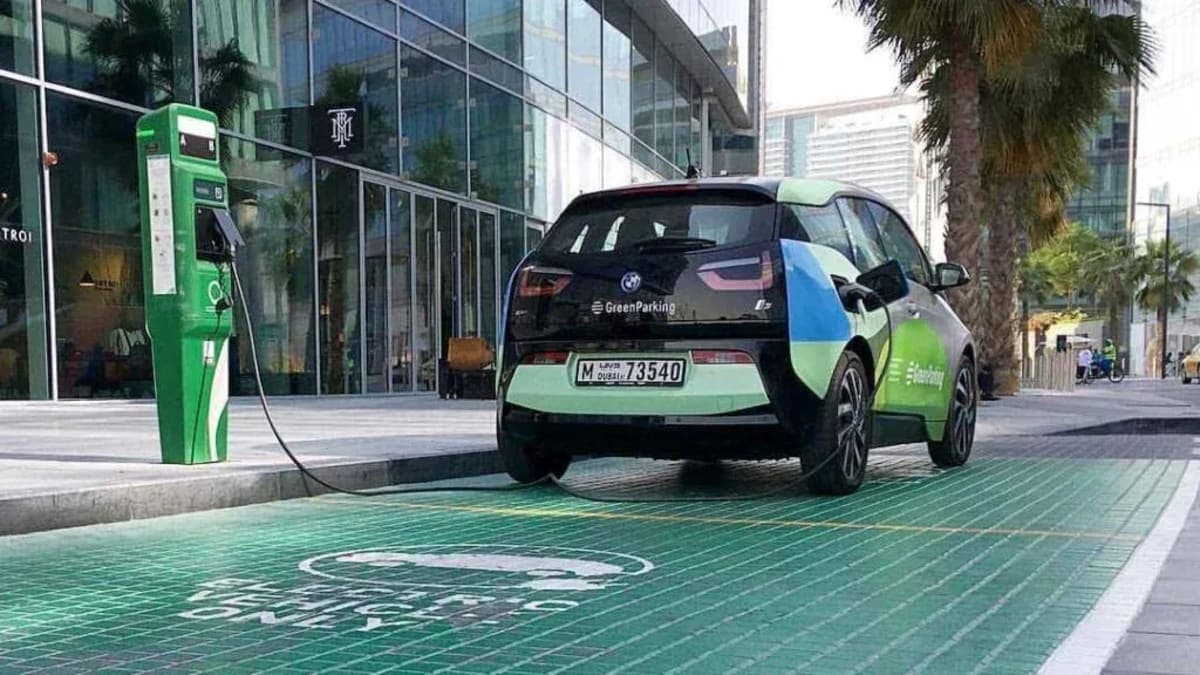
Abu Dhabi is rapidly building the infrastructure drivers need to switch to electric vehicles. The emirate is investing heavily in clean energy, sustainable transport, and smart mobility solutions — with a clear target to become a leading EV hub in the region. This updated 2025 guide explains everything about charging stations in Abu Dhabi today.
Whether you’re an Emirati resident, an expat, a fleet manager, or even a tourist planning to rent an EV, knowing how and where to charge is crucial. From new projects like “Charge AD” to the rollout of ultra-fast hubs, this article covers locations, tariffs, apps, charger types, and tips to make the most of the growing network of charging stations in Abu Dhabi. By the end, you’ll have a complete roadmap for EV charging in the capital city of the UAE.
1. ⚡ What’s new in 2025: the big rollout
2025 has been a landmark year for Abu Dhabi’s EV ecosystem. The government launched the ambitious “Charge AD” program, aiming to deploy more than 1,000 new public chargers across 400 strategic locations by the end of this year. This is part of Abu Dhabi’s wider Net Zero 2050 plan, ensuring that sustainable mobility is not just an option but the default choice.
Previously, EV drivers often faced challenges with availability, especially outside the city centre. Now, the expanded rollout ensures that charging stations in Abu Dhabi are more evenly distributed, covering both urban and suburban areas. Key focus areas include Abu Dhabi Island, Al Reem, Saadiyat, Yas Island, Al Ain, and Al Dhafra.
For residents, this means fewer range concerns. For visitors and tourists, it makes Abu Dhabi a far more EV-friendly destination compared to just a few years ago.
2. 📍 Where to find them: hotspots and maps
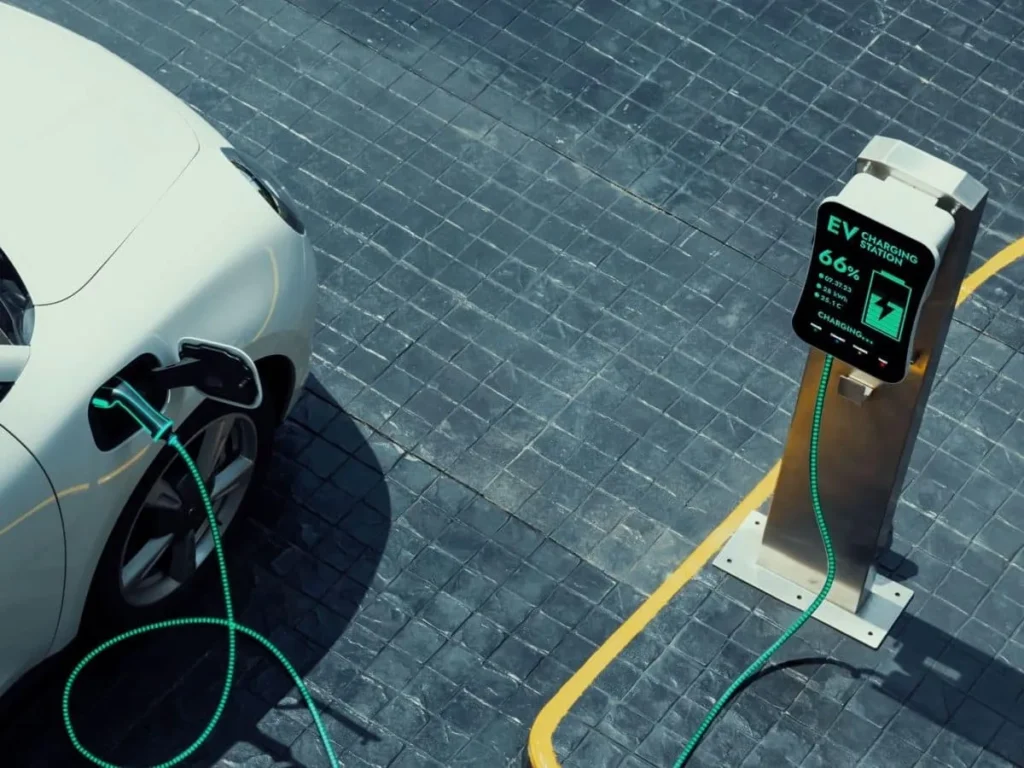
Public charging stations in Abu Dhabi are strategically installed in locations where drivers naturally spend time. The most popular hotspots include:
- Shopping malls like Yas Mall, Marina Mall, and The Galleria.
- Hotels and resorts on Saadiyat Island and Corniche.
- Airports and transit hubs, including Abu Dhabi International Airport.
- Residential areas and public car parks are managed by the municipality.
- Petrol station forecourts, such as ADNOC and ENOC, where EV chargers sit next to fuel pumps.
One of the biggest changes in 2025 is the introduction of interactive mapping through Charge AD, PlugShare, and Electromaps. These platforms show real-time availability, so drivers can avoid wasting time going to an occupied or offline charger.
In fact, Abu Dhabi is also testing AI-powered predictive systems to forecast charger usage and suggest the best nearby alternative if your chosen charger is busy. This makes navigating charging stations in Abu Dhabi seamless.
3. ⚙️ Types of chargers: slow, fast, and ultra-fast
Abu Dhabi offers a wide range of charger types to suit different needs. When you use charging stations in Abu Dhabi, you’ll commonly find:
- AC Chargers (7–22 kW)
Best for overnight charging at home, hotels, or while shopping. Adding about 40–100 km range per hour. - DC Fast Chargers (50–150 kW)
Great for mid-journey top-ups. They typically charge 20–80% in around 30–40 minutes. Perfect for errands or short breaks. - Ultra-Fast Chargers (up to 350 kW)
Introduced in 2025 at flagship hubs such as Yas Island and key highways. These cut charging time dramatically, adding hundreds of kilometers in under 20 minutes.
The mix of chargers ensures that drivers can plan their charging according to their lifestyle. For daily city driving, slow chargers are enough. For long trips to Al Ain or Dubai, ultra-fast hubs are a game-changer. The diversity of charging stations in Abu Dhabi now makes EV ownership practical for everyone.
4. 🧾 Price and payment: what to expect
Tariffs are an important part of planning EV use. In 2025, pricing for charging stations in Abu Dhabi became more transparent with standardized rates introduced across most public points.
- AC charging is generally billed per kWh, often at lower rates for longer stays.
- DC fast charging carries a premium due to the high-power infrastructure.
- Ultra-fast hubs are the most expensive per kWh, but save considerable time.
Payment methods include:
- Provider apps (linked to debit/credit cards).
- Contactless payment directly at the charging machine.
- QR-code scanning for ad-hoc users without accounts.
Some malls and hotels still offer incentives like free charging for customers or bundled parking+charging packages. As EV adoption grows, expect loyalty programs and subscription models for frequent users of charging stations in Abu Dhabi.
5. 📲 Apps, accounts, and roaming: simple steps to charge
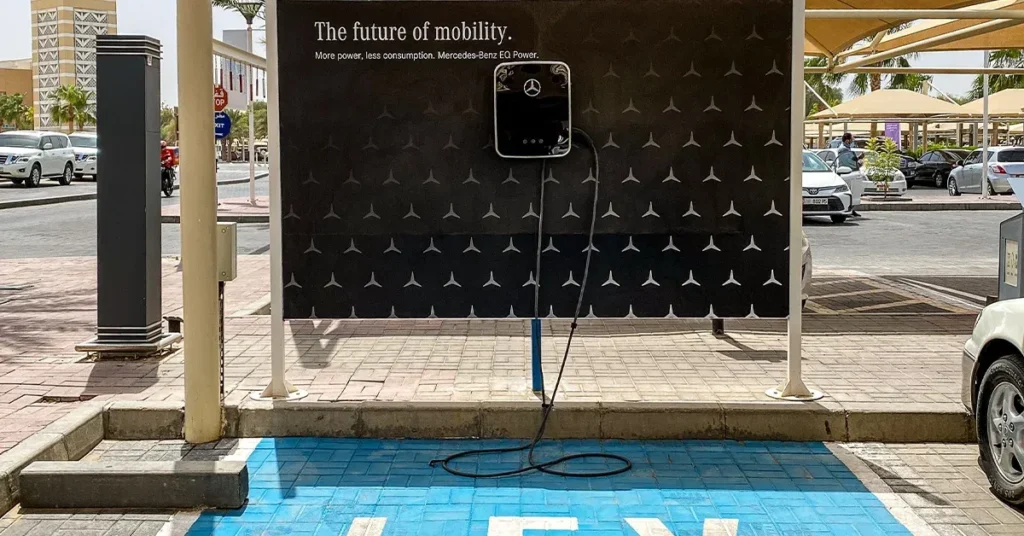
In earlier years, drivers complained about having to download multiple apps for different operators. But in 2025, roaming agreements and aggregation platforms have simplified this process.
Steps for easy charging:
- Download the main app (Charge AD, ION, or Electromaps).
- Register an account and add your vehicle details.
- Set up payment options for quick top-ups.
- Check roaming compatibility so one account works across multiple providers.
Most apps now allow live monitoring of charging progress, estimated completion time, and digital receipts. In addition, Abu Dhabi has been experimenting with smart city integrations where chargers connect with EV-friendly navigation systems, so your car’s onboard screen shows available charging stations in Abu Dhabi in real time.
6. 🏠 Home charging and workplace options
While public charging stations in Abu Dhabi are expanding rapidly, most EV owners still rely on home charging for daily use. Installing a certified 7–22 kW wallbox in your villa or apartment parking is the most convenient solution. Tenants can also apply for permission from building management to install personal chargers.
Workplace charging is also gaining traction. Many corporate offices in Abu Dhabi Global Market, Masdar City, and Khalifa City are installing EV bays for employees. Government fleets and logistics operators are also setting up depot charging facilities to keep operations running efficiently.
This balance between private, workplace, and public chargers ensures that EVs fit smoothly into everyday life.
7. 🔧 For fleet operators and taxis
Electrification is not limited to private cars. Abu Dhabi is pushing ahead with taxi and fleet electrification. The addition of high-capacity hubs designed for commercial vehicles ensures that taxis, delivery vans, and buses can operate without downtime.
Fleet operators benefit from:
- Priority access to fast and ultra-fast chargers.
- Scheduling systems that optimize charging around demand.
- Integration with telematics software for real-time monitoring.
This large-scale adoption also means that charging stations in Abu Dhabi must serve not only individual EV drivers but also thousands of fleet vehicles daily — a challenge the government is addressing through partnerships with ADNOC and global EV charging companies.
8. ✅ Tips & common pitfalls for drivers
Even with plenty of charging stations in Abu Dhabi, EV drivers can run into issues. Here are tips to avoid them:
- Always check the status before leaving home — apps show if a charger is available or under maintenance.
- Plan longer trips carefully — especially if heading to Al Ain or Al Dhafra, where fast chargers may be fewer.
- Carry multiple accounts or payment options — in case your primary app doesn’t work at a specific station.
- Use off-peak times — malls and highways get busiest in the evenings.
- Be courteous — don’t occupy a charger once your car is full.
By following these best practices, using charging stations in Abu Dhabi will be smooth and stress-free.
Conclusion
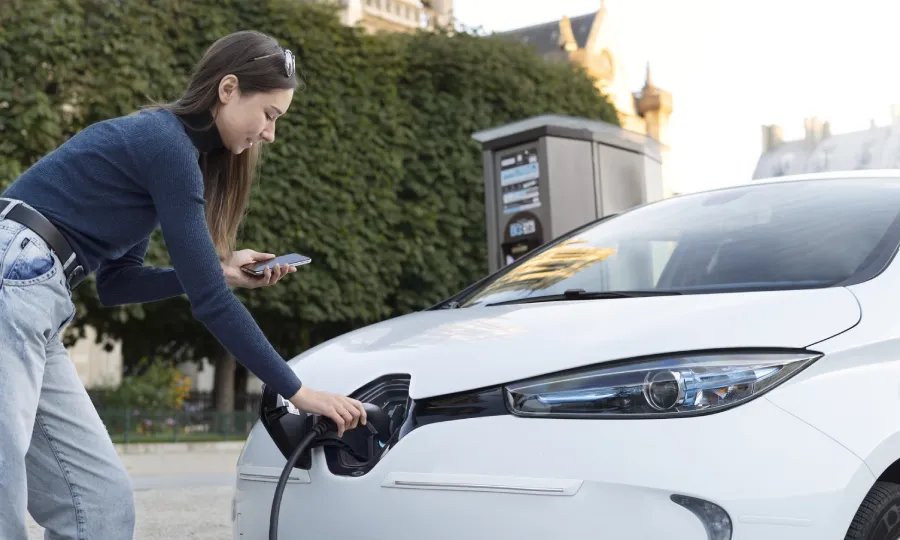
Abu Dhabi is transforming into a true EV capital. With the Charge AD program, the installation of 1,000+ new chargers, the introduction of ultra-fast hubs, and the rollout of roaming-friendly apps, charging stations in Abu Dhabi are no longer scarce — they are accessible, reliable, and growing every month.
For residents, the expansion means convenience and lower running costs. For tourists, it guarantees that renting an EV in Abu Dhabi is now practical. For fleets, it ensures reliable operations without excessive downtime.
The EV future is no longer a distant plan — it’s happening today. If you’re considering switching to an electric vehicle, Abu Dhabi is now one of the best places in the Middle East to do it.
External links & resources
- Abu Dhabi Mobility — Integrated Transport Centre
- Gulf News: Abu Dhabi 1,000-charger rollout
- Electrive: UAE charging network developments
- DEWA EV Green Charger info
- ION Mobility: ultra-fast chargers
Also Read: Best Areas to Live in Abu Dhabi for Expats in 2025