🏙️ Introduction
Al Ain, known as the “Garden City” of the UAE, is one of the most scenic and historically rich cities in the country. With its wide streets, cultural attractions, and vibrant expat community, getting around the city is essential whether you’re living here long term or visiting for a short time. While many residents drive, public transport in Al Ain has grown remarkably in recent years, offering affordable and efficient alternatives for daily commuting and leisure travel.
In this guide, we’ll explore how public transport in Al Ain works in 2025, including bus networks, intercity connections, taxis, smart payment systems, and even walking and cycling options. By the end, you’ll know exactly how to navigate Al Ain without the hassle of owning a car.
1️⃣ Overview: The Modern Network of Public Transport in Al Ain
The transport system in Al Ain falls under Abu Dhabi’s Department of Municipalities and Transport (DMT) through Abu Dhabi Mobility (AdMobility). This integration ensures that public transport in Al Ain is not an isolated service but part of a wider network linking Abu Dhabi, Dubai, and other emirates.
Key features of the 2025 system include:
- A modern fleet of air-conditioned buses with low floors for accessibility.
- Smart ticketing via the Hafilat card is usable across Al Ain and Abu Dhabi.
- Expanded bus frequency and new express routes to reduce waiting times.
- Integration with intercity lines such as the Dubai E201 service.
- Digital platforms like AdMobility’s route planner provide real-time information.
This comprehensive approach makes public transport in Al Ain reliable, inclusive, and more sustainable than ever before.
2️⃣ City Buses: The Backbone of Public Transport in Al Ain
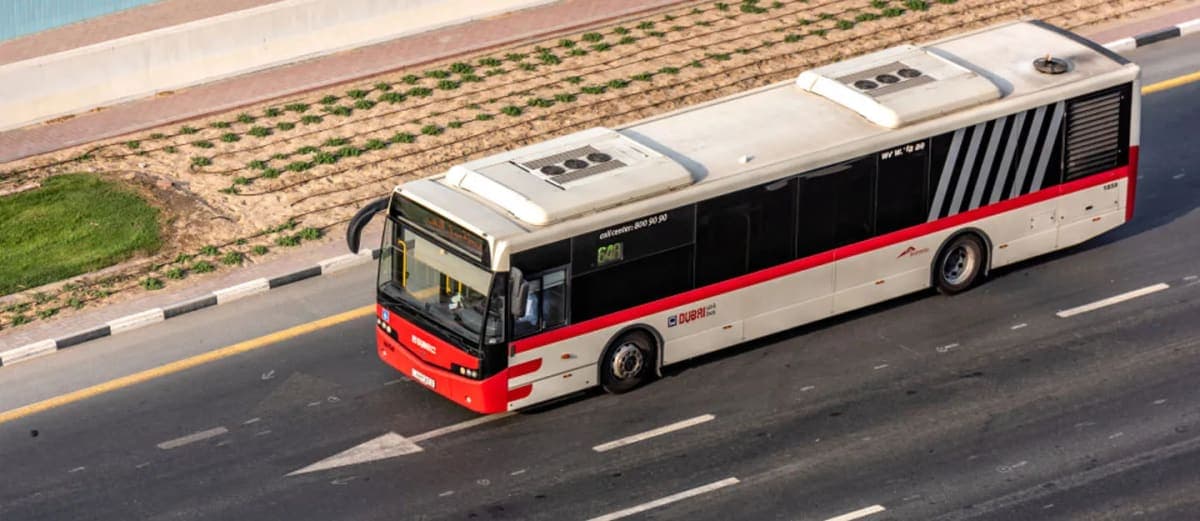
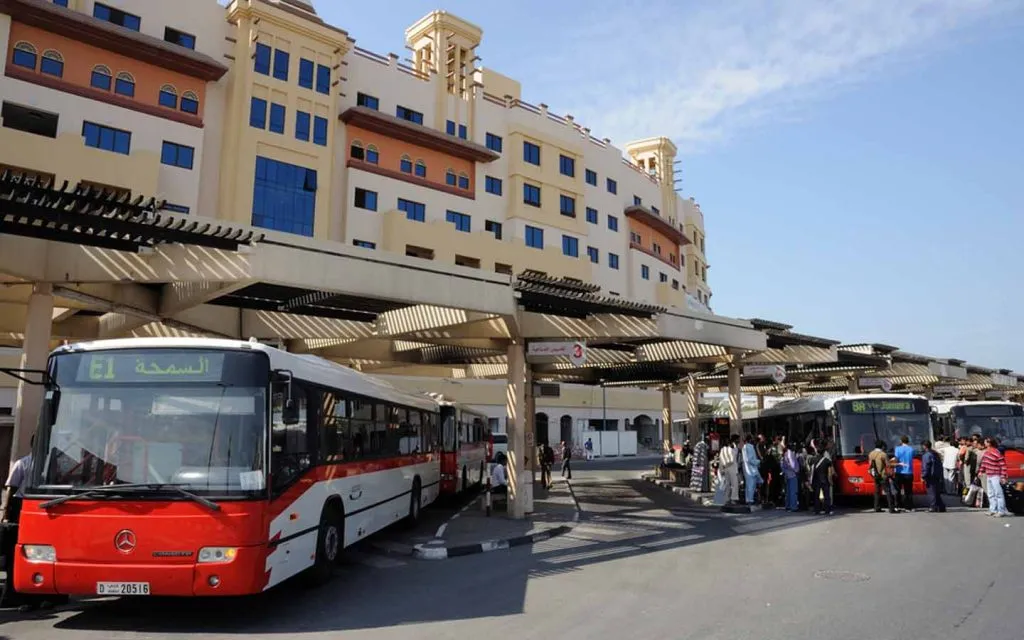
City buses are the most popular and budget-friendly option. They cover residential neighborhoods, commercial areas, and major attractions like Al Ain Mall, Al Ain Oasis, Al Ain Zoo, and Jebel Hafeet foothills.
How it works:
- Fare: Around AED 2 per ride within the city.
- Payment: Tap your Hafilat card when boarding.
- Comfort: All buses are fully air-conditioned, an essential feature during hot summer months.
- Stops: Well-marked bus stops with shaded shelters.
- Frequency: Buses run every 15–30 minutes, depending on the route and time of day.
Why use them?
For tourists, city buses provide an inexpensive way to explore Al Ain’s sights. For residents, they are a reliable mode of commuting to schools, offices, or government facilities. Since parking in central areas can be limited, many locals prefer public transport in Al Ain buses instead of driving.
3️⃣ Intercity & Regional Connections: Linking Al Ain to Other Emirates
One of the biggest advantages of public transport in Al Ain is its strong intercity connectivity. Many residents work or study in nearby cities and commute daily.
- Dubai ↔ Al Ain (E201): Runs from Dubai’s Al Ghubaiba Bus Station to Al Ain Central Bus Station. Travel time: 1 hr 45 mins to 2 hrs. Fare: AED 25–30.
- Abu Dhabi ↔ Al Ain (X90): Frequent service linking the capital with Al Ain.
- Sharjah ↔ Al Ain: Available through connecting routes.
These buses are affordable compared to driving and paying for fuel and tolls. They also save travelers from long hours behind the wheel, making them a sustainable extension of public transport in Al Ain.
4️⃣ Taxis & Ride-Hailing: Flexible Side of Public Transport in Al Ain
While buses are economical, taxis offer comfort and flexibility. In Al Ain, taxis are regulated by the Abu Dhabi Taxi system, ensuring safe and transparent services.
Taxi Highlights:
- Base Fare: AED 3.50 (day), AED 4.00 (night).
- Per km charge: About AED 1.80.
- Booking: Can be hailed on the street, booked by phone, or via the Abu Dhabi Taxi app.
- Ride-hailing: Apps like Careem and Uber also operate in Al Ain.
For families, night travel, or areas not directly served by buses, taxis act as an essential part of public transport in Al Ain. They also bridge the “last mile” gap between bus stations and final destinations.
5️⃣ Smart Cards & Pricing: Making Public Transport in Al Ain Seamless
The Hafilat smart card is central to modern transit in the UAE capital region.
- Card types: Rechargeable travel cards and disposable paper tickets.
- Where to buy: Available at ticket counters, bus stations, and vending machines.
- Unlimited passes: From 2025, commuters can get weekly or monthly unlimited travel for as little as AED 35, valid on city buses.
- Digital integration: Cards can be recharged via mobile apps, reducing the need for cash.
By centralizing fares, the Hafilat system ensures smoother journeys and makes public transport in Al Ain more attractive for regular users.
6️⃣ Non-Motorized & Micro-Mobility: Walking, Cycling & Scooters
Not all journeys require a bus or taxi. Many neighborhoods in Al Ain are walkable, especially during cooler months. Wide sidewalks, pedestrian crossings, and shaded paths encourage walking as a part of daily routines.
Although cycling culture is not as developed as in Dubai or Abu Dhabi, Al Ain is slowly introducing more bike-friendly areas. E-scooter pilots have been discussed as part of the UAE’s push for sustainable urban mobility.
While these options are supplementary, they are increasingly recognized as valuable components of public transport in Al Ain, particularly for short trips or connections between stops.
7️⃣ Special Travel Tips for Using Public Transport in Al Ain
To maximize convenience, here are insider tips for 2025:
- Use official apps – Check AdMobility’s mobile platforms for live schedules.
- Carry extra credit – Always keep your Hafilat card topped up.
- Travel off-peak – Avoid the morning and evening rush.
- Combine modes – Use buses for the main route and taxis for last-mile connections.
- Stay hydrated – Carry water during hot months when walking to stops.
- Follow etiquette – Priority seats for the elderly, women, and people of determination.
- Be Ramadan-aware – Timetables may change during the holy month.
- Explore passes – If you commute daily, consider buying a monthly pass to save money.
These practices will ensure your experience with public transport in Al Ain is smooth, safe, and cost-effective.
8️⃣ Future of Public Transport in Al Ain (2025 and Beyond)
The UAE government is actively investing in smarter mobility solutions. Plans include:
- Linking public transport in Al Ain with Etihad Rail, which is set to transform inter-emirate commuting by 2030.
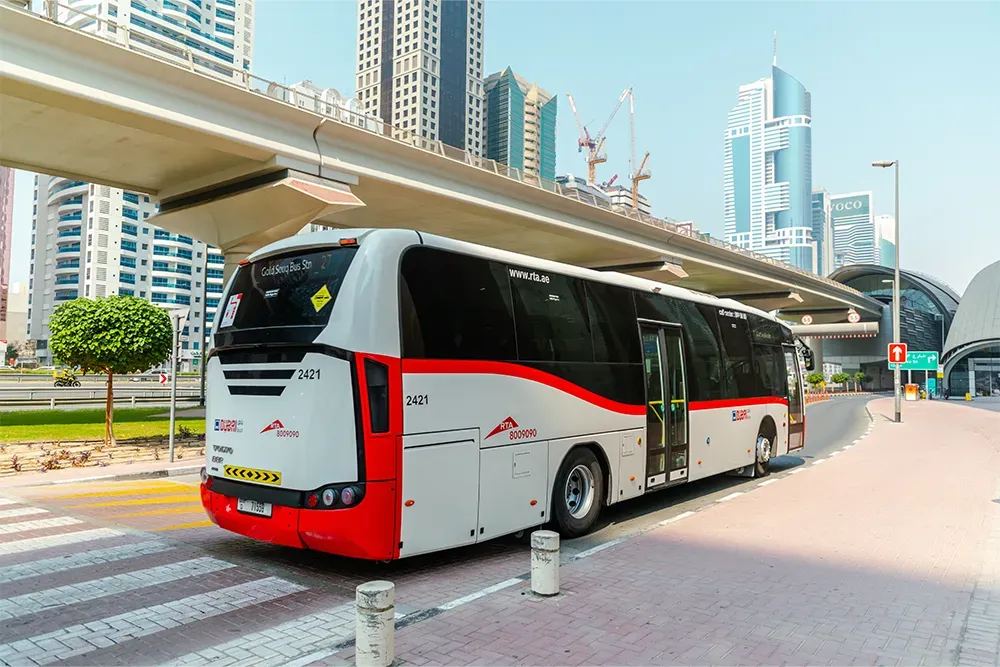
- Expansion of eco-friendly electric buses to reduce carbon emissions.
- Greater integration between buses, taxis, and ride-hailing apps through unified payment systems.
- Potential micro-mobility zones for bicycles and scooters.
With these developments, public transport in Al Ain will not only become more efficient but also contribute to the city’s sustainability goals.
✅ Conclusion
By 2025, public transport in Al Ain is expected to have evolved into a reliable, affordable, and smart alternative to driving. Whether you’re using city buses, hopping on the Dubai–Al Ain intercity line, booking a taxi through an app, or swiping your Hafilat card for unlimited rides, the options are plentiful.
The city’s transport infrastructure reflects a balance of tradition and modernity—just like Al Ain itself. For residents, it provides daily convenience; for visitors, it offers an easy way to explore landmarks without hassle. With upcoming projects like Etihad Rail and expanded e-mobility services, the future of public transport in Al Ain looks brighter than ever.
So next time you’re in the Garden City, skip the stress of driving and embrace the comfort of Al Ain’s public transport network.
🔗 External Links & References
- Abu Dhabi Mobility – Public Bus Service
- ExpatExchange – Transportation in Al Ain
- Wikipedia – Abu Dhabi Bus Service
- Dubai to Al Ain Bus Guide (E201)
- Times of India – Hafilat Unlimited Passes 2025
- UAE Government – Public Transport Info
Also Read: Cycling in Al Ain: Scenic Trails & Fitness Adventures 2025 Guide