Introduction
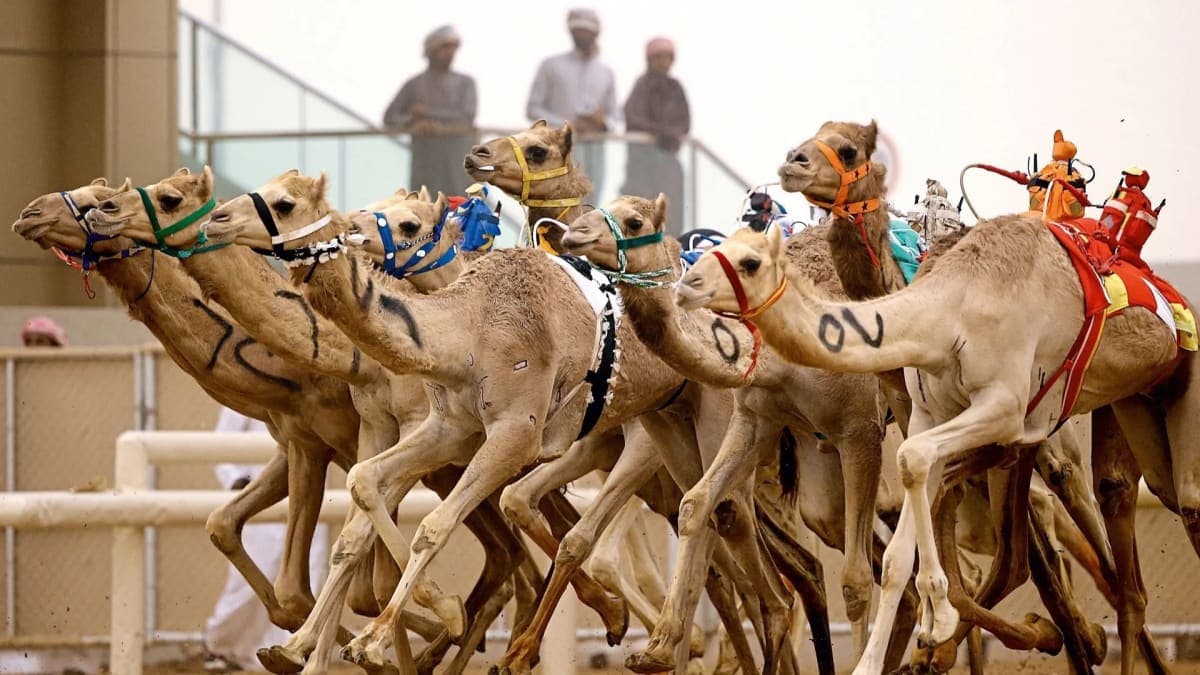
Among the many cultural treasures of the United Arab Emirates, Camel Racing stands out as a sport that is both ancient and futuristic. In Ras Al Khaimah (RAK), one of the most scenic and history-rich emirates of the UAE, camel races are not just athletic competitions but cultural gatherings that bring families, breeders, and tourists together. The long stretches of desert tracks echo with the pounding of camel hooves, while the atmosphere blends festive cheer with centuries-old Bedouin pride.
In 2025, despite rapid urban development and modernization across Ras Al Khaimah, Camel Racing is not only alive but thriving, supported by government initiatives, community enthusiasm, and international recognition. This article takes you through the history, venues, modern technologies, training traditions, seasonal schedules, and preservation efforts that make camel racing in RAK an experience worth witnessing.
1. 🐪 The Roots: Why Camel Racing Matters
The history of Camel Racing in Ras Al Khaimah is tied closely to the Bedouin way of life. Camels, often called the “ships of the desert,” were indispensable companions in the arid climate. They carried goods across vast trade routes, provided milk and meat, and offered endurance unmatched by other animals.
Bedouin tribes would often test the speed and stamina of their camels in informal desert races, which soon became social gatherings filled with music, storytelling, and hospitality. Winning a race was a matter of immense pride, enhancing the reputation of a family or tribe.
Today, Camel Racing represents not just a sport but a living memory of Bedouin resilience and identity. In 2020, camel racing across the Gulf region was recognized by UNESCO as part of the Intangible Cultural Heritage of Humanity, affirming its significance beyond borders. By 2025, the sport will continue to symbolize Emirati endurance, generosity, and unity.
2. 🏁 Where to Watch: Al Sawan and Other RAK Tracks
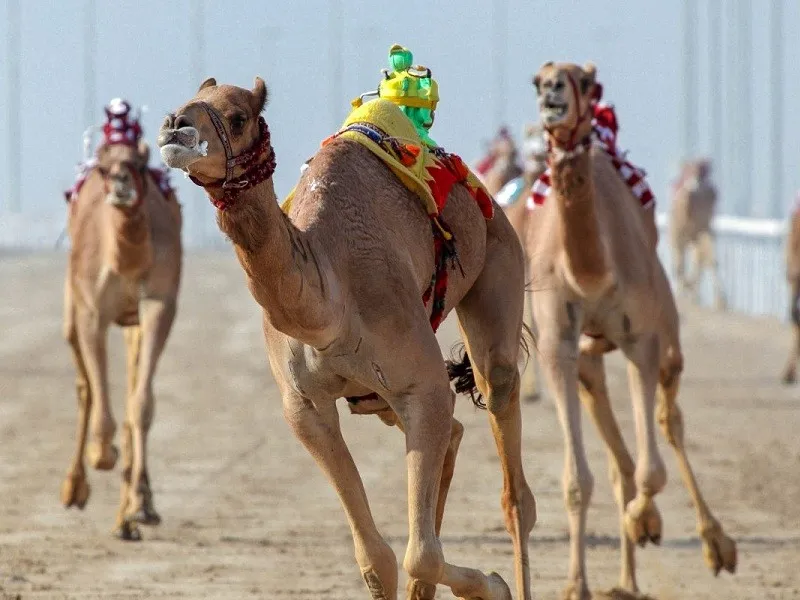
The heart of Camel Racing in Ras Al Khaimah is the Al Sawan Camel Race Track, located conveniently between Digdaga and Al Hamra. This sprawling desert track is a major hub where races are staged during the cool mornings of winter.
Al Sawan’s reputation extends across the UAE, with its tracks stretching several kilometres to test the camels’ endurance. Spectators gather on the roadside, often in four-wheel drives, following the camels as they sprint across the sandy expanse. For visitors, it’s both a thrilling race and a cultural performance — a reminder of how sport and heritage coexist in modern Ras Al Khaimah.
Other smaller tracks across the emirate also hold community-level competitions, where locals showcase their breeding skills and young camels get their first taste of racing.
3. 🤖 Tradition Meets Technology: Robot Jockeys and Welfare
One of the most remarkable changes in Camel Racing over the past two decades is the introduction of robot jockeys. In the past, lightweight child jockeys were used, but this raised ethical concerns and international scrutiny. By 2005, the UAE had banned child jockeys, replacing them with robot devices designed to be safe, humane, and efficient.
These robot jockeys are controlled remotely, with trainers driving parallel SUVs along the track. Equipped with GPS, wireless controls, and even whips (used gently under regulated limits), robot jockeys have transformed the sport. They ensure fairness, improve animal welfare, and allow Camel Racing to modernize while respecting tradition.
In Ras Al Khaimah, local workshops now specialize in producing, maintaining, and upgrading these robotic jockeys, blending innovation with heritage in a uniquely Emirati way.
4. 📅 Seasonality and Schedule: When to Go
For visitors hoping to catch a race, timing is everything. The Camel Racing season in Ras Al Khaimah typically runs from October through March, aligning with the UAE’s cooler weather. Races usually start at dawn, around 6:00 AM, to avoid midday heat, and often take place on Fridays and weekends.
The racing calendar is tied to national celebrations, such as the UAE National Day and heritage festivals, when larger-scale competitions are held. In 2025, RAK Tourism Authority will be promoting heritage-focused race weekends that combine the sport with traditional food stalls, craft displays, and cultural exhibitions.
For tourists, the best option is to check with local tourism offices or hotels in advance, as race dates are sometimes confirmed only a few weeks before.
5. 🧑🌾 Inside the Sport: Breeding, Training, and the People
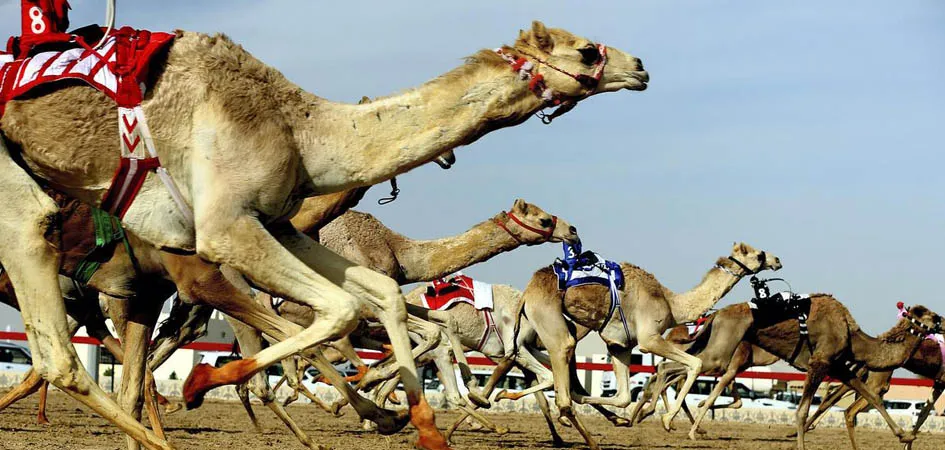
Behind every winning camel are years of dedication by breeders and trainers. The process of preparing camels for Camel Racing is as meticulous as training human athletes.
- Breeding: Selective breeding focuses on agility, stamina, and physique. Racing camels are often slimmer and taller than their cargo-carrying counterparts.
- Diet: Camels are fed nutrient-rich diets including dates, milk, honey, and herbal supplements to maintain peak health.
- Training: Young camels begin training at around two years old, gradually increasing their running distances under the supervision of experienced handlers.
- Healthcare: Veterinary teams ensure that camels are free of injuries and illnesses, with strict bans on performance-enhancing substances.
In Ras Al Khaimah, camel owners often belong to families with generations of experience in racing. Their deep connection to the animals ensures that the sport remains personal, respectful, and community-oriented.
6. 🎟️ Visitor Tips: How to Watch Responsibly
Attending a Camel Racing event in Ras Al Khaimah is an unforgettable cultural experience, but it’s important to do so respectfully. Here are some tips for 2025 visitors:
- Arrive early: Races begin at dawn, and the best viewing spots fill quickly.
- Follow safety rules: Stay within designated viewing areas; avoid approaching camels during preparation.
- Dress appropriately: Modest clothing, sunglasses, and hats are advisable.
- Engage respectfully: Ask questions politely if interacting with handlers or locals.
- Capture moments mindfully: Photography is allowed, but always ask permission before taking close-up shots of people.
- Go with a guide: Many tour operators in RAK offer cultural packages combining camel races with date farm visits or falconry shows, ensuring an educational experience.
By following these guidelines, spectators can enjoy the event while respecting local traditions.
7. 🏆 Festivals and Competitive Circuit
While weekly races attract local audiences, the true highlights of Camel Racing in Ras Al Khaimah are the heritage festivals and large-scale competitions.
- Heritage Festivals: These events often coincide with UAE National Day or other cultural celebrations, combining races with music, traditional markets, and folk performances.
- Prize Competitions: Winning camels can fetch millions of dirhams in prize money, with owners gaining prestige across the emirates.
- Regional Championships: Camels from Ras Al Khaimah often compete in inter-emirate tournaments, showcasing the emirate’s strong breeding programs.
These festivals transform the racing tracks into community hubs, where Emiratis and tourists mingle, creating a lively and welcoming atmosphere.
8. 🌱 Preservation, Education, and the Future
As the UAE continues its journey toward modernization, preserving traditional practices like Camel Racing is seen as vital. In 2025, RAK’s cultural institutions and schools are increasingly incorporating heritage education, including the history of camel racing, into their curricula.
Efforts include:
- Establishing camel museums and heritage centres in RAK.
- Organizing workshops where children learn about camel care and training.
- Promoting sustainable practices in breeding and racing to ensure long-term welfare.
- Collaborating with international bodies like UNESCO to maintain authenticity.
For the younger generation of Emiratis, Camel Racing is no longer just a pastime but a bridge to their roots in a rapidly globalized world.
Conclusion
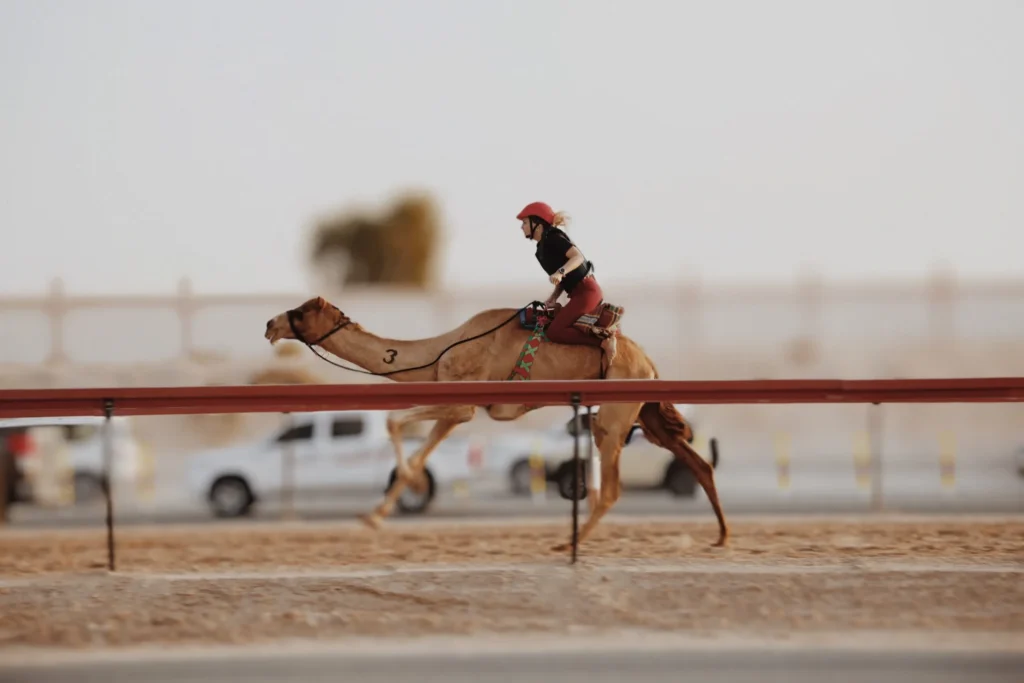
In Ras Al Khaimah, Camel Racing is more than an event; it’s a living celebration of heritage, community, and resilience. From the thunder of hooves at Al Sawan track to the innovative use of robot jockeys, the sport captures the spirit of a nation that treasures its past while embracing the future.
For visitors, watching a camel race offers an authentic window into Emirati culture — a blend of tradition, pride, and festivity. And for locals, it remains a unifying force, ensuring that the legacy of Bedouin endurance continues to inspire generations to come.
As Ras Al Khaimah balances progress with tradition in 2025, Camel Racing will undoubtedly remain at the heart of its cultural identity, proving that some traditions are not only alive but thriving.
Further reading & external links
- UNESCO – Camel Racing Heritage
- Visit Ras Al Khaimah – Al Sawan Camel Race Track
- RAKTA Events and Festivals
- Gulf News – UAE Heritage Sports
- Khaleej Times – Robot Jockeys in UAE Camel Racing
Also Read: Water Parks in Ras Al Khaimah