🌅 1. Introduction – Where Adventure Meets Conservation
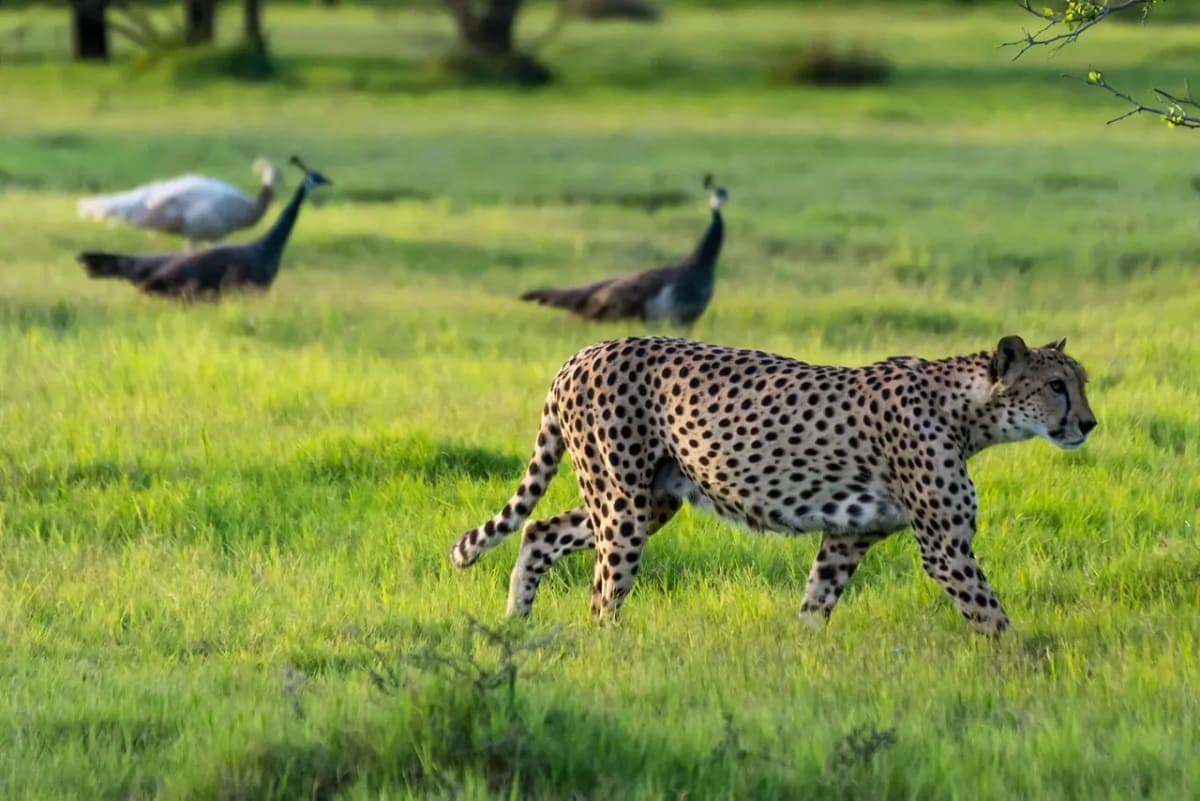
Few experiences stir the soul like spotting a cheetah in the wild. On Sir Bani Yas Island, that dream can come true. This natural sanctuary off Abu Dhabi’s coast has become one of the most fascinating destinations for cheetah sightings in the UAE. As the sun spills over golden dunes and acacia forests, the island whispers stories of restoration and wildlife rebirth.
In 2025, eco-tourism and conservation coexist here in perfect harmony. Every visitor who embarks on a safari through the Arabian Wildlife Park carries the hope of witnessing the planet’s fastest land animal – the cheetah – moving gracefully across the island’s savannahs.
Cheetah sightings on Sir Bani Yas are not staged spectacles but genuine wildlife moments that reflect years of dedicated rewilding efforts.
🏝️ 2. The Island of Life – Discovering Sir Bani Yas
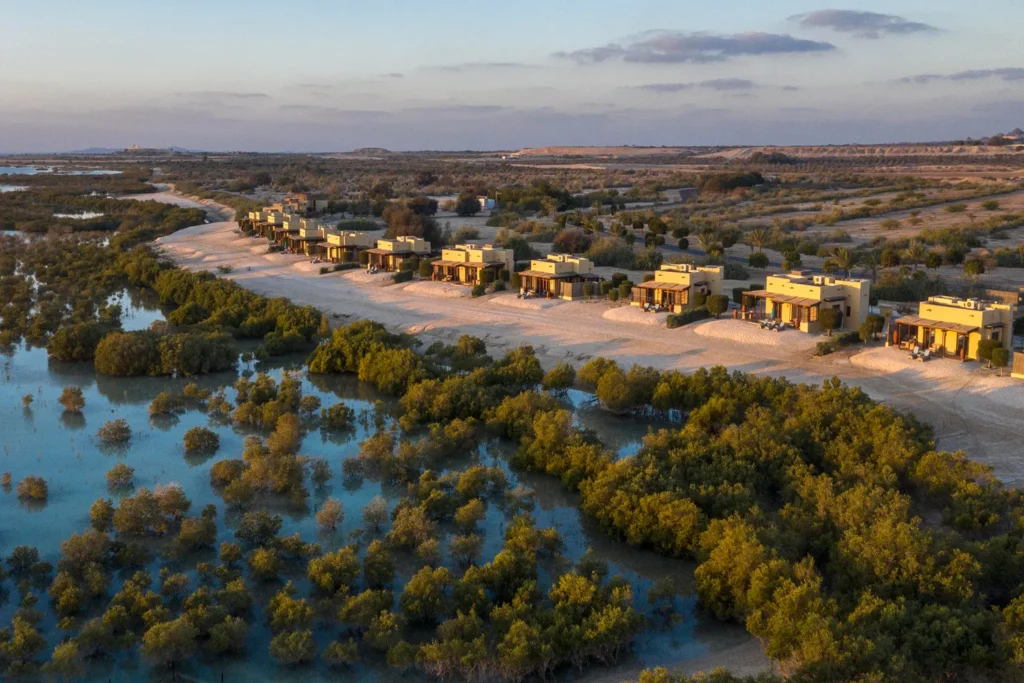
Sir Bani Yas Island is the largest natural island in the UAE and a model of environmental vision. Once a private retreat of the late Sheikh Zayed bin Sultan Al Nahyan, it was transformed into a living wildlife reserve where more than 11,000 animals roam freely today.
The island’s landscape blends rugged mountains, coastal mangroves, and vast plains – the perfect setting for cheetah sightings. Within the Arabian Wildlife Park, predators and prey share a balanced ecosystem. The graceful gazelles, the spirited ostriches, and the powerful cheetahs all thrive under careful management by specialist teams.
For travelers, this means a chance to witness not just wildlife but the result of decades of sustainable planning. Cheetah sightings here are a reminder of what happens when humans choose to protect rather than exploit nature.
🌍 3. How Cheetah Sightings Became a Reality
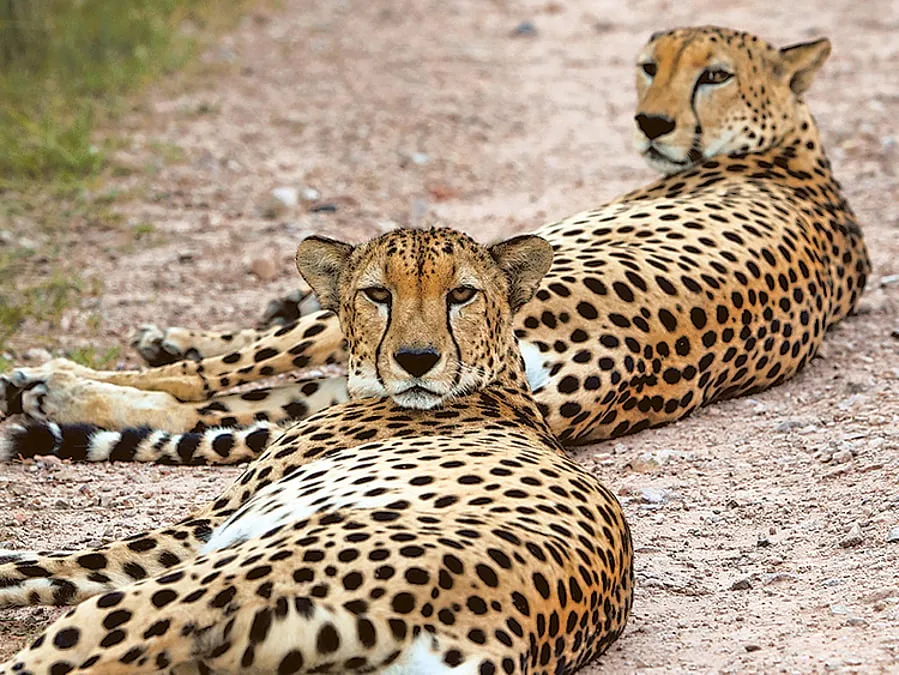
The presence of cheetahs on Sir Bani Yas Island is the fruit of a visionary conservation initiative. These magnificent animals were reintroduced as part of a project to restore balance to the Arabian ecosystem. Unlike zoo enclosures, the cheetahs here roam free within vast, natural boundaries.
In recent years, the programme has shown success with cheetah births and stable populations recorded by rangers. Each new generation adds to the possibility of future cheetah sightings, making Sir Bani Yas one of the region’s most hopeful wildlife projects.
Behind the scenes, scientists and veterinarians ensure that the cheetahs remain healthy and adapted to the island’s climate. Tour guides track movements through safe, non-invasive methods so visitors can enjoy authentic cheetah sightings without disturbing their natural behaviour.
🕶️ 4. Where and When to See Cheetahs in Action
Timing is everything for memorable cheetah sightings. The Arabian Wildlife Park covers about half of the island, and only guided 4×4 safari vehicles can enter its heart. Visitors depart from luxury resorts early in the morning or late in the afternoon when temperatures cool and wildlife is most active.
Cheetahs prefer open plains and rocky valleys where they can spot their prey from a distance. Their movements are graceful yet unpredictable – every glimpse feels like a reward earned by patience.
If you’re lucky, your guide might spot fresh tracks on the sand or see a cheetah resting beneath a ghaf tree. Even without a confirmed encounter, just knowing you share space with these apex hunters is a thrilling part of the experience.
During cooler months (November to March), the chance for cheetah sightings increases as the animals hunt more actively in daylight hours.
🚙 5. What to Expect on a Wildlife Safari
Your journey toward cheetah sightings begins with a guided safari through the Arabian Wildlife Park. Guests board custom vehicles with panoramic roofs and expert guides who share facts about each species. The air smells of desert herbs and sea salt, the sound of the wind mingling with bird calls.
Tours usually last around two hours, passing herds of oryx, antelopes, and ostriches before entering predator territory – the realm where cheetah sightings might unfold. Every moment feels alive with anticipation.
Guides use their experience to identify subtle signs of movement and maintain safe distances. Guests are encouraged to stay quiet and avoid sudden gestures. Those who follow the rules of respect often get the most rewarding encounters.
The first time you see a cheetah gliding through tall grass is a memory that never fades. Its sleek form, amber eyes, and fluid motion capture the essence of the wild spirit that Sir Bani Yas works so hard to protect.
🧭 6. Expert Tips for Successful Cheetah Sightings
If you’re planning your visit specifically for cheetah sightings, these expert tips can maximize your chances:
- Book early morning or sunset safaris when cheetahs are most active.
- Choose a multi-day stay to allow more tour opportunities.
- Pack binoculars and a good camera with a telephoto lens.
- Wear neutral colors like beige or khaki to blend with the environment.
- Trust your guide – they often know recent movement areas.
- Stay silent when wildlife appears; noise can end a sighting in seconds.
- Respect park rules; your conduct ensures future visitors also enjoy cheetah sightings.
Patience is key – sometimes you wait an hour for a few magical seconds of movement. But those seconds become stories you carry forever.
🌿 7. Cheetahs and the Bigger Conservation Story
Every confirmed cheetah sighting on Sir Bani Yas is a chapter in a larger story – one of hope for biodiversity in the Arabian Peninsula. The reintroduction programme has restored a natural predator-prey balance, keeping herbivore populations healthy and ecosystems stable.
The presence of cheetahs also inspires younger generations to appreciate wildlife and support environmental initiatives across the region. By choosing ethical eco-tourism and spreading awareness, visitors play a small but important role in sustaining future cheetah sightings.
The success of Sir Bani Yas Island proves that wild predators can live peacefully within human-managed reserves – a beacon for global conservation models.
🏨 8. Planning Your Visit – Access and Accommodation
Reaching Sir Bani Yas Island is a journey in itself. Travelers drive from Abu Dhabi to Jebel Dhanna Port (about 2.5 hours), where a ferry transfers visitors to the island. Most safaris are organized through luxury resorts such as Anantara Sir Bani Yas Island Resort, which offers exclusive packages that include wildlife tours, meals, and guided excursions.
Staying overnight is highly recommended to enjoy multiple opportunities for cheetah sightings across different times of day. Resorts also offer horse riding, kayaking, and nature walks for those who wish to immerse themselves in the island’s tranquil landscape.
Visitors are advised to book safaris in advance, especially during peak seasons (November to March). Light cotton clothing, sun protection, and a spirit of adventure are must-haves. Even if you don’t catch a cheetah on your first drive, the wild beauty and serenity of the island will make the journey worthwhile.
🌞 9. Conclusion – A Journey Worth Taking
Whether you see a cheetah streak across the plains or walk the same paths it has traversed, cheetah sightings on Sir Bani Yas Island offer an unforgettable connection to the wild heart of the Emirates.
In 2025, this island stands as a symbol of what is possible when human vision meets ecological care. Every visitor who sets foot here contributes to a legacy of protection and pride.
So if you seek more than a vacation – if you desire a moment of wonder and purpose – Sir Bani Yas Island awaits you with its gentle winds, golden horizons, and the ever-possible thrill of cheetah sightings.
🔗 External References for Further Reading
- Sir Bani Yas Island – Official Abu Dhabi Tourism Guide
- Etihad Airways Travel Guide to Sir Bani Yas Island
- WAM Report – Cheetah Cubs Born on Sir Bani Yas Island (2025)
- Arabian Wildlife Park Information – Airial Travel Abu Dhabi
- Wikipedia – Sir Bani Yas Island Overview
Ultimate Sir Bani Yas Island Map & Location Guide 2025: Explore the Hidden Paradise of Abu Dhabi