🌍 1. Introduction to the History of Sir Bani Yas Island
The History of Sir Bani Yas Island is a remarkable story that reveals how geography, culture, religion, and visionary leadership can shape a land over thousands of years. Situated about 170 kilometers southwest of Abu Dhabi, this natural island is the largest in the UAE and has always held strategic significance.
Today, travelers recognize Sir Bani Yas for its luxury resorts, wildlife safaris, and archaeological treasures, but its legacy runs far deeper. From prehistoric settlements and maritime trading posts to Sheikh Zayed’s ecological revolution, the history of Sir Bani Yas Island mirrors the resilience and innovation of the Emirati people.
🏺 2. Ancient Origins and Archaeological Discoveries
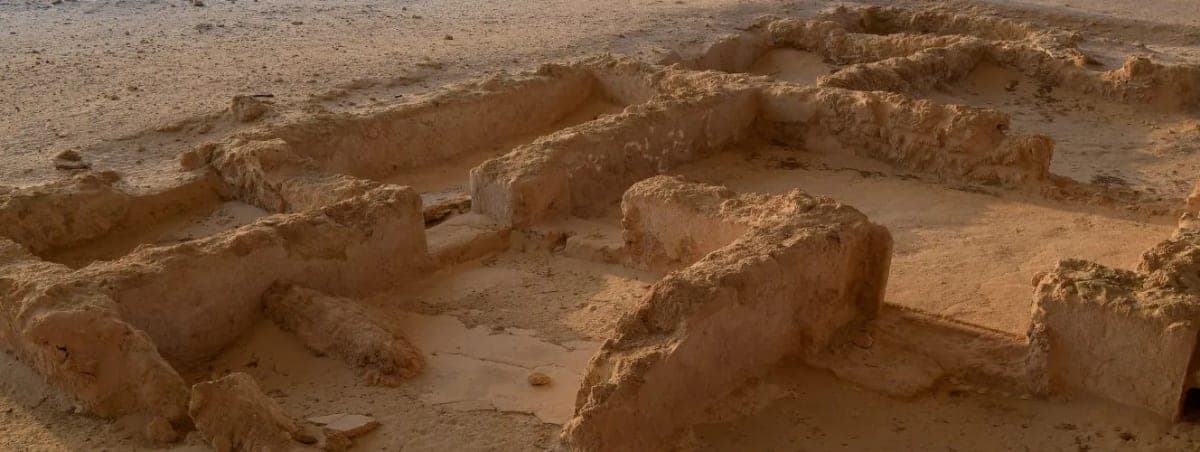
The History of Sir Bani Yas Island stretches back over 7,000 years, making it one of the oldest known human-inhabited sites in the Arabian Gulf. Archaeologists working with the Abu Dhabi Department of Culture and Tourism have uncovered tools, stone carvings, pottery fragments, and remnants of early dwellings.
✨ The Christian Monastery (6th century CE):
- Built by Nestorian monks, the monastery is the only known Christian site in the UAE.
- It functioned as both a spiritual retreat and a hub for seafaring pilgrims.
- Rediscovered in 1992, it offers a glimpse into pre-Islamic religious traditions.
These discoveries affirm that the History of Sir Bani Yas Island is not just regional but part of a global narrative of faith, trade, and migration.
⚓ 3. The Island’s Role in Maritime Trade
Throughout antiquity, the History of Sir Bani Yas Island was closely tied to maritime trade routes that connected Mesopotamia, Persia, India, and East Africa. The island’s natural harbors made it a convenient rest stop for sailors navigating the treacherous Gulf waters.
- Pearl Commerce: The Arabian Gulf’s reputation as a pearl hub was unmatched. Pearls harvested near Sir Bani Yas were traded as far as Europe and China.
- Spice and Incense Routes: Merchants carried frankincense and spices, making the island a vibrant point of cultural exchange.
- Strategic Stopover: Ships used the island to replenish supplies of fresh water and fish.
This role in global commerce ensured that the History of Sir Bani Yas Island was never isolated but deeply interconnected with international trade.
💎 4. The Pearl Diving and Fishing Era
For centuries, the History of Sir Bani Yas Island revolved around pearl diving and fishing. Local tribes built boats (dhows) to dive for oysters, a profession passed down from generation to generation.
- Pearl divers faced extreme risks, diving without modern equipment.
- Pearls were symbols of wealth, beauty, and prestige across empires.
- Fishing settlements thrived on the island’s abundant marine resources.
Even though the natural pearl industry declined in the 20th century due to Japanese cultured pearls, the History of Sir Bani Yas Island preserves the memory of a time when pearls were the lifeblood of the Gulf economy.

🕌 5. The Islamic Era and Religious Significance
With the advent of Islam in the 7th century, the History of Sir Bani Yas Island entered a new chapter. Christian communities gradually faded, and Islamic culture and traditions became dominant.
- Archaeological remains show simple prayer sites built for fishermen and travelers.
- The island often served as a resting point for seafarers making their way to the holy city of Mecca.
- Oral histories suggest that tribes used the island for seasonal gatherings and trade fairs.
This continuity demonstrates how the History of Sir Bani Yas Island bridges both Christian and Islamic eras, making it a rare cultural crossroad.
🌳 6. Sheikh Zayed’s Vision and Transformation (1971 Onwards)
The most revolutionary moment in the History of Sir Bani Yas Island occurred when Sheikh Zayed bin Sultan Al Nahyan, the founding father of the UAE, adopted it as his ecological vision.
🌱 Key Initiatives by Sheikh Zayed:
- Greening the Desert: He ordered the planting of millions of trees to combat desertification.
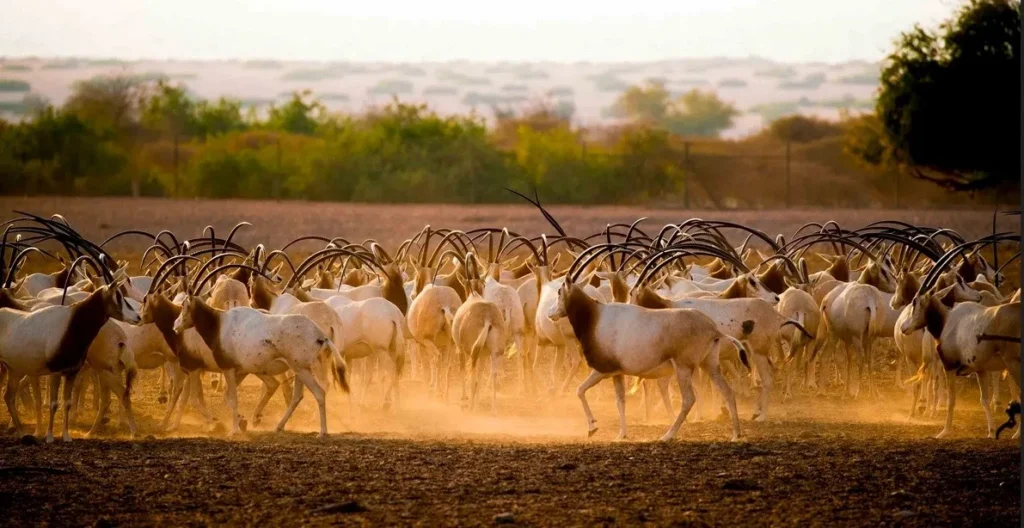
- Wildlife Conservation: He introduced endangered species like the Arabian Oryx, ensuring their survival.
- Private Retreat to Public Legacy: Originally a royal retreat, the island was later developed into a heritage and eco-tourism destination.
Sheikh Zayed’s commitment to sustainability transformed the History of Sir Bani Yas Island into a pioneering story of environmental stewardship in the Arabian Gulf.
🦓 7. Development into a Wildlife and Eco-Tourism Destination
Today, the History of Sir Bani Yas Island continues through its role as a premier eco-tourism site. The Arabian Wildlife Park, covering over 55 square kilometers, offers visitors a chance to witness giraffes, cheetahs, ostriches, and hyenas roaming freely.
🏞️ Modern Attractions Include:
- Luxury Resorts: Operated by Anantara, providing eco-luxury experiences.
- Adventure Tourism: Activities like mountain biking, kayaking, snorkeling, and safari drives.
- Educational Tours: Programs that educate visitors about conservation and archaeology.
This sustainable model ensures that the History of Sir Bani Yas Island is not just preserved but actively shared with global travelers.
🏛️ 8. Cultural Preservation and Modern Legacy
A unique aspect of the History of Sir Bani Yas Island is how its ancient and modern identities coexist.
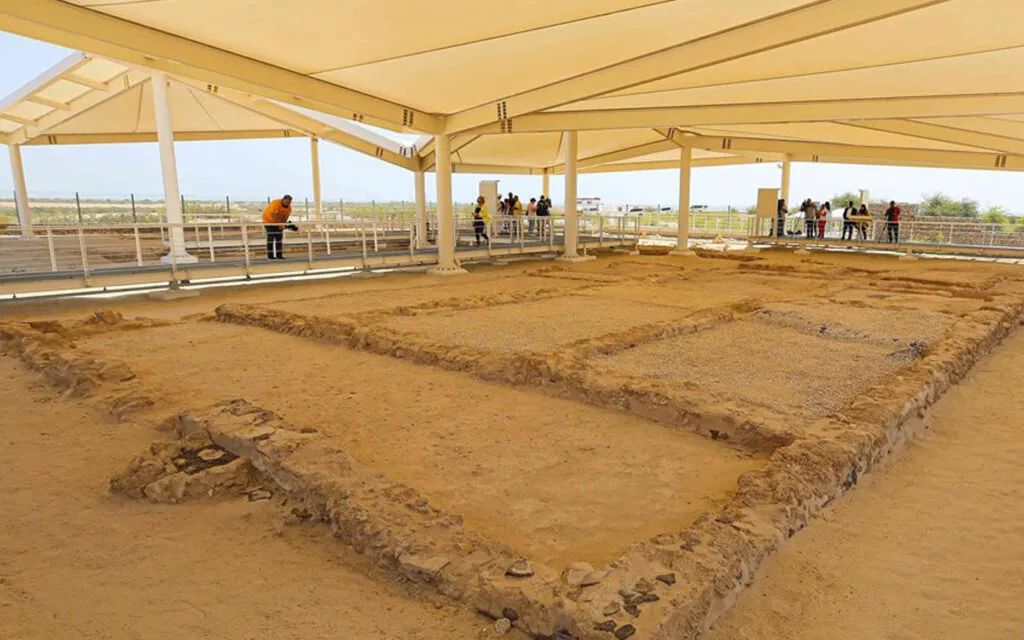
- The Christian monastery was carefully preserved and is open to visitors, making it a living museum.
- Archaeological tours allow guests to connect with the island’s deep history.
- Emirati cultural heritage, including traditional dhow building and falconry, is highlighted in tourism initiatives.
By safeguarding the past while embracing modern tourism, the History of Sir Bani Yas Island represents a harmonious balance of legacy and innovation.
🌟 9. Conclusion: A Timeless Legacy
The History of Sir Bani Yas Island is a journey of transformation—beginning with prehistoric communities, thriving through trade and pearl diving, shaped by religion, and elevated by Sheikh Zayed’s vision. Today, the island is a model of conservation, cultural preservation, and eco-tourism.
It stands not just as an island but as a symbol of resilience and renewal, embodying the spirit of the UAE’s journey from tradition to modernity. The History of Sir Bani Yas Island is, therefore, not just about the past—it is a living, breathing story still unfolding in 2025 and beyond.
🔗 External References and Sources
For further details about the History of Sir Bani Yas Island, explore:
- Visit Abu Dhabi – Sir Bani Yas Island
- Arabian Wildlife Park – Sir Bani Yas Island
- UNESCO World Heritage UAE Sites
- National Geographic on Arabian Gulf Islands
Also Read: Maldives of the UAE: 7 Stunning Reasons Why Sir Bani Yas Island is the Ultimate Arabian Paradise