🌆 Introduction
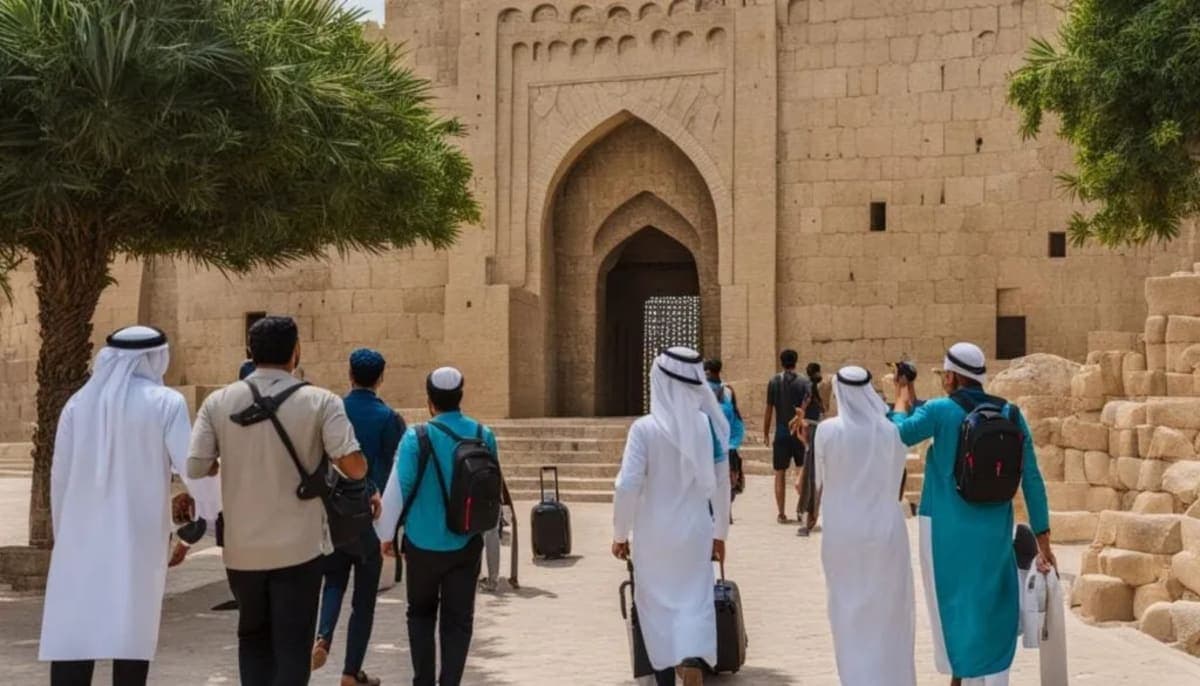
Ajman, one of the seven emirates of the United Arab Emirates, is a blend of timeless traditions and modern advancements. While it may be smaller in size compared to its neighboring emirates, its cultural depth is immense.
Understanding the norms in Ajman is vital for anyone visiting, living, or doing business here. From greetings and hospitality to dress codes and dining manners, every aspect reflects the Emirati values of respect, community, and faith. This guide will walk you through the most important norms in Ajman that shape daily life and interactions.
1️⃣ Respecting Religion and Islamic Practices
Religion is the foundation of Emirati society, and in Ajman, Islamic customs are deeply respected. Visitors should be aware that Friday is the holy day of the week, and during prayer times, many businesses and government offices pause operations briefly.
One of the most important norms in Ajman is observing quiet and respectful behavior during prayer calls (Adhan). Non-Muslims are not expected to pray, but it is courteous to avoid loud conversations or music at that time. During the holy month of Ramadan, eating, drinking, or smoking in public during daylight hours is prohibited. This reflects respect for fasting Muslims, a core value among the norms in Ajman.
2️⃣ Traditional Emirati Greetings and Etiquette
Greetings in Ajman are more than just a formality — they are an essential part of building trust and mutual respect. Among the key norms in Ajman is greeting elders first as a sign of respect. A simple handshake is common among men, while greetings between men and women are often more reserved unless the woman initiates.
Expressions like “As-salamu Alaikum” (Peace be upon you) are widely used and convey goodwill. Maintaining politeness and patience during introductions is crucial. Being too rushed or overly casual may be seen as disrespectful according to the norms in Ajman.

3️⃣ Dress Code and Modesty
Modesty is a defining element of the norms in Ajman. Both locals and visitors are expected to dress conservatively, especially in public areas, malls, mosques, and government buildings. Men should avoid sleeveless shirts, and women are encouraged to wear clothes that cover their shoulders and knees.
While swimwear is allowed at private beaches and hotel pools, wearing revealing clothes in public spaces may attract unwanted attention or even fines. Adhering to these norms in Ajman not only shows cultural awareness but also fosters mutual respect between residents and tourists.
4️⃣ Hospitality and Social Interactions
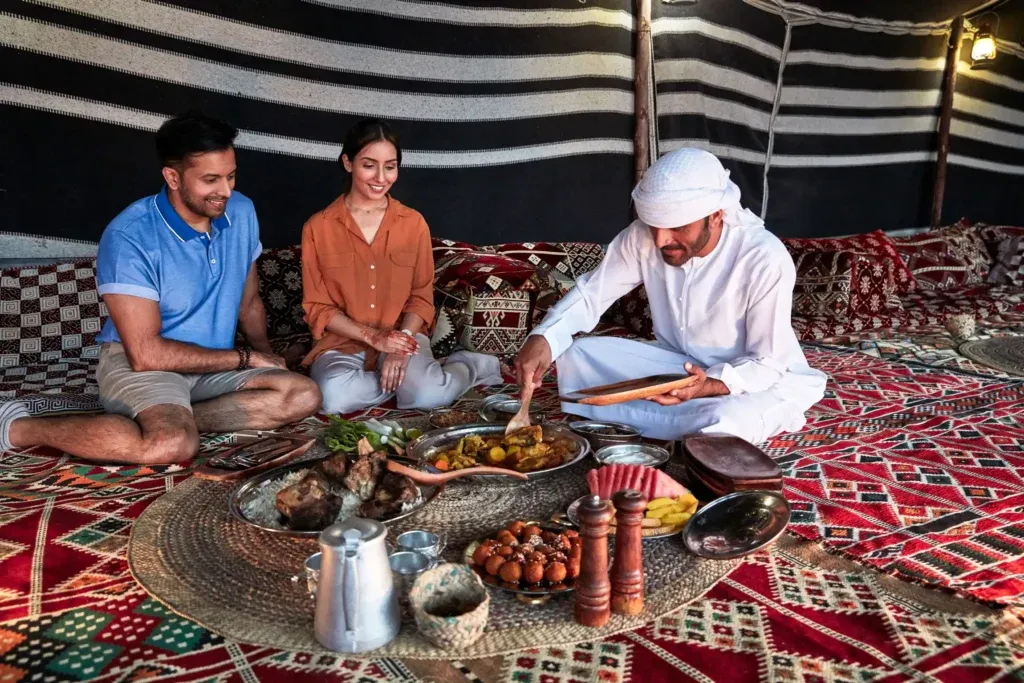
Emirati hospitality is world-renowned. Offering guests food, coffee, or dates is a cherished tradition that continues to define the norms in Ajman. When invited to someone’s home, it is polite to remove your shoes before entering and accept refreshments with your right hand.
Refusing food or drinks may be seen as impolite, so even a small sip or bite is appreciated.
In line with norms in Ajman, it’s courteous to compliment your host and show gratitude. Social interactions are often warm and respectful, and conversations usually begin with questions about one’s well-being before any business talk.
5️⃣ Public Behavior and Conduct
Public behavior reflects one’s respect for the community. Among the most important norms in Ajman is maintaining decorum in public spaces. Displays of affection such as hugging or kissing between couples are frowned upon and may be subject to penalties. Loud arguments or aggressive gestures are also considered disrespectful.
Alcohol consumption is restricted to licensed venues, and being intoxicated in public is strictly prohibited. These norms in Ajman ensure that the emirate remains a safe, family-friendly, and culturally harmonious place.
6️⃣ Dining Etiquette and Food Traditions
Dining in Ajman follows traditional Arab customs with a focus on sharing and generosity. One of the central norms in Ajman is eating with the right hand, as the left hand is considered unclean. Meals are often served on large platters for everyone to share, symbolizing unity and hospitality.
It’s also customary to wait for the host to invite everyone to start eating.
Complimenting the food and thanking the host after the meal are polite gestures that align with the norms in Ajman. Pork and non-halal foods are forbidden, and visitors should always confirm if the meal is halal before consuming.
7️⃣ Gender Interaction and Privacy
Gender roles and privacy are deeply embedded within the norms in Ajman. While men and women work and study together in modern settings, conservative boundaries are still respected. Public spaces often have family sections to accommodate cultural preferences.
It is polite to avoid prolonged eye contact or physical gestures like touching, especially with members of the opposite gender. Understanding these norms in Ajman helps prevent misunderstandings and ensures that interactions remain respectful and appropriate.
8️⃣ Festivals, Traditions, and Local Customs
Ajman celebrates several cultural and religious festivals that highlight the emirate’s heritage and faith. Eid al-Fitr and Eid al-Adha are among the most significant events, marked by prayers, charity, and family gatherings. Participating or observing these events respectfully is one of the enriching ways to experience the norms in Ajman.
Visitors are also encouraged to attend cultural festivals such as the Ajman Heritage Festival, which showcases local crafts, dances, and cuisine. These occasions reflect how the norms in Ajman blend history, faith, and modern identity.
9️⃣ Business Etiquette and Professionalism
When it comes to business culture, professionalism in Ajman goes hand in hand with courtesy. Meetings usually begin with small talk and coffee before getting into official discussions. Punctuality is respected, but patience is equally important as schedules may be flexible.
Among the norms in Ajman, showing respect to senior officials, using polite language, and maintaining calm body language are highly valued. Exchanging business cards with the right hand and avoiding overly direct negotiation tactics align with Emirati etiquette.
🔟 Respecting Local Laws and Authority
Adhering to laws and regulations is an integral part of the norms in Ajman. The emirate upholds strict rules regarding behavior, dress, and communication. Public photography should be done carefully — taking pictures of government buildings, military areas, or people (especially women) without consent is forbidden.
Respecting law enforcement officers and following their instructions is crucial. These legal norms in Ajman ensure peace, security, and mutual respect within the community.

🌙 Conclusion
Understanding and practicing the norms in Ajman is more than just following rules — it’s about embracing the spirit of Emirati culture. Whether you are a resident, tourist, or professional, respecting these values enriches your experience and deepens your connection to the community.
From traditional greetings and modest attire to social manners and religious respect, the norms in Ajman guide interactions in a way that preserves dignity and harmony.
Ajman continues to thrive as a destination that balances heritage with progress. By respecting the norms in Ajman, you contribute to the emirate’s welcoming and respectful environment, making your stay both meaningful and memorable.
Also Read: Best Picnic Spots in Ajman for Families to Relax and Reconnect