1️⃣ 🏙️ Introduction to Sharjah as a place to live
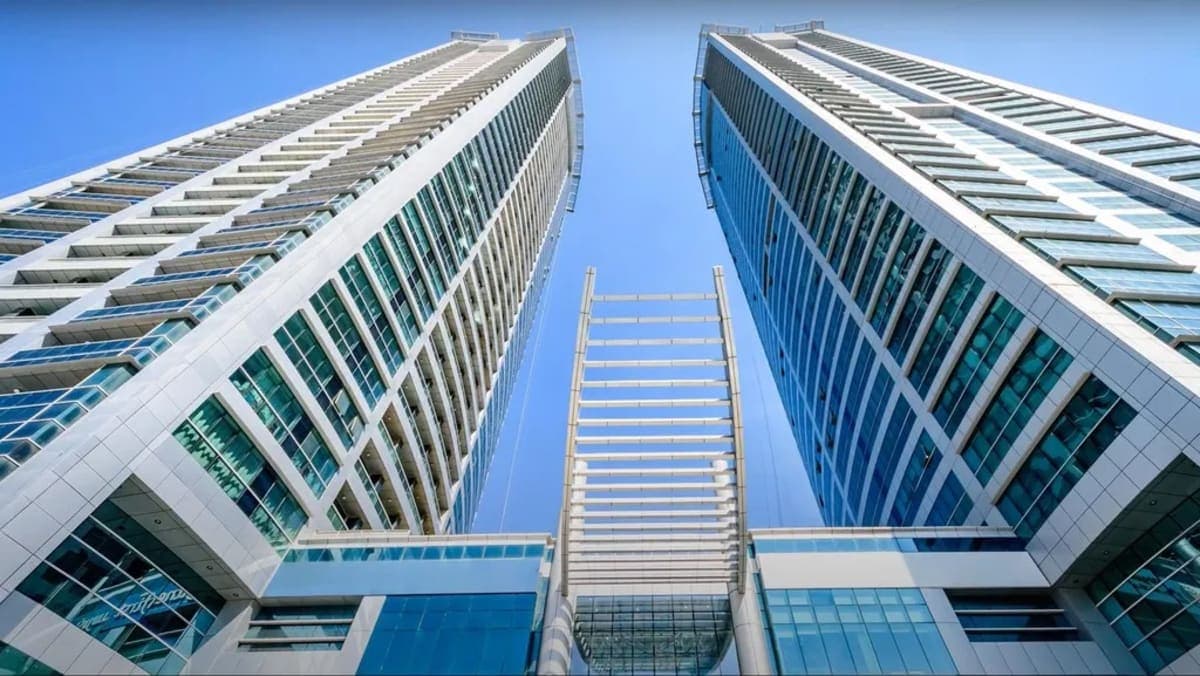
Sharjah is the third largest emirate in the UAE, home to around 1.8 million people and supported by a growing economy centred on culture, trade, and industry, according to official statistics. The most recent census counted about 244,000 occupied housing units and more than 340,000 households across the emirate, including both Emirati and expatriate families, which highlights the scale of demand for homes. Residential areas in Sharjah have expanded from traditional districts along the corniche to new master planned communities with schools, malls, and green spaces.
2️⃣ 📊 Snapshot of the housing market
Before diving into specific residential areas in Sharjah, it helps to understand the wider market. Recent census releases describe a housing stock dominated by apartments in multi-storey buildings, alongside tens of thousands of villas and traditional houses, accommodating a mix of local and expatriate families. In parallel, analysts and real estate portals report that locations such as Muwaileh, Al Majaz, Al Khan, and Al Nahda are among the most searched and heavily demanded districts for families and professionals. Rents in these hotspots have risen since 2023, although Sharjah still offers noticeably lower average housing costs than comparable communities in Dubai.
Online property portals show that typical apartment rents in the emirate now average a little above fifty thousand dirhams per year, with studios and one-bedroom units often starting below that figure and larger, newer or seafront homes priced higher. As a result, Sharjah neighbourhoods cater to a broad mix of budgets, from value-focused renters to buyers looking for long-term investments.
3️⃣ 🌊 Al Majaz and the corniche: waterfront family favourites
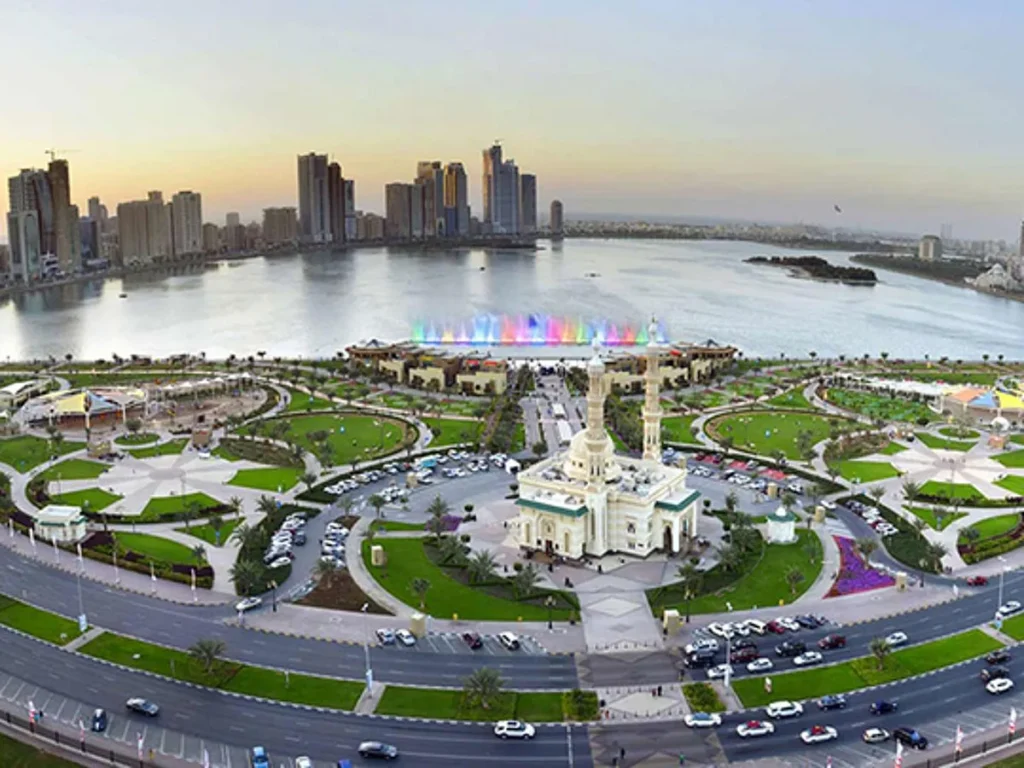
Al Majaz is one of the best-known residential areas in Sharjah, wrapping around Khalid Lagoon with parks, jogging tracks, and the musical fountain. It is frequently highlighted in family-focused guides for its scenic waterfront, playgrounds, and community events. Families choose the area for its blend of mid and high-rise apartments, many with water views and easy access to cafés, restaurants, and walkable public spaces along the corniche.
Housing in Al Majaz ranges from compact older apartments to modern towers that include gyms, play areas, and basement parking. Because of its central location and waterfront lifestyle, the district can be slightly more expensive than purely residential suburbs, and it remains popular with both long-term residents and newcomers, compared to different parts of the city for their first move.
4️⃣ 🚉 Al Nahda and Al Taawun: ideal for Dubai commuters
Close to the Dubai border, Al Nahda and neighbouring Al Taawun stand out among residential areas in Sharjah for people who work in Dubai but prefer Sharjah’s more affordable rents. Property guides consistently describe them as budget-friendly high-rise districts with quick access to Dubai, schools, and supermarkets. Tall residential towers line the main roads, often within walking distance of daily services, clinics, and nurseries, and many buildings are marketed as family only, with layouts suited to households rather than large groups of unrelated tenants.
The area offers a wide selection of mid-range apartments, from studios to four-bedroom units. Residents value the relatively quick access to Dubai via Al Ittihad Road and the nearby bus routes, though peak-hour traffic can still be heavy. For households that prioritise budget and proximity to Dubai over beachfront views, Al Nahda and Al Taawun remain high on the list when comparing residential areas in Sharjah.
5️⃣ 🎓 Muwaileh, University City, and Al Zahia: education and suburban living
On the interior side of the emirate, Muwaileh and the wider University City area have become some of the most sought-after residential areas in Sharjah for families with children. Property portals regularly rank Muwaileh as a top choice for family living, thanks to its concentration of schools and relatively affordable mid-range homes. The district clusters many of Sharjah’s private schools and universities, which keeps daily school runs short and gives the neighbourhood a strong community atmosphere during term time.
Housing here includes newer mid-rise apartments as well as community-style developments such as Al Zahia, which offers townhouses and villas in gated streets with pools, parks, and clubhouses. These features make the area attractive for residents moving out of older central buildings into more spacious homes while still staying within Sharjah, and for Dubai workers who prefer a suburban lifestyle and do not mind a longer commute in exchange for these kinds of residential areas in Sharjah.

6️⃣ 🏗️ Al Khan and the Al Qasba corridor: lifestyle by the sea
Al Khan stretches along the coast between Sharjah and Dubai and is another of the prominent residential areas in Sharjah for those who like to live near the sea. Guides aimed at families often describe Al Khan as a beachside district with easy access to schools, shopping, and healthcare facilities, as well as Sharjah Aquarium and nearby leisure attractions. Tall towers overlook the shoreline and canal, many offering large windows, balconies, and shared facilities such as gyms and pools.
Because of the coastal setting, rental prices can be higher than in purely inland residential areas in Sharjah, especially for units with direct sea views. However, many residents see this as good value compared with similar locations across the border. For people who want an active lifestyle with weekend walks by the water, Al Khan and the surrounding corridor remain a strong contender.
7️⃣ 🌳 Master planned communities: Aljada, Masaar, and Tilal City
Over the past few years, Sharjah has seen the rise of large master planned communities that are reshaping how residential areas in Sharjah are developed. Aljada, located near University City and Sheikh Mohammed Bin Zayed Road, is promoted as a new downtown spanning about twenty-four million square feet with around twenty-five thousand homes, a long retail boulevard, offices, schools, and extensive green spaces. Its mix of apartments, townhouses, and villas attracts both investors and end users who want a walkable urban lifestyle in a modern setting.
Further inland, Tilal City and the Masaar community focus on greenery and villa living. Masaar is planned as a residential sanctuary of seven gated neighbourhoods linked by a forested central spine, with townhouses and villas that include smart home features and direct access to parks. The wider Tilal City master development offers plots and communities close to Emirates Road and Maliha Road, positioning this corridor as one of the more premium residential areas in Sharjah for buyers who prioritise space, privacy, and nature.
8️⃣ 🌱 Next generation sustainable communities in Sharjah
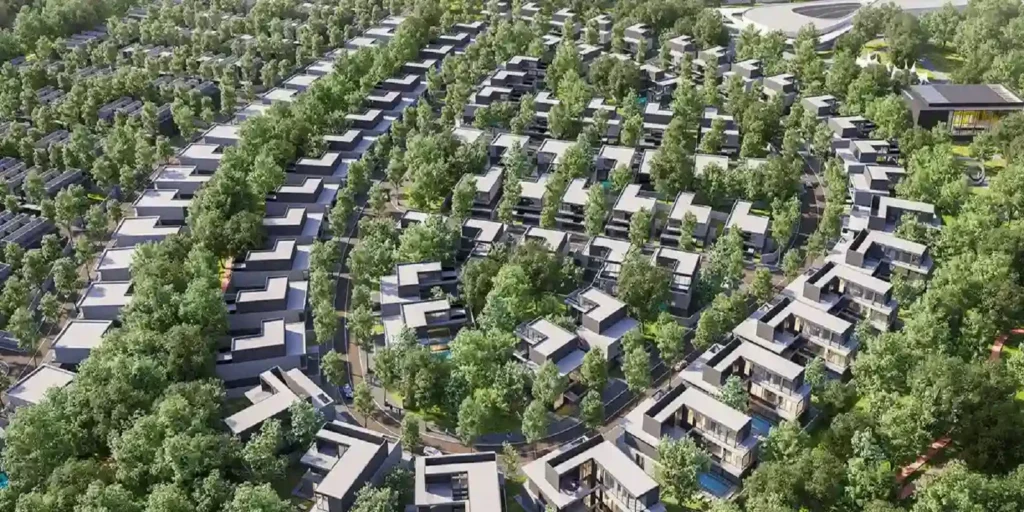
Sharjah is also investing in new sustainable cities that will influence future residential areas in Sharjah. One of the most high-profile examples is Khalid Bin Sultan City, a large mixed-use development announced by BEEAH with a concept master plan by Zaha Hadid Architects. The project is planned to deliver about 1,500 freehold homes in a smart, low-carbon environment that combines residential, commercial, cultural, and recreational spaces with extensive landscaping.
Early sales launches and reported strong demand, with entire clusters of townhouses and villas in the first phase selling out quickly during public releases. Features promoted by the developer include shaded pedestrian routes, energy-efficient building designs, and community facilities within walking distance, which should add fresh options to the list of residential areas in Sharjah and support the emirate’s wider goals for climate-smart growth.
9️⃣ 🧭 How to choose between different neighbourhoods
With so many residential areas in Sharjah to consider, it helps to draw up a simple checklist before you start viewings. Key points include your budget, the distance to work or school, the need for parking, and your preference for either a busy urban setting or a quieter suburban street. Waterfront districts such as Al Majaz and Al Khan suit people who enjoy public promenades and lively dining areas, while areas like Muwaileh and Masaar are better for those who want more space and community amenities such as gardens and play areas.
Renters should compare building maintenance, lift quality, and included facilities rather than focusing only on the advertised rent. Buyers may want to look at master developer records, service charges, and long-term infrastructure plans for new communities. Visiting several residential areas in Sharjah at different times of day helps you understand traffic patterns, parking pressure, and noise levels before making a commitment.
🔟 📌 Conclusion: finding your place in Sharjah
Whether you prefer a lagoon view apartment, a city centre flat close to work, or a villa in a leafy community, Sharjah offers a broad spectrum of housing choices. Traditional districts along the corniche now sit alongside new master planned communities and sustainable city projects, giving residents far more choice than just a decade ago. By researching residential areas in Sharjah, checking recent rental trends, and visiting shortlisted districts in person, you can find a home that balances budget, lifestyle, and future value.
Also Read: Top cinemas in Sharjah guide to movie experiences for every budget