Introduction
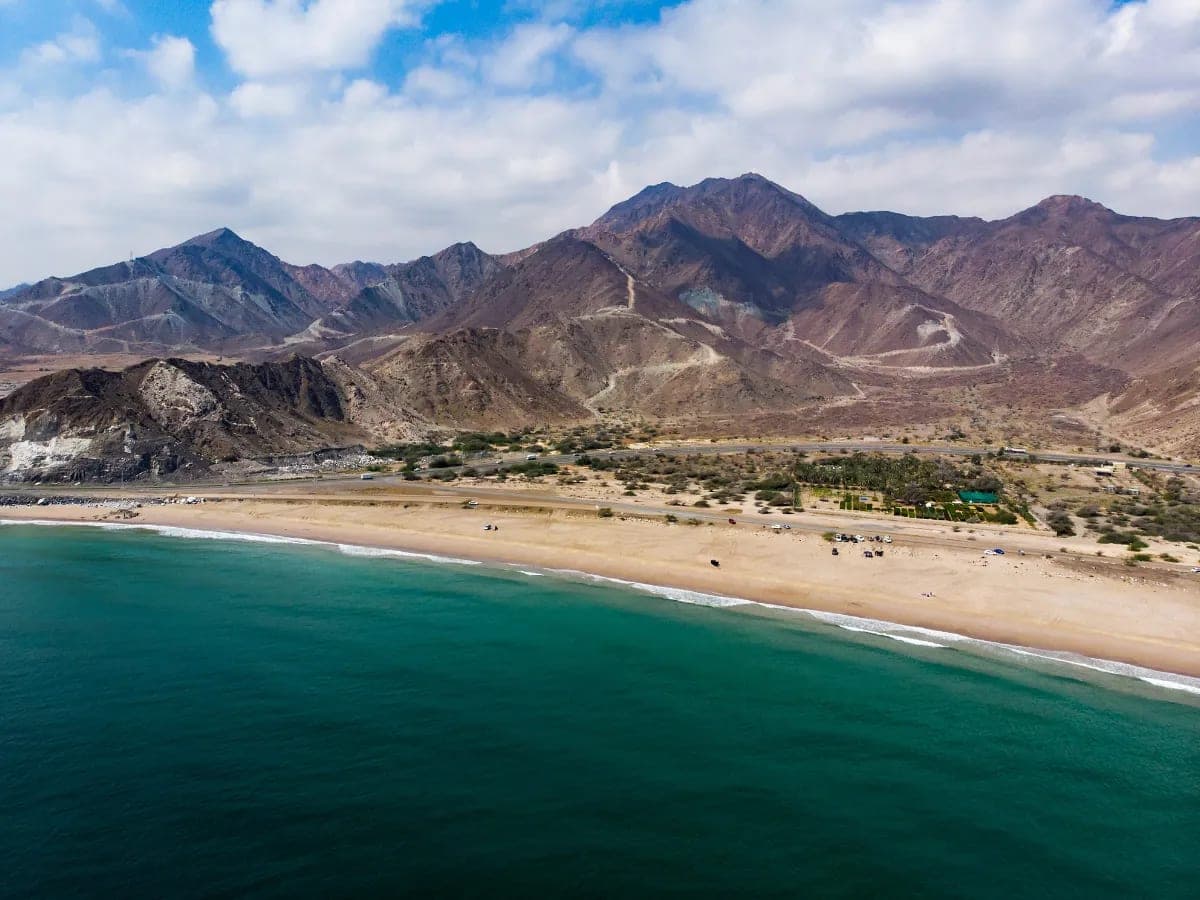
Understanding the weather in Fujairah is key to planning a successful trip or stay in this east-coast emirate of the United Arab Emirates. Nestled between the Hajar Mountains and the Gulf of Oman, the city of Fujairah experiences a distinctive desert-climate pattern. In this article, we will walk through what to expect from the weather in Fujairah across the year in 2025, with month-by-month insights, seasonal breaks, travel considerations, and practical tips. Whether you are visiting for beach time, mountain adventure, or cultural exploration, knowing the weather in Fujairah will help you align expectations and pack smartly.
1️⃣ Seasonal Overview
The weather in Fujairah follows a strong desert climate (Köppen BWh) classification. The annual average temperature is around 27.1 °C (80.8 °F). Rainfall is extremely sparse, with about 111 mm (4.4 inches) per year in many recorded data sets.
- Summers are long, hot, and muggy.
- Winters are shorter and comparatively comfortable, dry, and mostly clear.
- Rainfall is minimal year-round, concentrated largely in the December to March window.
Expecting the weather in Fujairah to follow these broad patterns will help you align travel, outdoor activities, and clothing choices.
2️⃣ Winter & Early Spring (December to March)
In this period, the weather in Fujairah is at its most comfortable for most visitors.
- The cool season lasts approximately from early December to early March, when daily highs are often below 27 °C (≈80 °F).
- For example, in January, the average low can drop to around 17 °C, and the highs are around 24 °C.
- Rain is still scarce but slightly more frequent: many months within this window see 1-3 days of rain, notably February, often with the highest rainfall.
During this timeframe, the weather in Fujairah allows for comfortable outdoor exploration, whether beach walks, mountain hiking, or cultural outings. The relatively mild daytime temperatures make it one of the best periods for travel. Nights can feel cooler than expected if you’ve come from a hotter region, so a light jacket may be useful.

3️⃣ Late Spring (April to May)
As we move into April and May, the weather in Fujairah begins its climb upwards, and the heat becomes more prominent.
- By April, highs average around 33 °C (91 °F) and lows near 25 °C.
- Rainfall by this point has mostly ceased, with very few wet days.
- UV levels begin to rise noticeably as the sun becomes more direct.
This transitional period is still quite good for travel, especially early on in April, before the intense heat of summer fully sets in. If you plan the weather in Fujairah for outdoor adventure, late March to early April would be a sweet spot: warm but not yet overwhelming heat, relatively comfortable sea temperatures, and diminishing rain risk.
4️⃣ High Summer (June to August)
The weather in Fujairah during the heart of summer is demanding.
- The hot season lasts roughly from late April to late August, with average daily highs above 35 °C.
- June sees average highs around 38 °C and lows around 31 °C.
- Humidity becomes more pronounced, especially in July and August, which can make it feel hotter than the thermometer suggests.
- The skies are mostly clear, but midday sun is intense; shade is minimal, and heat exposure is high.
For those tracking the weather in Fujairah, this period implies strong sun, intense heat, and limited relief unless under shade or in air-conditioned spaces. Outdoor excursions may be best either early morning or after sunset. Beach time is still available, but the midday period may be uncomfortable for many. If you must travel in summer, prepare for dehydration, sun exposure, and plan indoor or shaded activities.
5️⃣ Late Summer & Early Autumn (September to October)
During this stretch, the weather in Fujairah gradually becomes more tolerable and begins its transition toward cooler conditions.
- Highs still hover in the low to mid-30s °C (≈90-95 °F) in September, with lows beginning to drop as the season advances.
- Rain remains very rare; humidity may still be elevated, but it begins easing by October.
- The number of clear days increases, making it more pleasant for outdoor and beach activities.
So if you consult the weather in Fujairah for travel planning, early autumn represents a return to better conditions, particularly for those who found high summer too intense. The sea remains warm, the heat begins to moderate slightly, and you get good value before the “cool season” kicks in.
6️⃣ Late Autumn (November)
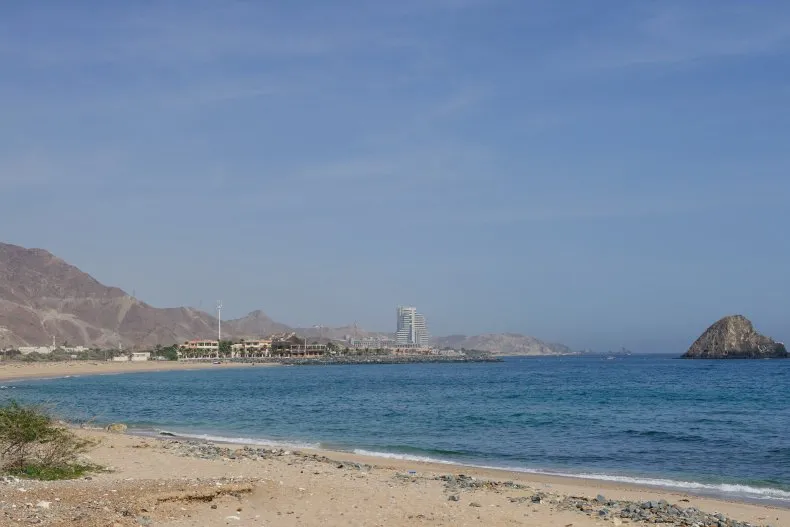
November is a favourable month when considering the weather in Fujairah.
- Highs in November average around 26–30 °C (78-86 °F), lows may be 22–24 °C.
- Rainfall remains low, skies remain mostly clear, and outdoor conditions become comfortable and predictable.
This makes November one of the best months to visit if you want warm, but not overwhelming, temperatures and reliable sunshine. The weather in Fujairah makes this month especially appealing for beachside travel, mountain wind-downs, and longer daylight before the holiday season starts to pick up.
7️⃣ Rainfall, Sea Temperatures & Cloud Patterns
The weather in Fujairah is also characterised by minimal rainfall, largely clear skies, and warming sea conditions.
- Annual precipitation is very low: around ~111 mm per year.
- The months with the highest rainfall are December to March; the wettest month being typically February.
- Sea temperatures in the region reflect the seasonal shifts: for example, around 23–24 °C in February, warming to ~32 °C in July.
- Cloud cover is generally low for much of the year; the clearest months are around October, with up to ~90 % of the time mostly clear.
Given this, when considering the weather in Fujairah, you can expect very few interruptions by rain — rather, the challenge tends to be heat and sun rather than wet conditions. For sea-based activities such as swimming or snorkelling, the warmer months are ideal for water temperature, but you’ll face heat outdoors. In cooler months, the sea is still pleasant, though not as warm as peak summer.
8️⃣ Practical Travel & Lifestyle Tips
When you factor in the weather in Fujairah, here are some practical tips to help you plan and live comfortably:
- ✅ Best time to visit: Late November through early March offers the most comfortable climate for general tourism. The “beach and pool” sweet-spots are mid-March to late-April and late-October to early‐December.
- ✅ Packing for seasons: For summer months, expect strong sun and high temps—lightweight breathable clothing, high-SPF sunscreen, a hat, and hydration are essential. For winter months, nights may get cooler (17–20 °C,) so a light jacket can be useful.
- ✅ Outdoor planning: If your itinerary includes hiking in the Hajar Mountains or wadis, schedule for early morning or late afternoon during hot months. The weather in Fujairah during midday in summer is extremely hot — outdoor exertion in the midday heat is not advisable.
- ✅ Beach & sea: Sea temperatures warm up to around ~32–33 °C in July & August while in February they can fall to ~23–24 °C.
- ✅ Sun protection and hydration: UV-index is very high from April through August (around 11-12). So sun protection is critical.
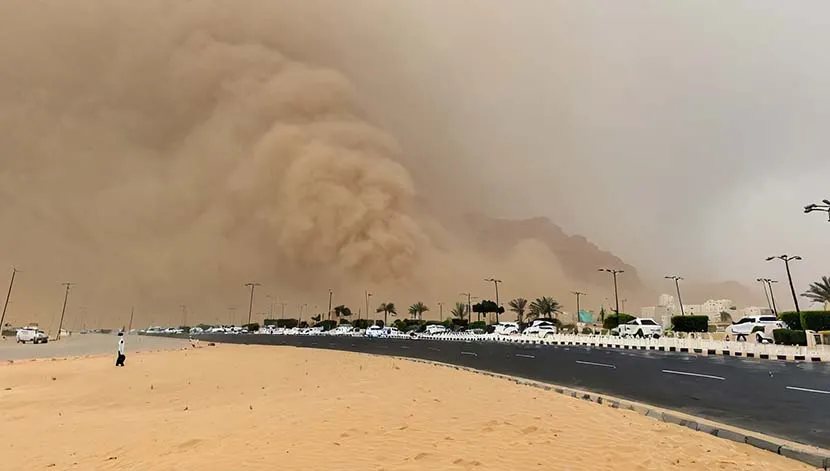
- ✅ Rain and hazards: While rain is rare, sudden heavy downpours in the winter months can lead to flash-flooding in mountain areas. It’s wise to check the forecast and avoid remote wadis if there is a rainfall forecast. The weather in Fujairah may look benign, but extremes can occur.
- ✅ Heat considerations: Even in “cooler” months, midday temperatures can rise quickly; always plan by checking local forecasts. The region’s building infrastructure remains designed for heat, so shading, air-conditioning, and hydration are your friends.
- ✅ Accommodation choices & timing: If you’re staying in summer, choose a hotel or resort with good shading, pools, beach access, and air-conditioning. Pools in the afternoon become especially useful as the weather in Fujairah pushes into higher temperatures and humidity.
- ✅ Activity pacing: It’s wise not to cram your schedule during very hot months — allow midday rest, shorter excursions, and plan critical outdoor activities earlier or later in the day.
Conclusion
To summarise: the weather in Fujairah is quintessential desert-coast climate. Hot, dry summers with high humidity and minimal rain, contrasted with mild, dry winters and short transitional seasons. The key for visitors or residents alike is to align their activity timing, clothing, and expectations with the season.
Whether you’re planning a beach holiday, mountain adventure, or cultural tour in 2025, knowing the weather in Fujairah throughout the year will ensure greater comfort and safety. With a little planning around seasons, you can decide how to make the most of the sunshine, the sea, the mountains, and the minimal rainfall. That knowledge lets you match the destination to your comfort level and travel style.
By paying attention to seasonal patterns and embracing the times when temperatures are most favourable, you can make the most of this beautiful emirate on the UAE’s east coast. The weather in Fujairah might present extremes, but with insight and planning, it becomes part of the experience rather than a surprise.
External Links / References:
- Climate Data – Fujairah
- Monthly climate averages – Fujairah
- Average weather at Fujairah International Airport
- Climate & Weather Averages – Fujairah
- Fujairah weather by month and sea temperatures
- Fujairah climate summary
Also Read: Affordable Clothing Stores in Fujairah: Your 2025 Guide to Smart Fashion Finds