🐾 Introduction
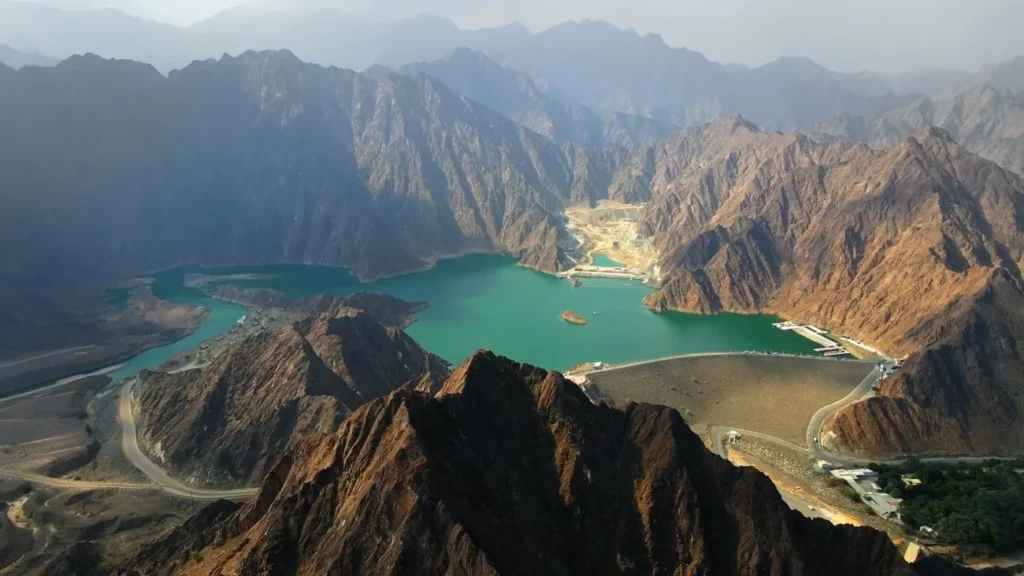
Fujairah, the only emirate with a coastline exclusively along the Gulf of Oman, is often overshadowed by Dubai’s skyscrapers or Abu Dhabi’s cultural landmarks. Yet, in 2025, the wildlife of Fujairah has become a focal point for conservationists, researchers, and eco-tourists. Its rugged Hajar Mountains, fertile wadis, sandy beaches, and coral reefs create a living mosaic where both desert-adapted species and marine ecosystems thrive.
The wildlife of Fujairah tells a story of survival in arid lands: Arabian tahr clinging to cliffs, foxes prowling under the moonlight, dolphins weaving through fishing boats, and orchids blooming only near hidden mountain springs. In this guide, we dive into the animals, plants, and places that define Fujairah’s biodiversity in 2025 — and how you can responsibly witness them.
1️⃣ 🏞 Mountain & Wadi Mammals
The mountains are Fujairah’s backbone, both geologically and ecologically.
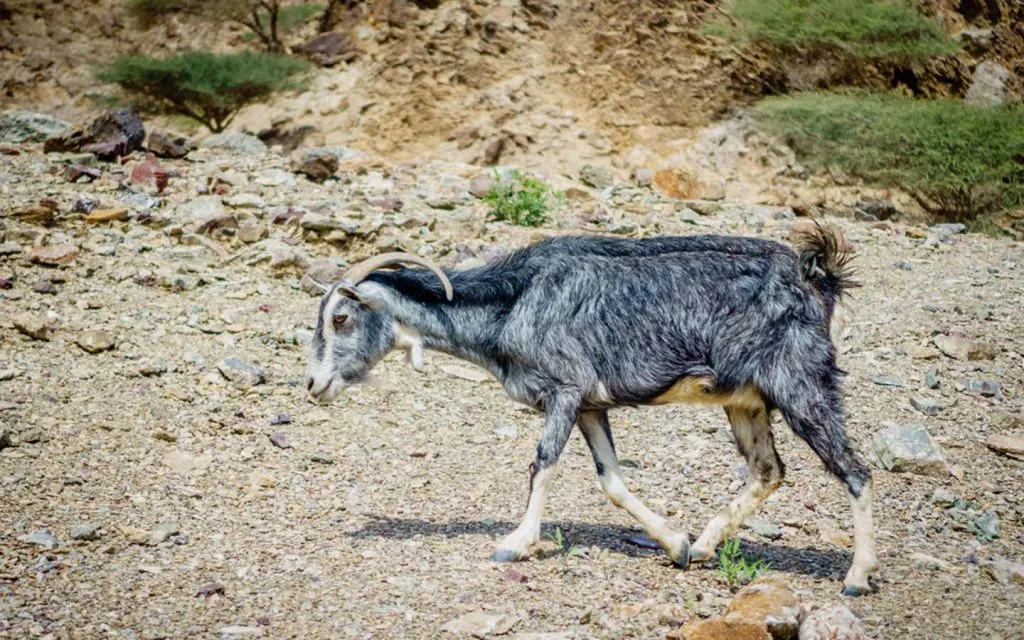
- Arabian Tahr (Arabitragus jayakari)
Critically endangered, this wild goat is one of the flagship species of the wildlife of Fujairah. Small herds roam inaccessible cliffs in Wadi Wurayah and higher peaks. With short, curved horns and a shaggy coat, they’re adept climbers. Researchers monitor them using camera traps, while eco-hikers sometimes glimpse them at dawn. - Arabian Red Fox (Vulpes vulpes arabica)
Sleek, reddish-brown, and cunning, the Arabian fox has adapted to urban edges as well as wadis. In Fujairah, it scavenges around farms and watercourses, playing a vital role in controlling rodents. - Blanford’s Fox (Vulpes cana)
Sightings of this nocturnal fox in 2024–2025 proved that the wildlife of Fujairah still holds surprises. With its cat-like climbing skills and enormous bushy tail, it thrives in rocky ravines. - Other Mammals
Egyptian fruit bats roost in caves, hedgehogs shuffle through wadis at night, and feral goats compete with wild herbivores for grazing. Together, these mammals highlight the delicate balance in the mountains.
2️⃣ 🌊 Marine Life & Coastal Wonders
The wildlife of Fujairah is not limited to dry land. Its 90-km shoreline offers one of the richest marine environments in the UAE.
- Dolphins — Species like the striped dolphin and Indo-Pacific bottlenose dolphin are common. Tour operators now run eco-friendly boat tours to watch pods leaping offshore.
- Whales — Though rare, dwarf sperm whales and even Bryde’s whales have been recorded. Their presence shows Fujairah’s waters are part of wider migratory corridors.
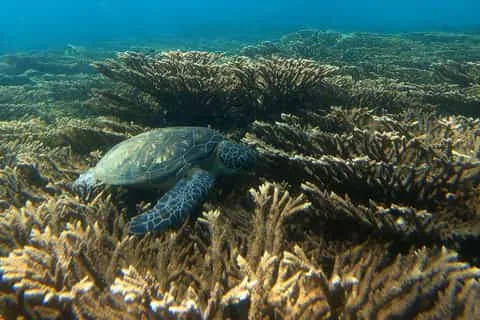
- Sea Turtles — Hawksbill and green turtles forage on coral reefs. Nesting is rare, but divers frequently encounter them near Snoopy Island.
- Reefs & Corals — Al Aqah’s coral gardens host angelfish, butterflyfish, groupers, and the occasional blacktip reef shark. Snorkeling is one of the best ways to experience the marine wildlife of Fujairah.
- Sea Snakes — Researchers documented up to eight sea snake species off the coast. Although venomous, they are generally non-aggressive.
Marine life forms an essential part of the wildlife of Fujairah, with ecotourism supporting both awareness and conservation.
3️⃣ 🐦 Birds & Migratory Visitors
The emirate lies along the Afro-Eurasian Flyway, one of the world’s busiest bird migration routes.
- Raptors such as kestrels, eagles, and the endangered Egyptian Vulture soar above wadis.
- Shorebirds like sandpipers, herons, and terns congregate in coastal mudflats during winter.
- Resident Species include the purple sunbird, bulbuls, and hoopoes — familiar backyard visitors.
Birdwatchers note that the wildlife of Fujairah is most diverse between November and April, when wintering birds swell local populations. The Fujairah Research Centre runs monitoring programs to protect nesting and roosting habitats.
4️⃣ 🐍 Reptiles & Amphibians
Harsh desert landscapes hide resilient reptiles that complete the puzzle of the wildlife of Fujairah.
- Snakes: The Persian horned viper and Oman saw-scaled viper are dangerous but rarely encountered. Non-venomous racers and sand boas also exist.
- Lizards: Geckos such as Orlov’s fan-footed gecko cling to rock faces, while agamids scuttle across hot sand.
- Amphibians: After rains, wadis echo with the croaks of toads, showing that amphibians still carve a niche in this arid land.
These species act as both predator and prey, ensuring ecological balance.
5️⃣ 🌿 Flora & Botanical Treasures
Plants are the green threads weaving life into Fujairah’s rocky tapestry.
- Orchid Marvel: Epipactis veratrifolia, the UAE’s only native orchid, grows in moist springs.
- Medicinal Plants: Desmidorchis arabica is valued in folk medicine but threatened by over-harvesting.
- Adapted Shrubs: Acacias and ghaf trees provide shade and stabilize soil, helping sustain the wildlife of Fujairah.
Botanical researchers in 2025 are mapping microhabitats to ensure these rare plants survive climate stress.
6️⃣ ⚠ Threatened Species & Conservation Efforts
The wildlife of Fujairah faces multiple pressures:
- Habitat Loss: Road construction and quarrying disrupt mountain ecosystems.
- Climate Change: Rising temperatures reduce freshwater availability in wadis.
- Human Impact: Littering, off-road driving, and overfishing disturb habitats.
Positive steps include:
- Wadi Wurayah National Park, a UNESCO Biosphere Reserve, safeguards key species.
- Fujairah Research Centre (FRC), which in 2025 monitors 11 threatened species.
- Community Campaigns encouraging residents to reduce plastic waste and report wildlife sightings.
7️⃣ 📍 Where to Experience Fujairah’s Wildlife
For eco-tourists in 2025, the following spots are must-visit:
- Wadi Wurayah National Park – Arabian tahr, foxes, and orchids.
- Al Aqah & Snoopy Island – Dolphins, turtles, coral reefs.
- Hajar Mountain Trails – Raptors and reptiles.
- Khor Kalba Mangroves (near Fujairah border) – Birds and crabs.
- Spring Valleys – Amphibians and rare plants after rainfall.
Best seasons: October to April, when the weather is mild and wildlife is most active.
8️⃣ 🔬 Research & Citizen Science in 2025
Technology is revolutionizing how the wildlife of Fujairah is studied:
- Camera Traps revealed Blanford’s fox.
- Drone Surveys map tahr grazing ranges.
- Citizen Science Apps let hikers upload bird and plant photos for identification.
- Marine Tracking uses acoustic devices on dolphins and turtles to understand migration.
Such initiatives are ensuring that data is shared globally while locals remain active guardians of Fujairah’s biodiversity.
9️⃣ 🌍 Ecotourism & Responsible Travel
In 2025, eco-travel is booming. Fujairah has positioned itself as a quieter alternative to Dubai, with nature at its core.
- Eco-lodges near Dibba and Al Aqah promote reef-safe diving.
- Guided mountain treks teach visitors about the fragile wildlife of Fujairah.
- Schools run “adopt a wadi” programs, where students monitor flora and fauna.
For visitors:
✔ Respect trail guidelines
✔ Avoid feeding wild animals
✔ Use reef-safe sunscreen
✔ Minimize plastic use
✅ Conclusion
The wildlife of Fujairah in 2025 is vibrant, surprising, and increasingly celebrated. From cliff-dwelling tahrs to reef-gliding turtles, from orchids in secret springs to foxes prowling moonlit wadis, Fujairah offers a rare glimpse into Arabia’s natural heart. Conservation is not without challenges, but with research, community involvement, and eco-tourism, the emirate is ensuring its biodiversity will endure.
For those who seek more than beaches and malls, exploring the wildlife of Fujairah promises adventure, learning, and a deeper connection to nature’s resilience.
🔗 External Links
- Fujairah Research Centre – Wildlife Programs
- The National Wildlife of Fujairah Report
- Arab News – Rare Blanford’s Fox in UAE
- Wikipedia – Snoopy Island, Fujairah
Also Read: Best Car Rentals for a Fujairah Road Trip in 2025