
1) 🚗 Introduction to Driving in Abu Dhabi
For residents and visitors, driving in Abu Dhabi is often the most convenient way to move between sprawling districts, islands, and suburbs. When you understand how driving in Abu Dhabi works in 2025, you can explore Corniche beaches, museums, malls, and desert resorts with confidence instead of worrying about fines and procedures. Visitors who stay only a few days may rely on taxis, yet renting a car gives far more freedom, as long as you learn how enforcement, tolls, and parking systems operate before you sit behind the wheel.
Visitors who like to plan should factor in peak-hour traffic, common commuting corridors, and major event days such as Formula One or big concerts, when some roads become busier than usual. Building a basic picture of how the city is laid out makes each journey smoother and reduces last-minute stress at complex junctions or bridges.
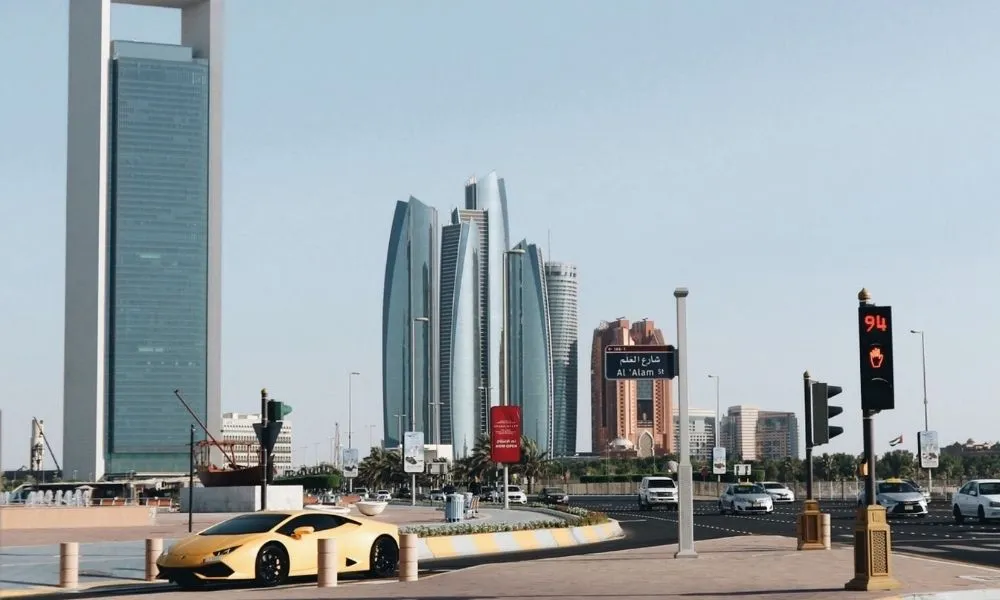
2) 🪪 Who can drive in Abu Dhabi and the licence rules
If you plan on living, working, or studying in the emirate, you will quickly discover that driving in Abu Dhabi normally requires a local licence issued by Abu Dhabi Police or other UAE traffic authorities. Long-term residents who keep driving in Abu Dhabi should convert or obtain a UAE licence through approved driving schools, including eye tests, theory classes, and practical lessons.
New residents should check whether their previous licence can be exchanged without a full course, since some nationalities are eligible for a direct transfer according to the latest approved lists. Medical fitness, especially clear vision, is assessed through accredited centres. Professional drivers, such as taxi, school bus, and heavy vehicle operators, must meet stricter criteria and attend specific training, with more frequent renewals and background checks.
Learner drivers follow a structured path that includes classroom sessions, simulator training in some centres, internal assessments, and a final road test observed by traffic examiners. Failing does not stop you from trying again, but it can mean extra lessons, so careful preparation saves both time and money.
3) 🛣️ Key traffic rules and speed limits in Abu Dhabi
Safe driving in Abu Dhabi depends on respecting local traffic laws that are updated regularly to improve safety for everyone. Speed limits are clearly posted on highways, city streets, and residential roads, and in the emirate, the posted number is usually the absolute maximum, so careful drivers treat every sign as the top speed while driving in Abu Dhabi. On major highways, limits can reach 140 or even 160 kilometres per hour in some stretches, while internal roads are often between 40 and 80 kilometres per hour, which makes realistic time planning essential when driving in Abu Dhabi.
Recent reforms introduced minimum speeds on some fast lanes and variable limits that change in response to traffic or weather, so motorists should always match the number on electronic boards and never assume that a single limit applies along an entire route. Seat belts are compulsory for every passenger, and young children must sit in approved child seats; heavy fines apply to using a handheld phone, tailgating, ignoring pedestrian crossings, or blocking emergency vehicles, so it is wise to review the official list of violations before a long trip.
Drivers should also be aware of school zones, construction areas, and temporary diversions, where limits can drop sharply. In high-speed zones, being significantly under the minimum can also lead to penalties, so it is important to flow with traffic while staying within the legal range.
4) 🏙️ Road types, signage, and lane discipline
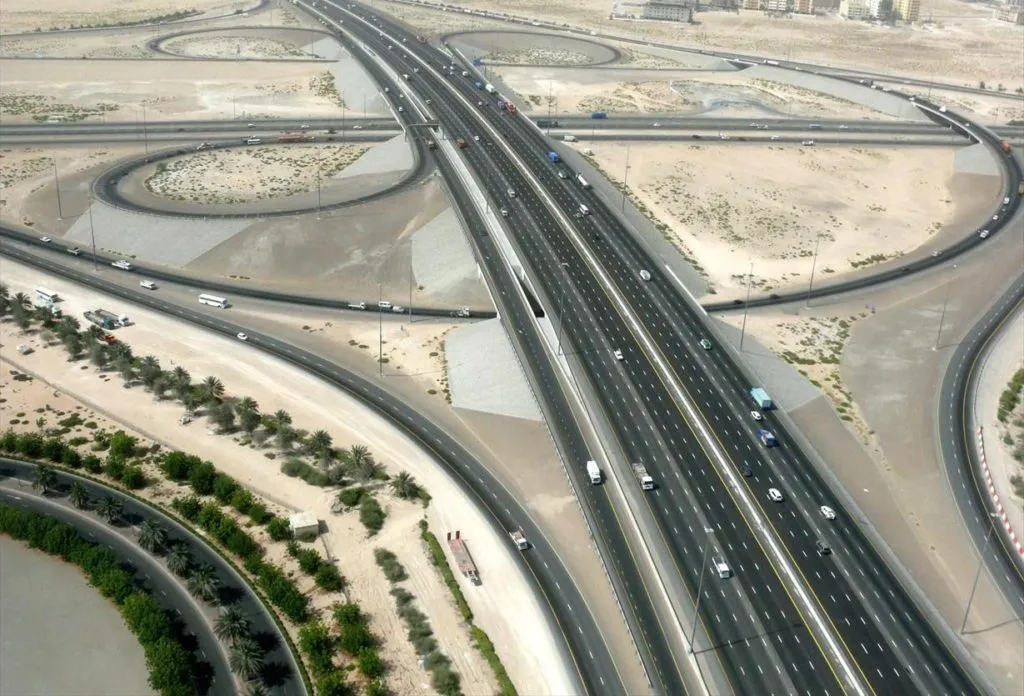
Because much of the city is built on islands linked by bridges and wide avenues, driving in Abu Dhabi can feel very different from compact European or Asian capitals. Main arterial routes towards Al Ain, Dubai, and the western region often have several lanes and complex interchanges, so you should choose the correct lane early, especially when driving in Abu Dhabi during peak hours. Clear bilingual signage in Arabic and English helps most motorists, but it is still important to watch lane arrows painted on the asphalt and avoid last-second lane changes, since calm, predictable driving in Abu Dhabi makes the road safer for everyone around you.
Keep a two or three-second gap from the vehicle ahead, increasing that distance during rain, fog, or dusty conditions. Heavy vehicles need more space to stop, so cutting in front of them is dangerous, even if it looks like a shortcut. Roundabouts, dedicated bus lanes, cycling tracks, and intelligent traffic lights are increasingly common, and you must avoid using bus or taxi-only lanes unless signs clearly allow other vehicles. Staying alert and patient will make daily commutes much smoother and reduce the chances of minor bumps or near misses at busy junctions.
5) 💡 Practical tips for visitors and new residents
For first-time visitors, driving in Abu Dhabi can feel intimidating at first because of higher speeds and wide intersections, yet it quickly becomes manageable with preparation. Always book at least basic insurance with your rental car so that any issues while driving in Abu Dhabi do not turn into expensive surprises. Use a reputable navigation app that shows live speed limits, school zones, and fixed cameras, since this helps you maintain a smooth rhythm when driving in Abu Dhabi, even on unfamiliar roads.
Seasonal weather also matters. During winter, early morning fog can reduce visibility on highways, and occasional sand or dust can reduce tyre grip, so take extra care while driving in Abu Dhabi outside built-up areas. In such conditions, reduce speed gradually, switch on low beam lights, and keep a generous distance from other vehicles instead of relying only on navigation instructions. Families should plan child seats, carry water and snacks during longer trips, and avoid leaving anyone inside a parked car in hot weather, even for a short time. Having a small emergency kit with a torch, phone charger, and basic first aid items adds extra peace of mind.
Visitors who are not used to long distances between fuel stations should refuel when the tank approaches half rather than waiting for the warning light, especially on desert roads. It is also polite and safer to use indicators well in advance before changing lanes, instead of signalling at the last moment.
6) 🅿️ Parking in Abu Dhabi and Mawaqif zones
One of the most important parts of daily driving in Abu Dhabi is understanding how Mawaqif public parking zones operate. Standard and premium bays are clearly marked with coloured kerbs and signs; paid hours usually run from eight in the morning until midnight from Monday to Saturday, with free parking on Sundays and most public holidays, although special events or busy districts can have separate rules, so you should always check signage carefully before or after driving in Abu Dhabi to busy areas.
Standard zones typically cost around two dirhams per hour and premium zones around three dirhams per hour, with time limits that depend on location, and payment can be made through SMS, mobile apps, parking meters, or recharge cards, which makes life easier for people driving in Abu Dhabi who prefer digital payments.
People with disability permits can use dedicated accessible spaces close to entrances, provided the permit is displayed clearly, and residential permits give long-term tenants more flexibility in neighbourhood streets. Residents should read the conditions on their permits, as some areas have nighttime-only entitlement while others allow full-day use. Visitors can often obtain short-term permits in villa areas through an SMS from the host, which helps keep residential zones organised and ensures that genuine residents still find spaces near their homes.
If you are unsure whether a bay is free or paid, it is safer to assume that payment is required during normal Mawaqif hours until you find a clear sign confirming otherwise.
7) 🚧 Darb toll gates, fuel prices, and electric charging
Another key part of modern driving in Abu Dhabi is the Darb toll system that controls traffic on bridges leading into and out of the city centre. During peak hours from Monday to Saturday, each pass through a toll gate is charged at four dirhams, and updates coming into force in twenty twenty five extend the evening charging window and remove previous daily and monthly caps, so regular commuters should register an account, link their vehicles, and review official announcements that affect their driving in Abu Dhabi. Fuel prices vary each month with global markets, but petrol remains relatively affordable compared with many countries, which keeps long-distance driving in Abu Dhabi and trips across the wider UAE attractive for residents.
Electric vehicle owners also benefit from a growing network of fast and slow chargers at malls, government buildings, and newer communities, so eco-conscious drivers can plan emission-friendly driving in Abu Dhabi with a bit of advance research on charger locations and tariffs. Commuters who cross toll gates several times a day should watch their monthly budget carefully, especially once the fee caps are removed, and consider using park and ride or public transport for some journeys.
8) 🚨 Fines, black points, and emergencies
Because road safety is a national priority, driving in Abu Dhabi is monitored through fixed and mobile cameras, smart radars, and active police patrols, all connected to a black point system. Serious violations such as extreme speeding, dangerous overtaking, or causing major collisions can lead to heavy fines, vehicle impoundment, and even temporary loss of licence, with particularly strict rules for young or probationary drivers. If you are involved in an accident while driving in Abu Dhabi, stay calm, move the car to a safe location if possible, call the police or use the approved smart apps, and wait for an official accident report before repairing the vehicle.
Minor incidents can often be reported entirely online, with instructions guiding you step by step to upload photos and details, so it is worth installing the relevant apps and saving emergency numbers before you need them. Keeping your insurance helpline, roadside assistance contact, and the Darb and Mawaqif apps on your phone will make driving in Abu Dhabi more secure and less stressful if something unexpected happens. Many drivers also sign up for breakdown coverage that includes towing, battery jumps, and tyre changes, which can be extremely helpful on longer intercity trips.
✅ Conclusion
Understanding the rules, culture, and technology around roads turns driving in Abu Dhabi into a routine part of daily life rather than something to worry about. With up-to-date knowledge of parking zones, Darb toll timings, speed limits, and enforcement, you can treat driving in Abu Dhabi as a practical everyday habit while respecting the comfort and safety of everyone around you. Whether you are on a short business trip or settling down as a long-term resident, responsible and courteous driving in Abu Dhabi will help you discover more of the capital while keeping journeys smooth and enjoyable.
References:
- UAE Government road safety overview
- Abu Dhabi Mobility Mawaqif public parking types and tariffs
- Abu Dhabi Mobility Darb tolling system and fees
- Hertz guide to UAE speed limits and Abu Dhabi enforcement
- Abu Dhabi SMS parking rules, timings, and payment methods
- News report on 2025 Darb toll timing and cap changes
Also Read: Top Petrol Stations in Abu Dhabi 2025 Guide for Local and Visiting Drivers