Introduction
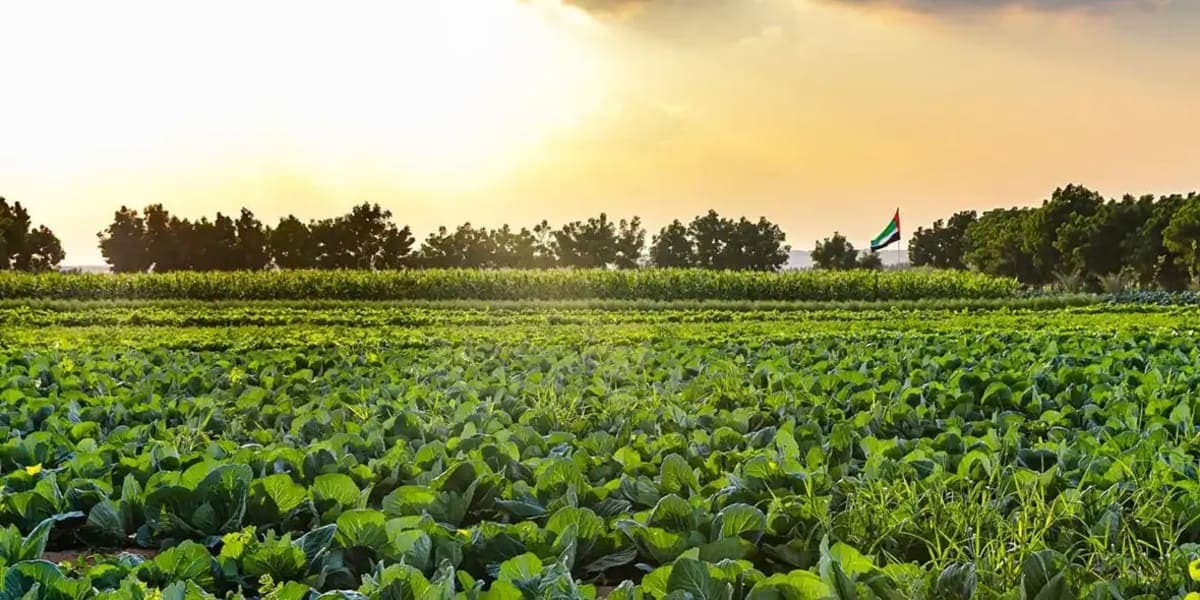
Umm Al Quwain is often associated with mangroves, serene beaches, and heritage fishing communities — yet a quieter transformation is underway in its farmlands and greenhouses. By 2025, Farming in Umm Al Quwain will have taken on new significance as the emirate explores organic produce, aquaculture, and innovative indoor systems to strengthen food security.
In the past, agriculture here was mainly small-scale: date palms, barley, and limited vegetables cultivated in sandy soils with scarce water. Today, the emirate is seeing fresh energy through government-supported sustainability projects, community farms, and agri-tech adoption. This makes Farming in Umm Al Quwain an exciting blend of tradition and innovation, with real potential to expand both food supply and eco-tourism.
🌱 1 — Local farms and the organic movement
Small family farms form the backbone of Farming in Umm Al Quwain, often passed down through generations. These farms grow cucumbers, leafy greens, beans, herbs, and seasonal melons. In recent years, emphasis has shifted toward organic practices, with farmers experimenting with pesticide-free cultivation, compost-based fertilizers, and sustainable irrigation.
Organic farms are now offering direct-to-consumer services. Many advertise on Instagram and WhatsApp, inviting families to visit, pick produce, or subscribe to weekly baskets. This direct connection not only helps residents eat healthier but also keeps farmers motivated to maintain soil-friendly practices.
Agri-tourism is also rising. Schools arrange visits where children learn about soil, irrigation, and how lettuce or basil grows in greenhouses. Visitors experience first-hand the transformation of desert land into lush plots — a hallmark of farming in Umm Al Quwain.
🐟 2 — Aquaculture and coastal food production
With a long coastline and natural lagoons, aquaculture has naturally become a pillar of Farming in Umm Al Quwain. Fish farms raise species like tilapia, sea bream, and barramundi. The emirate also hosts hatcheries for breeding fingerlings that are then supplied to farms across the UAE.
Aquaculture complements traditional farming by diversifying local food sources. Modern systems recycle water and use high-tech filtration to reduce waste. Some farms even integrate aquaponics — combining fish tanks with vegetable beds, where fish waste fertilizes plants. This “closed-loop” approach reduces inputs while producing both protein and vegetables, strengthening food security.
In fact, the Ministry of Climate Change and Environment regularly highlights Umm Al Quwain’s role in the UAE’s aquaculture sector, making it central to the country’s strategy of reducing seafood imports.
🌾 3 — Indoor, vertical, and precision farming adoption
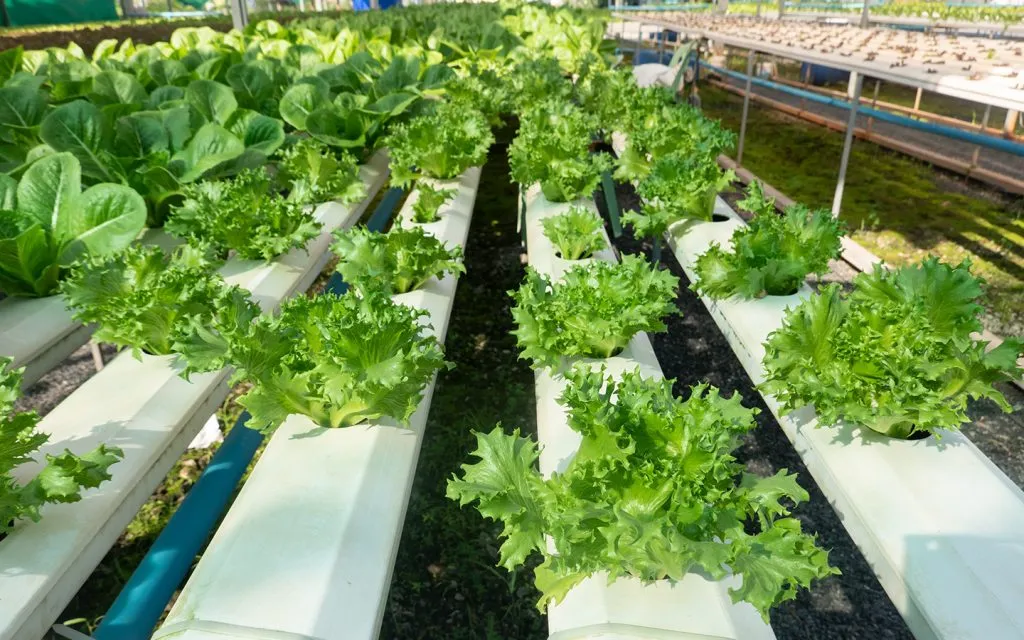
Indoor farms are becoming vital to Farming in Umm Al Quwain, as they address climate challenges. Technologies like hydroponics, aeroponics, and vertical farming allow the production of lettuce, kale, spinach, and herbs without soil. Instead, crops grow in nutrient-rich water or mist systems with LED lighting.
Although larger emirates such as Dubai and Abu Dhabi lead the indoor farming sector, smaller emirates like Umm Al Quwain benefit through knowledge sharing, supplier networks, and collaborations. Several start-ups now offer modular hydroponic kits for local growers, and restaurants increasingly source from indoor farms to guarantee freshness.
Precision farming techniques — using sensors, drones, and real-time monitoring — are also trickling into the emirate. This enables farmers to optimize irrigation, prevent crop stress, and save resources, giving farming in Umm Al Quwain a future-proof foundation.
🍅 4 — Organic produce: what’s available and where to buy
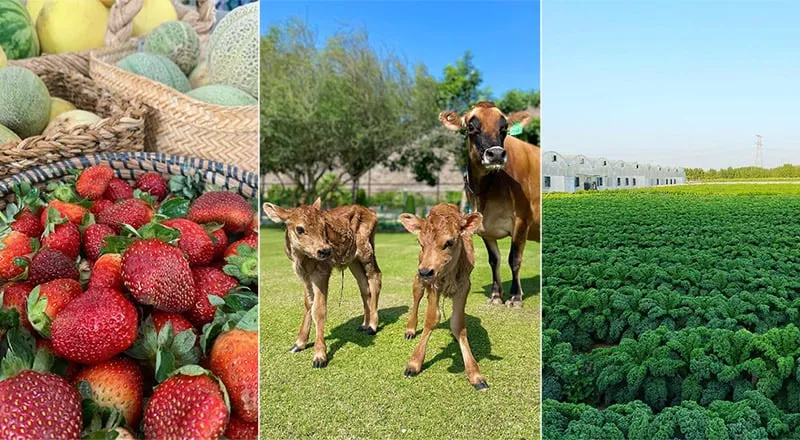
Residents of Umm Al Quwain can now buy locally grown organic cucumbers, cherry tomatoes, bell peppers, basil, parsley, mint, and even strawberries in limited quantities. Some farms are experimenting with heirloom varieties to meet rising consumer demand for unique, flavorful produce.
Where to buy:
- Local farms (direct sales or weekend markets)
- Small grocery outlets that highlight “Made in UAQ” produce
- Delivery subscription boxes managed by farms or eco-groups
- Hotels and resorts are sourcing organic vegetables for their menus
The growing popularity of “farm-to-table” dining means that cafés in Umm Al Quwain are proud to highlight ingredients sourced from nearby farms. For residents, this guarantees freshness while supporting the local economy.
🚜 5 — Water, soil, and sustainability practices
Desert farming is not without hurdles. Water scarcity remains the biggest challenge in farming in Umm Al Quwain. Farmers adopt drip irrigation systems to reduce wastage, while some use treated wastewater for non-edible crops.
Soil improvement techniques are spreading:
- Compost made from kitchen waste is used to enrich sandy soils.
- Mulching reduces evaporation.
- Shade nets and greenhouses protect crops from extreme heat.
The emirate also runs awareness programs encouraging residents to compost at home, which feeds back into farms. Together, these sustainability measures ensure that agriculture remains viable without depleting resources.
🛒 6 — Markets, supply chains, and farm-to-table links
One key feature of farming in Umm Al Quwain is its small but growing supply chain ecosystem. Unlike larger emirates, UAQ doesn’t have a huge supermarket-dominated distribution. Instead, local produce often goes directly to:
- Farm shops and roadside stands
- Pop-up weekend markets in residential areas
- Specialty organic outlets in Dubai and Sharjah
- Direct partnerships with cafés, hotels, and eco-resorts
This direct approach benefits both farmers and consumers: prices stay fair, waste is reduced, and produce is fresher. Some farms are even exploring “CSA” (community-supported agriculture) models, where families pre-pay for weekly harvest boxes.
🌍 7 — Policy, community, and Vision 2033
Government support plays a strong role in the success of farming in Umm Al Quwain. Under Vision 2033, the emirate has pledged to enhance food security, sustainability, and eco-friendly initiatives. Programs include:
- Tree-planting drives with community participation
- Subsidies for efficient irrigation equipment
- Support for youth entrepreneurship in agriculture
- Collaboration with universities on agri-tech research
Community engagement is equally important. Workshops on composting, permaculture, and aquaponics are held for residents, making farming knowledge accessible. By 2033, Umm Al Quwain aims to balance economic growth with environmental stewardship, placing agriculture at the heart of this vision.
🔬 8 — Challenges and opportunities for growers
While optimism runs high, farming in Umm Al Quwain still faces structural challenges:
- High input costs: energy, greenhouse cooling, and imported seeds.
- Limited land availability due to urban expansion.
- Climate extremes, especially during the summer months.
Yet, opportunities abound:
- Agri-tourism: farms offering tours, stays, and pick-your-own activities.
- Value-added products: jams, dried herbs, organic juices.
- Tech-driven farming: AI-based monitoring, hydroponic towers, aquaponics.
- Export potential: niche organic products could be branded “Grown in UAQ” for regional markets.
This mix of challenges and opportunities is shaping an adaptive, resilient farming community.
🧑🤝🧑 9 — Consumers’ role in supporting local farms
Consumers can actively strengthen Farming in Umm Al Quwain by:
- Choosing local produce whenever possible.
- Joining farm subscription boxes.
- Visiting farms to buy directly.
- Encouraging restaurants to source locally.
- Sharing feedback and supporting farmers via social platforms.
These small steps create strong demand signals, motivating more farmers to adopt organic and sustainable methods.
🔮 10 — Future Outlook 2030+
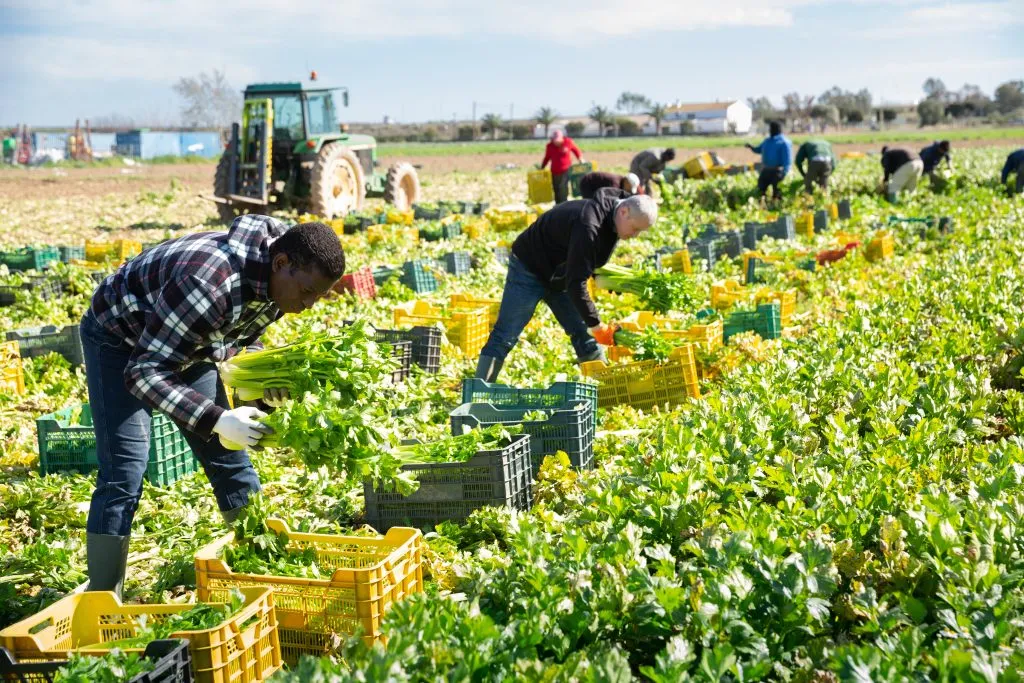
Looking ahead, Farming in Umm Al Quwain is likely to:
- Expand indoor vertical farming with more commercial-scale facilities.
- Develop aquaponics hubs combining fish and vegetable farming.
- Promote agritourism as a niche sector alongside heritage tourism.
- See greater integration of renewable energy — solar-powered greenhouses and water pumps.
With government support, community participation, and private sector investment, Umm Al Quwain could become a model of “small but sustainable” agriculture in the Gulf.
Conclusion
Farming in Umm Al Quwain is not just about growing food — it’s about resilience, sustainability, and community well-being. From family-run farms to aquaculture ventures and cutting-edge hydroponics, the emirate is building a balanced food system adapted to its unique geography.
Residents benefit from fresh organic produce, restaurants celebrate farm-to-table menus, and children learn from agri-tourism visits. Meanwhile, Vision 2033 ensures long-term sustainability through water-efficient practices and eco-friendly initiatives.
For farmers, challenges remain — but the opportunities to grow niche produce, host tourists, and explore innovative techniques make the future bright. For consumers, every local purchase is a step toward supporting sustainable farming in Umm Al Quwain.
In 2025 and beyond, farming in Umm Al Quwain represents more than agriculture; it embodies the emirate’s journey toward food security, a green economy, and a healthier lifestyle for its community.
External links & sources
- UAE Indoor Farming Developments
- Umm Al Quwain Vision 2033
- WAM News – UAQ Agricultural and Environmental Initiatives
- Ministry of Climate Change and Environment – Aquaculture Projects
Also Read: Thriving Real Estate in Umm Al Quwain — Luxury Villas & Waterfront Homes (2025)