Introduction 🌍
Umm Al Quwain is one of the least crowded yet historically rich emirates of the United Arab Emirates. Its calm coastline and quiet desert landscapes preserve stories that stretch back thousands of years. The Historic sites in Umm Al Quwain offer visitors a rare chance to explore untouched heritage away from modern city noise.
Unlike larger emirates, these places reflect the authentic life of early coastal communities traders, fishermen, and rulers. From ancient settlements to royal forts, the Historic sites in Umm Al Quwain remain carefully preserved by local authorities and cultural departments.
This guide highlights confirmed and publicly accessible locations that continue to shape the identity of the emirate. Each destination listed below is officially recognized and suitable for cultural tourism in 2026. The journey through the Historic sites in Umm Al Quwain is both educational and deeply memorable.
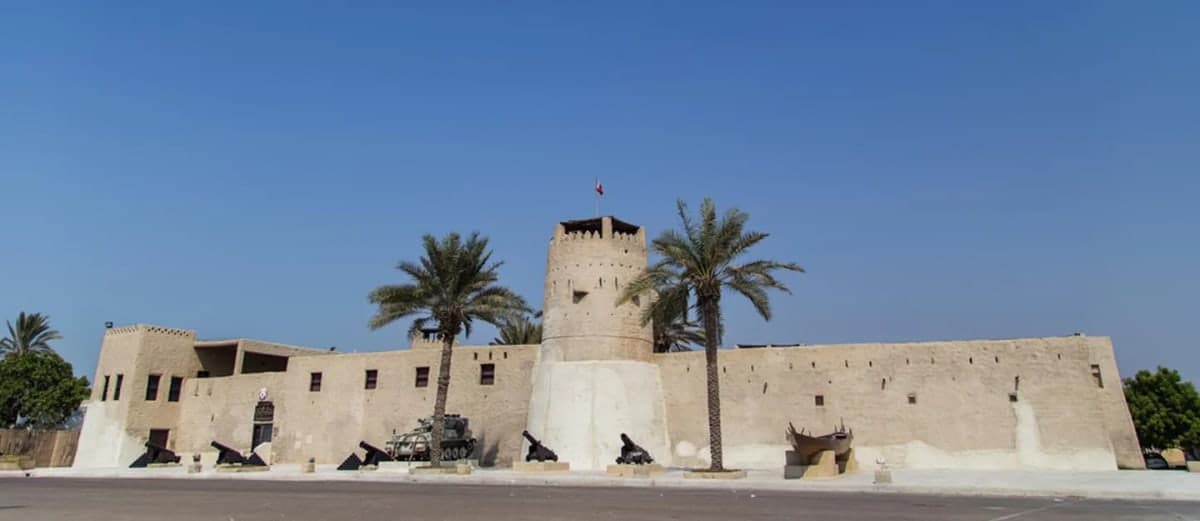
1️⃣ 🏰 Umm Al Quwain Fort National Museum
The Umm Al Quwain Fort is the most prominent landmark among the Historic sites in Umm Al Quwain. Built in the late 18th century, it once served as the royal residence seat of government and defense structure.
Today the fort operates as the National Museum showcasing archaeological finds traditional weapons manuscripts and daily life artifacts. The coral stone walls wooden ceilings and watchtowers reflect classic coastal architecture.
Visitors can explore restored rooms courtyards and exhibits that explain governance trade and maritime life. The fort remains one of the most visited Historic sites in Umm Al Quwain due to its central location and cultural importance.
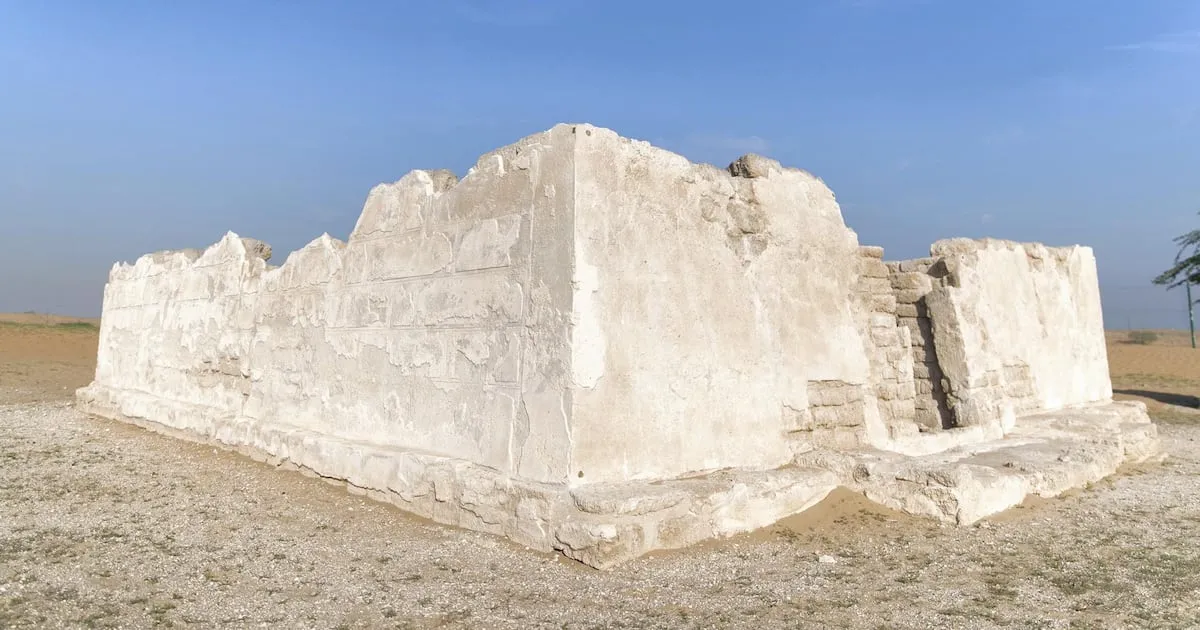
2️⃣ 🏜️ Ed Dur Archaeological Site
Ed Dur is one of the most significant ancient settlements in the UAE and a cornerstone of the Historic sites in Umm Al Quwain. Archaeological evidence dates this site back over two thousand years to the pre Islamic era.
The area contains stone houses tombs and artifacts including coins and pottery that indicate strong trade links with Mesopotamia and the Indus region.
Ed Dur is officially protected, and research continues under the UAE heritage authorities. For history enthusiasts, the Historic sites in Umm Al Quwain feel incomplete without visiting this archaeological landmark.
3️⃣ 🏯 Falaj Al Mualla Fort
Located inland Falaj Al Mualla Fort plays a vital role in understanding desert defense systems within the Historic sites in Umm Al Quwain. Constructed in the 19th century the fort protected water sources and agricultural lands.
Its elevated towers thick walls and strategic layout show how communities adapted to harsh desert conditions. The fort is restored and open for visitors seeking insight into rural governance.
Falaj Al Mualla Fort remains a respected example of inland heritage among the Historic sites in Umm Al Quwain.
4️⃣ ⚓ Old Harbor Area
The old harbor area reflects the maritime heritage central to the Historic sites in Umm Al Quwain. Historically, this port supported fishing, pearl diving, and coastal trade.
Although modernized nearby sections of the harbor still preserve traditional docking spaces and dhow activity. The area provides context for how coastal communities sustained themselves.
This living heritage location connects daily life with the broader story of the Historic sites in Umm Al Quwain.
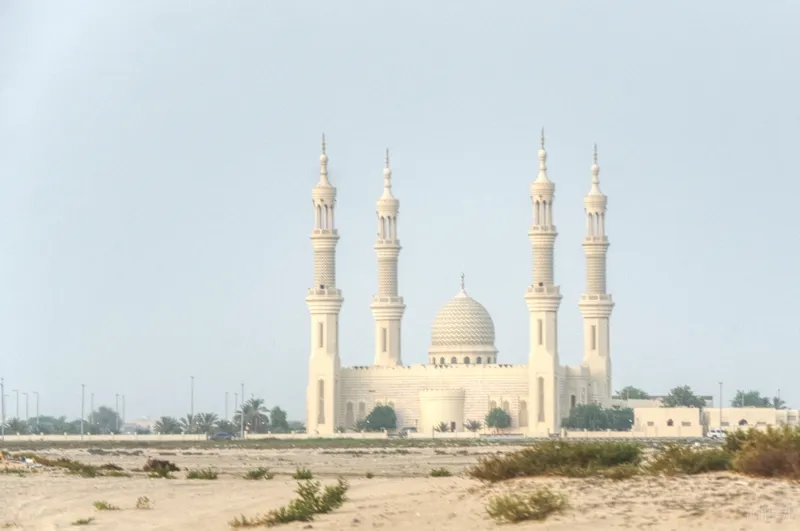
5️⃣ 🕌 Traditional Mosque Architecture
Several older mosques across the emirate contribute quietly to the Historic sites in Umm Al Quwain. These mosques feature simple layouts coral stone construction and wind ventilation designs.
They served as spiritual and social centers for early neighborhoods and remain active places of worship. Preservation efforts focus on maintaining original materials and layout.
Such structures highlight the religious and cultural continuity found in the Historic sites in Umm Al Quwain.
6️⃣ 🏘️ Heritage Residential Houses
Traditional houses built from coral stone palm wood and gypsum are essential to the Historic sites in Umm Al Quwain. These homes reflect adaptation to climate using courtyards and wind towers.
Some residences are integrated into museum displays while others remain part of old neighborhoods. They provide insight into family life social structure and craftsmanship.
Together they form a living chapter of the Historic sites in Umm Al Quwain.
7️⃣ 🗺️ Archaeological Coastal Settlements
Smaller confirmed archaeological remains along the coastline add depth to the Historic sites in Umm Al Quwain. These include burial areas fishing settlements and trade outposts.
Supervised studies confirm their role in supporting maritime economies. They emphasize how geography shaped survival and prosperity.
Conclusion 🌟
Umm Al Quwain preserves its history with quiet confidence offering visitors genuine cultural exploration without crowds. From ancient Ed Dur to royal forts and coastal settlements the emirate presents a complete historical narrative rooted in verified heritage.
Each location reflects resilience trade faith and community life. Visiting these sites supports cultural preservation and deepens understanding of the UAE’s early foundations. For travelers seeking authenticity and learning Umm Al Quwain stands as a timeless destination worth exploring in 2026.
Also Read: Power Guide to Thriving Small Businesses in Umm Al Quwain 2026
Image Credits: The featured image has been taken from Bayut